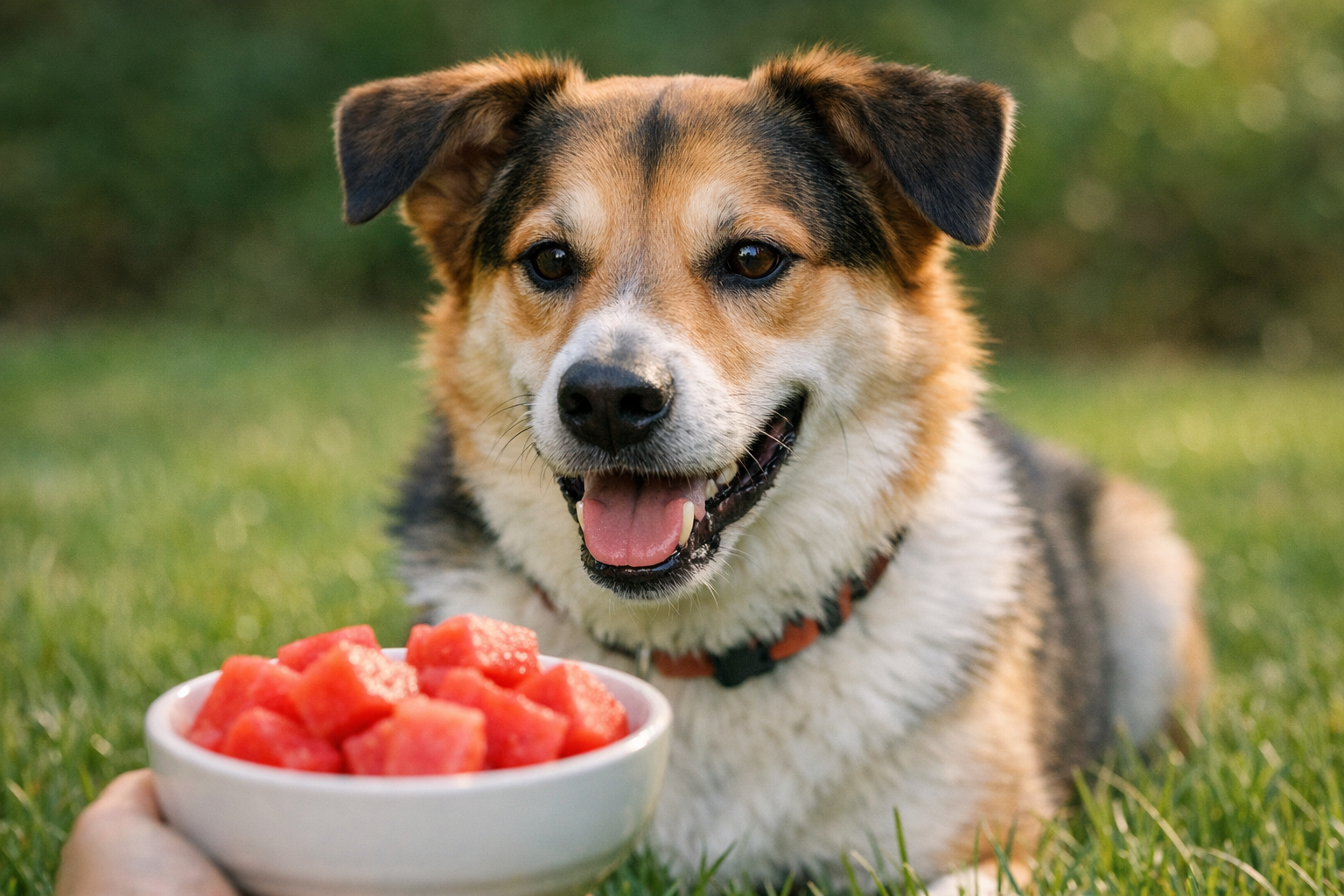
Can My Dog Eat Strawberries? Safe Feeding Guide
Can my dog eat strawberries safely? Learn how much to give, the real risks, when to skip them, and how to avoid stomach upset.
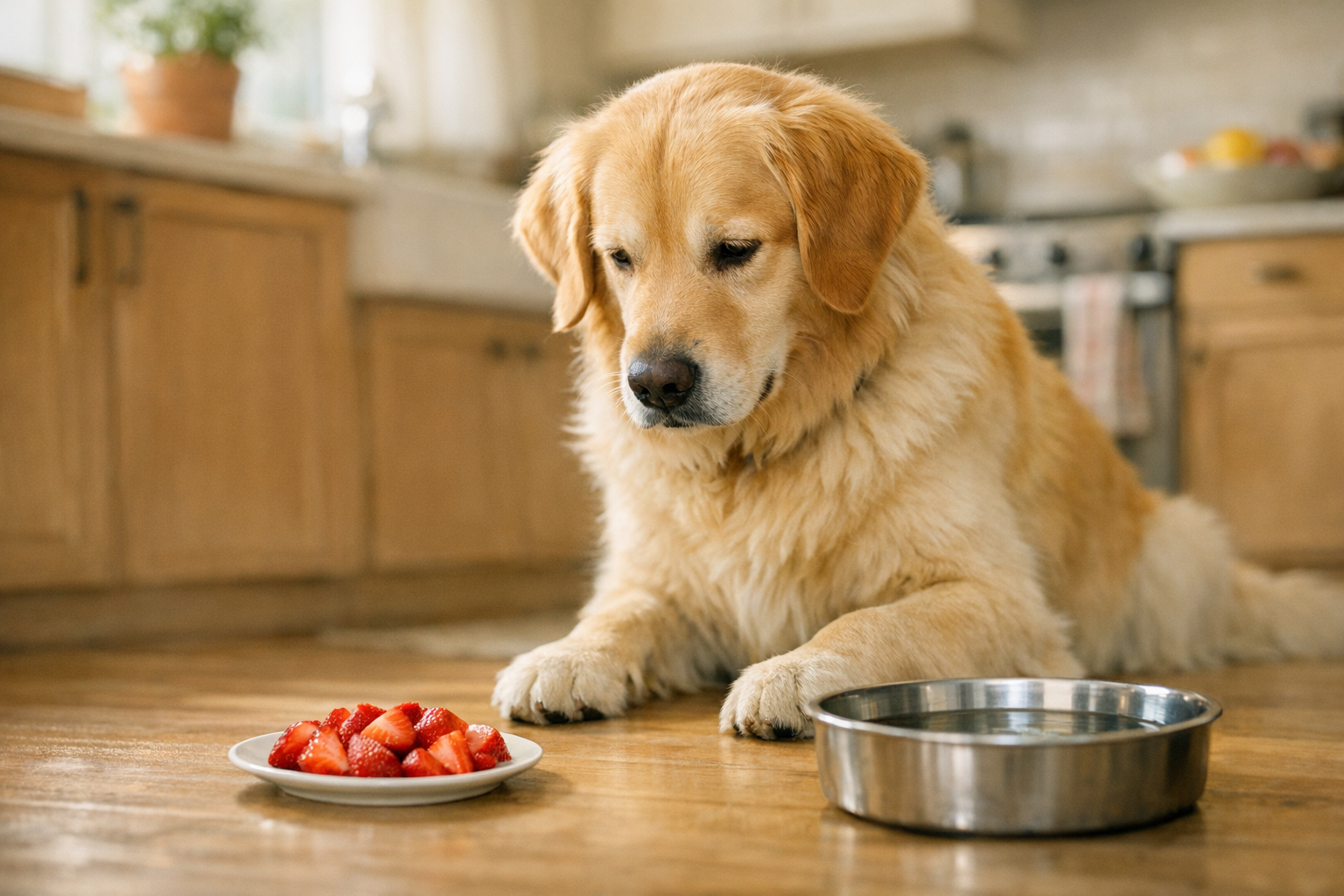
Yes, most dogs can eat strawberries. They are not toxic, and a few fresh pieces are fine for many dogs as an occasional treat.
The catch is portion size. Strawberries are sweet, fairly high in natural sugar, and not every dog handles new foods well. So the real answer to "can my dog eat strawberries" is yes, but keep it plain, keep it small, and pay attention to how your dog reacts.
Are strawberries safe for dogs?
Fresh strawberries are generally safe for healthy adult dogs. If you wash them well, remove the stem, and cut them into bite-size pieces, they are one of the easier fruits to share.
They are still treats, not a health food your dog needs. A dog on a complete, balanced diet already gets the nutrients they need from their regular food.
That matters because owners sometimes hear that strawberries have antioxidants or vitamin C and assume more is better. It usually is not. Dogs do not need fruit in the same way people might enjoy it.
The safest version is plain fresh strawberry. No syrup. No chocolate. No whipped cream. No yogurt with added sweeteners.
Why some dogs do well with strawberries
Strawberries are soft, hydrating, and easy to portion. For dogs who like fruit, they can be a decent warm-weather treat.
They also have fiber, which can help some dogs feel satisfied with a small snack. That is useful if you want a lower-calorie reward than many commercial biscuits.
I like strawberries most for dogs who need tiny treats during short sessions of keep dogs off the couch style training. A few very small pieces can work well if your dog finds them motivating.
But motivation varies a lot. Some dogs will do anything for a strawberry. Others will spit it out and wait for chicken.
The real risks to know about
The biggest risk is usually stomach upset. If your dog gulps down several strawberries, or tries fruit for the first time on a sensitive stomach, you may see loose stool, gas, or vomiting.
That usually passes with mild cases. If vomiting continues, diarrhea is frequent, or your dog seems tired and uninterested in food, that is no longer a casual watch-and-wait situation.
Sugar is another issue. Even natural sugar counts, especially for overweight dogs, dogs prone to pancreatitis, and dogs with diabetes.
Strawberries are also a choking risk if you give them whole to a small dog or a fast eater. Cut them up. This is especially important for little terriers that inhale treats before they chew.
Then there is the form the strawberry comes in. Strawberry jam, pie filling, canned strawberries, fruit cups in syrup, strawberry ice cream, and many flavored yogurts are not good choices for dogs. They often come with a lot of sugar, and some products may contain xylitol, which is extremely dangerous for dogs.
Leaves and stems are not highly toxic, but they can irritate the stomach or get stuck if your dog eats a bunch. Remove the tops and keep things simple.
If your dog has a history of food sensitivity, move slower than you think you need to. A dog with itchy skin, chronic ear issues, or a touchy gut is more likely to tell you quickly that strawberries were not a great idea.
How many strawberries can a dog eat?
A good rule is that treats should make up no more than about 10 percent of your dog's daily calories. Strawberries can fit into that, but only in small amounts.
Here is a practical guide for healthy dogs:
- Tiny dogs, 1 to 2 small slices
- Small dogs, up to 1 small strawberry
- Medium dogs, 1 to 2 strawberries
- Large dogs, 2 to 4 strawberries
That is for an occasional snack, not an everyday side dish. If your dog has never had strawberries before, start with one small piece and wait a day before offering more.
Breed and body type matter too. If you are feeding an Irish Terrier, a couple of cut pieces is usually enough for a first try. For a smaller, quick-moving dog like one you are feeding a Brazilian Terrier, I would cut the fruit into very small bits to lower the choking risk.
Bigger dogs can handle a bit more volume, but size does not make them immune to stomach upset. If you are feeding an American Bulldog, resist the temptation to hand over a whole bowl just because the dog looks sturdy enough. Most big dogs can overdo treats with no warning.
And if your dog is on a prescription diet, ask your vet before you add fruit regularly. That matters more than generic online feeding charts.
Best ways to serve strawberries
Plain and fresh is the easiest option. Wash the berry well, remove the green top, and cut it into pieces that match your dog's size.
For puppies, seniors, or dogs with dental issues, mash a small amount with a fork. That gives you the flavor without asking them to chew a slippery chunk.
Frozen strawberry slices are fine for some dogs, especially in hot weather, but use smaller pieces than you think you need. Hard frozen chunks can be tough on teeth and easy to gulp.
You can also mix a teaspoon of finely chopped strawberry into a lick mat or on top of regular food. Just keep the amount modest. Once owners start building "healthy" snack bowls, calories sneak up fast.
Do not use strawberries to hide the fact that your dog is eating poorly overall. If your dog has appetite changes, weight loss, bad breath, vomiting, or other odd signs, step back and think bigger than fruit. It can help to review common dog diseases so you know what deserves a real exam.
When strawberries are a bad choice
Skip strawberries if your dog has had pancreatitis, severe food allergies, poorly controlled diabetes, or repeated stomach trouble after sweet foods. There are safer treats for those dogs.
You should also skip them if your dog guards food, swallows treats whole, or gets overexcited around high-value snacks. In those cases, the behavior around the food matters more than the food itself.
And do not use strawberries as a DIY fix for unrelated health changes. I have seen owners focus on "healthy treats" while missing problems that actually need medical care. If your dog looks off and you are also noticing things like white dog nails, limping, or skin changes, book the vet instead of tweaking snacks.
Signs your dog did not tolerate strawberries well
Watch for vomiting, diarrhea, lip licking, gulping, bloating, hives, or unusual itchiness in the next several hours. Mild stomach upset may settle on its own, especially if the amount was small.
Call your vet within 24 hours if vomiting repeats, diarrhea is frequent, or your dog will not eat their next meal. Those signs mean this was more than a harmless taste test.
Go to an emergency vet right away if you see trouble breathing, facial swelling, collapse, severe lethargy, or signs of choking. Those are not wait-and-see symptoms.
If you also have a cat who steals food and starts that odd gulping motion, do not assume it is the same issue. Why cats keep swallowing has its own set of causes.
Common questions owners ask
Can puppies eat strawberries?
Yes, in tiny amounts. Puppies have more sensitive stomachs, so start with one very small piece and make sure it is soft enough to chew safely.
Can dogs eat strawberry tops?
It is better not to offer them. The leafy top is not useful nutritionally and can irritate the stomach.
Can dogs eat strawberries every day?
I would not make that a habit for most dogs. A small amount now and then is fine, but daily sweet treats add sugar and calories that your dog does not need.
Can diabetic dogs eat strawberries?
Maybe, but only with your vet's input. Even fruit sugar can affect some diabetic dogs more than owners expect.
Are strawberries good for dogs with constipation?
Not reliably. A little fiber may help some dogs, but fruit is not a treatment plan. If your dog is constipated more than a day, straining hard, or seems painful, call your vet.
What about strawberry yogurt?
Usually not worth the risk. Many flavored yogurts are loaded with sugar, and some low-sugar products may contain sweeteners that are unsafe for dogs.
The bottom line
If you are still asking, "can my dog eat strawberries," the simple answer is yes, in small plain portions. Fresh, washed, stem removed, cut up, and offered as an occasional treat is the safest approach.
Start tiny. Watch your dog. If they do well, strawberries can stay in the rotation as a once-in-a-while snack, not a daily health ritual.
That is the sweet spot for most dogs. A little is fine. A lot is asking for a messy night.