Best Dog Food for Brazilian Terrier in 2026Based on Nutritional Science
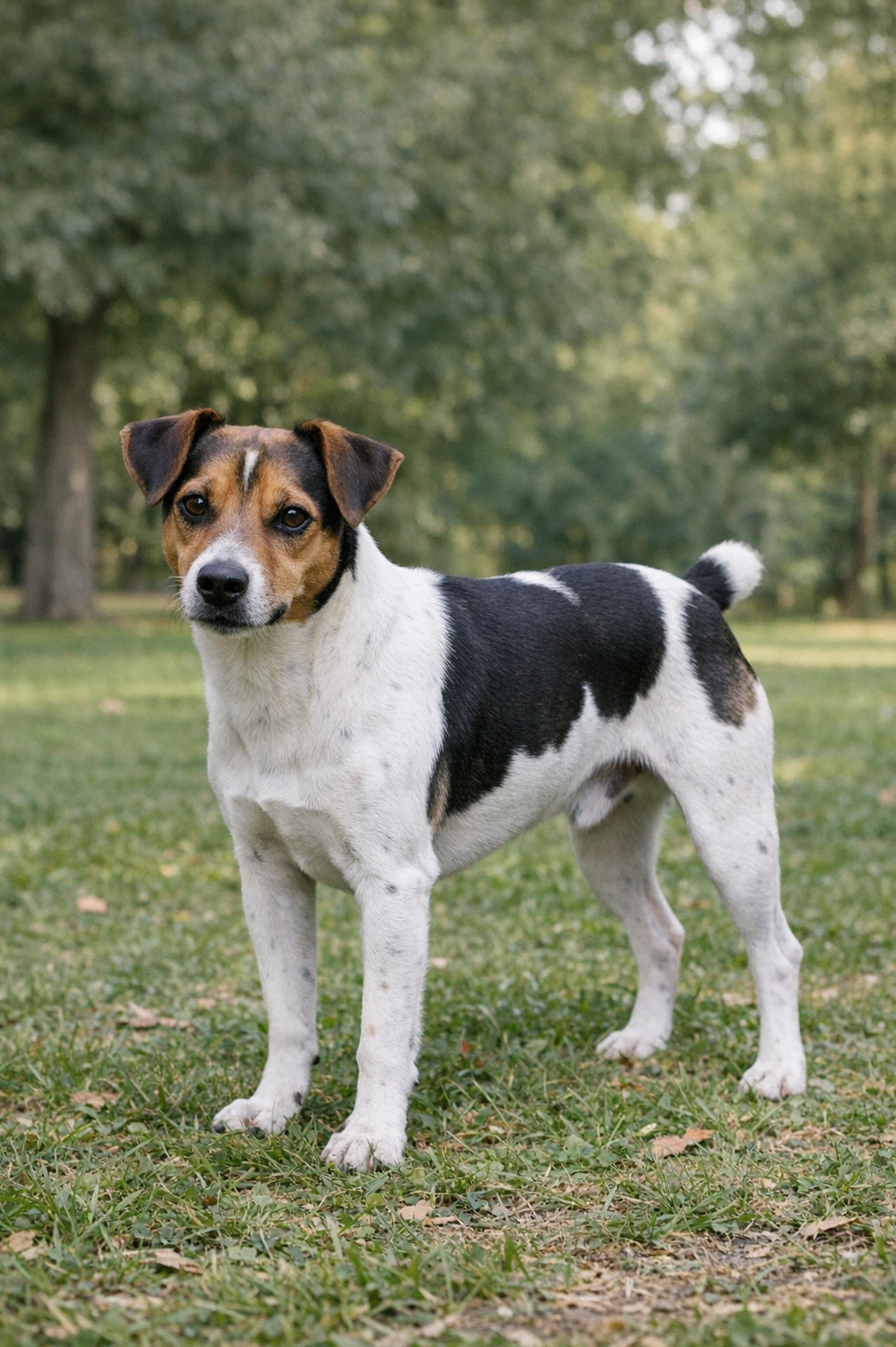
Compact and lively, the Brazilian Terrier stands about 13.7 to 15.7 inches and weighs around 22 pounds. Loyal, brave and tender, it benefits from protein-rich, balanced meals. Nutritional Verdict: fuels active days.
Understanding the Brazilian Terrier Metabolism and Energy Needs
This compact terrier from Brazil was shaped to be alert, bold and devoted to its family, thriving on short bursts of activity and close human company. As a small working dog used for chasing prey and patrolling homesteads, it benefits from a diet that supports quick muscles, steady focus and a glossy coat.
Aim for a protein-forward plan, around 30 to 35 percent of calories from quality animal sources, to maintain lean muscle and fast recovery. Moderate healthy fats, including omega-3s, supply concentrated energy and support skin, coat and cognitive health. Carbohydrates should be limited and chosen for low glycemic impact, providing steady fuel without weight gain, while fiber and probiotics help digestion. Joint-support nutrients like glucosamine can be useful for active joints, and calorie-controlled portions prevent excess weight in this lively companion.
Managing Brazilian Terrier Genetic Health Risks Through Nutrition
Patellar Luxation
Helpful nutrients
Mucopolysaccharidosis (MPS VII)
Helpful nutrients
Brazilian Terrier Feeding & Calorie Calculator
Estimated Daily Calories
Tip: Start with this amount and adjust after 2–3 weeks based on your dog's body condition and weight trend.
This estimate provides a starting point for feeding. Individual calorie needs may vary depending on metabolism, body condition, and health status. Always monitor your dog's weight and consult your veterinarian when adjusting diet.
Foods and Ingredients to Avoid for Brazilian Terrier Dogs
Given the breed's small size and tendency to gain weight, especially around 22 pounds, it is wise to avoid high-fat foods and rich table scraps.
Excess fat can quickly lead to unwanted weight gain and may trigger pancreatitis, which is painful and can be serious for a compact, active dog.
Stick to lean protein sources and moderate healthy fats, and limit fatty treats.
If you give meat, trim visible fat and offer small, controlled portions to help keep weight and joints comfortable.
Xylitol, often found in sugar-free gum, some peanut butters, candies, and certain baked goods, is extremely toxic to dogs.
For a small breed like the Brazilian Terrier, even a small amount can cause a rapid drop in blood sugar and lead to liver failure, seizures, or worse.
Always read labels on human foods and household items, and avoid any product that lists xylitol or sorbitol. If you suspect ingestion, contact your veterinarian immediately for guidance.
Chocolate contains theobromine and caffeine, which can cause vomiting, tremors, rapid heart rate, and seizures.
Grapes and raisins have been linked to sudden kidney failure in some dogs, and smaller dogs need far less to reach a dangerous dose than a larger dog would.
Because a Brazilian Terrier weighs around 22 pounds, even modest amounts can be risky.
Keep these items well out of reach and call your vet right away if your dog eats any.
Onions, garlic, leeks, and chives contain compounds that can damage a dog’s red blood cells and lead to anemia.
This applies to raw, cooked, powdered, or concentrated forms, so even a little onion powder in gravy or seasoning can add up over time.
Avoid feeding foods seasoned with these ingredients and watch for products like soups, sauces, and prepared meals.
If your dog shows weakness, pale gums, or lethargy after exposure, seek veterinary advice.
Cooked bones can splinter and cause choking, mouth injuries, or punctures in the throat and intestines.
Very hard chews and inappropriate bones can also crack teeth, which is a painful and costly problem for a small dog with a delicate jaw.
Choose veterinarian-recommended chews sized for a 22 pound dog and supervise chewing sessions. Replace damaged chews and avoid giving cooked or small brittle bones.
Overfeeding is a common issue for small, food-motivated breeds and can quickly lead to excess body weight.
Extra pounds place additional strain on joints and increase the risk, however small, of conditions like patellar luxation as they age.
Follow the recommended two meals per day routine with measured portions from a quality commercial feed, and limit high-calorie treats.
Regularly assess your dog's body condition and adjust portions to keep them lean and energetic.
How Nutritional Needs Change Throughout the Brazilian Terrier Life Stages
Dogs need different nutrition at puppyhood, adulthood, and senior years, and the Brazilian Terrier is no exception. Growth rate, activity level, and breed health tendencies shape those needs, so feeding choices should change as your terrier moves through life. Paying attention to portion sizes, nutrient balance, and monitoring body condition helps keep this loving, courageous companion healthy and active.
| Life Stage | Age Range | Primary Objective | Key Nutrient Focus |
|---|---|---|---|
| Puppy | 0–12 months | controlled skeletal development, immune support, brain development | DHA, balanced calcium/phosphorus, high-quality protein |
| Adult | 1–7 years | lean muscle maintenance and sustained energy | high-quality protein, omega-3 fatty acids, fiber |
| Senior | 7+ years | joint mobility, metabolic health, and cognitive support | glucosamine, chondroitin, antioxidants, lower calories |
Brazilian Terrier puppies grow at a moderate pace for a medium breed, so gradual, steady growth supports healthy skeletal development. Feed calorie-dense meals that are portioned to avoid rapid weight gain, and choose formulas balanced for calcium and phosphorus to support bone and joint formation. Puppies benefit from DHA for brain development and high quality animal protein to build muscle.
Because Brazilian Terriers are playful and fairly active, offer three to four small meals daily until about six months, then transition to two to three meals. Keep an eye on knee health since patellar luxation can occur, and consider genetic screening when planning breeding for MPS VII. Regular vet checks will help adjust feeding to growth and energy needs.
Adult Brazilian Terriers need nutrition that supports steady energy and lean muscle without excess weight. Maintain a balanced diet with high quality protein to preserve muscle, moderate fat for energy, and fiber to support digestion. Portion control matters, as consistent activity helps burn calories but these medium dogs can gain weight if meals are too large.
Match calorie intake to your terrier's lifestyle, increasing energy for working, sporting, or highly playful dogs, and reducing it for more sedentary pets. Regular exercise and feeding measured meals keeps body condition ideal, and routine vet assessments help adjust protein and fat targets, especially if there are early signs of joint stress such as patellar laxity.
As Brazilian Terriers age, metabolism often slows and energy needs can decline, while digestion and joint health may require more attention. Senior dogs benefit from slightly fewer calories to avoid weight gain, paired with high quality protein to preserve muscle mass. Increased fiber can aid digestion, and smaller, more frequent meals help pets with reduced appetite or dental changes.
Support mobility with nutrients like glucosamine, chondroitin, and omega-3 fatty acids, and include antioxidant-rich ingredients to support overall health. Keep monitoring body condition and watch for signs of patellar issues or changes in mobility, adapting calorie intake and supplements in consultation with your veterinarian to keep your affectionate companion comfortable and active.
Kibble vs Fresh vs Raw for Brazilian Terrier
Different feeding models suit different lifestyles and dog needs.
Choosing the right approach for a Brazilian Terrier depends on activity level, health screening, and your time for meal prep.
Pros
- Convenient and easy to portion for busy owners.
- Consistent balanced nutrition supports everyday energy needs.
- Dry kibble helps keep teeth cleaner through chewing.
- Many formulas include joint-support nutrients for small active breeds.
Cons
- Lower moisture content can be an issue for picky drinkers.
- Some brands use fillers, so label reading is needed.
- Portion control is vital because this breed can gain weight.
- Less fresh ingredient variety compared to homemade meals.
Pros
- Highly palatable, ideal for picky or affectionate eaters.
- You control ingredients, reducing unwanted additives or fillers.
- High moisture supports digestion and hydration.
- Easy to adjust for joint health or allergy needs.
Cons
- Requires careful planning to ensure complete and balanced nutrition.
- Meal prep and refrigeration add time and ongoing cost.
- Risk of inconsistent mineral or vitamin levels without guidance.
- Not as convenient for travel or busy schedules.
Pros
- High protein, which can suit their active, muscular build.
- Many owners see shinier coats and lively energy.
- Limited processing preserves natural enzymes and nutrients.
- Can be tailored to avoid ingredients linked to sensitivities.
Cons
- Higher risk of bacterial contamination without strict hygiene.
- Bone hazards can be serious for this medium-small breed.
- Requires veterinary guidance to balance calcium and other nutrients.
- Cost and storage demands are higher than kibble.
| Diet Type | Pros for Brazilian Terrier | Potential Downsides |
|---|---|---|
| High-Quality Kibble |
|
|
| Fresh Cooked Food |
|
|
| Raw Diet (BARF) |
|
|
Our Recommendation
For most Brazilian Terriers, high-quality kibble offers a practical balance of nutrition and convenience.
Fresh cooked meals suit picky or sensitive dogs when recipes are balanced, while raw feeding can work for active individuals with strict hygiene and veterinary oversight.
See Also
Breeds with similar group, size, and coat characteristics