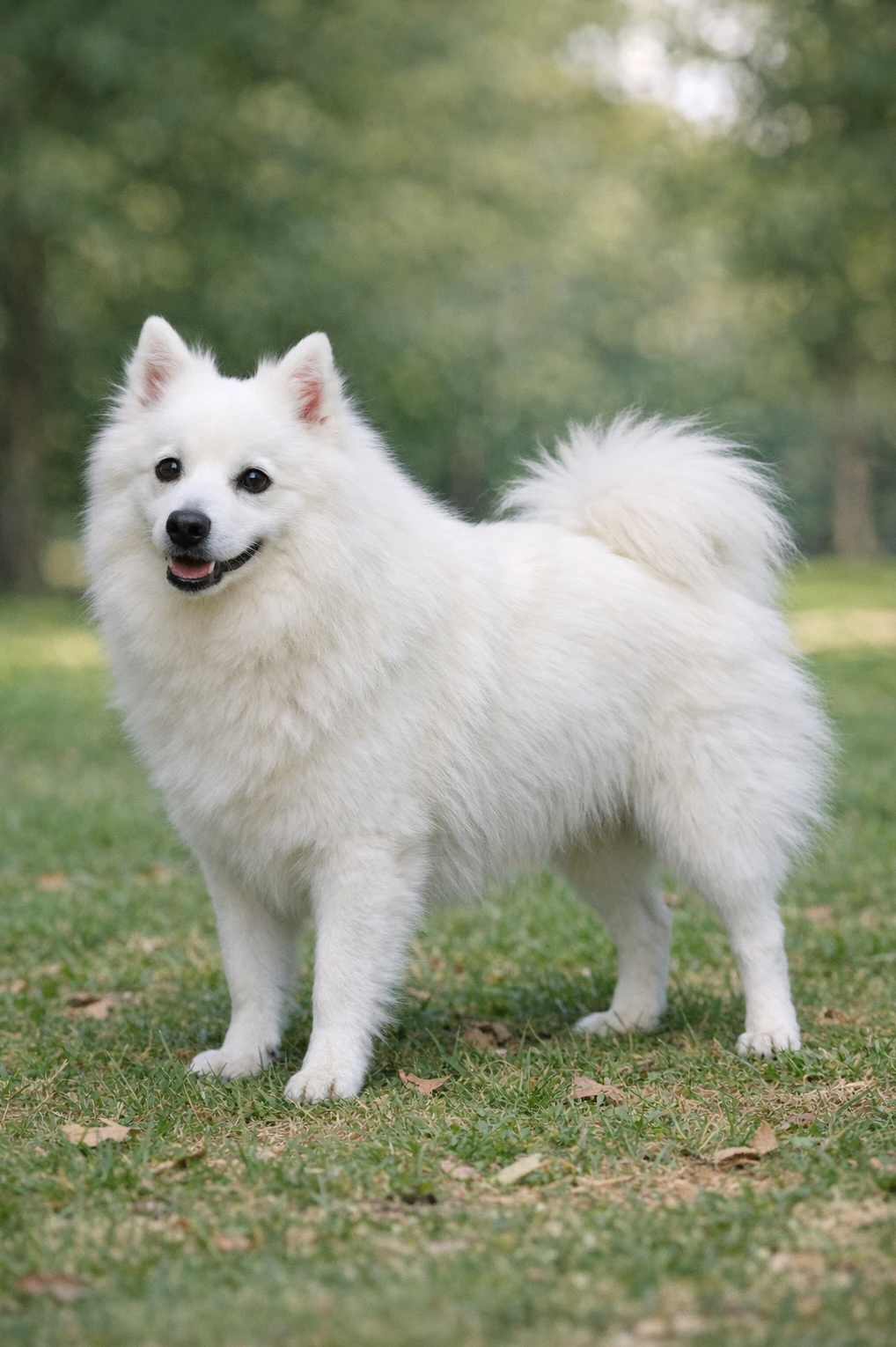
Best Dog Food for Thai Bangkaew in 2026Based on Nutritional Science
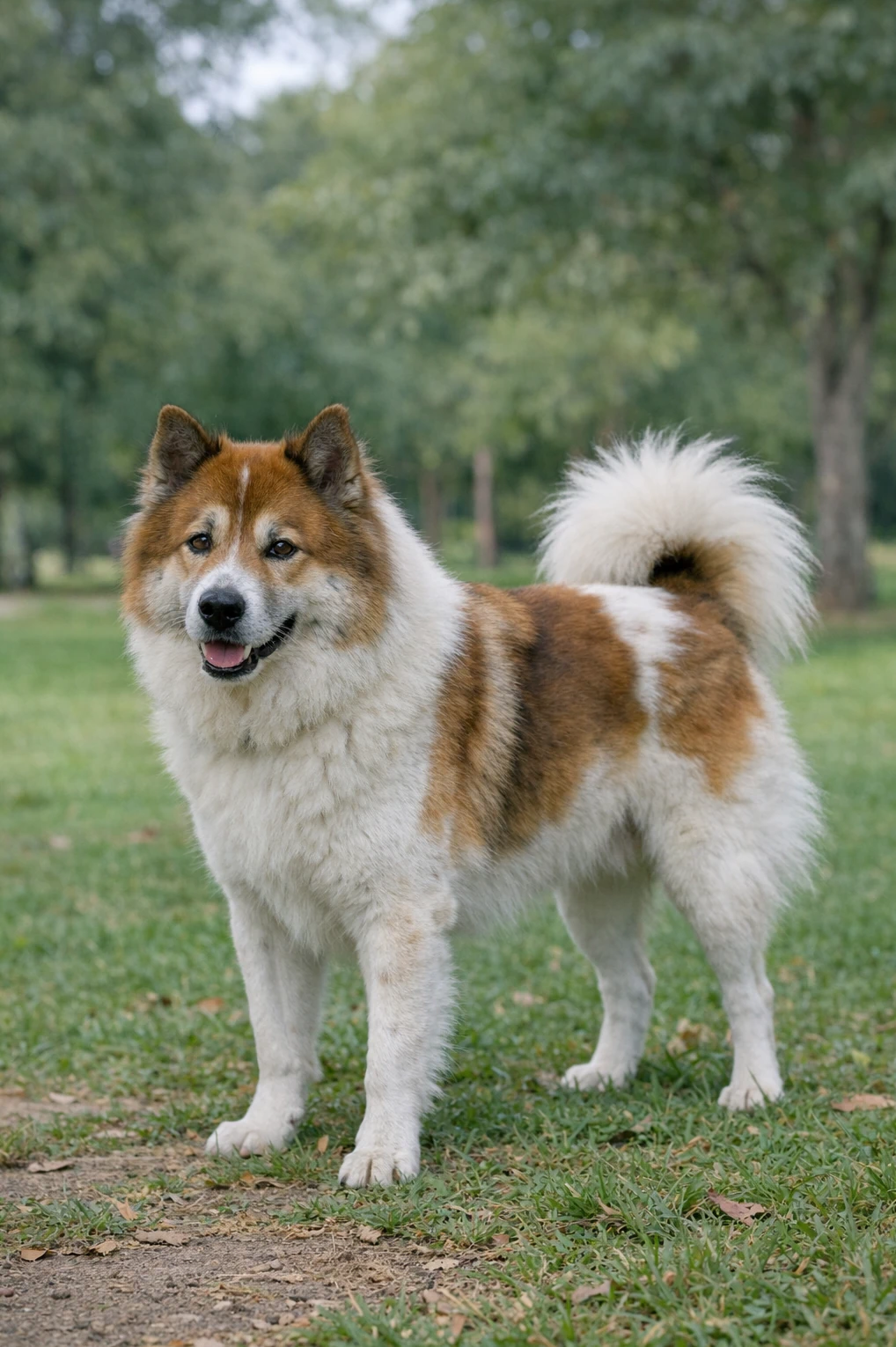
Thai Bangkaew males stand about 18 to 21 inches and weigh roughly 40 to 43 pounds. Devoted, watchful and bright companion. Nutritional Verdict: needs high-quality protein, moderate fat, and portion control for lean muscle.
Understanding the Thai Bangkaew Metabolism and Energy Needs
As a guardian-type dog with roots in Thailand, this companion combines steady devotion, sharp awareness, and quick learning. Those qualities mean its diet should support both physical stamina and a lively mind.
Higher quality animal protein is essential to preserve lean muscle, especially for an energetic, active frame. Healthy fats supply concentrated fuel and support a glossy coat and brain health, so including fish oil rich in omega-3s helps focus and calm. Carbohydrates should come from whole sources, giving slow-release energy for patrols or play without spikes.
Micronutrients matter too, B vitamins and antioxidants help nerve function and recovery after training. For long-term soundness, consider joint support like glucosamine and monitor calories to keep a trim, agile body.
Managing Thai Bangkaew Genetic Health Risks Through Nutrition
Early-onset Eye Conditions (PRA and other retinal issues)
Helpful nutrients
Hip Dysplasia
Helpful nutrients
Thai Bangkaew Feeding & Calorie Calculator
Estimated Daily Calories
Tip: Start with this amount and adjust after 2–3 weeks based on your dog's body condition and weight trend.
This estimate provides a starting point for feeding. Individual calorie needs may vary depending on metabolism, body condition, and health status. Always monitor your dog's weight and consult your veterinarian when adjusting diet.
Foods and Ingredients to Avoid for Thai Bangkaew Dogs
Because Thai Bangkaew are a medium, active breed around 40 to 43 pounds, keeping body weight in a healthy range helps protect their joints and overall longevity.
High-fat human foods and fatty table scraps can lead to rapid weight gain and raise the risk of pancreatitis, which is painful and can require urgent treatment.
Stick to lean protein and measured meals, and avoid sharing fried or rich foods that can quickly add excess calories and stress hips that may already be at risk.
Overfeeding during puppyhood or feeding calorie-dense adult diets can encourage overly fast growth and extra body weight, both of which strain developing joints.
Even though hip dysplasia is not common in the breed, a few instances have been noted, so helping bones and joints develop evenly is wise.
Choose age-appropriate rations, monitor body condition, and avoid high-calorie treats to reduce pressure on hips and maintain long-term mobility.
Liver and high-dose vitamin supplements can seem helpful, but too much vitamin A causes bone and joint problems and can upset organ function.
For a long-lived breed like the Thai Bangkaew, chronic excesses may contribute to stiffness or skeletal issues that could compound hip concerns if they arise.
Only use supplements when a veterinarian recommends them and avoid regular large portions of liver or concentrated vitamin products without guidance.
Raw meat diets carry higher risks of bacterial and parasitic infections that can make any dog sick, and when health testing is not routine in the breed's country of origin, undiagnosed issues can make infections harder to manage.
Illness from contaminated food can be severe, especially in dogs that are stressed or older.
If you prefer raw feeding, work with a veterinary nutritionist to ensure food safety and balanced nutrient profiles, rather than relying on homemade raw mixes.
Many Thai Bangkaew seem generally healthy, but artificial preservatives, colors and flavorings can trigger digestive upset or skin sensitivities in some dogs.
Long-lived breeds benefit from cleaner ingredient lists that reduce the chance of chronic irritation and keep coat and skin in good condition.
Opting for foods preserved naturally and avoiding unnecessary additives helps reduce allergy risk and supports steady digestion over a long life.
Common human foods like onions, garlic, grapes and raisins, chocolate, xylitol-sweetened products and macadamia nuts are toxic to dogs and should never be offered.
Because a medium-sized Thai Bangkaew has less body mass than a large breed, even small amounts can cause serious problems such as anemia, kidney failure or hypoglycemia.
Keep these foods well out of reach and teach family and guests not to feed table treats, so your dog stays safe and healthy.
How Nutritional Needs Change Throughout the Thai Bangkaew Life Stages
Like people, dogs need different nutrition at each life stage, and the Thai Bangkaew is no exception. Puppyhood, adulthood, and senior years each bring changing energy, growth, and health needs, shaped by the breed's growth rate, activity level, and common health tendencies such as early eye conditions and occasional hip concerns. Planning meals to match these stages helps this loyal, alert companion thrive.
| Life Stage | Age Range | Primary Objective | Key Nutrient Focus |
|---|---|---|---|
| Puppy | 0–12 months | controlled skeletal development, immune support, brain development | DHA, balanced calcium/phosphorus, high-quality protein |
| Adult | 1–7 years | lean muscle maintenance and sustained energy | high-quality protein, omega-3 fatty acids, fiber |
| Senior | 7+ years | joint mobility, metabolic health, and cognitive support | glucosamine, chondroitin, antioxidants, lower calories |
Thai Bangkaew puppies grow at a moderate pace for a medium breed, with steady skeletal and muscular development during their first year. Because a few cases of hip dysplasia have been noted, it helps to manage growth with appropriate calories so bones and joints are not overstressed. Their intelligence and alertness mean they are active, so balanced energy supports play and learning.
Feed puppies three to four small meals a day until about six months, then transition to two meals as they approach adulthood. Important nutrients include high quality animal protein, a careful calcium to phosphorus balance for bone growth, DHA for brain and eye development, and antioxidants to support eye health given the breed's predisposition to early-onset eye conditions like PRA. Regular veterinary checks will help tailor amounts and monitor growth.
As adults, Thai Bangkaews need a diet that preserves lean muscle and meets steady energy needs for an alert, active lifestyle. Prioritize high quality protein to maintain muscle mass, and moderate healthy fats for sustained energy without excess calories. Because this is a medium sized breed, portion control helps keep them fit while avoiding underfeeding.
A balanced adult diet should also include joint-supporting nutrients and omega-3 fatty acids to help protect hips and eyes over time, especially given the breed's occasional hip issues and risk of eye conditions. Feeding twice a day with measured portions supports consistent energy, and lifestyle factors like daily exercise or working activity should guide calorie adjustments.
Senior Thai Bangkaews often have a slower metabolism, reduced activity, and sometimes stiffer joints, so calories may need to be adjusted to maintain a healthy weight. Digestion can become less efficient with age, so choose highly digestible proteins and moderate fiber to support gut health. Continue monitoring eye health closely because early-onset conditions like PRA can progress with age.
Support mobility with omega-3 fatty acids, glucosamine and chondroitin, and include antioxidant-rich ingredients to protect cells and eye tissues. If dental changes or decreased appetite occur, consider softer textures or more frequent small meals to ensure adequate intake. Work with your veterinarian to set calorie targets, watch body condition, and tailor supplements for any joint or eye concerns.
Kibble vs Fresh vs Raw for Thai Bangkaew
Different feeding models suit different lifestyles and energy needs, especially for loyal, alert, and intelligent breeds like the Thai Bangkaew.
Choosing between kibble, fresh cooked, or raw depends on activity level, budget, and specific health concerns.
Pros
- Convenient and easy to portion for busy owners.
- Consistent nutrition helps maintain stable weight in active medium-sized dogs.
- Many formulas include joint-supporting nutrients for medium breeds.
- Dry texture can help reduce tartar buildup.
Cons
- Lower moisture content may require added water for hydration.
- Some formulas lack targeted nutrients for early-onset eye conditions.
- High-calorie kibble can lead to weight gain without careful portions.
- Ingredient quality varies, so labels need close scrutiny.
Pros
- High moisture content supports hydration and kidney health.
- Custom recipes allow focus on eye-supporting nutrients and lean protein.
- Often highly palatable for picky or sensitive eaters.
- Easier to adjust calories for an active or aging Thai Bangkaew.
Cons
- Requires careful planning to ensure complete vitamin and mineral balance.
- Time-consuming and more expensive than commercial kibble.
- Improper recipes can unintentionally cause nutrient deficiencies.
- Needs refrigeration and safe handling to prevent spoilage.
Pros
- High-protein focus suits active, alert dogs' energy needs.
- Many owners report shinier coats and increased vitality.
- Minimal processing preserves whole-food nutrients.
- Can be tailored for joint and eye health with proper supplements.
Cons
- Risk of bacterial contamination demands strict hygiene and careful handling.
- Whole bones can be hazardous for medium breeds without supervision.
- Balancing vitamins and minerals requires veterinary or nutritional guidance.
- May be impractical for busy households or multi-dog families.
| Diet Type | Pros for Thai Bangkaew | Potential Downsides |
|---|---|---|
| High-Quality Kibble |
|
|
| Fresh Cooked Food |
|
|
| Raw Diet (BARF) |
|
|
Our Recommendation
For most Thai Bangkaew owners, a high-quality kibble with targeted supplements or occasional fresh toppers balances convenience and tailored nutrition.
Active families who can commit to careful meal planning may prefer fresh cooked or a well-managed raw approach, but always consult your veterinarian about eye and joint concerns.
See Also
Breeds with similar group, size, and coat characteristics