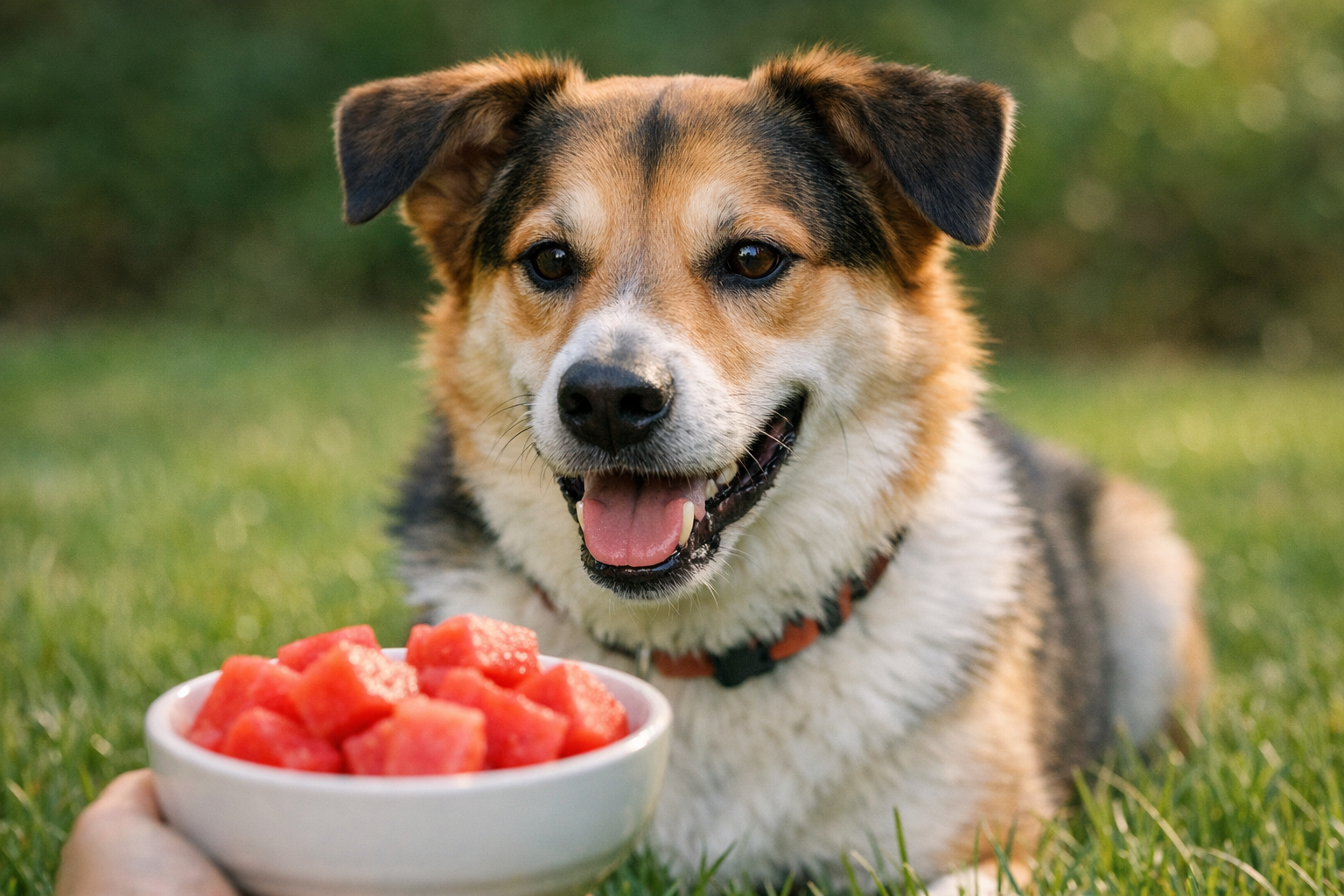
Is Kirkland Dog Food Good? Honest Review
Is Kirkland dog food good for your dog? Get a clear, practical review of ingredients, value, recalls, and which dogs do best on it.
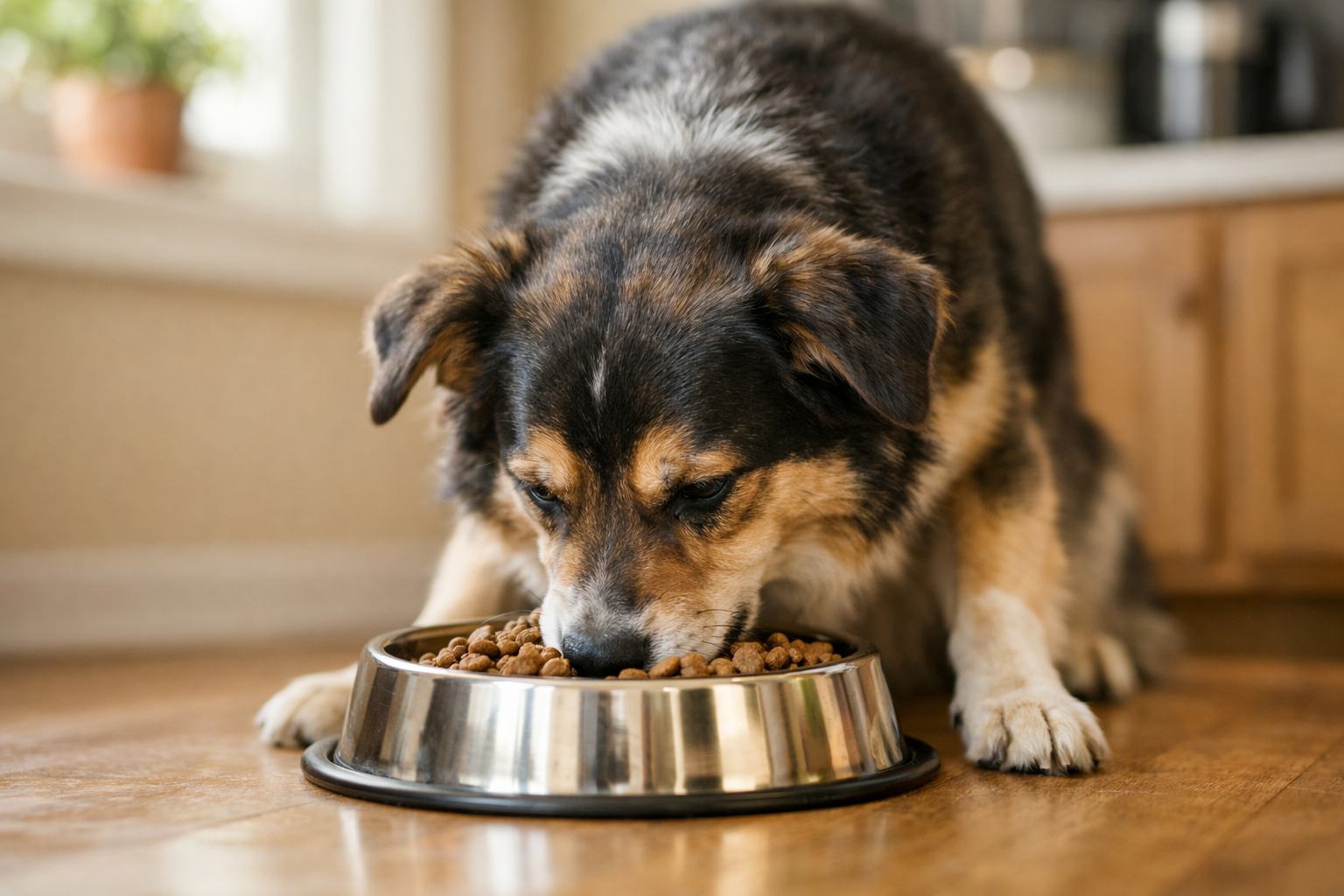
If you want the short answer, yes, Kirkland dog food is good for a lot of dogs. It is not the best food on the market, and it is not the worst by a mile. It sits in the middle ground where many real owners shop, decent ingredients, reasonable nutrition, and a price that does not make you wince at checkout.
That said, “good” depends on your dog, not the bag. A healthy adult dog with a normal stomach may do very well on Kirkland. A dog with pancreatitis, chronic skin trouble, kidney disease, or a true food allergy may need something more specific.
What Kirkland usually gets right
Kirkland dog food is Costco’s house brand, and most owners are looking at it for one reason first, value. That matters. A food does not help much if it is so expensive that you keep switching brands every month.
In general, Kirkland formulas are better than many bargain foods you see stacked in grocery store aisles. You will usually find named animal proteins, reasonable protein levels, and recipes formulated for different life stages and activity levels.
Most formulas also meet AAFCO nutrient profiles, which is the baseline you want to see. That does not make a food perfect, but it tells you the recipe is built to meet basic nutritional standards.
Another plus is that many dogs simply do fine on it. Their coat stays decent, stools stay formed, and weight stays stable. For a lot of households, that is the real test.
Who makes Kirkland dog food
Kirkland pet food is made by Diamond Pet Foods for Costco. Some owners hear that and immediately feel better or worse, depending on their opinion of Diamond.
My take is simpler. It is not a mystery food from nowhere, which is good. But it is also not a small, highly transparent veterinary nutrition brand with a huge research footprint.
That matters if you care a lot about feeding trials, formulation transparency, and specialist oversight. For some dogs, especially those with medical issues, that extra level of confidence is worth paying for.
The biggest strengths, price and decent ingredient profiles
Kirkland tends to make the most sense for healthy dogs whose owners want a solid food without spending premium-brand money. If your dog does well on chicken and rice, lamb and rice, or salmon-based recipes, there is a fair chance one of the Kirkland formulas will fit.
I also like that the brand offers grain-inclusive options. For most dogs, I lean grain-inclusive unless there is a clear reason not to. Grain-free is not automatically better, despite the marketing noise around it.
Calorie density is another practical point. Some Kirkland foods are fairly calorie-dense, which helps active dogs eat enough without huge meal volumes. It also means easy weight gain if you scoop casually and your dog is more couch than trail run.
Where Kirkland can fall short
The first issue is that Kirkland is still an over-the-counter food line, not a medical nutrition line. If your dog needs a tightly controlled diet for urinary disease, kidney trouble, severe GI issues, or confirmed allergies, this is usually not where I would start.
The second issue is recipe variability. One Kirkland formula may suit your dog beautifully, while another causes itchy ears, loose stool, or weight gain. Owners sometimes say a brand is good or bad as a whole, but dogs do not eat a brand. They eat one specific recipe.
Another concern is the grain-free segment. Some grain-free foods across the industry have raised concern because of heavy reliance on peas, lentils, and similar ingredients during the period when diet-associated dilated cardiomyopathy was being investigated. That does not mean every grain-free Kirkland formula is dangerous. It does mean I would not pick grain-free just because it sounds cleaner.
Then there is recall history. Diamond and foods made in large systems have had recalls over the years. I do not think a past recall automatically means a food is bad forever, because recalls can also show a company is testing and catching problems. Still, you should check current recall information before buying any food, especially if your dog is very young, very old, or medically fragile.
Which dogs often do well on Kirkland
Healthy adult dogs with no major digestive or skin problems are the easiest match. If your dog has eaten a few mainstream foods without drama, Kirkland is very likely worth a try.
Active dogs often do well, especially if they need a bit more protein and calories. A sporting breed like an English Setter may handle a calorie-dense adult formula better than a sedentary indoor dog who only does two short walks a day.
Lean, busy dogs can also do fine on it when the portion size is dialed in. Breeds with a lighter build, like an Alaskan Klee Kai or a Portuguese Podengo, may benefit from careful monitoring because they can be either easy keepers or surprisingly high energy depending on the individual dog.
Small dogs are where I tell owners to look at the kibble size before anything else. Some tiny dogs can eat regular kibble, but others struggle with it or simply hate the texture. If you live with an English Toy Spaniel or a Toy Poodle, check that the pieces are actually manageable and not just technically edible.
Which dogs may need something else
If your dog has a true food allergy, especially one diagnosed through a strict elimination trial, Kirkland is usually not my first recommendation. Many over-the-counter foods have ingredient overlap, and labels do not tell the whole story about cross-contact risk.
Dogs with repeated pancreatitis episodes often need lower-fat diets than a standard maintenance food provides. You need numbers, not guesses. That is a situation where your vet should guide the choice.
Dogs with chronic loose stool, frequent vomiting, or unexplained weight loss also need more than a casual food swap. I have seen owners spend months blaming one brand after another when the dog actually had inflammatory bowel disease, parasites, or a pancreatic issue.
If your dog is itchy year-round, licking paws, getting ear infections, and scratching at night, food may be part of it, but not always. Environmental allergies are common, and switching to Kirkland salmon will not magically fix pollen.
How to judge a specific Kirkland recipe
Ignore the front of the bag for a minute. Turn it over.
Look first for the life stage statement. Puppy foods should be formulated for growth. Large-breed puppies need even more care, because the wrong calcium balance can matter a lot during development.
Then check the calorie content. Owners often compare protein and fat percentages but skip calories, and that is where weight gain sneaks in.
Next, look at your dog. A food is working when your dog keeps a healthy weight, has consistent stool, normal energy, and skin that is not turning flaky or greasy. If the poop is a mess for two weeks, the food is not a good match, even if the ingredient list looks nice online.
Named proteins are a plus, but ingredient lists are not the whole story. Chicken meal is not automatically bad. In fact, a well-made food with chicken meal can be more nutritionally useful than a flashy recipe that leads with fresh meat and then pads the rest with legumes.
Grain-inclusive or grain-free?
For most dogs, I would start with grain-inclusive Kirkland rather than grain-free. Rice, oats, and similar grains are not the enemy for the average dog.
Grain-free can make sense in select cases, but it is often overbought. A lot of owners mean “my dog seems sensitive” when what they really mean is “my dog has had soft stool twice.” Those are not the same thing.
If your vet has given you a clear reason to avoid grains, follow that advice. If not, a grain-inclusive formula is usually the more sensible first pick.
How to switch to Kirkland without upsetting your dog’s stomach
Do not change foods overnight unless your vet tells you to. Most dogs need at least 5 to 7 days, and touchy stomachs may need 10 days or more.
Start with about 25 percent Kirkland and 75 percent old food for a few days. Then go to half and half, then 75 percent new, then fully new if stools stay normal.
A little softness during transition can happen. Repeated vomiting, significant diarrhea, blood in the stool, or your dog refusing food is different. That usually means stop the experiment and call your vet.
If your dog gets mildly loose stool during the switch, some owners use plain pumpkin. If you want exact amounts, this guide on pumpkin for dogs is worth bookmarking.
And if you have a mixed-pet household, manage feeding areas carefully. Dog food changes can make some dogs extra interested in the cat’s bowl, which is one more reason routines matter. If you are setting up a home with both pets, this piece on introducing a kitten safely has practical tips on feeding zones and supervision.
Is Kirkland good for puppies?
Sometimes, yes. You just need to check the exact formula.
For a normal puppy with no medical issues, a Kirkland formula made for growth can be a reasonable budget option. For giant-breed puppies, I would be more careful and make sure the food is specifically appropriate for large-breed growth, not just “all life stages” in a vague sense.
Puppies are less forgiving than healthy adults. If growth looks odd, stools stay loose, or your pup seems pot-bellied or poor-coated, do not wait months hoping it sorts itself out.
Is Kirkland better than premium brands?
Usually not, if you are talking about brands with deeper research, stronger transparency, and more veterinary nutrition backing. But “better” gets messy fast.
If a premium food is ideal on paper but blows your budget so badly that you underfeed, over-stretch bags, or bounce between brands, it is not better in real life. A well-tolerated mid-priced food fed consistently is often the smarter choice.
This is where I land: Kirkland is often better than cheap grocery brands, usually not as reassuring as the top research-heavy brands, and completely acceptable for many healthy dogs.
My honest bottom line
So, is Kirkland dog food good? Yes, for many healthy dogs it is a good, practical food.
It has solid value, decent nutrition, and enough variety to work for a lot of households. But it is not a universal yes. Some dogs need smaller kibble, lower fat, stricter ingredient control, or a prescription diet.
If you want the safest default, I would start with a grain-inclusive Kirkland formula, transition slowly, and watch your actual dog rather than internet arguments. Good stool, steady weight, good energy, and comfortable skin tell you more than the label hype ever will.
And if your dog has a medical condition, repeated digestive trouble, or suspected food allergies, skip the guessing game. That is vet territory, not warehouse-store trial and error.