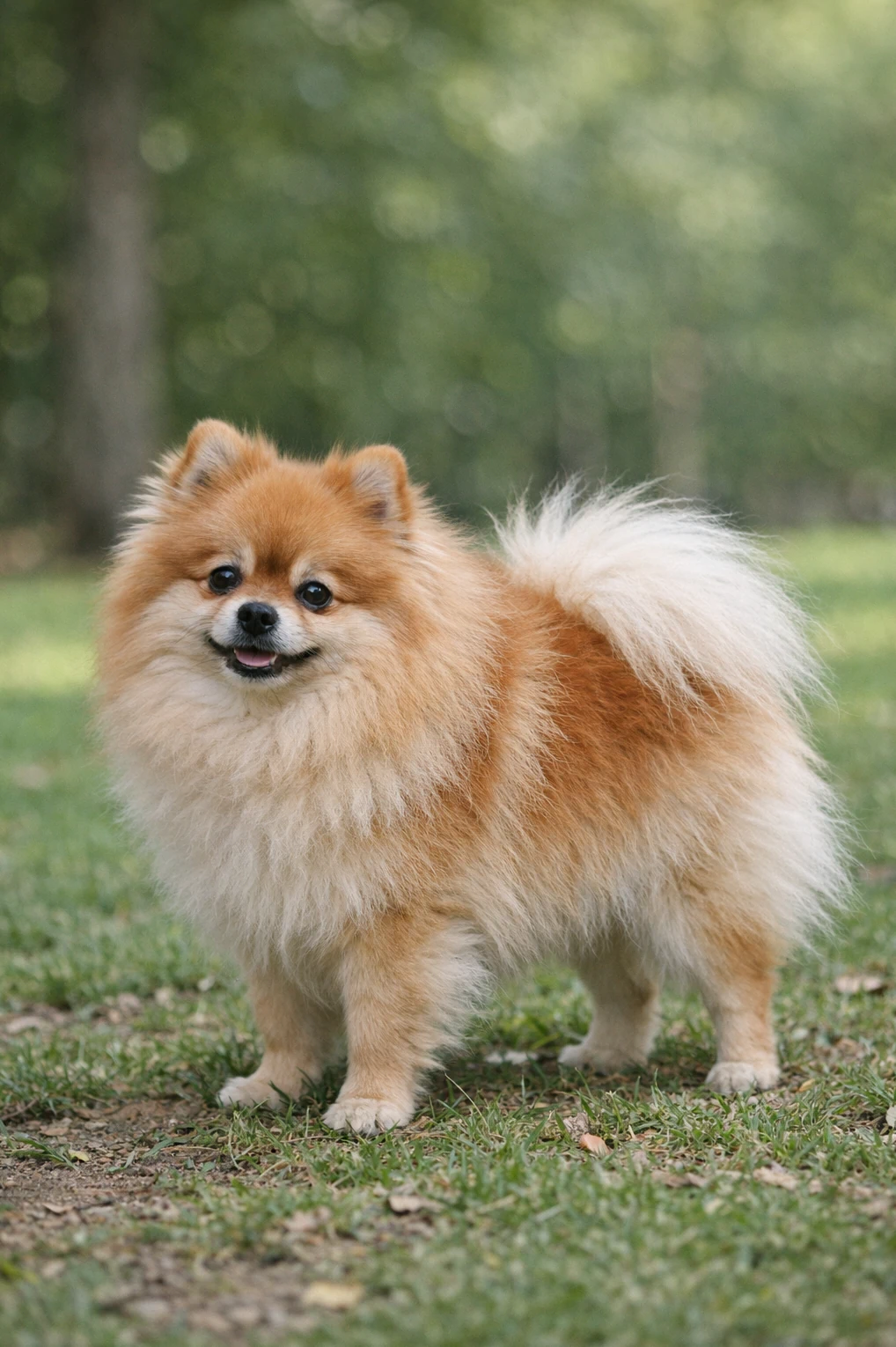
Best Dog Food for Poodle (Toy) in 2026Based on Nutritional Science
Toy Poodle: under 10 inches and 4 to 6 pounds, a bright, sprightly, and self-assured little companion. Nutritional Verdict: needs small, nutrient-rich meals to fuel play, maintain muscle, and a glossy coat.

Understanding the Poodle (Toy) Metabolism and Energy Needs
As a small companion bred from water-working ancestors, this little dog combines quick thinking with lively movement and a poised manner. Those characteristics call for a diet that supports both mental alertness and a fast metabolism.
Lean tissue is a priority, so higher-quality protein from poultry or fish helps preserve the muscles used in short energetic bursts. Moderate fat provides dense calories and nourishes a shiny coat, while fish oil supplies omega-3 fatty acids that aid cognition and focus. Gentle, slow-release carbohydrates like sweet potato offer steady energy without blood sugar swings, and probiotics plus balanced minerals support digestion and dental integrity.
With a tiny stomach, meals should be calorie-dense and portioned into two or three servings daily. Thoughtful additions such as joint-support nutrients and antioxidants help keep this compact companion nimble and mentally sharp over the years.
Managing Poodle (Toy) Genetic Health Risks Through Nutrition
Hip Dysplasia
Helpful nutrients
Eye Disorders
Helpful nutrients
Idiopathic Epilepsy
Helpful nutrients
Sebaceous Adenitis (skin and coat issues)
Helpful nutrients
von Willebrand's Disease (bleeding disorder)
Helpful nutrients
Immune-mediated Disorders
Helpful nutrients
Legg-Calve-Perthes
Helpful nutrients
Luxating Patellas
Helpful nutrients
Obesity / Overweight
Helpful nutrients
Poodle (Toy) Feeding & Calorie Calculator
Estimated Daily Calories
Tip: Start with this amount and adjust after 2–3 weeks based on your dog's body condition and weight trend.
This estimate provides a starting point for feeding. Individual calorie needs may vary depending on metabolism, body condition, and health status. Always monitor your dog's weight and consult your veterinarian when adjusting diet.
Foods and Ingredients to Avoid for Poodle (Toy) Dogs
Toy Poodles are tiny dogs with fast metabolisms, but they are also prone to obesity and pancreatitis, so high-fat foods and fatty table scraps are risky.
Excess fat can quickly lead to weight gain, which puts extra stress on tiny joints and can worsen conditions like luxating patella or hip problems.
Keep treats lean and calorie-controlled, and avoid rich human meals and fried snacks to help your poodle stay at a healthy weight and active for years.
Cooked bones splinter easily and can cause choking, mouth or intestinal injuries, and dangerous blockages, which is especially worrying for a 4 to 6 pound dog with a small throat.
Large chewables or hard bones can also crack teeth and are difficult for a toy poodle to manage safely.
Opt for appropriately sized, vet-approved chews and avoid giving any cooked bones or large bones from the table to reduce emergency trips to the vet.
Xylitol, commonly found in sugar-free gum, candies, some peanut butters, and baked goods, causes rapid and severe hypoglycemia and can lead to liver failure in dogs.
For a tiny toy poodle, the toxic dose can be extremely small, so accidental exposure is more likely to be dangerous than in larger breeds.
Always check labels on human foods and keep any sugar-free products well out of reach, and tell family and guests about this hidden hazard.
Onions, garlic, leeks, and chives can damage red blood cells and cause hemolytic anemia in dogs, and even small amounts over time can be harmful.
Because toy poodles can occasionally have immune-mediated issues or clotting concerns like von Willebrand's disease, anything that stresses the blood system should be avoided.
Do not feed any foods seasoned with these ingredients and be cautious with mixed dishes that may contain hidden alliums.
Some grain-free diets that rely heavily on peas, lentils, or chickpeas have been linked to a form of heart disease called dilated cardiomyopathy in dogs.
Small breeds like toy poodles need nutrient-dense, balanced food, and relying on unconventional ingredient swaps can unbalance key nutrients important for heart health.
Choose diets formulated to meet AAFCO standards and discuss any grain-free or boutique recipe with your veterinarian, especially if you notice exercise intolerance or coughing.
Puppy formulas and supplements designed for large breeds often contain extra calcium and minerals that can lead to improper bone growth in small breed pups.
Toy poodles are already at risk for orthopedic issues like luxating patella and Legg-Calve-Perthes, so overloading on calcium or using adult-large-breed growth diets can increase that risk.
Use a puppy diet made for small breeds and check supplements with your vet to support steady, healthy development without overdoing minerals.
How Nutritional Needs Change Throughout the Poodle (Toy) Life Stages
Toy Poodles have changing nutritional needs as they move from puppyhood to adulthood and into their senior years. Their small size, quick growth, lively activity level, and breed-specific health tendencies all influence calorie needs, protein and mineral balance, and feeding patterns. Tailoring food to each life stage helps support healthy growth, durable joints, a glossy coat, and long-term wellbeing.
| Life Stage | Age Range | Primary Objective | Key Nutrient Focus |
|---|---|---|---|
| Puppy | 0–10 months | controlled skeletal development, immune support, brain development | DHA, balanced calcium/phosphorus, high-quality protein |
| Adult | 10 months–8 years | lean muscle maintenance and sustained energy | high-quality protein, omega-3 fatty acids, fiber |
| Senior | 8+ years | joint mobility, metabolic health, and cognitive support | glucosamine, chondroitin, antioxidants, lower calories |
Toy Poodle puppies grow quickly and reach adult size much sooner than larger breeds, so feeding should support steady, controlled development rather than overly rapid weight gain. Their tiny bodies need concentrated nutrition to fuel brain growth and agility while protecting delicate joints like the hip and knee.
Choose a puppy diet formulated for small breeds, offering high quality protein for muscle and DHA for brain and vision. Pay attention to calcium and phosphorus balance to support proper skeletal development, because Toy Poodles can be prone to orthopedic concerns such as luxating patella and Legg-Calve-Perthes. Feed smaller, frequent meals, typically three to four times a day, to match their fast metabolism and small stomachs. Monitor weight closely and talk with your vet about growth rate and any breed-specific health screenings.
Adult Toy Poodles need a balanced diet that maintains lean muscle and steady energy for their intelligent, agile nature. A diet with adequate, high quality protein supports muscle mass, while moderate fat provides the concentrated energy a small, active dog needs. Healthy fats also help keep the curly coat glossy and skin supple.
Portion control is important because excess calories stress small joints and can worsen conditions like luxating patella. Include digestible carbohydrates for energy and antioxidants for eye and immune health, given the breed’s predisposition to certain eye disorders and immune-mediated issues. Lifestyle factors such as daily walks, play, and mental enrichment influence calorie needs, so adjust feeding amounts for a less active lap companion or a highly active show or sport dog.
As Toy Poodles age, metabolism often slows and mobility may decline, so calorie needs commonly decrease even as protein needs remain important to preserve muscle. Senior diets should be easier to digest and richer in high quality, highly digestible protein, with a little fewer calories to prevent weight gain that would strain knees and hips.
Support joint health with omega-3 fatty acids and joint supplements like glucosamine and chondroitin when recommended by your vet, since small breeds can develop patella issues and other orthopedic changes. Add antioxidants to support eye health and immune function, and consider softer or moistened food if dental wear or chewing difficulty occurs. If your poodle has a history of epilepsy or immune conditions, make dietary changes slowly and consult your veterinarian to avoid interactions with medications and to tailor nutrient support safely.
Kibble vs Fresh vs Raw for Poodle (Toy)
Different feeding models suit different lifestyles, activity levels, and health needs.
For an intelligent, tiny Toy Poodle, size of kibble, calorie control, dental care, and any breed-specific health concerns should guide your choice.
Pros
- Convenient and easy to portion for busy owners.
- Small kibble varieties suit tiny jaws and encourage proper chewing.
- Fortified with vitamins and minerals for balanced nutrition.
- Consistent calories help maintain stable weight in small dogs.
Cons
- Can be calorie-dense, increasing obesity risk in inactive pups.
- Some formulas include fillers that offer little nutrition.
- Lower moisture content may not suit dogs prone to dehydration.
- Quality varies, so ingredient reading is essential.
Pros
- Highly palatable, great for picky toy poodles.
- High moisture supports digestion and hydration.
- Full control over protein sources and portion sizes.
- Easier to avoid specific allergens or additives.
Cons
- Requires careful planning to ensure full nutrient balance.
- More time consuming and often more expensive than kibble.
- Needs refrigeration and safe storage for small portions.
- Mistakes in recipes can lead to deficiencies over time.
Pros
- May improve coat quality and energy in some dogs.
- High protein and minimal processing appeals to some owners.
- Allows control over fresh ingredients and sourcing.
- Small portions can be tailored for tiny appetites.
Cons
- Higher infection risk without strict hygiene practices.
- Small bones can pose choking or dental hazards.
- Harder to guarantee balanced vitamins and minerals.
- Not ideal if your poodle has immune or bleeding disorders.
- Often costly and time intensive to prepare safely.
| Diet Type | Pros for Poodle (Toy) | Potential Downsides |
|---|---|---|
| High-Quality Kibble |
|
|
| Fresh Cooked Food |
|
|
| Raw Diet (BARF) |
|
|
Our Recommendation
For most Toy Poodles, a high-quality kibble made for small breeds is a practical, balanced choice that supports dental and weight management.
Fresh cooked food works well if you can ensure complete nutrition, while raw diets carry more hygiene and bone risks, especially for dogs with immune or bleeding tendencies.
See Also
Breeds with similar group, size, and coat characteristics