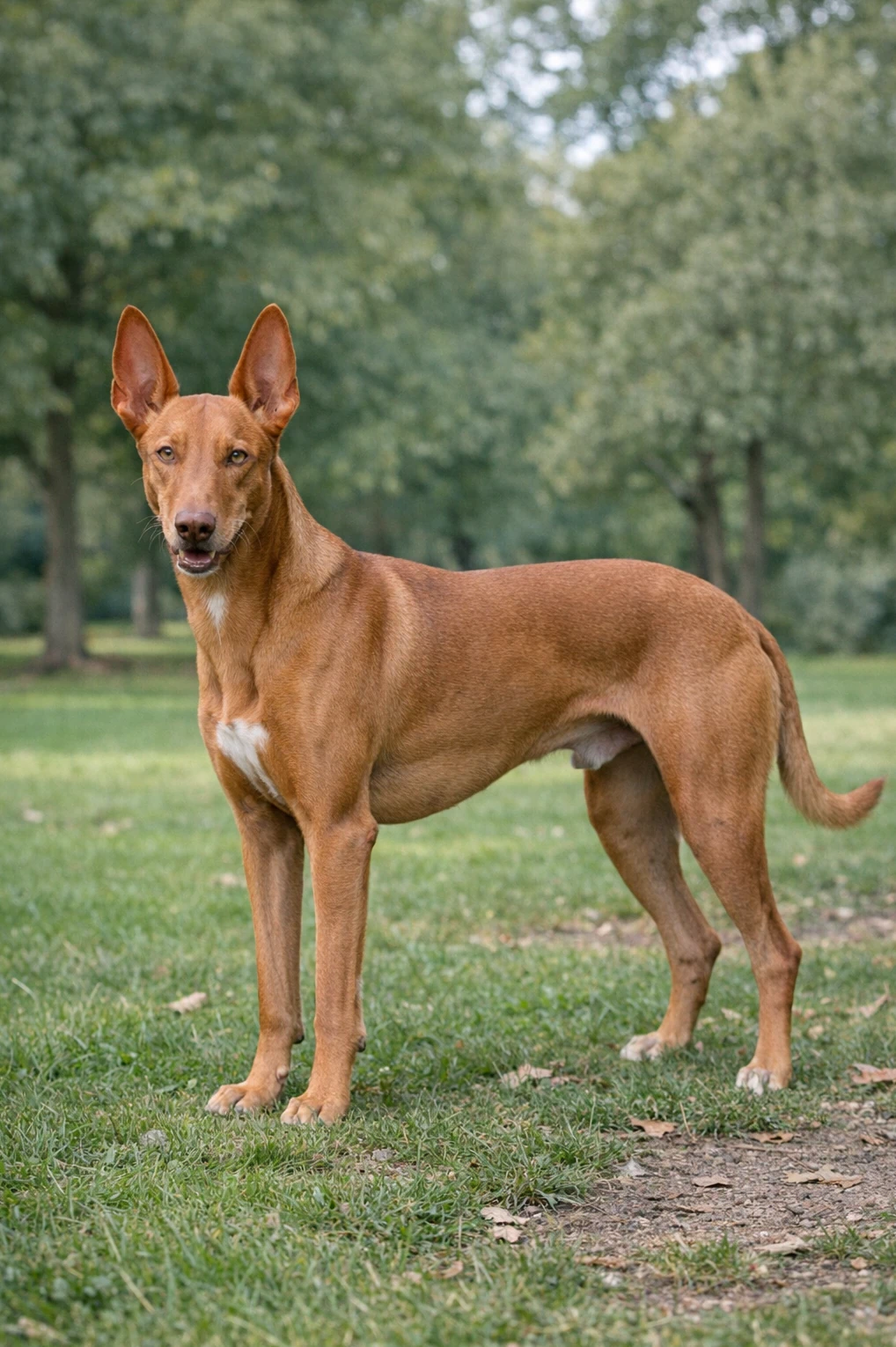
Best Dog Food for Treeing Walker Coonhound in 2026Based on Nutritional Science
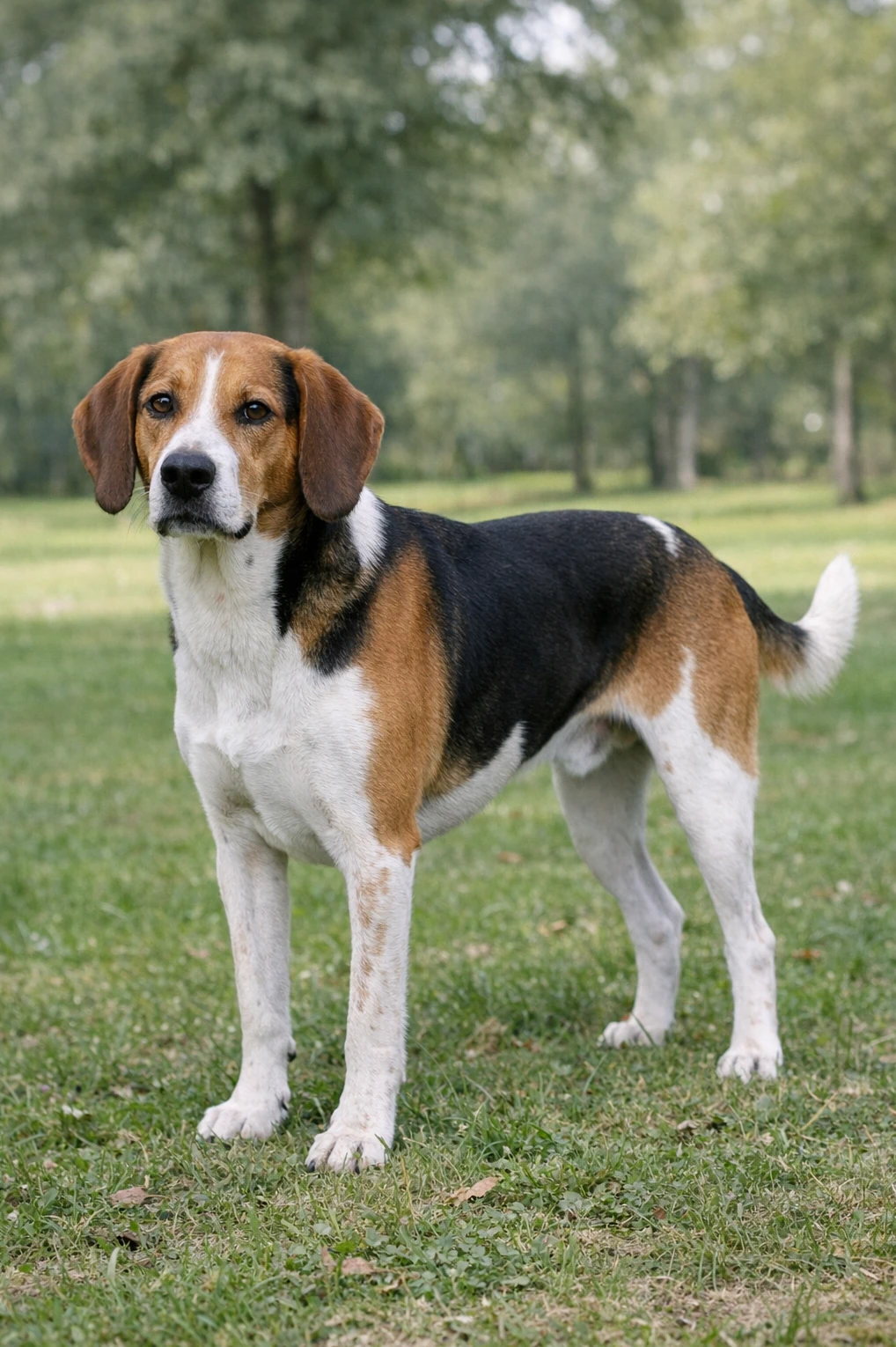
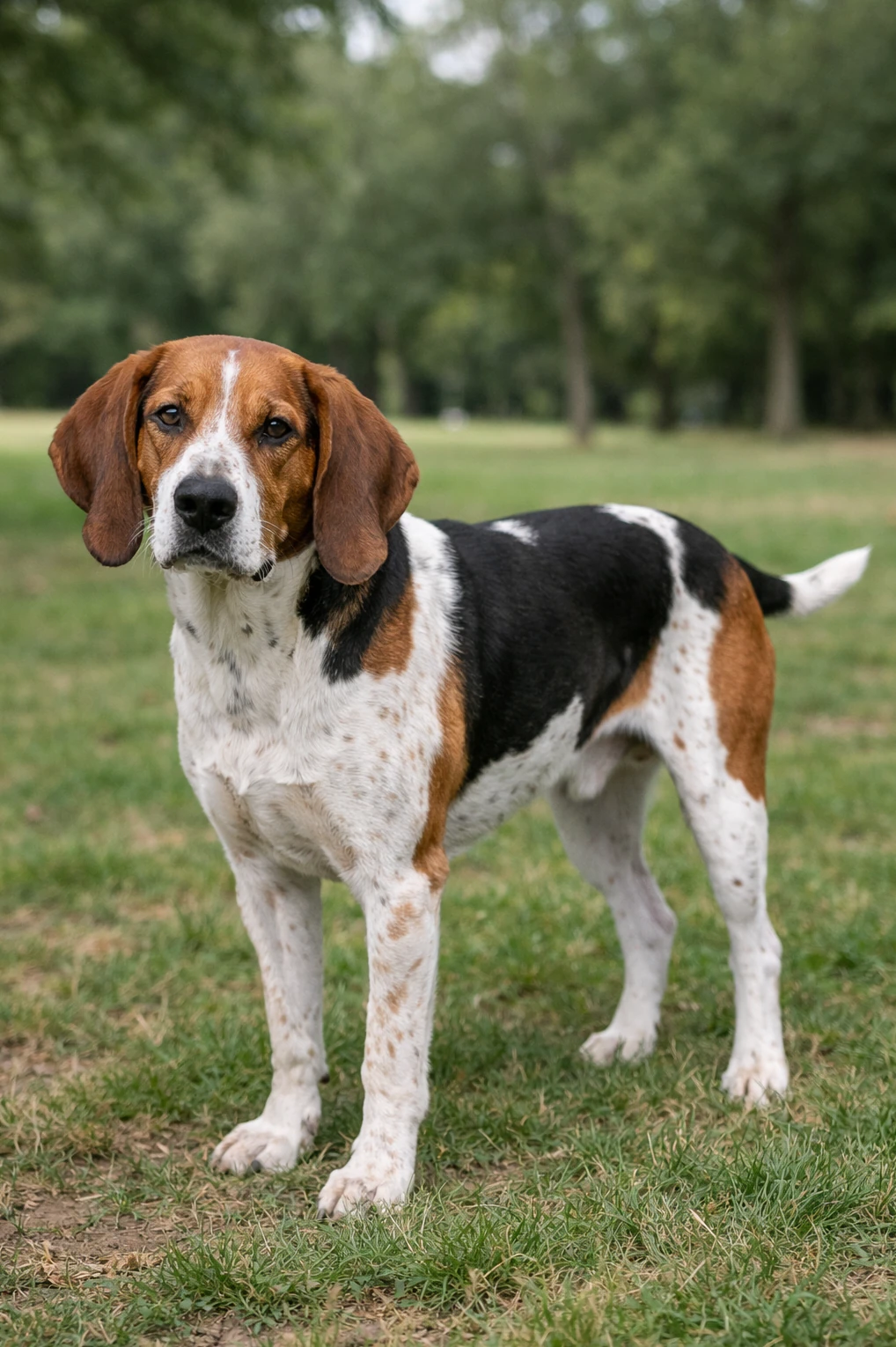
Males reach 22 to 27 inches and typically weigh 50 to 70 pounds. They are clever, daring, and polite companions.
Nutritional verdict: lean protein, measured fats, and regular meals support energy and healthy weight.
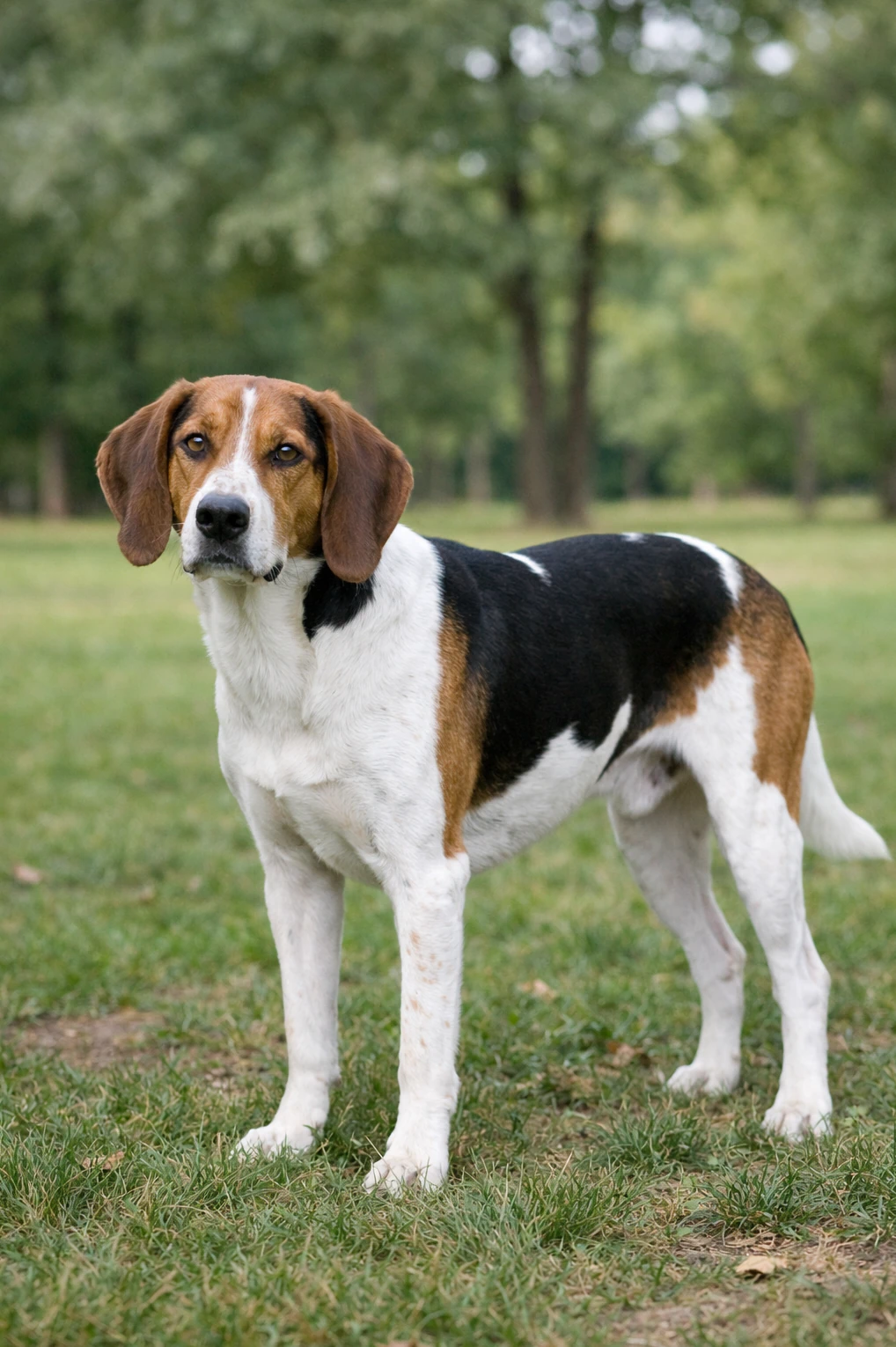
Understanding the Treeing Walker Coonhound Metabolism and Energy Needs
Bred to follow scent and tree game, the Treeing Walker Coonhound is a tireless tracker with clever problem solving and calm manners. That working background calls for calories that support long activity and steady stamina, plus nutrients that keep the nose keen and joints flexible.
Lean, digestible protein supports muscle and recovery after long outings, so choose recipes that list meat first. Fats supply slow energy and maintain skin and coat, and omega-3s from fish oil help inflammation and brain health. Moderate complex carbohydrates like sweet potato give steady fuel and fiber for digestion.
Add joint supplements such as glucosamine and chondroitin, and probiotics to help nutrient uptake. Feed sensible portions timed around activity to keep them trim and agile, which preserves tracking performance and reduces strain.
Managing Treeing Walker Coonhound Genetic Health Risks Through Nutrition
Hip Dysplasia
Helpful nutrients
Eye Anomalies
Helpful nutrients
Ear Infections and Ear Health
Helpful nutrients
Obesity / Weight Gain
Helpful nutrients
Treeing Walker Coonhound Feeding & Calorie Calculator
Estimated Daily Calories
Tip: Start with this amount and adjust after 2–3 weeks based on your dog's body condition and weight trend.
This estimate provides a starting point for feeding. Individual calorie needs may vary depending on metabolism, body condition, and health status. Always monitor your dog's weight and consult your veterinarian when adjusting diet.
Foods and Ingredients to Avoid for Treeing Walker Coonhound Dogs
Treeing Walker Coonhounds can be prone to weight gain when they are not working hard, so high-fat foods and fatty table scraps are best avoided.
Excess fat can lead to rapid weight gain and increase the risk of pancreatitis, a painful and potentially serious condition.
Keeping calories and fat in check helps protect the dog’s hips and joints, and supports steady energy without excess body weight.
This breed loves treats and training rewards, but too many high-calorie snacks can quickly push a 50 to 70 pound dog into overweight territory.
Extra pounds add stress to the hips and spine and can make long walks or playtimes harder for your hound.
Use small, low-calorie treats and account for treat calories in daily total, and check with your vet if you are unsure about portions or weight management.
Onions, garlic, leeks and chives contain compounds that can damage red blood cells in dogs, potentially causing anemia even when small amounts are consumed regularly.
Symptoms may be subtle at first, so prevention is much safer than waiting for signs to appear.
Avoid cooked or raw forms in table scraps and human meals, and be cautious with foods like gravy or sauces that can contain concentrated allium ingredients.
Grapes and raisins are toxic to some dogs and can cause sudden kidney failure, with reactions that are unpredictable and not related to breed or size.
Given a Treeing Walker’s medium to large size, a single exposure could still be dangerous, so it is best to keep these completely out of reach.
If ingestion occurs, contact your veterinarian or emergency clinic right away, as prompt treatment can make a big difference.
Xylitol, common in sugar-free gum, candies and some peanut butters, can cause rapid insulin release and life threatening hypoglycemia in dogs.
Even small amounts can lead to weakness, seizures, and liver problems, so any products containing xylitol should be avoided around your hound.
Always read labels before sharing human foods, and choose pet-safe alternatives for training treats and snacks.
As a fairly large breed, a Treeing Walker puppy needs a diet formulated for large breed growth, with controlled calcium and calorie levels to support healthy bone development.
Too much calcium or overly rich diets can contribute to joint and hip issues as the dog grows.
Work with your veterinarian to pick an age appropriate large-breed puppy food and follow feeding guidelines to help protect developing joints and long term mobility.
How Nutritional Needs Change Throughout the Treeing Walker Coonhound Life Stages
Dogs need different nutrition as they move from puppyhood to adulthood and into their senior years. Growth rate, activity level, and breed-specific health tendencies shape those needs, so a Treeing Walker Coonhound will eat differently than a less active or smaller dog. Paying attention to life stage keeps them lean, strong, and ready for the next outdoor adventure.
| Life Stage | Age Range | Primary Objective | Key Nutrient Focus |
|---|---|---|---|
| Puppy | 0–15 months | controlled skeletal development, immune support, brain development | DHA, balanced calcium/phosphorus, high-quality protein |
| Adult | 1.5–6 years | lean muscle maintenance and sustained energy | high-quality protein, omega-3 fatty acids, fiber |
| Senior | 6+ years | joint mobility, metabolic health, and cognitive support | glucosamine, chondroitin, antioxidants, lower calories |
Treeing Walker Coonhound puppies grow quickly during the first year, with steady skeletal and muscle development that benefits from a large-breed growth plan. Their bones need the right calcium to phosphorus balance to develop properly, so avoid oversized calcium or excess calories that speed growth too fast.
Feed puppies three to four small meals a day while they are growing, then gradually move to two meals as they mature. Controlled portions and quality food help prevent rapid weight gain that can stress developing hips, which breeders screen for in this breed.
Choose a puppy formula high in digestible protein and containing DHA for brain development, moderate fat for energy, and adequate vitamins and minerals. Because these hounds are active and lean, aim for nutrient-dense food that supports endurance without promoting excess weight.
Adult Treeing Walker Coonhounds are athletic scent hounds that need nutrition to support stamina and lean muscle. A diet with high-quality protein helps maintain muscle mass, while moderate fat provides the energy required for long walks or scenting work.
Aim for a balanced formula with about 18 to 26 percent protein, depending on activity, and healthy fats including omega-3s to support skin and coat. Feeding twice a day helps steady energy levels and reduces hunger-driven scavenging, which can lead to overeating.
Lifestyle matters, so adjust calories up for working dogs and down for couch companions, checking body condition monthly with your vet. Maintaining an ideal weight is one of the best ways to protect hips and joints in this active, large-breed dog.
As Treeing Walker Coonhounds enter their senior years their metabolism often slows and activity tends to decrease, which means calorie needs may drop. At the same time they still need good protein to preserve muscle, so reduce calories by adjusting portion size rather than cutting protein.
Joint health becomes more important as mobility changes, so consider foods or supplements with glucosamine, chondroitin, and omega-3 fatty acids to ease stiffness. Antioxidants and joint-supporting nutrients help overall resilience, and higher fiber can aid digestion and weight control in older dogs.
Watch dental health and food textures, since chewing can become harder and affect appetite, and keep regular vet checks for hips and eyes given the breed tendencies. Small, gradual diet changes and close monitoring of body condition will keep your senior hound comfortable and active.
Kibble vs Fresh vs Raw for Treeing Walker Coonhound
Different feeding models suit different lifestyles and activity levels. For a Treeing Walker Coonhound, diet influences energy, lean muscle, and digestive comfort during long active days.
Pros
- Convenient and easy to portion for busy owners.
- Balanced nutrition supports active energy needs and lean muscle.
- Shelf-stable, handy for travel or hunting weekends.
- Chewing action can help reduce tartar buildup.
Cons
- Lower moisture content may not fully support heavy activity hydration.
- Some formulas include fillers that add little nutrition.
- Sensitive dogs may develop gas or loose stools.
- Quality varies, so ingredient labels need careful reading.
Pros
- Highly palatable, great for picky or recovering dogs.
- High moisture supports hydration and urinary health.
- Full control over ingredient quality and protein sources.
- Often easier to digest for sensitive stomachs.
Cons
- More expensive and time consuming than kibble.
- Requires careful supplementation for vitamins and minerals.
- Needs refrigeration and consistent meal prep.
- Inconsistent recipes can create nutritional gaps without planning.
Pros
- High protein can support strong muscles and endurance.
- Some owners report improved coat shine and energy.
- Minimally processed ingredients are very palatable.
Cons
- Higher bacterial risk demands strict hygiene and handling.
- Raw bones can splinter, posing a choking hazard.
- Balancing calcium and micronutrients requires veterinary guidance.
- May be impractical for busy households or multi-pet homes.
| Diet Type | Pros for Treeing Walker Coonhound | Potential Downsides |
|---|---|---|
| High-Quality Kibble |
|
|
| Fresh Cooked Food |
|
|
| Raw Diet (BARF) |
|
|
Our Recommendation
For many Treeing Walker Coonhounds, high-quality kibble or carefully prepared fresh food works well to support activity and weight.
Raw feeding can be beneficial, but it requires strict handling and professional guidance to be safe for this active breed.
See Also
Breeds with similar group, size, and coat characteristics