Best Dog Food for Redbone Coonhound in 2026Based on Nutritional Science
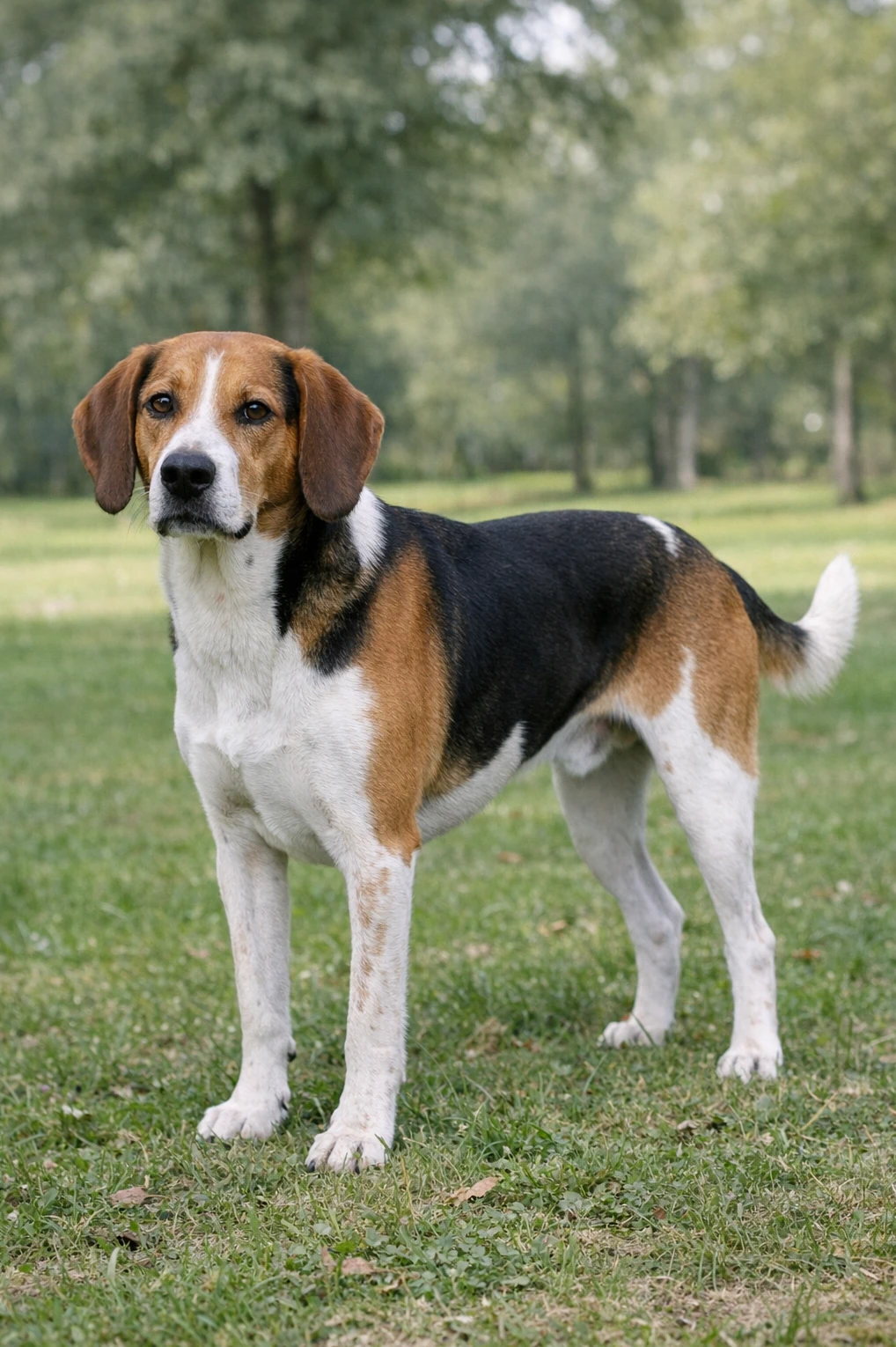
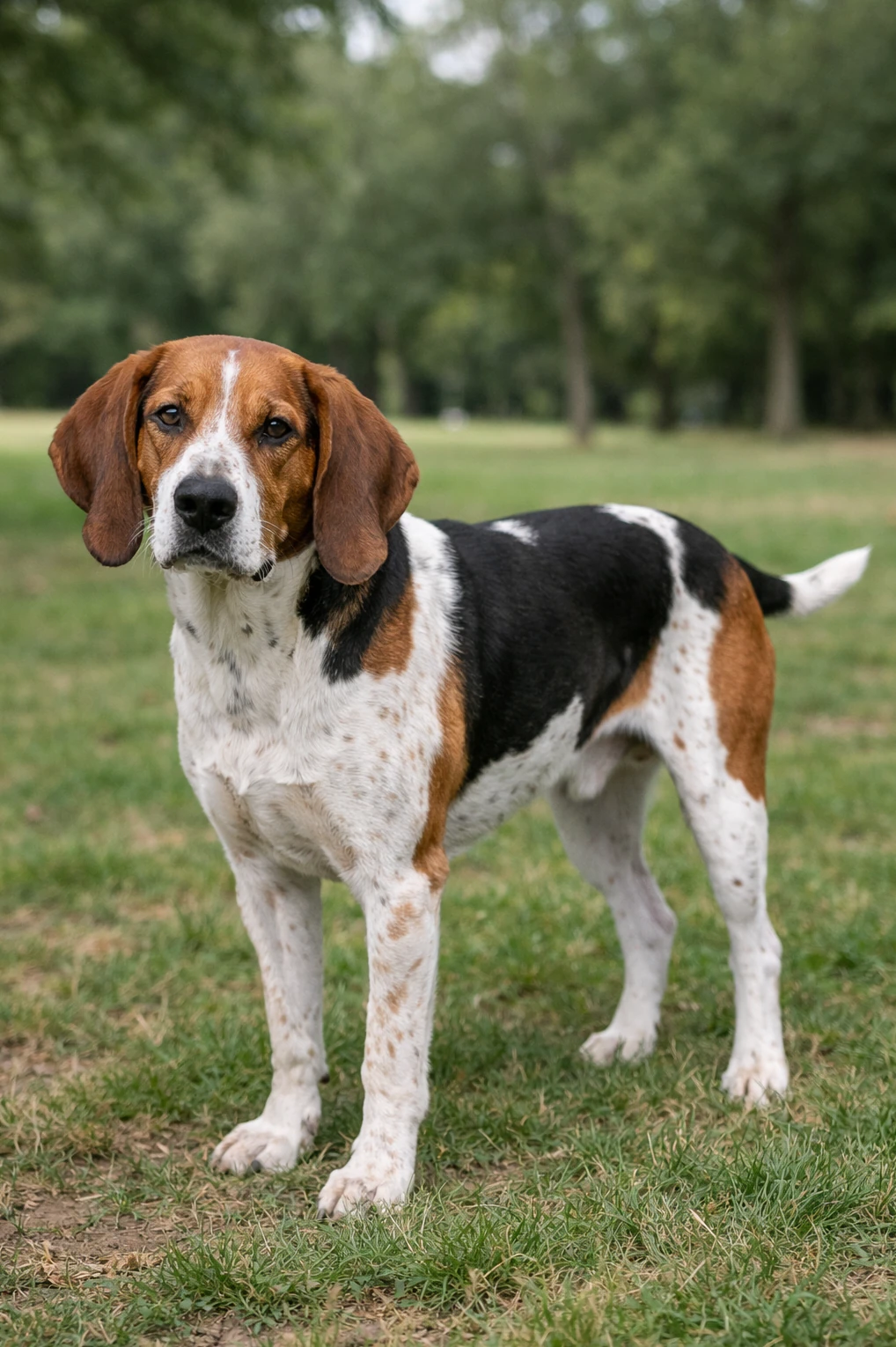
Sturdy and athletic, the Redbone Coonhound stands about 22–27 inches and weighs 45–70 pounds, with loyal, steady, and friendly manners.
Nutritional Verdict: High-quality protein and balanced fats support active, muscular bodies.

Understanding the Redbone Coonhound Metabolism and Energy Needs
As a southern scenting dog developed to trail quarry across varied terrain, this red-coated hound blends a steady, people-focused temperament with persistent tracking drive. That combination of endurance and sociability directly influences what it thrives on nutritionally.
Quality, bioavailable protein is central to preserve lean muscle after long outings and to support recovery, think real meat first in the ingredient list. Healthy fats provide a dense, slow-burning fuel source for prolonged scenting work while omega-3s help keep joints supple and coat glossy. Moderate, low-glycemic carbohydrates top up glycogen stores for steady effort without promoting extra pounds.
Targeted supplements such as glucosamine and chondroitin can ease wear on hips and elbows from repeated tracking, and antioxidants support immune health during frequent exposure outdoors. Portion control and feeding around activity times help maintain optimal weight and sustained energy.
Managing Redbone Coonhound Genetic Health Risks Through Nutrition
Hip Dysplasia
Helpful nutrients
Elbow Dysplasia
Helpful nutrients
Ear Infections
Helpful nutrients
Obesity
Helpful nutrients
Progressive Retinal Atrophy (PRA)
Helpful nutrients
Hypothyroidism
Helpful nutrients
Bloat (Gastric Dilatation-Volvulus)
Helpful nutrients
Redbone Coonhound Feeding & Calorie Calculator
Estimated Daily Calories
Tip: Start with this amount and adjust after 2–3 weeks based on your dog's body condition and weight trend.
This estimate provides a starting point for feeding. Individual calorie needs may vary depending on metabolism, body condition, and health status. Always monitor your dog's weight and consult your veterinarian when adjusting diet.
Foods and Ingredients to Avoid for Redbone Coonhound Dogs
Redbone Coonhounds are medium-large and active, but they can gain weight quickly if daily calories are too rich.
High-fat foods and greasy table scraps pack a lot of energy in a small bite, which can lead to unwanted weight gain and extra stress on their hips and shoulders as they age.
Keep treats lean and portioned, especially for adults that are less active, and choose dog foods with moderate fat levels to support steady energy without excess calories.
Some common human foods are dangerous for dogs of any size, and Redbone Coonhounds are no exception.
Chocolate, grapes and raisins, xylitol, onions, garlic, alcohol and caffeine can cause severe illness even in medium-large dogs, so these should never be fed, shared, or left where your hound can reach them.
Teach family and guests what is off limits, and keep emergency contact info for your vet handy in case of accidental ingestion.
Cooked bones, poultry bones and some hard chews can splinter and cause mouth injuries, choking or intestinal blockages.
Redbone Coonhounds like to chew vigorously, so a brittle bone that fragments is a particular risk for them given their strong jaws and enthusiastic chewing style.
Offer vet-recommended durable chews, toys designed to withstand aggressive chewers, or supervised raw-safe options, and avoid giving table bones or brittle treats that could break apart.
Because adult Redbone Coonhounds are a large-breed size, puppies need controlled growth to protect developing joints.
Diets with excessive calcium, phosphorus or too many calories can cause bones and joints to develop too quickly, increasing the chance of growth-related orthopedic issues down the road.
Choose a large-breed puppy formula and follow feeding guidelines from your veterinarian to support steady, healthy growth without overloading nutrients that affect bone development.
Some dogs are sensitive to artificial preservatives, colors and low-quality fillers, which can show up as an unsettled stomach, dull coat or more frequent ear and skin irritation.
For floppy-eared breeds like Redbone Coonhounds, keeping skin and ears healthy helps reduce the chance of recurring problems linked to sensitivities.
Look for diets with recognizable ingredients and limited artificial additives, and monitor your dog for any reaction when trying a new formula.
Treats add up fast, and salty or heavily seasoned human foods are not good for regular feeding.
Excess treats can push a 45 to 70 pound hound over daily calorie needs, leading to weight gain and extra load on hips and joints, and salty snacks can upset digestion or make some dogs uncomfortable.
Use treats sparingly, choose low-calorie options for training, and reserve human foods for rare, safe tastes rather than routine snacks.
How Nutritional Needs Change Throughout the Redbone Coonhound Life Stages
Dogs have different nutritional needs as they move from puppyhood to adulthood and into their senior years. These changing needs depend on growth rate, activity level, and common health tendencies, so feeding should be tailored rather than one-size-fits-all. For a large, active breed like the Redbone Coonhound, balanced calories and careful nutrient timing support steady growth, strong muscles, and long-term joint health.
| Life Stage | Age Range | Primary Objective | Key Nutrient Focus |
|---|---|---|---|
| Puppy | 0–15 months | controlled skeletal development, immune support, brain development | DHA, balanced calcium/phosphorus, high-quality protein |
| Adult | 1.5–6 years | lean muscle maintenance and sustained energy | high-quality protein, omega-3 fatty acids, fiber |
| Senior | 6+ years | joint mobility, metabolic health, and cognitive support | glucosamine, chondroitin, antioxidants, lower calories |
Redbone Coonhound puppies are large breed growers, which means they need steady, controlled weight gain to protect developing bones and joints. Rapid overfeeding can stress cartilage and increase risk of orthopedic problems, so calorie intake should support slow, even growth. Feed puppy formulas designed for large breeds and split daily calories into three to four meals until around six months, then transition to two meals.
Quality protein helps build lean muscle for this energetic hunter, while balanced calcium and phosphorus ratios are crucial for healthy skeletal development. Include sources of DHA for brain and vision, and moderate fat to meet energy needs without excess body fat. Avoid extra calcium supplements unless directed by your veterinarian, and discuss a growth plan that matches your pup's activity level and family history of joint concerns.
As adults, Redbone Coonhounds need nutrition that maintains lean muscle and sustained energy for their active, scent-tracking nature. Protein should be high quality and consistent, around levels suited for large active breeds, to support muscle repair and endurance. Fat provides concentrated energy, so balance is important to fuel activity without promoting excess weight.
Choose a complete, balanced adult formula and adjust portions based on whether your dog is a weekend hunter or a relaxed family companion. Monitor body condition and tweak calories or exercise to maintain a trim, muscular build. Omega-3 fatty acids support skin, coat, and healthy inflammation response, and discuss adjustments with your veterinarian.
In senior years Redbone Coonhounds often show slower metabolism, reduced activity, and changes in digestion that require calorie adjustments. Slower metabolism means cutting calories slightly to prevent weight gain, while maintaining protein to preserve muscle mass. Digestive tolerance may change, so easily digestible proteins and added fiber can help stool quality.
Joint support becomes a priority for a large breed with lifetime activity, so consider diets or supplements containing glucosamine, chondroitin, and omega-3 fatty acids to ease mobility. Antioxidants like vitamin E and omega-rich ingredients support cellular health and immune function. Work with your veterinarian to balance calorie reduction with sufficient nutrients, and monitor weight and mobility regularly to adjust the plan.
Kibble vs Fresh vs Raw for Redbone Coonhound
Different feeding approaches suit different lifestyles and activity levels. For a Redbone Coonhound, match diet to their scent-driven energy, size, and your meal-prep time.
Pros
- Convenient and easy to portion for busy owners.
- Consistent nutrition supports an active scent hound’s energy needs.
- Dry kibble helps keep teeth cleaner through chewing.
- Many formulas offer calorie control and joint-support options.
Cons
- Can be calorie-dense, risking weight gain without portion control.
- Lower moisture content may require extra water intake.
- Some formulas include fillers or artificial additives to watch for.
- Less flexible for picky eaters compared with fresh options.
Pros
- Very palatable, often loved by picky eaters.
- High moisture supports hydration and healthy digestion.
- You control ingredient quality to suit this breed’s needs.
- Easier to adjust calories for active hunting sessions.
Cons
- Requires careful planning to ensure balanced vitamins and minerals.
- More time consuming and often more expensive than kibble.
- Needs refrigeration and safe handling to prevent spoilage.
- Inconsistent recipes can lead to nutrient gaps without guidance.
Pros
- High protein, mimicking ancestral meals for strong muscle maintenance.
- Some owners report improved coat sheen and energy.
- Unprocessed ingredients may offer higher bioavailable nutrients.
Cons
- Strict hygiene needed to avoid bacterial risks to dog and family.
- Bone hazards can be dangerous for medium-large breeds without care.
- Balancing micronutrients is challenging without veterinary guidance.
- May increase prep time and storage considerations for active households.
| Diet Type | Pros for Redbone Coonhound | Potential Downsides |
|---|---|---|
| High-Quality Kibble |
|
|
| Fresh Cooked Food |
|
|
| Raw Diet (BARF) |
|
|
Our Recommendation
Many Redbone Coonhounds do well on a high-quality kibble tailored for active, lean muscle maintenance, especially for busy households.
Fresh cooked meals are excellent for picky dogs and active days, while raw diets can work but need strict hygiene and professional balancing.
See Also
Breeds with similar group, size, and coat characteristics