Best Dog Food for Pharaoh Hound in 2026Based on Nutritional Science
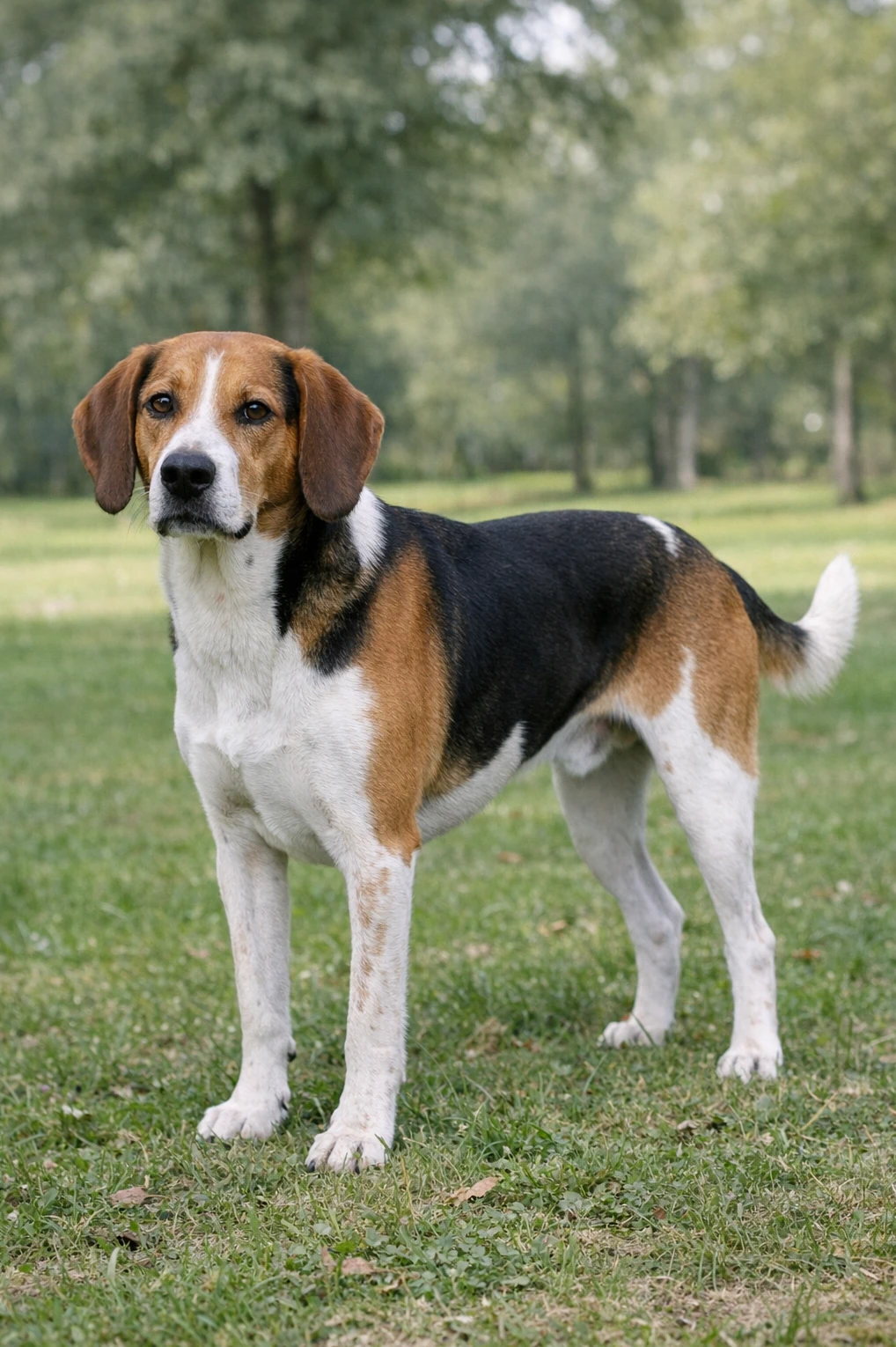
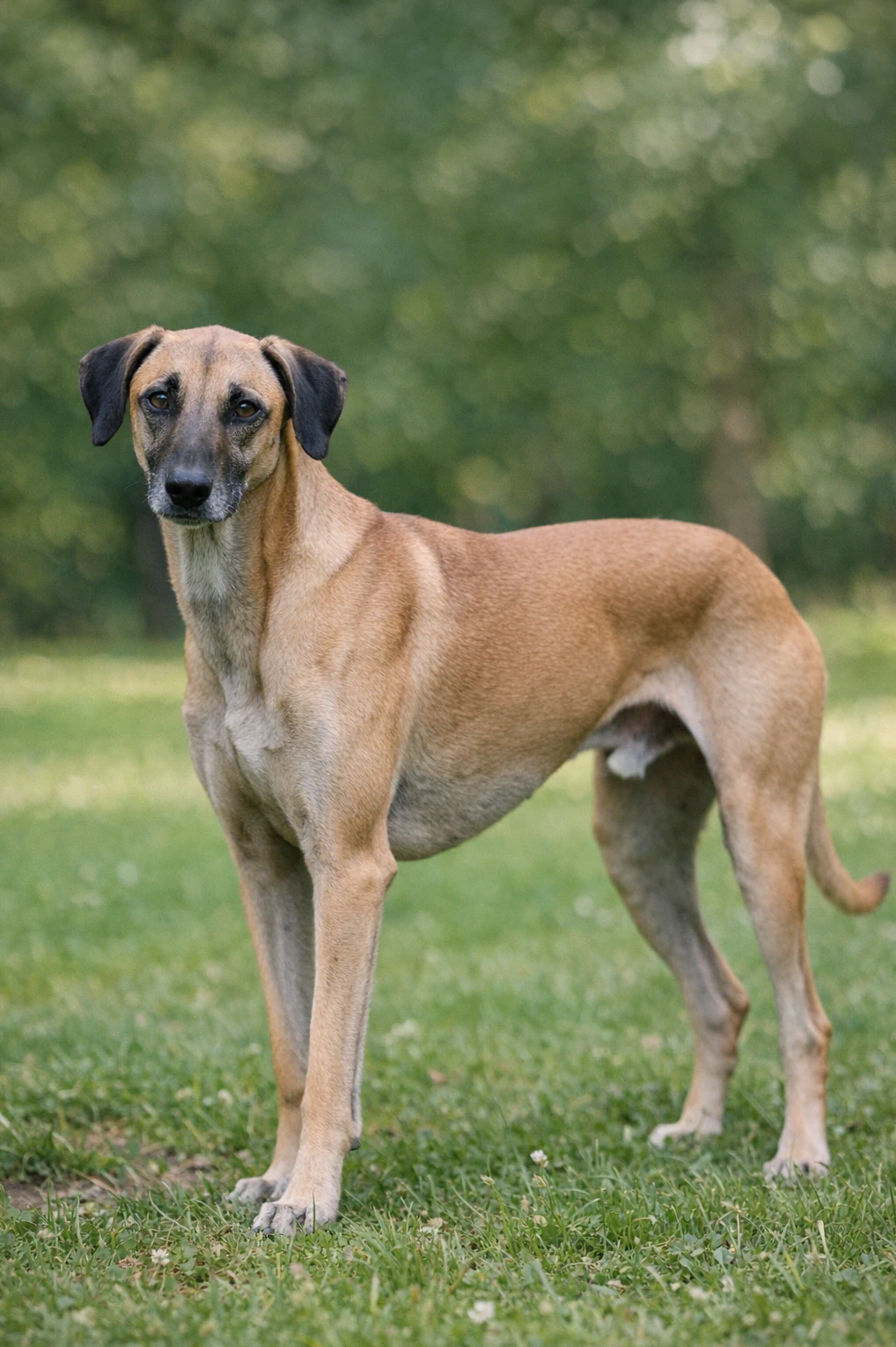
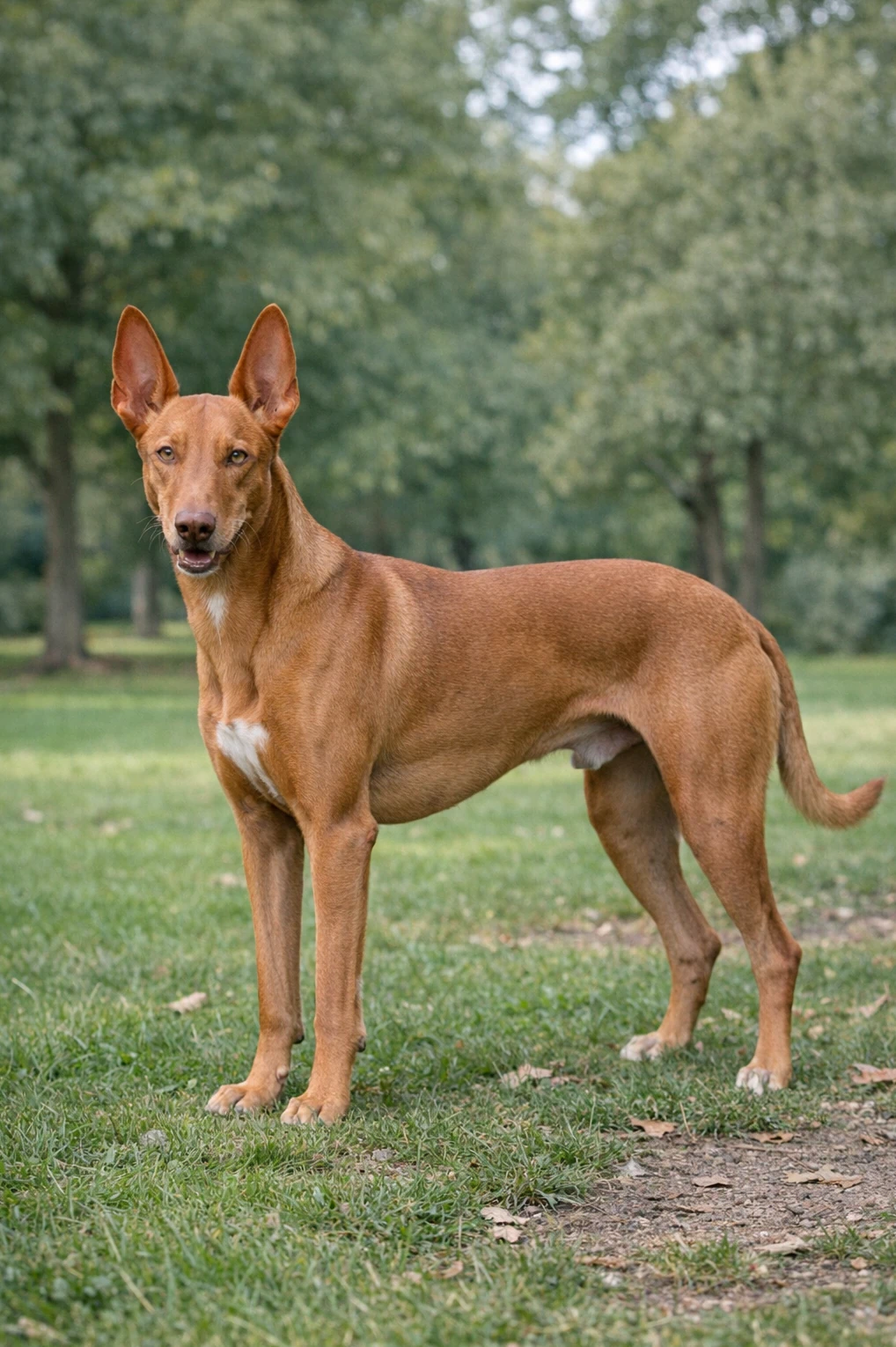
Male Pharaoh Hounds stand about 23 to 25 inches and weigh roughly 45 to 55 pounds. Warm, clever, and dignified. Nutritional verdict: active dogs thrive on high-quality protein with balanced fats and fiber.
Understanding the Pharaoh Hound Metabolism and Energy Needs
With a history as a nimble coursing dog from warm Mediterranean landscapes, this type needs a diet that supports quick bursts of speed and lean muscle. Their temperament is sociable, bright, and composed, which pairs well with consistent feeding that maintains steady energy without excess weight.
Prioritize high quality animal protein to preserve muscle and support rapid recovery after exercise, about 25 to 30 percent of calories for most adults. Moderate healthy fats, including omega-3s, give concentrated energy for short runs and keep skin and coat supple. Keep carbohydrates moderate and easily digestible, coming from whole grains or vegetables, to avoid unnecessary calories while providing steady fuel.
Consider joint support and skin-friendly supplements, such as glucosamine and fish oil, especially for active individuals. Small, regular meals and attention to hydration mirror their heritage and help them stay lean, alert, and comfortable.
Managing Pharaoh Hound Genetic Health Risks Through Nutrition
Hip Dysplasia
Helpful nutrients
Patellar Luxation
Helpful nutrients
Dental Disease
Helpful nutrients
Skin Allergies & Dry Coat
Helpful nutrients
Sensitive Stomach and Digestive Upsets
Helpful nutrients
Obesity
Helpful nutrients
Pharaoh Hound Feeding & Calorie Calculator
Estimated Daily Calories
Tip: Start with this amount and adjust after 2–3 weeks based on your dog's body condition and weight trend.
This estimate provides a starting point for feeding. Individual calorie needs may vary depending on metabolism, body condition, and health status. Always monitor your dog's weight and consult your veterinarian when adjusting diet.
Foods and Ingredients to Avoid for Pharaoh Hound Dogs
Pharaoh Hounds are lean, athletic dogs with relatively low body fat, so sudden servings of rich, fatty foods can be harder for them to process.
High-fat table scraps, oily treats, and very fatty commercial diets increase the risk of digestive upset and pancreatitis, conditions that can be serious and painful.
Stick to moderate fat levels and lean protein sources. Consistent, balanced fat intake helps maintain energy for their active lifestyle without overloading their digestive system.
As a sighthound breed with a deep chest and a love of running, Pharaoh Hounds are at higher risk for stomach upset if they exercise on a full stomach.
Eating a large meal right before vigorous activity can increase the chance of bloating or discomfort, which may escalate into more serious gastric problems.
Feed smaller, measured meals and allow digestion time before long play or exercise. This simple habit helps protect their stomach and keeps them comfortable during outings.
Many Pharaoh Hounds can show food sensitivities that present as itchy skin, flaky coat, or mild digestive issues.
Ingredients like BHA, BHT, ethoxyquin, and artificial dyes may trigger these reactions in sensitive dogs, making coat and skin care more of a challenge.
Choosing diets with natural preservation and fewer synthetic additives reduces the chance of flare ups. Opt for foods with recognizable ingredients to support skin health and overall comfort.
Some everyday human foods are outright dangerous for dogs, and Pharaoh Hounds are no exception.
Chocolate, grapes and raisins, xylitol sweeteners, onions, garlic, certain nuts, alcohol and caffeine can cause vomiting, diarrhea, organ damage or worse if ingested.
Keep these foods well out of reach and teach family members and guests not to feed table scraps.
Quick action and a call to your vet can make a big difference if exposure occurs.
Pharaoh Hounds do best on nutrient dense diets that support lean muscle, rather than calorie heavy formulas filled with cheap carbohydrates and by product meals.
Diets high in fillers like excess corn, wheat or unnamed meat meals can lead to unwanted weight gain and lower quality nutrition for an active dog.
Look for balanced recipes with quality proteins up front and moderate carbs for energy. That helps maintain their trim physique and supports stamina without unnecessary calories.
Feeding bones requires caution, because raw bones can carry bacteria and cause digestive upset, while cooked bones often splinter and can puncture or obstruct the digestive tract.
Pharaoh Hounds may be enthusiastic chewers, which increases the risk of choking or broken teeth when given very hard bones.
If you choose to offer chews, select vet recommended options made for safety and digestibility.
Supervise chew time and discard any pieces that become sharp or small enough to swallow whole.
How Nutritional Needs Change Throughout the Pharaoh Hound Life Stages
Dogs need different nutrition at puppyhood, adulthood, and senior years, and Pharaoh Hounds are no exception. Their dietary needs reflect a faster growth rate, an active, athletic nature, and a lean body type. Feeding choices should consider breed size, activity level, and any common tendencies so you provide the right balance of calories, protein, and essential nutrients as they move through life stages.
| Life Stage | Age Range | Primary Objective | Key Nutrient Focus |
|---|---|---|---|
| Puppy | 0–15 months | controlled skeletal development, immune support, brain development | DHA, balanced calcium/phosphorus, high-quality protein |
| Adult | 1.5–6 years | lean muscle maintenance and sustained energy | high-quality protein, omega-3 fatty acids, fiber |
| Senior | 6+ years | joint mobility, metabolic health, and cognitive support | glucosamine, chondroitin, antioxidants, lower calories |
Pharaoh Hound puppies grow into a lean, long-limbed adult, so controlled, steady growth is important to support healthy bones and joints. As a larger sighthound-type, they need calorie-dense nutrition but not excessive energy that causes too rapid weight gain.
Feed frequent small meals during the first months, gradually moving to two to three meals per day by six months. Ensure formulas designed for large-breed puppies with balanced calcium and phosphorus, high-quality protein for muscle development, and moderate fat for energy.
Omega-3 fatty acids support brain and coat development, while easily digestible carbohydrates and probiotics can help sensitive systems. Monitor body condition and growth, adjusting portions as your puppy's activity level and frame develop.
Adult Pharaoh Hounds are athletic and lean, so their diet should support steady energy for running and mental activity without excess calories that lead to weight gain. High-quality animal protein helps maintain lean muscle mass, while healthy fats provide concentrated energy and support skin and coat.
Aim for a balanced formula with moderate fat and digestible carbohydrates to match regular activity, adjusting portions on days with extra exercise. Consider feeding twice daily to stabilize energy and reduce hunger, and choose foods with joint-supporting nutrients if your dog is very active.
Regular monitoring of body condition and working with your veterinarian helps fine-tune calorie intake, especially for neutered dogs or those with lower activity. Small, healthy snacks or enrichment feeding can keep smart Pharaoh Hounds engaged without tipping the calorie balance.
As Pharaoh Hounds age, metabolism often slows and lean muscle can decline, changing how many calories they need. Digestion may become a bit less efficient, so easily digestible proteins and fiber that supports gut health are helpful.
Joint-supporting nutrients like glucosamine, chondroitin, and omega-3 fatty acids can help maintain mobility for this active, long-limbed breed. Antioxidants and controlled calorie intake help preserve organ function and healthy weight, while higher-quality protein helps retain muscle mass.
Adjust portions based on body condition and energy levels, and consider more frequent smaller meals if digestion is sensitive. Regular vet checkups will guide specific supplement choices and any necessary dietary changes.
Kibble vs Fresh vs Raw for Pharaoh Hound
Different feeding models suit different lifestyles and energy needs. For a Pharaoh Hound, its lean, athletic build and moderate to high activity shape the best choices.
Pros
- Convenient and easy to portion for busy owners.
- Consistent, balanced nutrition supports lean muscle maintenance.
- Crunchy texture can help reduce plaque on short coat dogs.
- Shelf-stable and portable for trips to parks and events.
Cons
- May be less palatable for picky Pharaoh Hounds.
- Some formulas include fillers or artificial additives.
- Lower moisture content may require added water or wet toppers.
- Calorie-dense formulas risk weight gain if overfed.
Pros
- Highly palatable, often tempting for picky eaters.
- High moisture supports hydration for active, lean dogs.
- Allows control over protein quality for maintaining slim musculature.
- Easy to adjust calories to match activity or seasonal needs.
Cons
- Time-consuming to prepare and store safely.
- Risk of nutritional imbalance without vet-approved recipes.
- More expensive long-term than many kibble options.
- Requires refrigeration and careful portion planning for travel.
Pros
- Mimics an ancestral pattern with high bioavailable protein.
- Can support lean muscle and vigorous energy in active dogs.
- Minimal processing may appeal to owners preferring whole foods.
- Customizable to match activity level and body condition.
Cons
- Strict hygiene required to avoid bacterial contamination.
- Raw bones can pose choking or tooth risks if not managed.
- Balancing nutrients is challenging without professional guidance.
- May be impractical during travel or for multi-dog households.
| Diet Type | Pros for Pharaoh Hound | Potential Downsides |
|---|---|---|
| High-Quality Kibble |
|
|
| Fresh Cooked Food |
|
|
| Raw Diet (BARF) |
|
|
Our Recommendation
For many Pharaoh Hounds, a high-quality kibble or thoughtfully prepared fresh cooked food offers the best mix of convenience and support for their lean, active bodies.
Raw diets can work for this breed, but they demand strict hygiene and veterinary guidance to stay safe and balanced.
See Also
Breeds with similar group, size, and coat characteristics