Best Dog Food for Azawakh in 2026Based on Nutritional Science
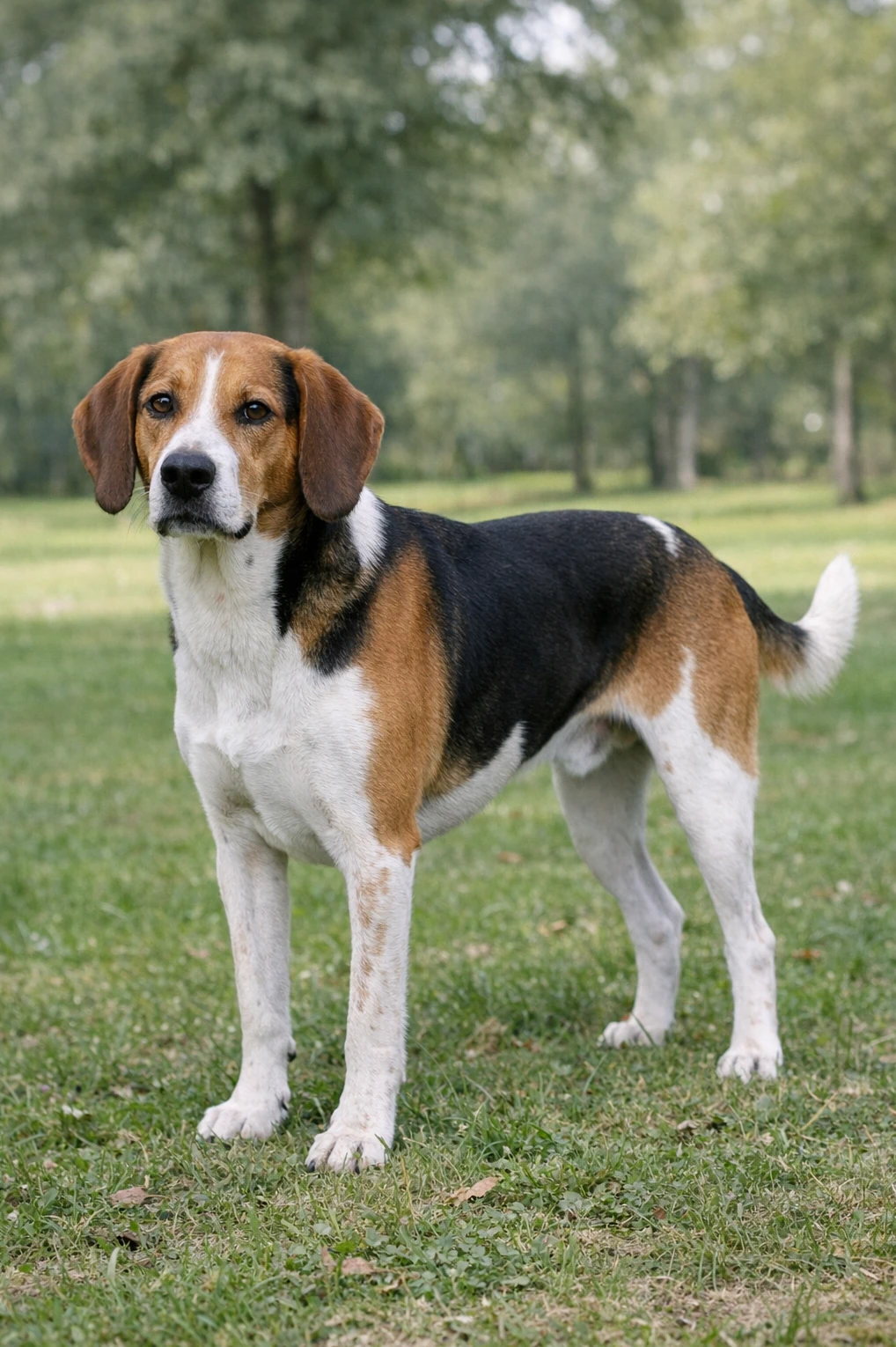
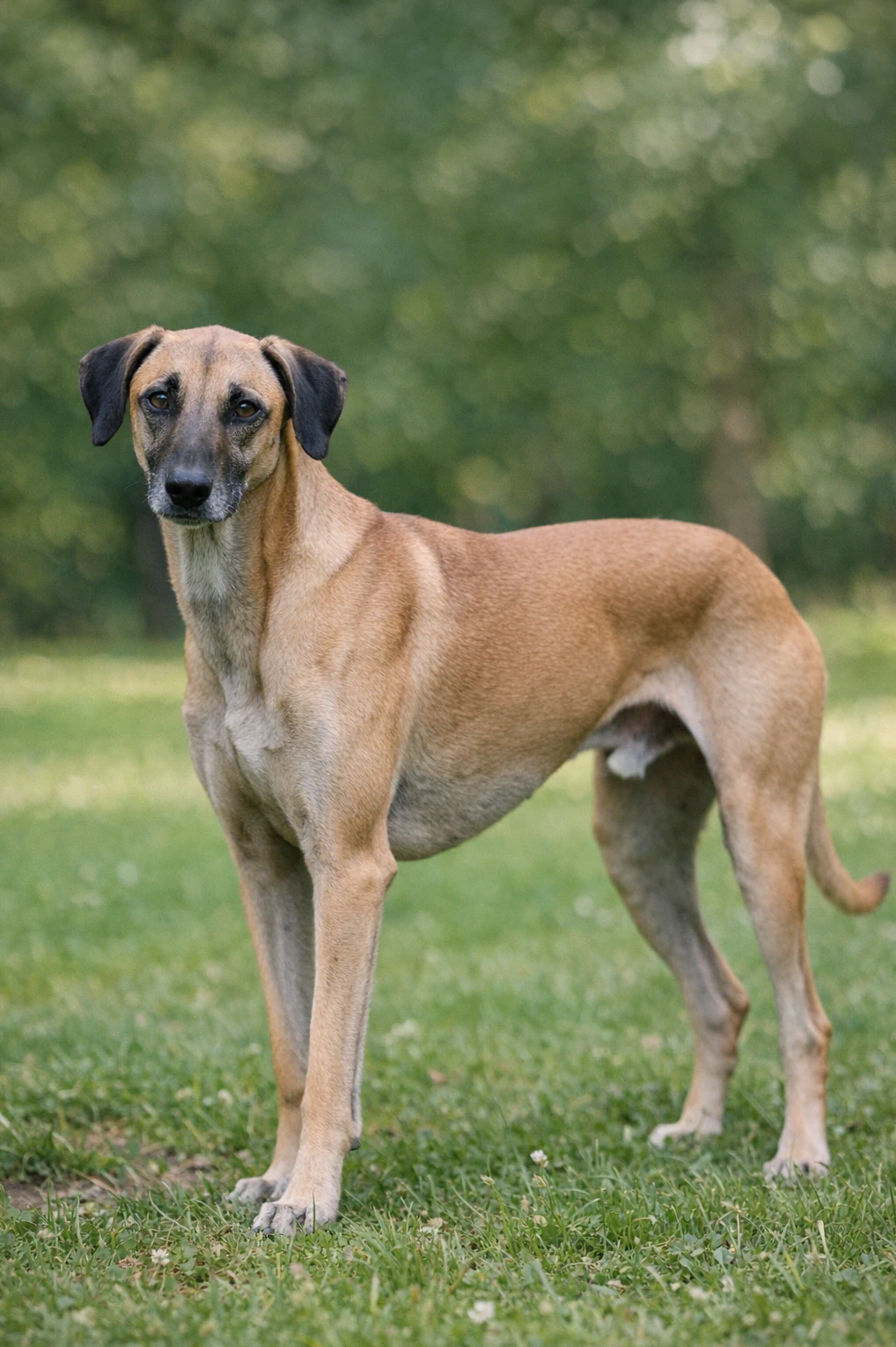
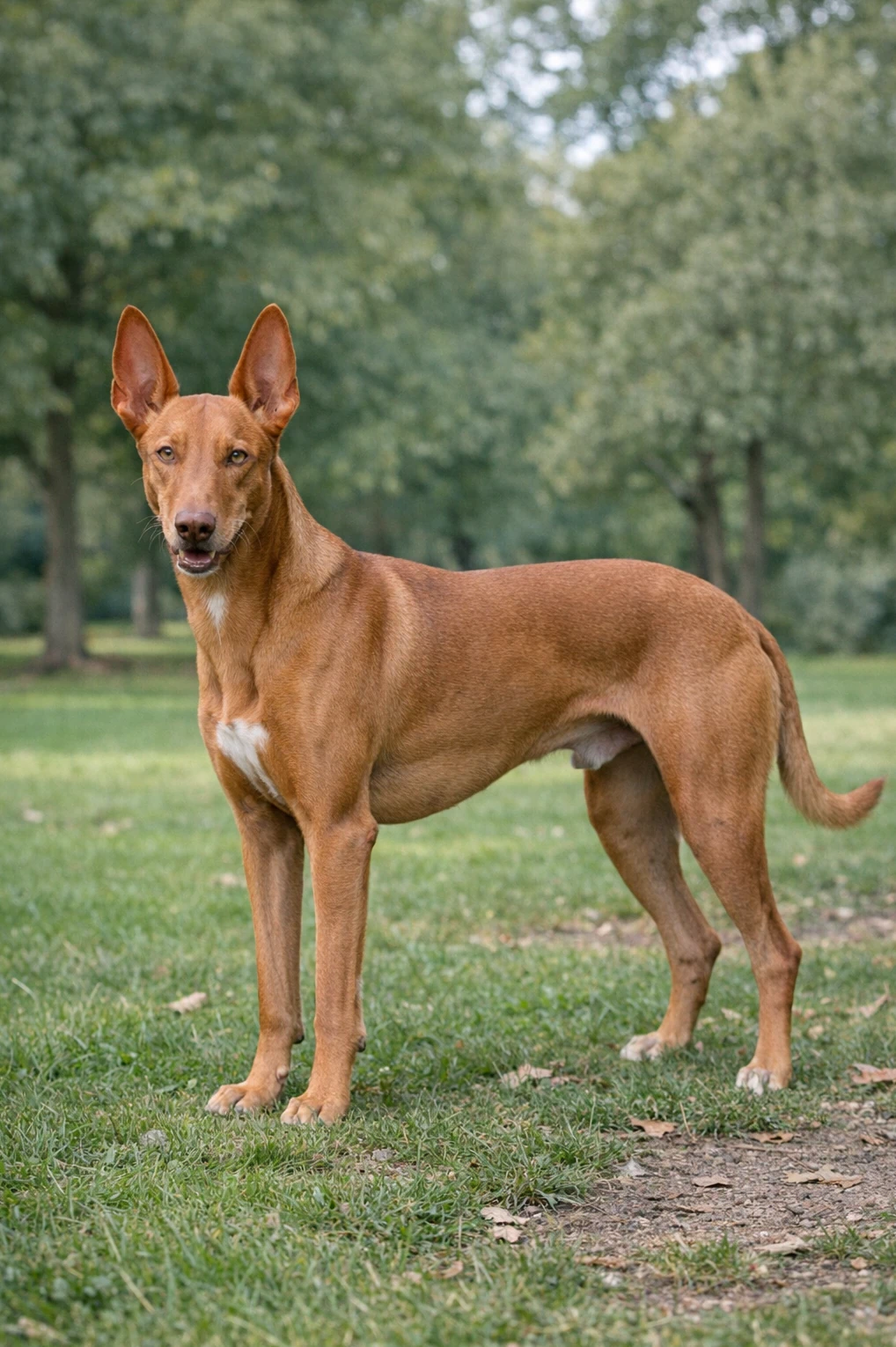
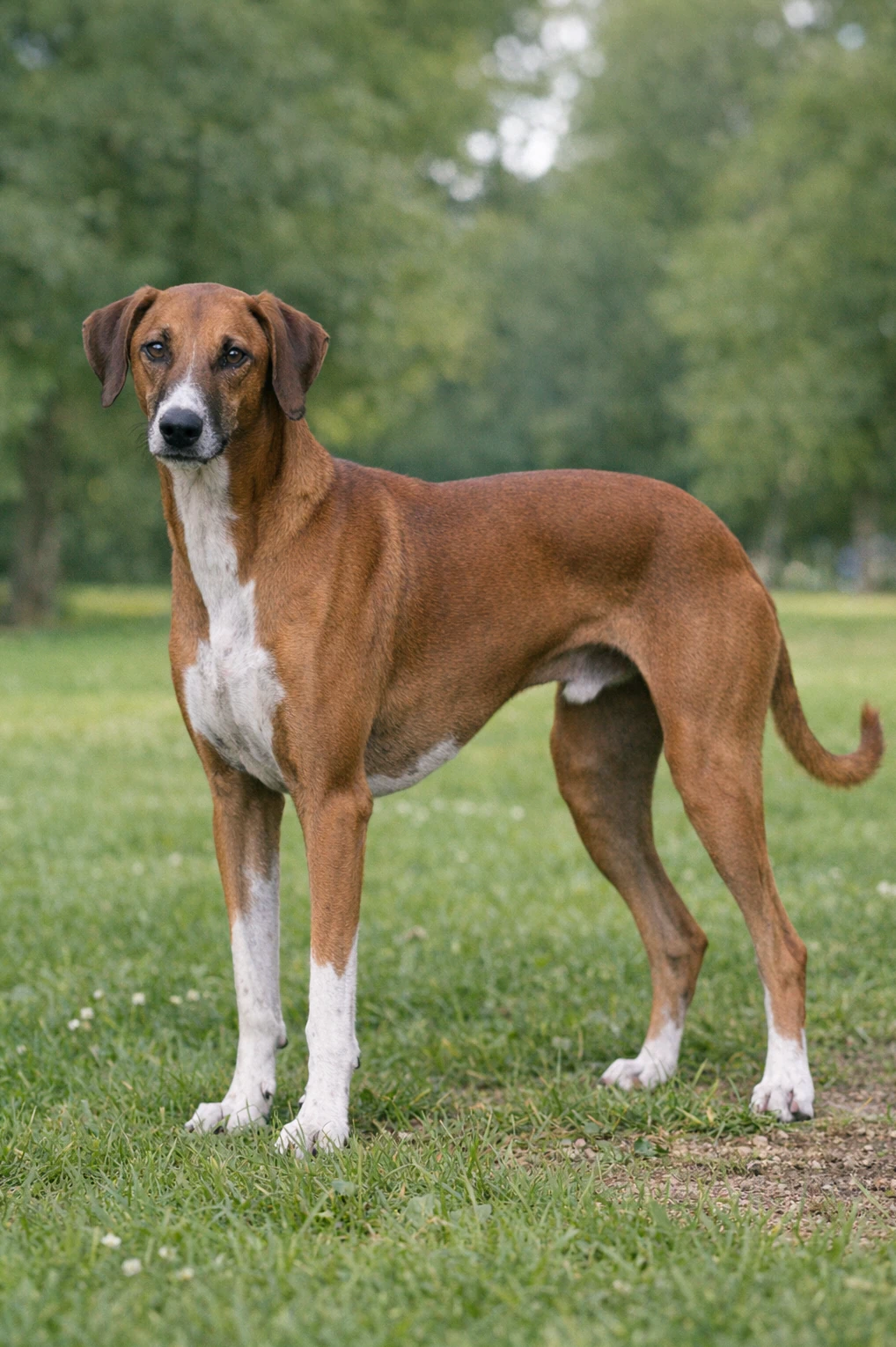
Tall, slim Azawakh males (25 to 29 in, 44 to 55 lb) are self-reliant, steadfast and loving. Nutritional verdict: lean, protein-rich meals with balanced fats keep them fit and healthy.
Understanding the Azawakh Metabolism and Energy Needs
This slim West African sighthound was built for long runs and sudden speed, so its diet must support lean muscle and quick energy. They tend to be self-reliant yet devoted, and that affects how meals and portions fit into their routine.
Prefer higher protein to maintain their trim muscles, using quality animal sources so essential amino acids are supplied. Moderate, concentrated fats offer sustained fuel and a healthy coat, so include fish oil or poultry fat. Give fewer, slow-burning carbohydrates from whole grains and vegetables to avoid excess weight.
Supplements like omega-3s and balanced taurine help heart, skin and muscle health in this lineage. Practical meals combine lean meats, modest healthy fats and fibrous carbs, adjusting portions to activity. Small meals around exercise keep energy steady and digestion comfortable.
Managing Azawakh Genetic Health Risks Through Nutrition
Hypothyroidism
Helpful nutrients
Seizures
Helpful nutrients
Cardiac problems
Helpful nutrients
Autoimmune-mediated disease
Helpful nutrients
Overweight / Obesity
Helpful nutrients
Azawakh Feeding & Calorie Calculator
Estimated Daily Calories
Tip: Start with this amount and adjust after 2–3 weeks based on your dog's body condition and weight trend.
This estimate provides a starting point for feeding. Individual calorie needs may vary depending on metabolism, body condition, and health status. Always monitor your dog's weight and consult your veterinarian when adjusting diet.
Foods and Ingredients to Avoid for Azawakh Dogs
Azawakhs can gain weight if calorie intake is not watched, and high-fat foods or fatty table scraps make it easy to tip the scale.
Excessive fat also raises the risk of pancreatitis, which can be serious and sudden.
Stick to lean protein sources and measure treats carefully to protect their elegant, slim build and keep joints and heart health in good shape.
Treats are great for training and bonding, but too many calorie-dense rewards can quickly lead to obesity in a breed that should look lean and well toned.
Small, frequent snacks add up, and store-bought human snacks often contain salts, sugars, and fats that are not needed.
Use tiny, low-calorie training treats and account for those calories in daily feeding to preserve that graceful Azawakh silhouette.
Some Azawakhs have sensitive skin and mild food sensitivities, so artificial preservatives and dyes can trigger itching, digestive upset, or dull coat condition.
Ingredients like BHA, BHT, and artificial colorings are best avoided when you see repeat reactions.
Choosing naturally preserved foods or simple ingredient lists helps you spot troublemakers and keeps your dog comfortable and looking their best.
Grapes and raisins are toxic to dogs and can cause kidney failure, so never offer them.
Xylitol, a common sugar substitute in gum and some baked goods, can provoke dangerous drops in blood sugar and seizures, which is a special concern if a dog has a seizure predisposition.
Onions and garlic in large amounts can damage red blood cells and lead to anemia, so avoid all of these foods completely.
Cooked bones can splinter and cause mouth injuries, intestinal blockages, or perforations, while very hard chews can fracture teeth, which is a real concern for an elegant breed that relies on strong but slim jaws.
Super-sized or brittle chews are not worth the risk.
Offer safer dental toys and vet-approved chews sized appropriately for a medium, lean dog, and supervise chewing sessions to prevent accidents.
Home-prepared meals can be wonderful when guided by a veterinarian or canine nutritionist, but unbalanced recipes may provide too much or too little of key minerals and vitamins.
Excess calcium or improper supplementation can harm growing dogs and affect bone and heart health.
Work with your vet to create age-appropriate recipes and avoid random supplements so your Azawakh gets the right nutrients for a long, active life.
How Nutritional Needs Change Throughout the Azawakh Life Stages
Dogs have changing nutritional needs as they move from puppyhood to adulthood and into their senior years.
Growth, activity level, and breed-specific health tendencies shape those needs, so what’s right for one dog may not suit another. For Azawakhs, their slender build, visible bone structure, and particular health screenings mean tailored feeding at each life stage keeps them healthy and lean.
| Life Stage | Age Range | Primary Objective | Key Nutrient Focus |
|---|---|---|---|
| Puppy | 0–15 months | controlled skeletal development, immune support, brain development | DHA, balanced calcium/phosphorus, high-quality protein |
| Adult | 1.5–6 years | lean muscle maintenance and sustained energy | high-quality protein, omega-3 fatty acids, fiber |
| Senior | 6+ years | joint mobility, metabolic health, and cognitive support | glucosamine, chondroitin, antioxidants, lower calories |
Azawakh puppies grow into long, elegant adults with slender bones and visible musculature. Their growth is steady but requires careful support to avoid rapid weight gain that stresses developing joints, and controlled, steady growth is safer than excess calories. Because their skin is thin and their frame shows easily, owners should learn the healthy body condition for the breed and work with a veterinarian or breeder on growth targets.
Feed smaller, frequent meals three to four times daily while they are growing to steady energy and reduce the chance of digestive upset. Focus on high quality, digestible animal protein for muscle development, balanced calcium and phosphorus for bone formation, and essential fatty acids for skin and coat. Avoid calcium or calorie supplements unless recommended by your veterinarian, and limit strenuous exercise until growth plates close.
Adult Azawakhs are lean, athletic dogs that need nutrition to maintain muscle without adding bulk. Provide a diet with high quality protein to preserve lean mass and moderate fat for energy to support short bursts of activity, while carbohydrate levels remain moderate and from digestible sources. Because they are active but light framed, avoid excess calories that lead to weight gain which can hide their natural sleek outline and stress joints.
Tailor feeding to lifestyle, offering one or two meals per day for most adults, and adjust portions for working or very active dogs. Include omega-3 fatty acids for skin and coat health, and keep routine health screening to monitor for conditions like hypothyroidism or cardiac changes so diets can be adjusted early. Keep treats and extras in check to preserve their slim, fit condition.
As Azawakhs age, their metabolism and activity often slow while joint stiffness and dental changes can affect appetite and digestion. Reduce calorie intake if activity drops to prevent unwanted weight gain, yet maintain high quality protein to protect muscle mass. Easier to digest proteins, increased fiber for gut regularity, and smaller, more frequent meals can help dogs with sensitive digestion.
Support joints with glucosamine, chondroitin, and omega-3 fatty acids, and include antioxidants like vitamin E to support healthy aging and immune function. Monitor for signs of hypothyroidism or other age-related concerns and work with your veterinarian to adjust diets, supplements, or feeding schedules as needed. Keep an eye on body condition since Azawakhs can appear underweight even when healthy, and aim for steady, comfortable mobility.
Kibble vs Fresh vs Raw for Azawakh
Different feeding approaches suit different lifestyles, activity levels, and health considerations.
Below we compare high-quality kibble, fresh cooked food, and raw diets for the Azawakh's lean, athletic profile.
Pros
- Convenient and easy to portion for owners with active routines.
- Formulas can be tailored for a lean, athletic body condition.
- Consistent nutrient profile helps maintain stable weight.
- Crunchy kibble can help reduce tartar through chewing.
Cons
- May be calorie-dense, risking weight gain in less active dogs.
- Lower moisture content can challenge hydration for some Azawakhs.
- Some brands include fillers that add little nutritional value.
- Less control over ingredient sourcing compared with home-cooked meals.
Pros
- High moisture supports hydration and gentle digestion.
- Easier to control calories for maintaining lean muscle mass.
- Ingredients can be chosen to avoid breed sensitivities.
- Often very palatable for picky or selective eaters.
Cons
- Requires careful planning to ensure complete nutrition.
- Time and cost are higher than feeding kibble.
- Needs refrigeration and safe storage between servings.
- Incorrect recipes can cause nutrient imbalances over time.
Pros
- High protein and natural ingredients suit an athletic metabolism.
- Some owners report improved coat condition and energy.
- Can be portioned precisely to maintain a lean frame.
- Avoids heat-processing, preserving certain natural nutrients.
Cons
- Higher bacterial infection risk without strict hygiene and handling.
- Bone hazards can injure slender dogs with delicate skin.
- Balancing vitamins and minerals is challenging without expert guidance.
- Requires veterinary approval and regular health monitoring.
| Diet Type | Pros for Azawakh | Potential Downsides |
|---|---|---|
| High-Quality Kibble |
|
|
| Fresh Cooked Food |
|
|
| Raw Diet (BARF) |
|
|
Our Recommendation
For many Azawakhs, high-quality kibble provides reliable, balanced nutrition with minimal fuss, making weight management easier.
Fresh cooked or carefully managed raw diets can also work well, when recipes are balanced and you have veterinary guidance.
See Also
Breeds with similar group, size, and coat characteristics