Best Dog Food for American Foxhound in 2026Based on Nutritional Science
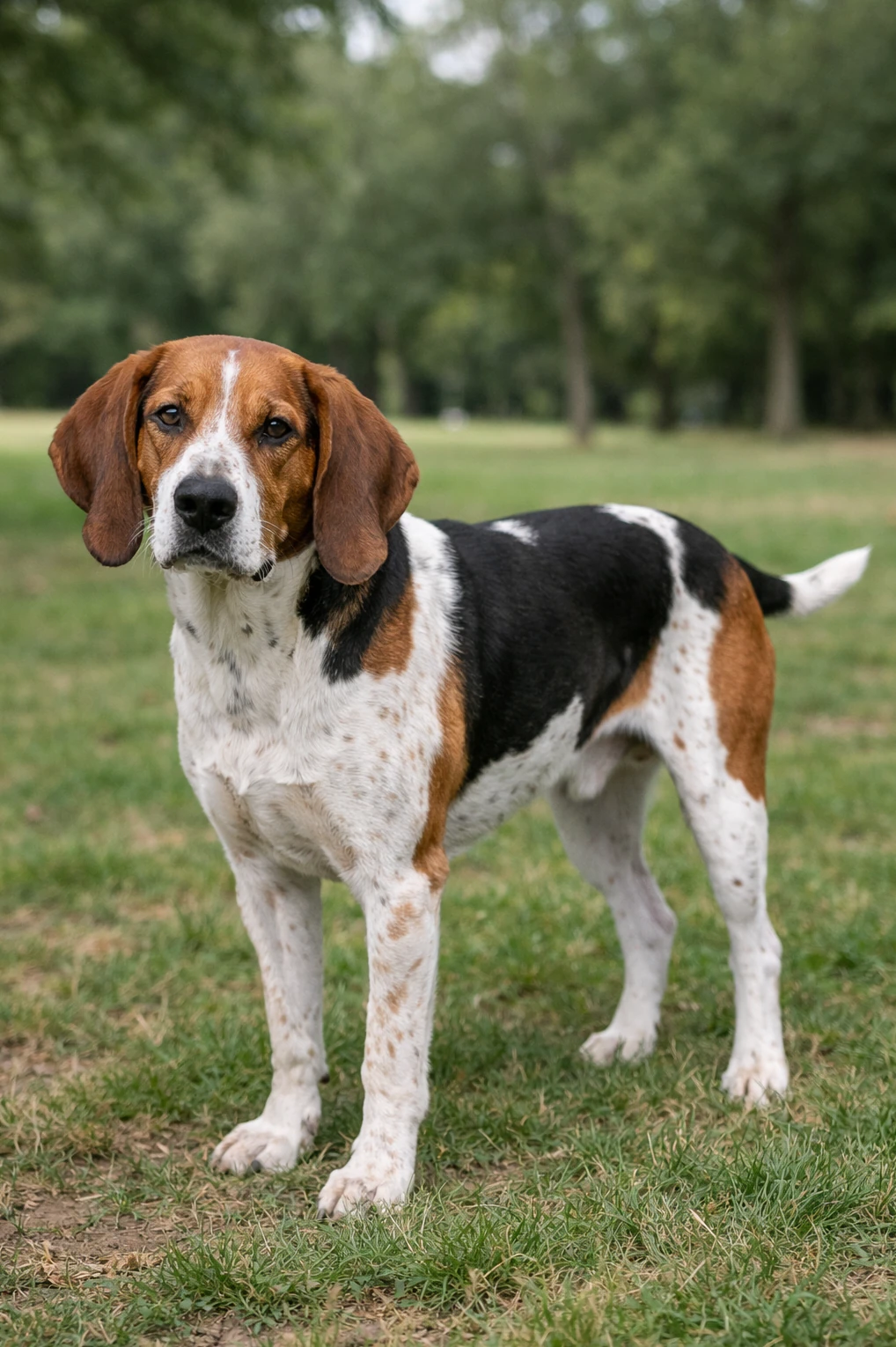
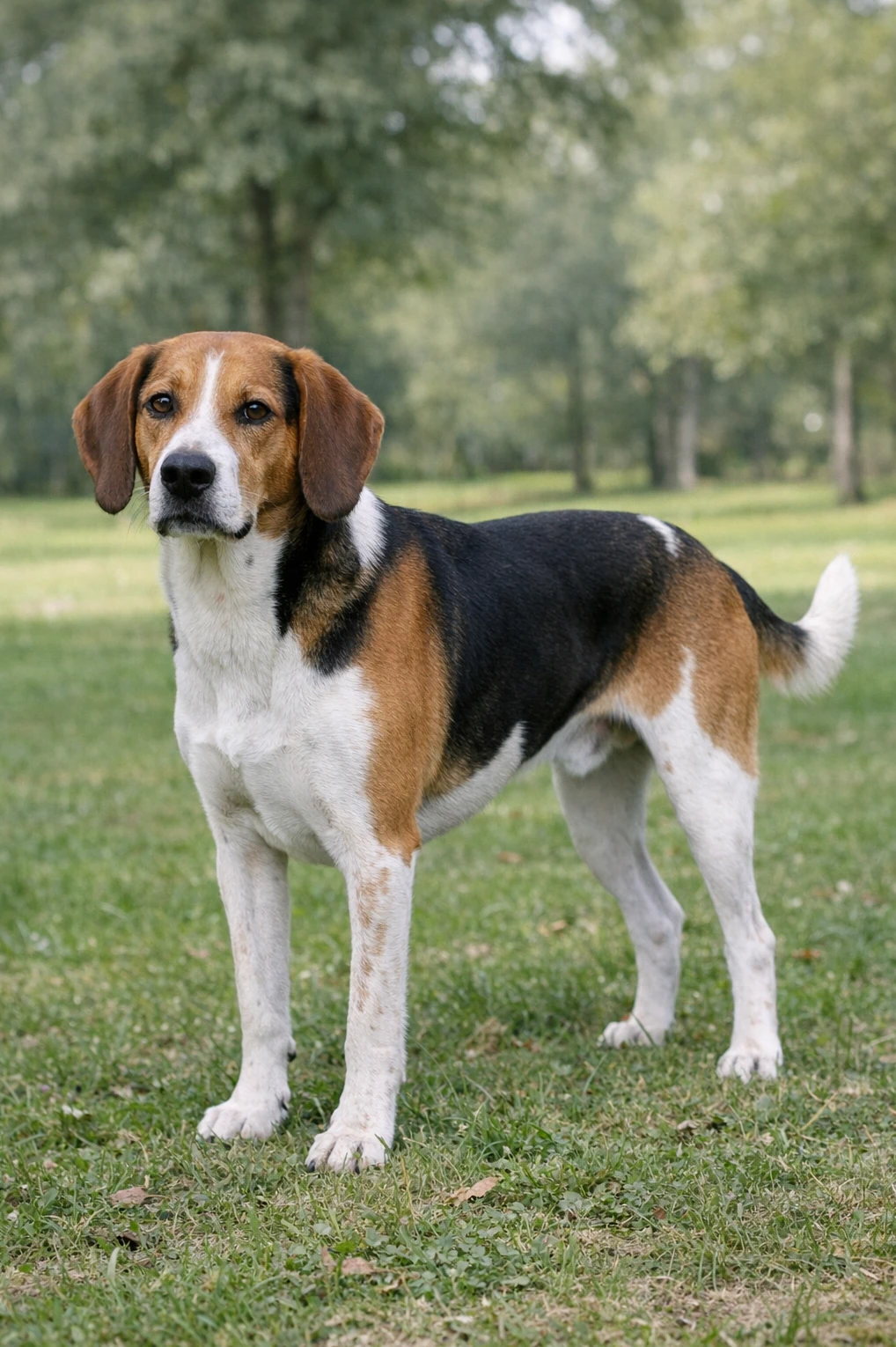
Self-reliant, laid-back, and gentle-natured American Foxhound males stand about 22 to 25 inches and weigh around 65 to 70 pounds. Nutritional Verdict: moderate-calorie, protein-focused diet supports their steady energy and healthy lean build.
Understanding the American Foxhound Metabolism and Energy Needs
As a scent hound bred to follow trails for hours, the American Foxhound needs fuel that supports endurance and lean muscle. Their self-directed, relaxed, gentle personality pairs with bursts of sustained exertion during outings, so diet must balance steady energy and maintenance.
High quality protein supports long muscle work and recovery, for example about 25 to 30 percent of calories from digestible animal proteins keeps them strong without excess bulk. Moderate fats supply concentrated energy and help absorb fat soluble vitamins, so include omega rich sources like fish oil or flax to support skin and energy.
Controlled complex carbohydrates and soluble fiber provide steady glucose for long tracking sessions and help gut health. Add joint support compounds such as glucosamine, and EPA/DHA for inflammation control, to protect joints and keep them comfortable as they stay active.
Managing American Foxhound Genetic Health Risks Through Nutrition
Hip Dysplasia
Helpful nutrients
Thrombocytopathy (blood disorder)
Helpful nutrients
Ear Infections
Helpful nutrients
Dental Problems
Helpful nutrients
Obesity
Helpful nutrients
American Foxhound Feeding & Calorie Calculator
Estimated Daily Calories
Tip: Start with this amount and adjust after 2–3 weeks based on your dog's body condition and weight trend.
This estimate provides a starting point for feeding. Individual calorie needs may vary depending on metabolism, body condition, and health status. Always monitor your dog's weight and consult your veterinarian when adjusting diet.
Foods and Ingredients to Avoid for American Foxhound Dogs
Because American Foxhounds love to eat and are prone to weight gain, high-fat foods and fatty table scraps can quickly lead to obesity and put extra stress on their hips and joints.
Keeping fat levels moderate and choosing lean protein sources helps protect their weight and reduces the risk of pancreatitis, especially in adult dogs that do best with two measured meals per day.
Allowing free access to food or giving too many calorie-dense treats encourages overeating in a breed that will happily keep munching, which raises the chance of obesity and joint strain.
Use measured meals and low-calorie training rewards, and talk to your veterinarian about an appropriate daily calorie target to keep this active hound at a healthy weight.
Large-breed puppies are sensitive to imbalanced minerals, and too much calcium or phosphorus during growth can contribute to abnormal bone development and increase the risk of hip dysplasia later in life.
Feed a complete, large-breed puppy formula or follow a veterinarian-approved homemade plan so growth is steady and joints develop properly.
Because breeding stock may be screened for thrombocytopathy, avoid giving supplements or human remedies that can interfere with clotting, such as high-dose fish oil, large amounts of garlic, or herbal products like ginkgo, unless your vet approves them.
Always check with your veterinarian before adding supplements, since even well-meaning additions could worsen an underlying bleeding tendency.
Common human foods that are toxic to dogs, including chocolate, grapes and raisins, xylitol-sweetened items, onions and large amounts of garlic, should never be offered to your Foxhound.
These substances can cause serious illness from vomiting and diarrhea to organ damage or hypoglycemia, so keep them well out of reach and ask your vet about any accidental exposure.
Cooked bones can splinter and cause choking, intestinal blockage or painful mouth injuries, and very hard chews can fracture teeth, which is a particular concern for active, enthusiastic chewers.
Offer veterinarian-recommended durable toys and supervised chews that match your dog’s size and chewing style to keep teeth and digestive tract safe.
How Nutritional Needs Change Throughout the American Foxhound Life Stages
Dogs need different nutrition at each life stage, from puppyhood to adulthood to their senior years. Growth rate, activity level, and common breed health tendencies all shape those needs, so food choices and feeding plans should change as your dog matures. For a large, active breed like the American Foxhound, attention to calories, protein quality, and joint support helps them grow and stay fit.
| Life Stage | Age Range | Primary Objective | Key Nutrient Focus |
|---|---|---|---|
| Puppy | 0–15 months | controlled skeletal development, immune support, brain development | DHA, balanced calcium/phosphorus, high-quality protein |
| Adult | 1.5–6 years | lean muscle maintenance and sustained energy | high-quality protein, omega-3 fatty acids, fiber |
| Senior | 6+ years | joint mobility, metabolic health, and cognitive support | glucosamine, chondroitin, antioxidants, lower calories |
Puppies of the American Foxhound grow into a large, athletic adult with long legs and plenty of stamina. Because they are a large breed, controlled, steady growth is important to reduce stress on developing bones and joints. Choose large-breed puppy formulas with a balanced calcium to phosphorus ratio, adequate but not excessive calories, and high quality protein to support healthy skeletal development.
Feed young Foxhounds three to four times a day, moving to two meals by adulthood to support stable digestion. Include DHA for brain and eye development, and moderate fat for active play and early training. Because some lines are screened for hip concerns or blood disorders, check with your veterinarian before adding joint supplements or anything that could affect clotting.
Adult American Foxhounds are lean, muscular runners with good endurance, so their diet should support muscle maintenance and steady energy. Provide high quality, easily digestible protein to preserve lean mass, moderate fat for sustained fuel, and a balance of complex carbohydrates and fiber for steady stamina and gut health. Omega-3s help skin and coat, and antioxidants support long term health when included in a balanced recipe.
Adjust calories to match activity level, because a working or highly active Foxhound needs more energy than an easy-going house companion. Keep portion sizes consistent to protect hips and help maintain a healthy weight. If you are considering supplements, consult your veterinarian, especially if there are any blood or joint concerns in your dog.
As American Foxhounds age, metabolism and activity often slow and digestion can become less efficient, so senior diets should be easier to digest while still preserving muscle. Focus on high quality, readily digested proteins to maintain lean mass, a modest reduction in calories if activity decreases, and increased fiber to support digestive regularity. Include joint-supporting nutrients like glucosamine and omega-3 fatty acids and add antioxidants to support immune and cognitive health.
Monitor body condition and muscle tone carefully, because some seniors lose muscle even without major weight changes. Keep an eye on dental health and eating habits, and schedule regular veterinary checkups and bloodwork if your dog has a history of hip issues or clotting disorders. Always discuss new supplements or formula changes with your veterinarian to ensure safety and the right balance for your older Foxhound.
Kibble vs Fresh vs Raw for American Foxhound
Different feeding models suit different lifestyles and dog needs. Consider your Foxhound's activity, health tendencies, and your time when choosing a plan.
Pros
- Convenient and easy to portion for busy owners of active, large-breed hounds.
- Formulated varieties support large, active dogs with balanced calories and joint supplements.
- Crunch helps reduce tartar between regular brushing and dental care routines.
- Dry food stores easily for hiking or working days.
Cons
- Lower moisture content can be less ideal for dogs that drink little water.
- Some formulas include fillers or artificial additives that may not suit sensitive hounds.
- Portion control is crucial to prevent weight gain in easygoing but food-motivated dogs.
- Quality kibble can be pricier, especially formulas for large, active breeds.
Pros
- Highly palatable, often great for picky or sweet-tempered Foxhounds.
- High moisture supports digestion and may reduce urinary tract strain.
- You control ingredients, helpful for dogs with sensitivities or weight management.
- Easy to add joint supplements or omega fats for large-breed support.
Cons
- Requires time and planning to ensure complete nutrition for large, growing dogs.
- Can be more expensive than kibble over months of feeding.
- Needs refrigeration and prep space, less convenient for travel or hikes.
- Mistakes in calcium or vitamin balance can affect hip development and health.
Pros
- Mimics ancestral, high-protein meals that suit active scent hounds' energy needs.
- Some owners report shinier coats and improved stamina in working dogs.
- Minimal processing preserves certain nutrients naturally present in meats.
- Can be portioned to maintain lean muscle and ideal weight for big hounds.
Cons
- Risk of bacterial contamination requires strict hygiene and safe handling.
- Feeding raw bones can fracture teeth or cause obstructions in the gut.
- Consult your vet if your dog has clotting issues like thrombocytopathy before starting.
- Balancing nutrients at home is complex and may need professional guidance.
| Diet Type | Pros for American Foxhound | Potential Downsides |
|---|---|---|
| High-Quality Kibble |
|
|
| Fresh Cooked Food |
|
|
| Raw Diet (BARF) |
|
|
Our Recommendation
Many American Foxhounds do well on high-quality kibble formulated for large, active breeds because it balances nutrition and convenience.
Fresh cooked food suits picky dogs or those needing ingredient control, while raw diets need strict hygiene and veterinary guidance before trying.
See Also
Breeds with similar group, size, and coat characteristics