Best Dog Food for Rhodesian Ridgeback in 2026Based on Nutritional Science
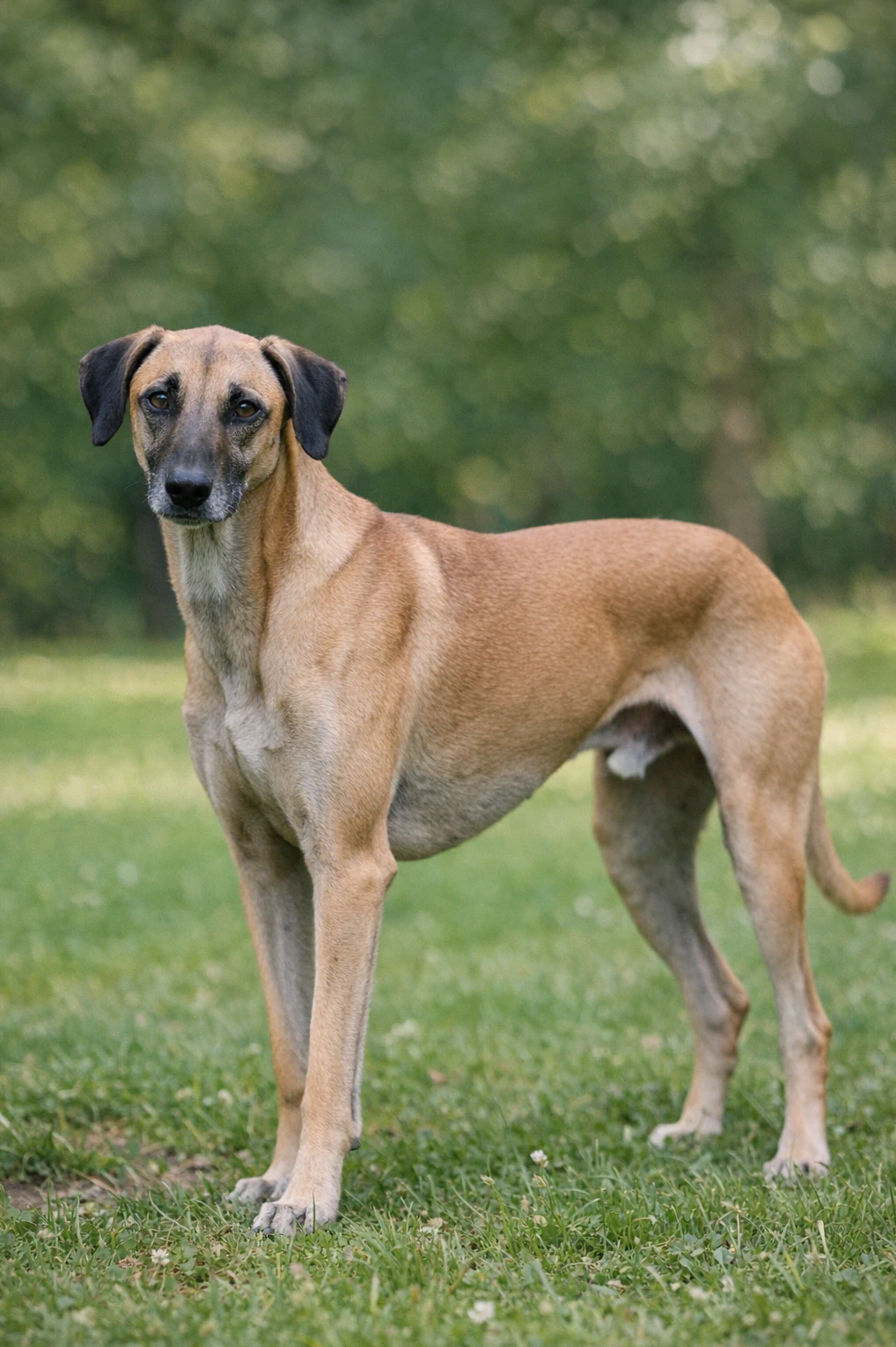
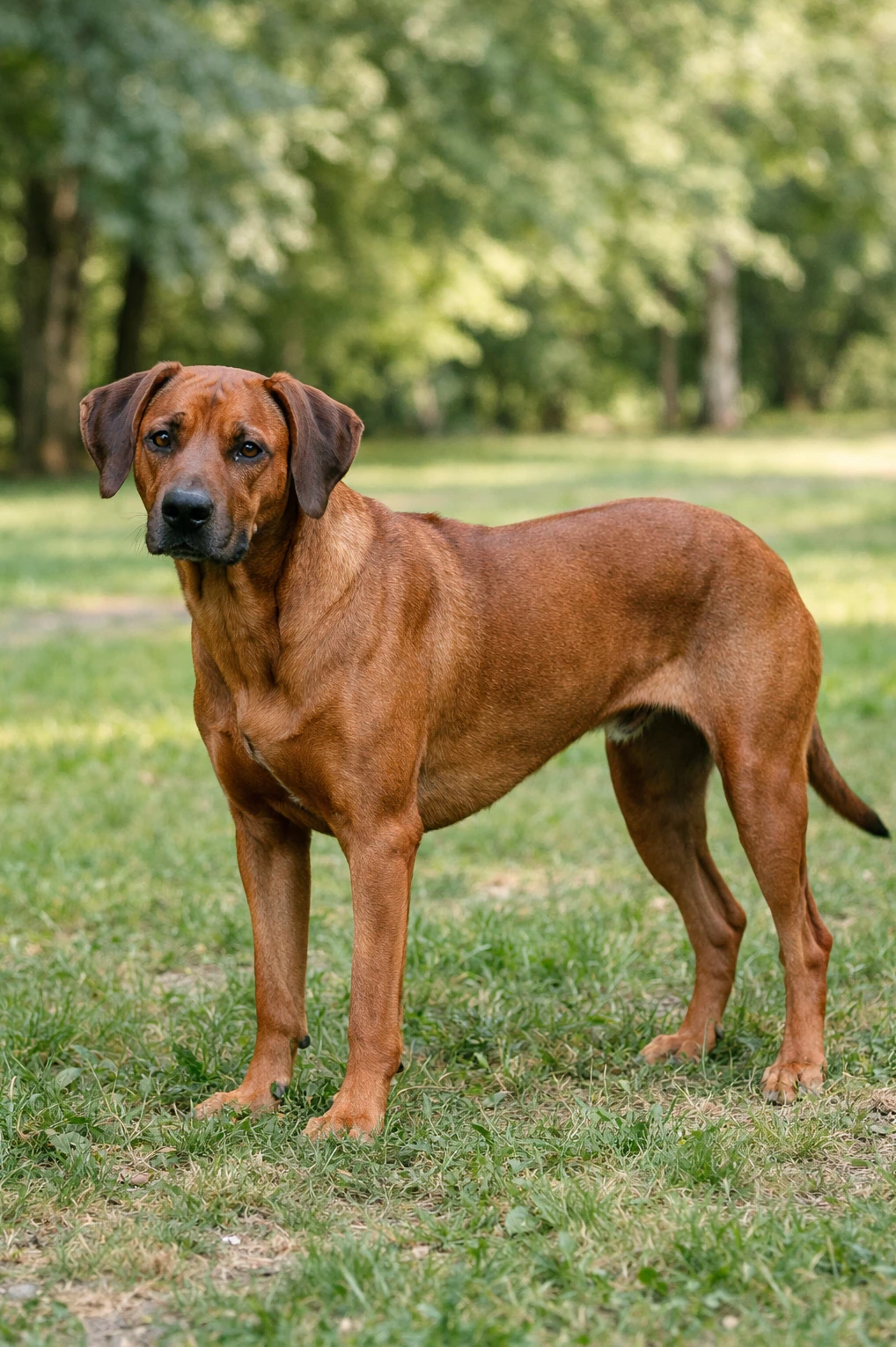
Large and statuesque, male Ridgebacks stand about 25-27 inches and weigh roughly 85 pounds. They are noble, warm, and steady. Nutritional Verdict: lean, protein-focused meals with joint-supporting nutrients and sensible portion control.
Understanding the Rhodesian Ridgeback Metabolism and Energy Needs
As descendants of African hunting stock, these dogs combine calm presence with surprising athleticism, so their dietary needs support both steady behavior and bursts of activity. Their poised, warm temperament prefers steady energy rather than frequent sugary snacks, so meals should fuel endurance and help with recovery.
A protein-forward plan maintains lean muscle and supports quick repair after sprints, so include quality animal proteins like beef, poultry, or fish. Moderate healthy fats provide long-lasting fuel and nourish skin and coat, while controlled complex carbohydrates, such as sweet potato or brown rice, help manage weight and avoid blood sugar swings. Hydration and electrolytes matter too, because of their endurance roots.
Omega-3 fatty acids help reduce inflammation and keep the coat healthy, and joint-support nutrients like glucosamine and chondroitin protect long limbs over time. Adjust portions to activity level, monitor body condition, and consult your veterinarian before adding supplements.
Managing Rhodesian Ridgeback Genetic Health Risks Through Nutrition
Hip Dysplasia
Helpful nutrients
Elbow Dysplasia
Helpful nutrients
Thyroid Dysfunction
Helpful nutrients
Eye Anomalies
Helpful nutrients
Dermoid Sinus
Helpful nutrients
Obesity
Helpful nutrients
Rhodesian Ridgeback Feeding & Calorie Calculator
Estimated Daily Calories
Tip: Start with this amount and adjust after 2–3 weeks based on your dog's body condition and weight trend.
This estimate provides a starting point for feeding. Individual calorie needs may vary depending on metabolism, body condition, and health status. Always monitor your dog's weight and consult your veterinarian when adjusting diet.
Foods and Ingredients to Avoid for Rhodesian Ridgeback Dogs
Rhodesian Ridgebacks can be prone to weight gain, and at about 85 pounds excess body fat adds real stress to hips and elbows that may already be vulnerable.
Very fatty foods, greasy table scraps, and rich human dishes can also trigger pancreatitis, an acute and painful condition.
For this large, active breed it is safer to choose lean protein sources and controlled portions, and to avoid feeding your dog leftover fatty meats or fried foods.
Ridgebacks are notorious counter-surfers, so it is easy for them to collect extra calories without you realizing it.
High-calorie treats and frequent table scraps contribute quickly to unwanted weight gain, which increases the risk of joint problems and reduces stamina.
Use low-calorie training treats, factor snacks into daily calorie totals, and avoid feeding from the table.
Keeping an eye on body condition rather than just weight helps maintain a healthy, comfortable build for this large breed.
Large breed puppies like Rhodesian Ridgebacks need controlled, balanced growth to protect developing joints and bones.
Diets that contain too much calcium or calories can speed growth and contribute to hip and elbow problems later on.
Avoid supplemental calcium and foods formulated for small breeds or 'all life stages' unless your veterinarian approves them for your puppy.
Stick to large-breed puppy formulas and follow your vet's guidance on feeding amounts to support steady, healthy development.
Many grain-free diets rely heavily on peas, lentils, and other legumes as carbohydrate and protein sources.
Some long-term feeding patterns high in legumes have been associated with heart concerns in certain dogs, and large breeds can be especially vulnerable to any reduction in cardiac performance.
If you prefer a grain-free formula, talk with your veterinarian and monitor heart health.
Rotating diets and choosing balanced formulas with a variety of ingredients can reduce potential risks.
Onions, garlic, chives and related vegetables contain compounds that can damage red blood cells and lead to anemia in dogs.
Toxicity can occur with single large exposures or smaller repeated feedings, so even small amounts in cooking or table scraps are unsafe.
Because Rhodesian Ridgebacks often scavenge human foods, keep all forms of alliums out of reach and be cautious with mixed dishes.
If your dog eats these foods, contact your veterinarian promptly for advice.
Grapes, raisins and currants are unpredictable toxins for dogs and can cause sudden kidney failure in some animals.
There is no safe, known threshold, and because Ridgebacks are curious counter-surfers they may sample fruit left within reach.
Keep these items out of the house or well secured, and avoid sharing baked goods that include dried fruit.
If you suspect ingestion, seek veterinary attention quickly, as early treatment improves the outlook.
How Nutritional Needs Change Throughout the Rhodesian Ridgeback Life Stages
Like people, dogs need different nutrition at different life stages, so puppyhood, adulthood, and senior years each come with changing requirements. For a Rhodesian Ridgeback these needs are shaped by a fast but controlled growth pattern, a muscular, athletic build, and breed-specific health tendencies such as hip and elbow dysplasia or thyroid issues. Knowing how activity level and genetics influence food helps you keep your Ridgeback healthy across its life.
| Life Stage | Age Range | Primary Objective | Key Nutrient Focus |
|---|---|---|---|
| Puppy | 0–15 months | controlled skeletal development, immune support, brain development | DHA, balanced calcium/phosphorus, high-quality protein |
| Adult | 1.5–6 years | lean muscle maintenance and sustained energy | high-quality protein, omega-3 fatty acids, fiber |
| Senior | 6+ years | joint mobility, metabolic health, and cognitive support | glucosamine, chondroitin, antioxidants, lower calories |
Rhodesian Ridgeback puppies grow rapidly during the first year, but like all large breeds they benefit from a steady, measured growth rate to protect developing joints and bones. Controlled calorie intake and a careful balance of calcium and phosphorus support proper skeletal development while avoiding excessive weight that stresses hips and elbows. Responsible breeders screen for hip and elbow dysplasia, so nutrition plays a preventive role alongside breeding practices.
Offer three to four meals a day in early months, then gradually shift to two meals by adulthood. Smaller, frequent meals help prevent overeating and keep energy steady during their active play and learning phases.
Focus on high quality protein for muscle growth, adequate essential fatty acids including DHA for brain development, and moderate calories from complex carbohydrates. Avoid calcium supplements unless recommended by your veterinarian, and monitor growth and body condition regularly given the breed's size and thyroid screening considerations.
Adult Rhodesian Ridgebacks are large, muscular dogs that do best on a diet that supports lean muscle and steady energy. Aim for high quality animal protein to maintain muscle mass, with moderate fat for endurance during walks, play, or tracking sessions. The breed is dignified and even tempered but remains athletic, so daily exercise needs should guide portion sizes and calorie targets.
Feed two measured meals a day to help regulate digestion and weight, using a balanced adult formula with adequate joint-support nutrients if your dog is very active. Keep carbohydrates complex for sustained energy and include fiber for digestion. Regular checks of body condition and thyroid health help you tweak protein, calories, and fat to match your Ridgeback's lifestyle and keep them fit without excess weight.
As Rhodesian Ridgebacks enter senior years, metabolism often slows and activity usually declines, which can lead to weight gain that stresses hips and elbows. Age can also bring reduced digestion efficiency and stiffer joints, especially in breeds screened for dysplasia. Regular veterinary checks, including thyroid monitoring, help catch and manage common issues early.
Adjust calories downward if activity drops, while keeping protein high quality to preserve muscle. Support joints with omega-3 fatty acids, glucosamine and chondroitin as advised by your veterinarian, and boost antioxidant intake with vitamins E and C to help cellular health. Easier to digest foods, a bit more fiber or probiotics for gut comfort, and smaller, more frequent meals can make mealtimes gentler for an aging Ridgeback, helping them stay comfortable and affectionate into their golden years.
Kibble vs Fresh vs Raw for Rhodesian Ridgeback
Different feeding models suit different lifestyles and health needs for a Rhodesian Ridgeback. Consider activity level, joint health, and hydration when choosing a diet.
Pros
- Convenient and easy to portion for busy owners of large, active Rhodesian Ridgebacks.
- Kibble chewing can help reduce dental tartar for this strong-jawed breed.
- Formulas with joint-support nutrients help maintain hip and elbow health.
- Shelf-stable and simple to pack for outings or travel with your dog.
Cons
- Can be calorie-dense, risking weight gain in less active Ridgebacks.
- Lower moisture content may not suit dogs that need better hydration.
- Some commercial formulas contain fillers or low-quality ingredients.
- May be hard for older dogs with dental wear to chew comfortably.
Pros
- Highly palatable, usually a hit with picky Rhodesian Ridgebacks.
- High moisture supports hydration and urinary tract health.
- Allows control over protein and fat to support lean muscle.
- Can avoid common fillers and specific allergens easily.
Cons
- More time consuming and costly than dry food long term.
- Needs careful recipe balance to meet large-breed calcium needs.
- Requires refrigeration and planning for outings or travel.
- Inconsistent homemade formulas can risk nutrient gaps over time.
Pros
- High-protein, low-carb approach can help maintain lean body condition.
- Some owners report improved coat sheen and overall vitality.
- Unprocessed ingredients preserve many natural nutrients.
- Can be tailored to support large-breed muscle and activity needs.
Cons
- Strict hygiene needed to avoid bacterial risks to dog and family.
- Balancing calcium and phosphorus is essential for growing large-breed dogs.
- Raw bones and small pieces may pose choking or dental hazards.
- Requires veterinary guidance to ensure complete and safe nutrition.
| Diet Type | Pros for Rhodesian Ridgeback | Potential Downsides |
|---|---|---|
| High-Quality Kibble |
|
|
| Fresh Cooked Food |
|
|
| Raw Diet (BARF) |
|
|
Our Recommendation
For many Rhodesian Ridgebacks, high-quality kibble with joint-support and controlled calories is a practical everyday choice.
Fresh cooked food suits picky or performance dogs when formulated carefully, while raw diets require strict hygiene and veterinary oversight to be safe.
See Also
Breeds with similar group, size, and coat characteristics