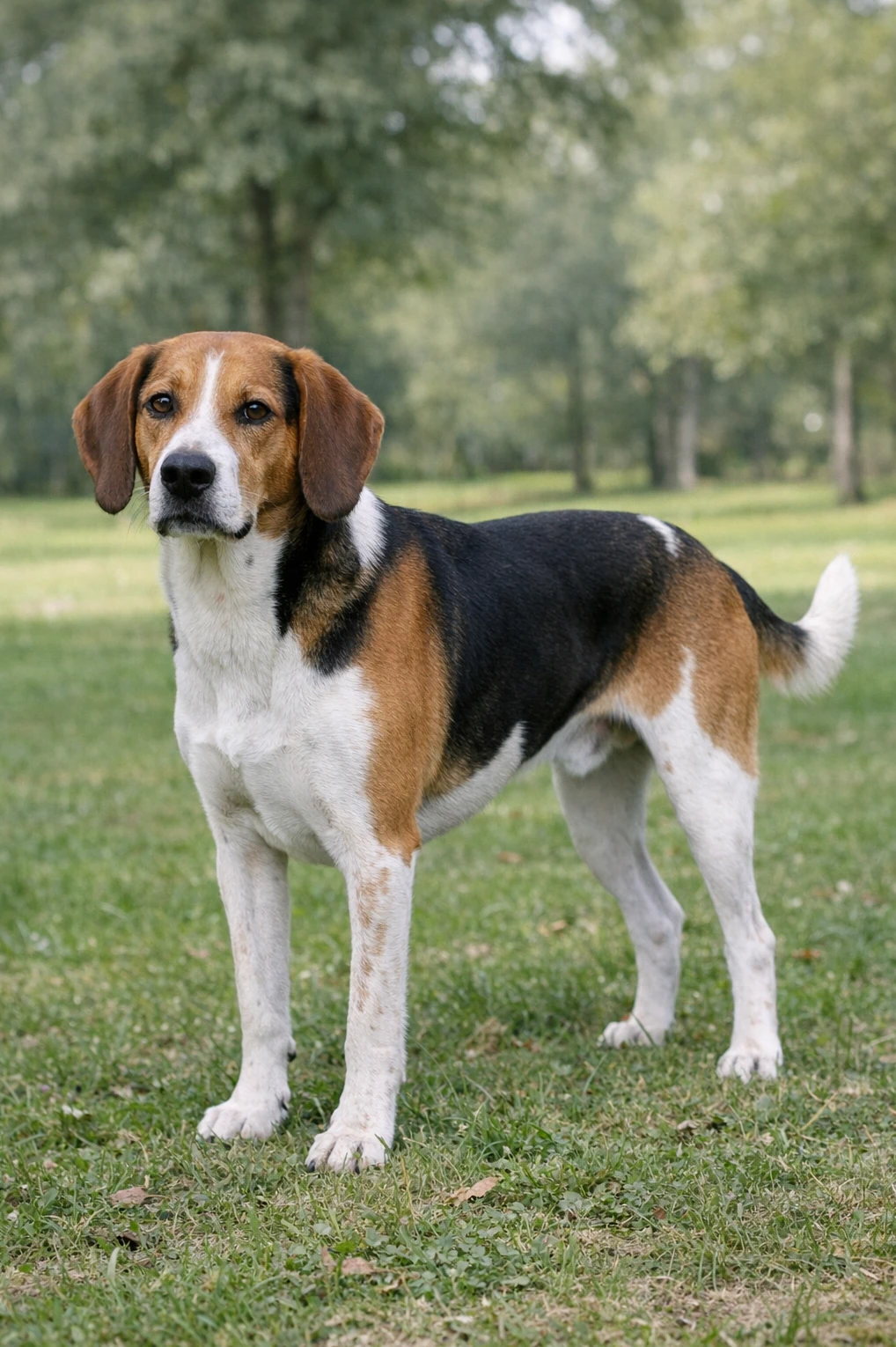
Best Dog Food for American English Coonhound in 2026Based on Nutritional Science
American English Coonhound, a tall, affectionate companion, stands about 24–26 inches and weighs 45–65 pounds. Friendly, endearing, and laid-back. Nutritional Verdict: needs daily balanced, protein-rich, portion-controlled meals for steady energy.

Understanding the American English Coonhound Metabolism and Energy Needs
As a classic scent-and-trail hunter, this lineage evolved for hours of tracking before a reward, so their diet must support endurance, lean muscle and healthy joints. Because they are people-loving and gentle by nature, steady energy and sensible weight control help them stay content and engaged.
Prioritize high quality animal protein to repair and maintain the muscles used for sustained effort, such as chicken, turkey or fish. Healthy fats supply slow-burning calories and support skin and coat, with salmon oil or flaxseed providing omega-3s, while modest complex carbohydrates like sweet potato or brown rice give steady glucose for focus without promoting excess weight.
Joint-supporting nutrients like glucosamine and chondroitin help protect hips from repetitive strain, and antioxidants aid recovery and immune health after outings. Regular meal timing and controlled portions match their calm temperament and reduce the risk of unwanted weight gain.
Managing American English Coonhound Genetic Health Risks Through Nutrition
Hip and Elbow Dysplasia
Helpful nutrients
Progressive Retinal Atrophy and Cataracts
Helpful nutrients
Ear Wax Build-up and Ear Infections
Helpful nutrients
Bloat (Gastric Dilatation-Volvulus)
Helpful nutrients
Overweight and Obesity
Helpful nutrients
American English Coonhound Feeding & Calorie Calculator
Estimated Daily Calories
Tip: Start with this amount and adjust after 2–3 weeks based on your dog's body condition and weight trend.
This estimate provides a starting point for feeding. Individual calorie needs may vary depending on metabolism, body condition, and health status. Always monitor your dog's weight and consult your veterinarian when adjusting diet.
Foods and Ingredients to Avoid for American English Coonhound Dogs
Rich, greasy table scraps and very high-fat treats can be a fast route to weight gain for an American English Coonhound, especially as activity levels drop with age.
Excess body weight stresses hips and elbows, which is a concern for a breed that can be screened for dysplasia, and it can also increase the chance of pancreatitis.
Stick to lean protein and controlled portions, and save fatty treats for rare occasions, so your dog stays trim and able to work or play comfortably.
Deep-chested breeds like the Coonhound are more prone to gastric dilatation and volvulus, often called bloat, which can be life-threatening.
Feeding one giant meal or allowing gulping at mealtime raises that risk, particularly after vigorous exercise or excitement.
Divide daily calories into two or three smaller meals, avoid heavy exercise right before or after eating, and consider a slow-feeder bowl to keep mealtimes calm and safer for this chest-deep breed.
Treats are handy for training an active hunting dog, but too many high-calorie snacks add up quickly and lead to obesity as Coonhounds age.
Extra pounds can worsen joint strain and reduce stamina, making it harder for a working dog to stay fit and happy.
Use low-calorie rewards, reduce meal portions when you increase treats, and choose nutritionally meaningful snacks so training does not compromise long-term health.
Some grain-free diets that rely heavily on peas, lentils, or other legumes have been associated with cases of dilated cardiomyopathy in dogs, particularly when used long term.
While the link is not fully understood, it is sensible to be cautious with diets that use legumes as primary carbohydrate and protein sources.
Talk with your veterinarian before switching to a legume-heavy grain-free formula, especially for a large breed that will live many active years and may have different heart and calorie needs.
Ingredients like synthetic dyes and certain preservatives can trigger skin sensitivities and digestive upset in some dogs, and Coonhounds with ear or skin issues may react more noticeably.
Chronic inflammation from food sensitivities can worsen ear problems, which this breed should have checked regularly.
Choosing foods with natural preservatives and minimal artificial additives helps reduce the chance of flare-ups, and an elimination trial with your vet can pinpoint any troublesome ingredients.
Common human foods such as grapes and raisins, onions and garlic, chocolate, xylitol, and large amounts of salty or seasoned leftovers are dangerous for dogs and should never be offered.
Some of these cause sudden organ damage, while others can cause anemia or low blood sugar, which is especially risky for an active breed that may depend on steady energy.
Keep human snacks out of reach, educate family and guests on safe treats, and consult your vet immediately if you suspect ingestion of a toxic item.
How Nutritional Needs Change Throughout the American English Coonhound Life Stages
Dogs need different nutrition during puppyhood, adulthood, and their senior years, with each stage supporting growth, maintenance, or aging needs. These needs are shaped by a dog’s growth rate, activity level, and breed tendencies, so an American English Coonhound’s large size, working heritage, and health predispositions should guide feeding choices. Consult with your veterinarian and breeder for personalized guidance.
| Life Stage | Age Range | Primary Objective | Key Nutrient Focus |
|---|---|---|---|
| Puppy | 0–15 months | controlled skeletal development, immune support, brain development | DHA, balanced calcium/phosphorus, high-quality protein |
| Adult | 1.5–6 years | lean muscle maintenance and sustained energy | high-quality protein, omega-3 fatty acids, fiber |
| Senior | 6+ years | joint mobility, metabolic health, and cognitive support | glucosamine, chondroitin, antioxidants, lower calories |
American English Coonhound puppies are a large breed that grow steadily over a longer period, so their skeletal and joint development needs careful attention. Controlled, moderate calorie intake helps prevent too-rapid growth that can stress hips and elbows, which breeders commonly screen for.
Choose a large-breed puppy formula with high quality protein for lean muscle, balanced calcium and phosphorus for bone development, and DHA for brain and vision support. Feeding more frequently throughout the day, such as three meals until about six months then two, helps steady energy and reduces gulping.
Because coonhounds can become very active when working, adjust portions to match energy needs and monitor body condition closely. Slow-feeding bowls, measured portions, and avoiding vigorous exercise right before or after meals can help reduce bloat risk and support digestion.
As adults, American English Coonhounds need a balanced diet to maintain lean muscle and steady energy, whether they are a mellow companion or an active field partner. Quality animal protein supports muscle repair while moderate healthy fats provide concentrated energy for working days without promoting excess weight.
Match portion sizes and total calories to your dog’s lifestyle, splitting food into two or more meals to reduce bloat risk common in deep chested breeds. Increase calories on very active days and scale back when activity is low, watching body condition rather than relying on package guidelines alone.
Omega-3 fatty acids and healthy fats help keep the short coat glossy and support joint health, and antioxidants contribute to overall wellbeing and eye support. Regular exercise, routine weight checks, and periodic veterinary screening for hips, elbows, and eyes will help you fine tune diet over time.
In the senior years an American English Coonhound may slow down, and metabolism and calorie needs often decrease while maintaining muscle becomes more challenging. Adjusting calories and keeping protein high quality helps preserve lean tissue as activity wanes.
Joint support becomes increasingly important given the breed’s size and potential for hip or elbow issues, so discuss glucosamine, chondroitin, and omega-3 options with your veterinarian. Antioxidants and nutrients that support eye health are useful because of the risk of progressive retinal atrophy and cataracts.
Digestive tolerance can change with age, so easier to digest proteins, added fiber, and probiotics may improve stool quality and nutrient absorption. Maintain gentle regular exercise, monitor weight and mobility, and work with your vet to balance calories and supplements for comfort and longevity.
Kibble vs Fresh vs Raw for American English Coonhound
Different feeding models suit different lifestyles, activity levels, and health considerations for your American English Coonhound.
This breed benefits from diets that support joints, maintain ideal weight, and reduce bloat risk.
Pros
- Convenient and easy to portion for busy owners.
- Formulas for large, active breeds often include joint support.
- Calorie-dense options help fuel long days of scent work.
- Stable shelf life is handy for hunters and multi-dog households.
Cons
- Dry kibble can increase bloat risk if your dog eats quickly.
- Some formulas contain fillers that contribute to unwanted weight gain.
- Lower moisture content may not support hydration during heavy activity.
- Less palatable than fresh food for picky or senior dogs.
Pros
- High moisture supports hydration and gentle digestion.
- You can tailor calories and joint nutrients for active coonhounds.
- Often more palatable, useful for picky eaters or recovery.
- Allows control over ingredient quality, avoiding common fillers.
Cons
- Requires careful recipes to ensure complete nutrition for large breeds.
- More expensive and time consuming than feeding kibble daily.
- Needs refrigeration and consistent meal prep.
- Improper cooking can reduce essential nutrients if not balanced.
Pros
- High protein profile suits athletic, working coonhounds.
- Some owners report shinier coats and increased energy.
- Less processed ingredients can help dogs with food sensitivities.
Cons
- Higher bacterial contamination risk without strict hygiene and sourcing.
- Raw bones pose choking or splintering hazards even for large dogs.
- Balancing calcium and phosphorus is crucial for large breed health.
- May complicate bloat and weight management without careful portioning.
| Diet Type | Pros for American English Coonhound | Potential Downsides |
|---|---|---|
| High-Quality Kibble |
|
|
| Fresh Cooked Food |
|
|
| Raw Diet (BARF) |
|
|
Our Recommendation
For most American English Coonhounds, high-quality kibble formulated for large, active breeds or a carefully balanced fresh-cooked plan tends to work best.
Raw diets can suit dedicated owners, but they require veterinary guidance and strict hygiene.
See Also
Breeds with similar group, size, and coat characteristics