Best Dog Food for Sloughi in 2026Based on Nutritional Science
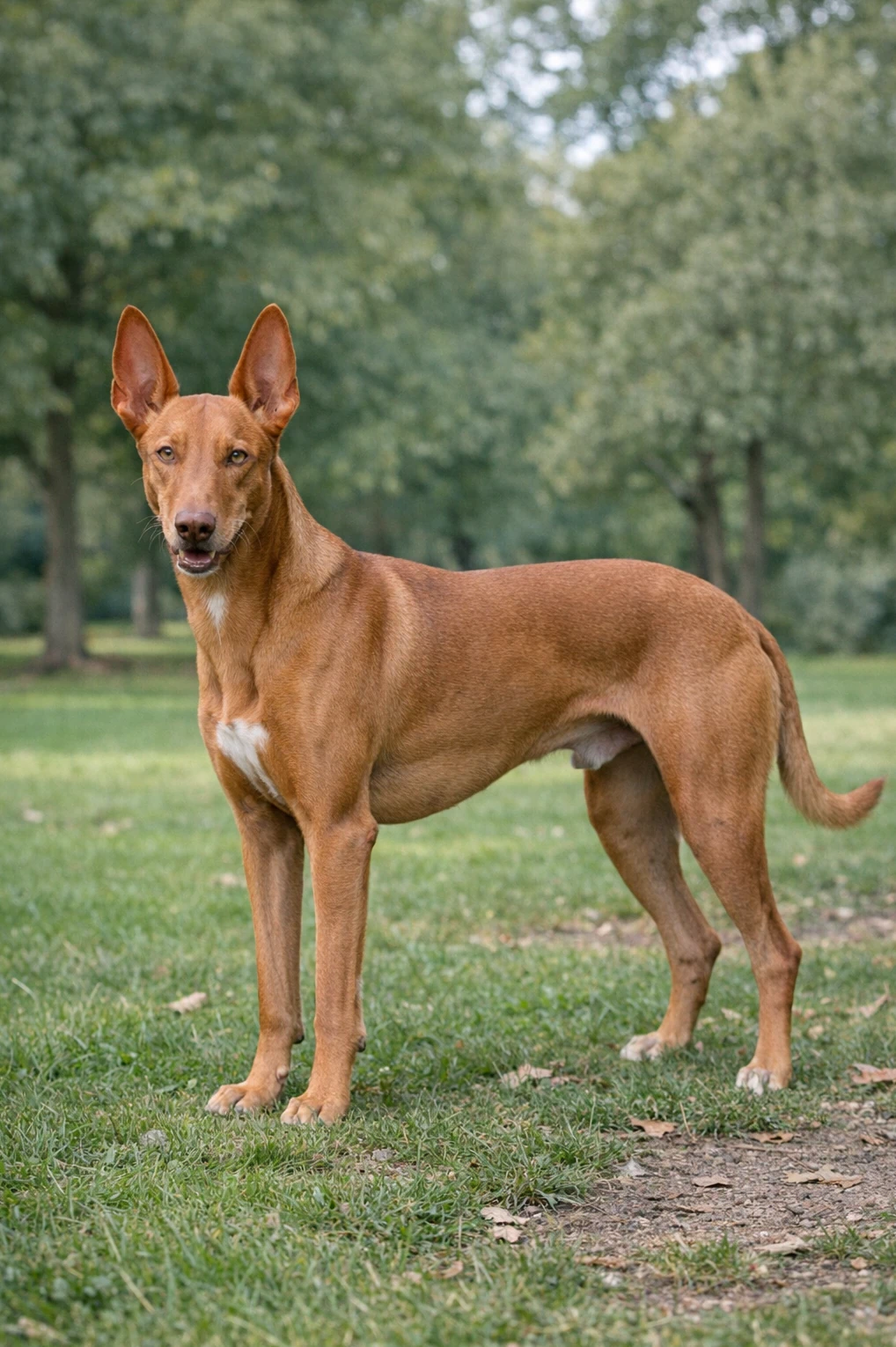
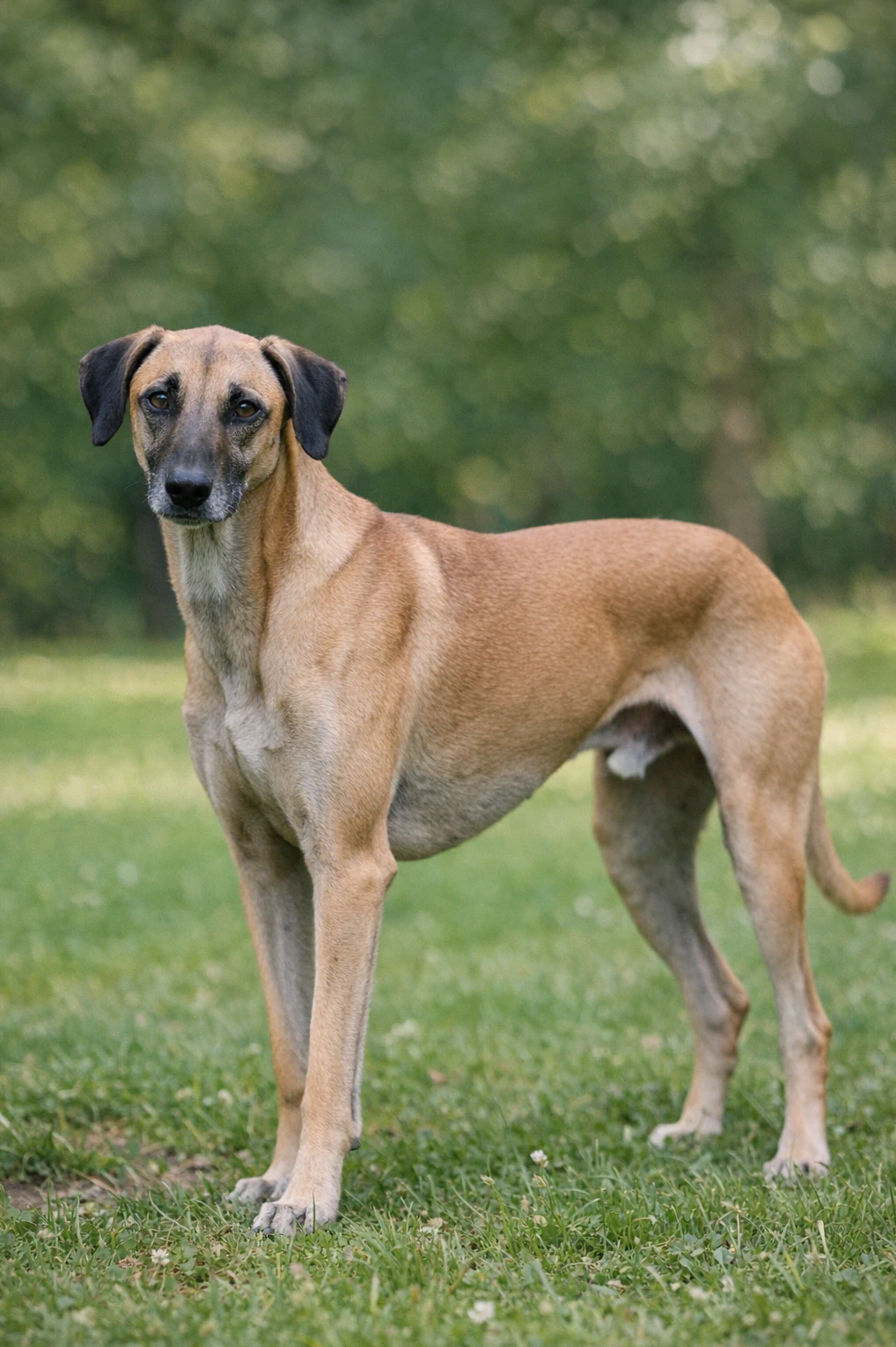
Sloughi males stand about 26-29 inches and weigh 40-65 pounds, a lithe, independent, and regal sighthound.
Nutritionally, they thrive on lean, high-quality protein and controlled portions to maintain muscle and energy, with occasional healthy snacks.
Understanding the Sloughi Metabolism and Energy Needs
As a North African sighthound bred to chase across open terrain, this dog has a lithe, athletic frame and bursts of top-end speed. That lineage explains why their meals should support quick muscle repair and efficient energy use, while keeping body fat low and skin in good condition.
High quality protein is essential because sprinting depends on powerful, responsive muscles and rapid fiber recovery. Moderate fats provide concentrated fuel for short, intense effort and help absorb fat-soluble nutrients, while carbohydrates are best kept to slow-release sources to prevent unwanted weight gain and blood sugar swings.
Omega-3s help maintain a sleek coat and calm joint inflammation after fast work, and joint-building supplements can protect cartilage over time. Aim for a protein-forward recipe with moderate fats, modest carbohydrates, gentle ingredients, and targeted extras to suit their refined, athletic nature.
Managing Sloughi Genetic Health Risks Through Nutrition
Progressive Retinal Atrophy (vision loss)
Helpful nutrients
Ear infections
Helpful nutrients
Dental disease (tartar, gum issues)
Helpful nutrients
Obesity and weight gain
Helpful nutrients
Parasite susceptibility and general immunity
Helpful nutrients
Sloughi Feeding & Calorie Calculator
Estimated Daily Calories
Tip: Start with this amount and adjust after 2–3 weeks based on your dog's body condition and weight trend.
This estimate provides a starting point for feeding. Individual calorie needs may vary depending on metabolism, body condition, and health status. Always monitor your dog's weight and consult your veterinarian when adjusting diet.
Foods and Ingredients to Avoid for Sloughi Dogs
Because some Sloughis can gain weight easily, high-fat foods and fatty table scraps are best avoided.
Excess fats can lead to rapid weight gain and increase the risk of pancreatitis, which is painful and serious.
These dogs are built for speed and lean muscle, so keeping calories balanced with lean proteins and controlled treats helps maintain healthy weight and performance.
If you suspect a sensitivity to rich foods, talk with your vet about low-fat diet options.
Treats are wonderful rewards but can add up quickly for a Sloughi that tends toward extra pounds.
Too many calorie-dense treats or frequent table scraps can push a lean, active dog into carrying extra fat that stresses joints and reduces stamina.
Choose low-calorie, nutrient-dense rewards and limit human snacks, particularly salty or seasoned foods that can upset digestion.
Work with your veterinarian to set daily calorie allowances so treats stay part of training not a source of excess weight.
Onions, garlic, chives and leeks contain compounds that can damage red blood cells and cause hemolytic anemia.
This danger exists whether the Allium is raw, cooked, powdered or hidden in sauces, so even small amounts in leftovers can be harmful over time.
Because Sloughis can be sensitive to dietary changes, avoid any foods seasoned with these ingredients.
If you notice weakness, pale gums or lethargy after ingestion, contact your veterinarian immediately.
Ingredients like BHA, BHT, ethoxyquin and artificial colors can trigger skin reactions or digestive upset in sensitive dogs.
Since some Sloughis are prone to skin issues, choosing foods without harsh preservatives and dyes reduces the chance of itchy skin or tummy problems.
Look for diets preserved with natural antioxidants and minimal additives, and introduce new foods slowly so you can spot any reactions early.
Your veterinarian can help recommend brands that suit a sensitive coat and stomach.
Common human foods such as chocolate, grapes, raisins and anything sweetened with xylitol are toxic to dogs and must never be offered.
These items can cause serious problems like kidney failure, neurological signs or dangerously low blood sugar even in relatively small amounts.
Because a Sloughi’s weight affects the dose that causes harm, store human snacks securely and teach family members not to share.
If your dog consumes any of these ingredients, call your veterinarian or an emergency poison hotline right away.
Diets that rely heavily on legumes, pea protein or lentils have been associated in some studies with heart concerns such as dilated cardiomyopathy in certain dogs.
While the research is still evolving and not all dogs are affected, it is sensible to be cautious with formulas that use legumes as the main protein source.
Choose balanced foods with named animal proteins and a variety of ingredients, and monitor your Sloughi’s energy and heart health during regular vet checkups.
Discuss any grain-free or legume-heavy diets with your veterinarian before feeding them long term.
How Nutritional Needs Change Throughout the Sloughi Life Stages
Dogs have different nutritional needs at puppyhood, adulthood, and their senior years, and Sloughis are no exception. Their diet shifts as they grow because growth rate, activity level, and breed health tendencies influence calorie and nutrient needs. A Sloughi's lean, athletic build and reserved energy means feeding plans should support steady growth, strong bones, and graceful muscle development while managing breed-specific health checks like eye testing and ear care.
| Life Stage | Age Range | Primary Objective | Key Nutrient Focus |
|---|---|---|---|
| Puppy | 0–15 months | controlled skeletal development, immune support, brain development | DHA, balanced calcium/phosphorus, high-quality protein |
| Adult | 1.5–6 years | lean muscle maintenance and sustained energy | high-quality protein, omega-3 fatty acids, fiber |
| Senior | 6+ years | joint mobility, metabolic health, and cognitive support | glucosamine, chondroitin, antioxidants, lower calories |
Puppyhood in a Sloughi is a time of fast, lean growth that needs careful nutritional management. As a large, sighthound breed they grow quickly but must avoid excessive calories and calcium that can stress developing bones.
Feed high-quality puppy food formulated for large-breed dogs with controlled calcium to phosphorus ratios, plenty of digestible protein for muscle and organ growth, and healthy fats for energy. Frequent, smaller meals help regulate blood sugar and support steady growth, starting with three to four meals daily and moving to two by adolescence. Include omega-3 fatty acids for skin and coat and DHA for brain and retinal development.
Monitor weight to prevent rapid growth that could affect the skeleton. Keep regular vet checks for eye and ear health.
As adults Sloughis need a diet that supports lean muscle, steady energy for bursts of speed, and overall graceful condition. High-quality animal protein keeps muscle mass, while moderate fat supplies energy without excess weight.
Choose adult formulas matched to their activity level, lowering calories for a reserved pet and increasing for a working or highly exercised dog. Maintain consistent meal times and watch portion sizes to prevent weight fluctuations.
Prioritize digestible ingredients to suit their smooth, short coat and sensitive digestion, and include omega-3 fatty acids for skin and coat health. Consider joint-support nutrients as a preventive measure and keep routine teeth and ear care so appetite and nutrient absorption stay strong.
As Sloughis enter senior years metabolism often slows and activity tends to decrease, so calorie needs may drop while the need to preserve lean muscle rises. Aging can bring stiffer joints and changes in digestion.
Focus on highly digestible protein to maintain muscle and add joint-supporting nutrients like glucosamine, chondroitin, and omega-3 fatty acids. Antioxidants such as vitamin E and selenium help support cellular health and immune function.
If weight gain is a concern reduce calories and increase gentle exercise, or if appetite or weight loss appears consult your vet. Consider softer kibble or wet food for dental comfort and keep regular checks for eyes and ears to catch breed-specific problems early.
Kibble vs Fresh vs Raw for Sloughi
Different feeding approaches fit different family routines, budgets, and dogs' needs. For a Sloughi, a lean frame, short coat, and bursts of speed influence which diet suits best.
Pros
- Convenient and easy to portion for busy owners.
- Helps control calories to support a lean, athletic Sloughi physique.
- Balanced nutrients in complete formulas support everyday energy and health.
- Dry texture may aid mild tartar reduction between brushings.
Cons
- Some brands include fillers or low-quality ingredients.
- Lower moisture content may not suit dogs that drink little water.
- Portion control is necessary to avoid weight gain in this lean breed.
- May be less appealing to picky Sloughis compared with fresh food.
Pros
- Highly palatable, appealing to picky or sensitive Sloughis.
- High moisture supports hydration and gentle digestion.
- You control ingredients to suit allergies and quality preferences.
- Easily adjusted calories for maintaining a slim, athletic body.
Cons
- Requires careful planning to ensure complete nutrient balance.
- Time consuming and may be more expensive than kibble.
- Needs refrigeration and safe handling to prevent spoilage.
- Inconsistent recipes can lead to deficiencies without guidance.
Pros
- Mimics ancestral feeding, high in whole proteins.
- Some owners see improved coat sheen and energy levels.
- No heat processing preserves certain nutrients.
- Can be tailored for a slender, athletic build.
Cons
- Higher risk of bacterial contamination without strict hygiene.
- Bone pieces can be hazardous for some dogs.
- Requires veterinary guidance to ensure balanced minerals and vitamins.
- Not convenient for frequent travel or busy schedules.
| Diet Type | Pros for Sloughi | Potential Downsides |
|---|---|---|
| High-Quality Kibble |
|
|
| Fresh Cooked Food |
|
|
| Raw Diet (BARF) |
|
|
Our Recommendation
Many Sloughi owners find high-quality kibble or well-planned fresh food balance convenience and a lean, athletic body.
Raw diets can work for some active Sloughis, but they need strict hygiene and veterinary oversight.
See Also
Breeds with similar group, size, and coat characteristics