Best Dog Food for Teddy Roosevelt Terrier in 2026Based on Nutritional Science
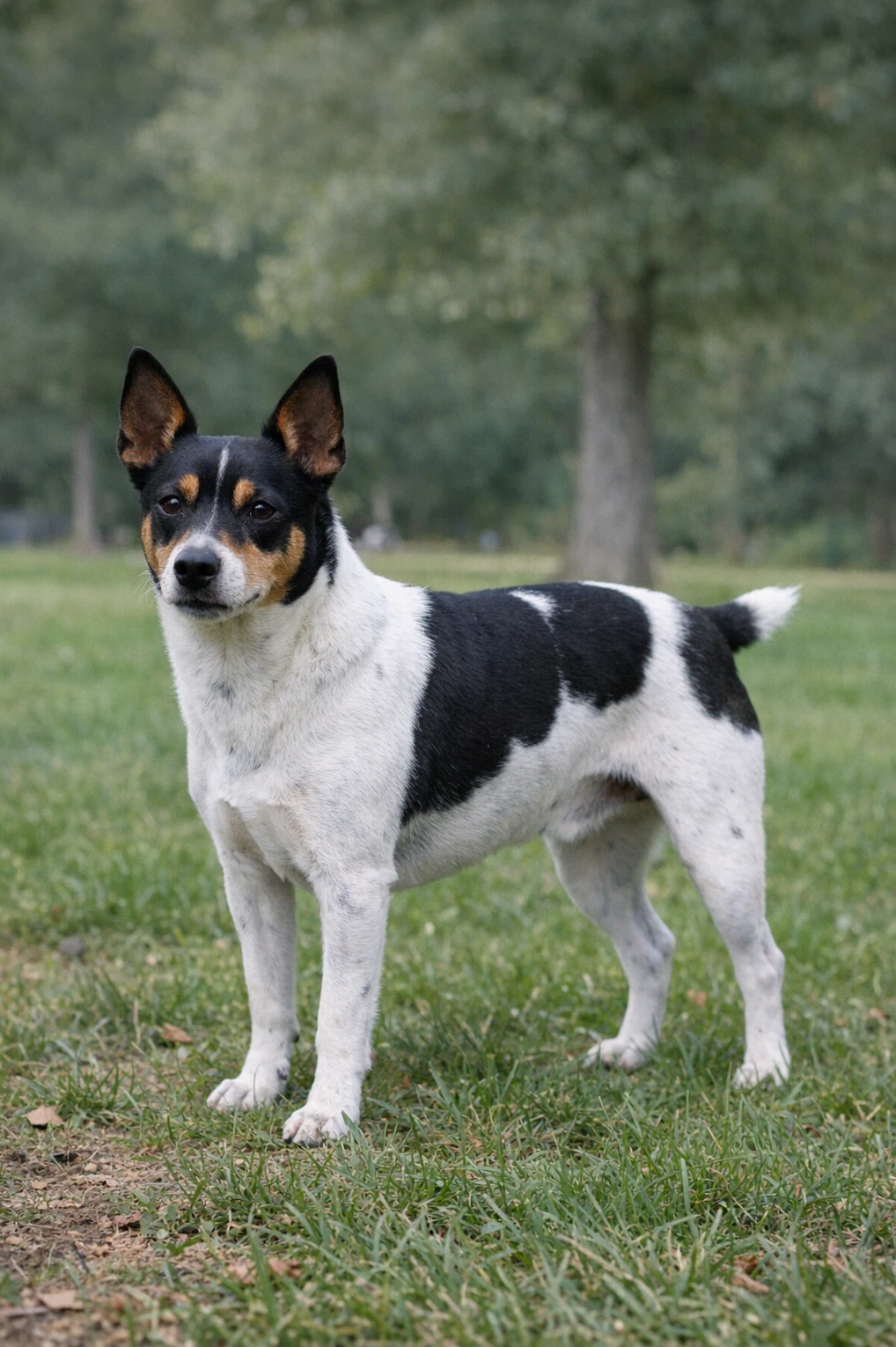
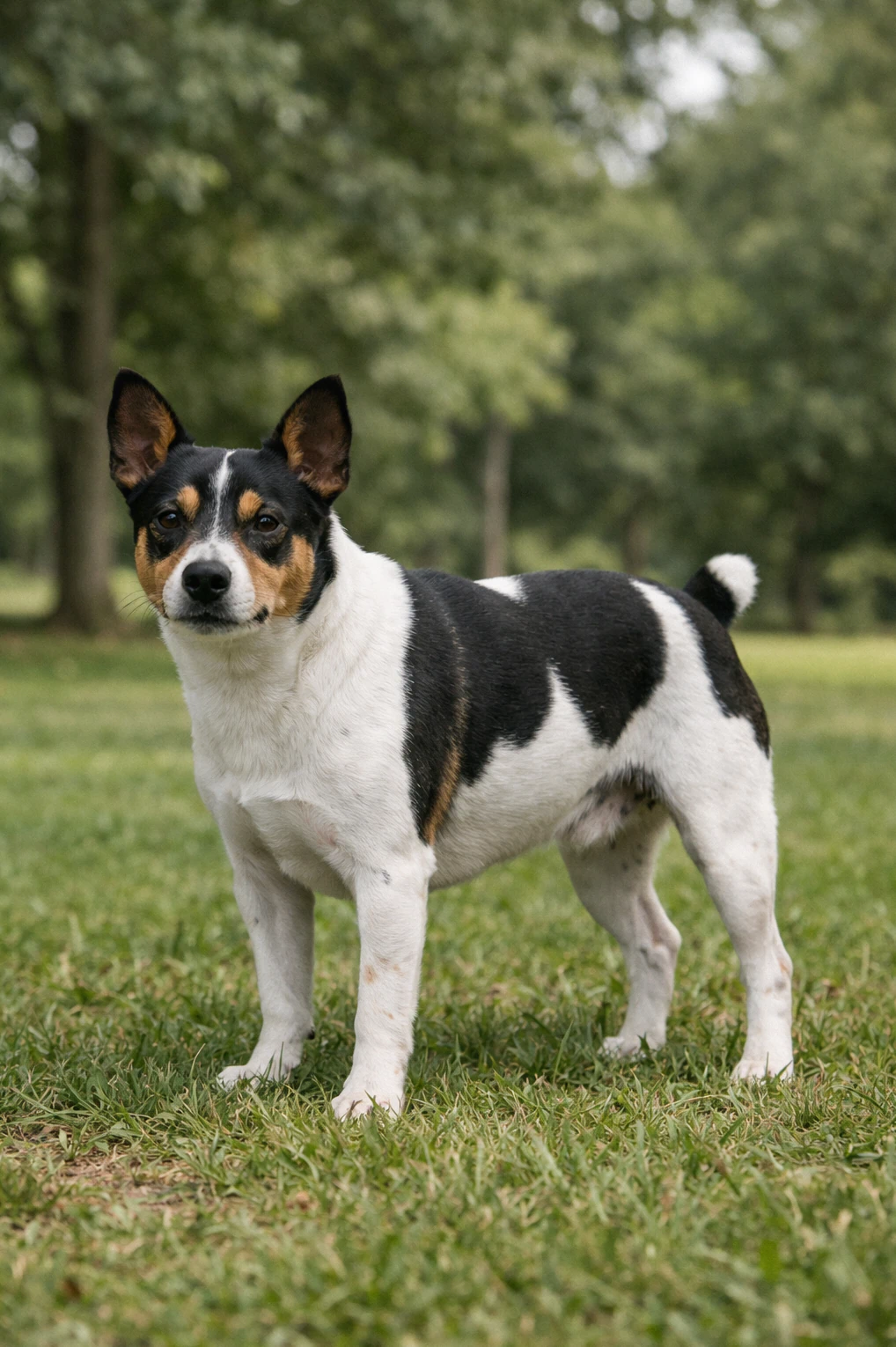
Compact at 8 to 14 inches and 8 to 25 pounds, the Teddy Roosevelt Terrier is sharp, spirited, and adaptable.
Nutritional verdict: feed a balanced, quality diet for small, active dogs to fuel lean muscle.
Understanding the Teddy Roosevelt Terrier Metabolism and Energy Needs
Small, quick-witted companions bred to hunt vermin and work close with humans require a diet that fuels sharp minds and fast bursts. Their history of chasing, digging, and focused tasks means they rely on lean muscle power and quick recovery.
Higher quality protein, around 25 to 30 percent of calories, supports lean mass and cognitive stamina, for example poultry or fish helps muscles used in sudden sprints and problem solving. Moderate fats, about 15 to 20 percent, deliver concentrated energy for play and maintain skin and coat, while modest, low-glycemic carbohydrates offer steady fuel without encouraging extra pounds.
Omega-3s help manage inflammation and support brain clarity, and small amounts of glucosamine and chondroitin can protect joints exposed to repetitive jumping and digging. Regular meals and strict portion control suit their adaptable nature and keep that lively spirit in top form.
Managing Teddy Roosevelt Terrier Genetic Health Risks Through Nutrition
Patellar Luxation
Helpful nutrients
Eye Disease
Helpful nutrients
Obesity and Weight Gain
Helpful nutrients
Teddy Roosevelt Terrier Feeding & Calorie Calculator
Estimated Daily Calories
Tip: Start with this amount and adjust after 2–3 weeks based on your dog's body condition and weight trend.
This estimate provides a starting point for feeding. Individual calorie needs may vary depending on metabolism, body condition, and health status. Always monitor your dog's weight and consult your veterinarian when adjusting diet.
Foods and Ingredients to Avoid for Teddy Roosevelt Terrier Dogs
Teddy Roosevelt Terriers can be prone to gaining weight, and extra body fat puts stress on their small frames and vulnerable joints, such as the knees where patellar luxation can occur.
High-fat table scraps, fried foods, and fatty cuts of meat can quickly add calories and increase the risk of pancreatitis in susceptible dogs.
Keeping fat levels moderate helps maintain a healthy weight and protects joint health. Choose lean proteins and vet-approved treats to reward good behavior without overloading calories.
Because this breed is small, even a few extra bites can add up to significant calories.
Frequent training treats, human snacks, or sharing dinner can lead to gradual weight gain, which increases joint strain and can worsen conditions like patellar luxation over time.
Measure treats and use low-calorie options or break treats into tiny pieces during training.
Always account for treat calories in your dog's daily intake to keep them at a healthy weight.
Xylitol is a sugar substitute found in many sugar-free gums, candies, baked goods, and some peanut butters, and it is extremely dangerous to dogs.
Even small amounts can cause a rapid insulin release, leading to hypoglycemia, and in higher doses it can cause liver damage.
Check ingredient labels carefully before offering any human foods, and avoid dental products and treats that contain artificial sweeteners. If ingestion is suspected, contact your veterinarian immediately.
Grapes and raisins can cause kidney injury in dogs, and there is no known safe dose for every dog.
Small breeds are especially at risk because a small amount represents a larger dose relative to their body weight, and reactions can be unpredictable.
Avoid giving grapes, raisins, or foods that include them.
Offer dog-safe fruits such as small amounts of apple or blueberry after checking with your vet, and remove seeds and cores first.
Big, hard bones and oversized chews can pose a choking hazard or cause tooth fractures in a small-headed breed like the Teddy Roosevelt Terrier.
Slender jaws can struggle with very hard chews, and swallowed large pieces can lead to intestinal blockage.
Choose appropriately sized, softer chew options and supervise chew time. If you prefer raw bones, discuss safe types and sizes with your veterinarian to reduce risks.
Some grain-free diets that rely heavily on legumes and pulses have been linked in certain cases to heart concerns in dogs, possibly related to taurine metabolism.
Small breeds may be affected if their diet lacks balanced nutrients, so avoid making abrupt, long-term diet changes without checking with your vet.
If you are considering a grain-free or homemade diet, work with your veterinarian to ensure it meets all nutritional needs and monitor heart health and taurine levels as recommended.
How Nutritional Needs Change Throughout the Teddy Roosevelt Terrier Life Stages
Dogs need different nutrients at each stage of life, from puppyhood through adulthood to their senior years. For a Teddy Roosevelt Terrier these shifts matter because growth rate, activity level, and breed health tendencies like patellar vulnerability and eye concerns shape feeding needs. Tailoring diet across life stages keeps them lean, active, and supports long term health.
| Life Stage | Age Range | Primary Objective | Key Nutrient Focus |
|---|---|---|---|
| Puppy | 0–12 months | controlled skeletal development, immune support, brain development | DHA, balanced calcium/phosphorus, high-quality protein |
| Adult | 1–7 years | lean muscle maintenance and sustained energy | high-quality protein, omega-3 fatty acids, fiber |
| Senior | 7+ years | joint mobility, metabolic health, and cognitive support | glucosamine, chondroitin, antioxidants, lower calories |
Teddy Roosevelt Terrier puppies grow quickly during the first year, often reaching adult size by around 9 to 12 months. Their skeletal development needs steady, controlled growth to reduce risk of patellar luxation, so calorie intake should avoid rapid spikes while ensuring enough energy for play and learning.
Feed a high-quality puppy formula with appropriate calcium to phosphorus balance, plenty of digestible protein for muscle and DHA for brain and eye development. Offer three to four small meals daily until about six months, then transition to two meals, and work with your breeder or vet to tailor portions based on activity level and any family health screening results.
Adult Teddy Roosevelt Terriers are intelligent and playful, and they need a diet that supports steady energy without excess calories. Maintain lean muscle with high quality animal protein and moderate fat to fuel activity, while including fiber for digestion. Keep portions matched to daily exercise, whether active play, scent work, or calmer city life.
Because this breed can be prone to patellar stress, avoid overfeeding and monitor body condition regularly. Include omega-3 fatty acids for coat and joint health and antioxidants to support eye health, since responsible breeders screen for eye disease. Feed twice daily for routine, and adjust calories if your terrier becomes more or less active or after neutering.
As Teddy Roosevelt Terriers enter their senior years their metabolism often slows and mobility may become more sensitive, especially if patellar issues emerge. Senior dogs may need fewer calories to avoid weight gain, while still getting enough high quality protein to preserve muscle. Highly digestible protein helps digestion, and smaller, more frequent meals can suit a dog with decreased appetite or dental wear.
Support joints with glucosamine, chondroitin, or omega-3s and include antioxidants like vitamin E and beta carotene to protect eye health and overall aging cells. Monitor weight and bowel habits, and work with your vet to screen for eye or orthopedic changes that could affect diet or exercise. Gentle daily activity helps maintain mobility and mental sharpness.
Kibble vs Fresh vs Raw for Teddy Roosevelt Terrier
Different feeding models suit different lifestyles and activity levels. For a Teddy Roosevelt Terrier, size, energy, and common health considerations influence which diet fits best.
Pros
- Convenient and easy to portion for busy owners.
- Complete nutrition in formulas for small, active breeds.
- Some formulas include joint and eye support ingredients.
- Crunch can help reduce tartar on short-coated dogs' teeth.
Cons
- Can be calorie-dense, risking weight gain without careful portions.
- Lower moisture content may not suit dogs that drink little.
- Some brands include fillers or artificial additives.
- Less palatable for picky, intelligent terriers who prefer fresher food.
Pros
- Highly palatable, excellent for picky Teddy Roosevelt Terriers.
- High moisture content supports hydration and healthy digestion.
- Full control over ingredient quality and portion sizes.
- Easier to tailor protein and calories for active, working dogs.
Cons
- More time consuming due to regular meal preparation.
- Higher cost over time compared with standard kibble.
- Requires careful supplementation to ensure complete nutrition.
- Needs refrigeration and planning for outings or travel.
Pros
- High in protein, which suits energetic terriers.
- Some owners report improved coat and vitality.
- Fresh ingredients mean fewer processed fillers.
- Small portion sizes are easy to adjust for this breed.
Cons
- Higher risk of bacterial contamination without strict hygiene.
- Small bones can pose choking or dental hazards.
- Difficult to balance nutrients without veterinary guidance.
- Not ideal for households with young children or immunocompromised members.
| Diet Type | Pros for Teddy Roosevelt Terrier | Potential Downsides |
|---|---|---|
| High-Quality Kibble |
|
|
| Fresh Cooked Food |
|
|
| Raw Diet (BARF) |
|
|
Our Recommendation
Many Teddy Roosevelt Terriers do well on high-quality kibble or thoughtfully prepared fresh food, depending on owner time and budget.
Active dogs often benefit from higher protein and careful portioning, while raw diets require veterinary guidance and strict hygiene.
See Also
Breeds with similar group, size, and coat characteristics