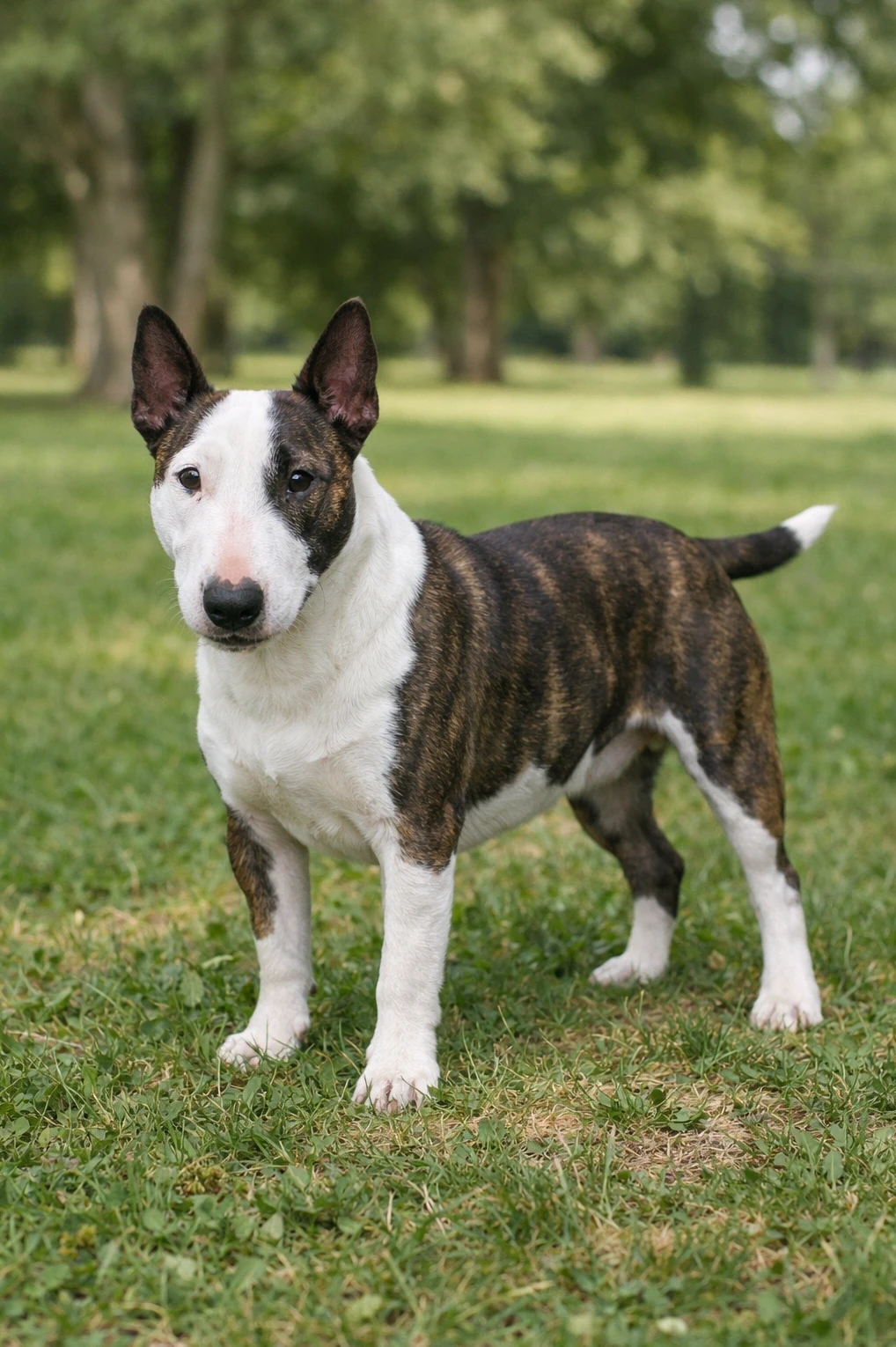
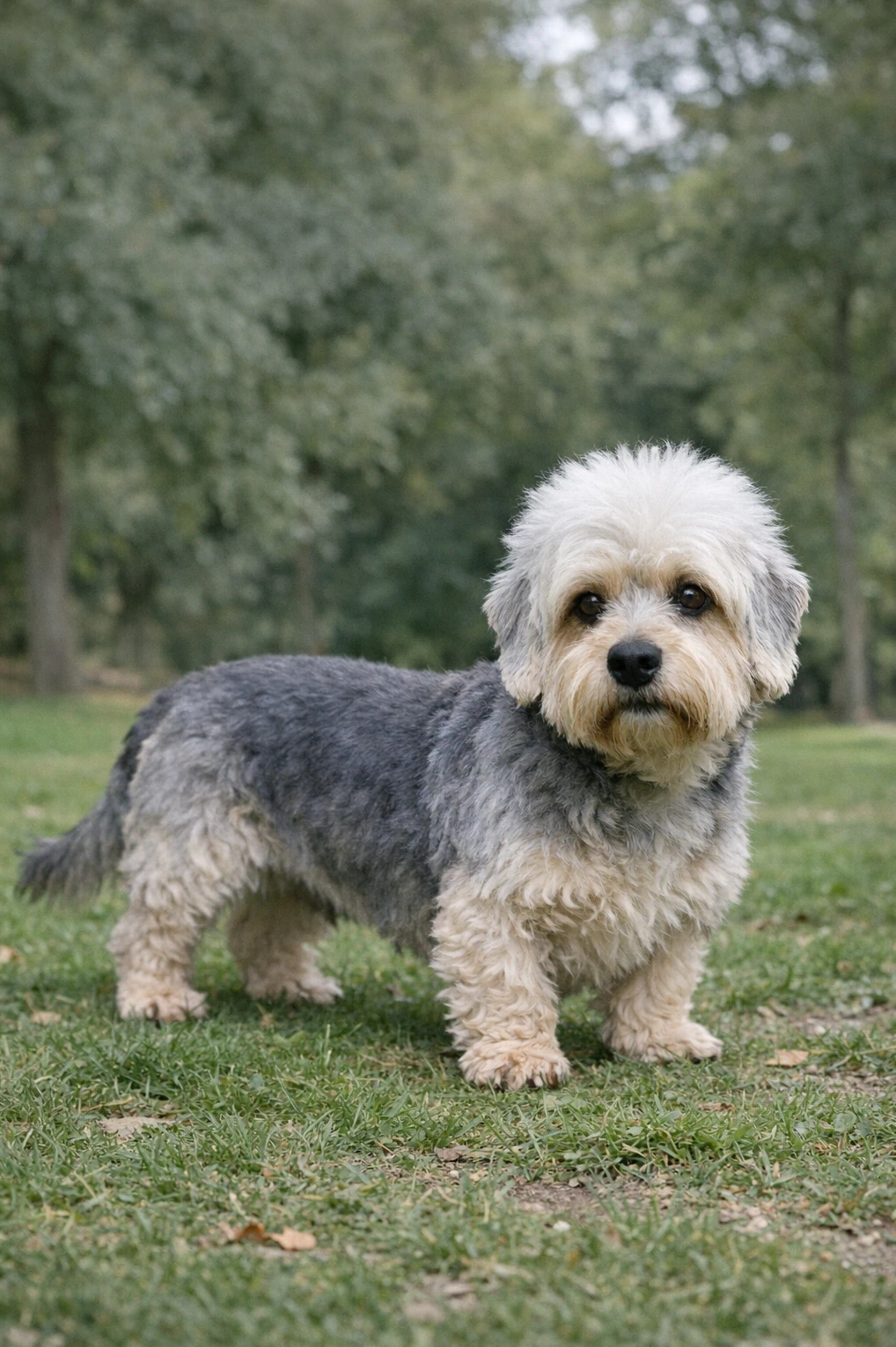
Best Dog Food for American Hairless Terrier in 2026Based on Nutritional Science
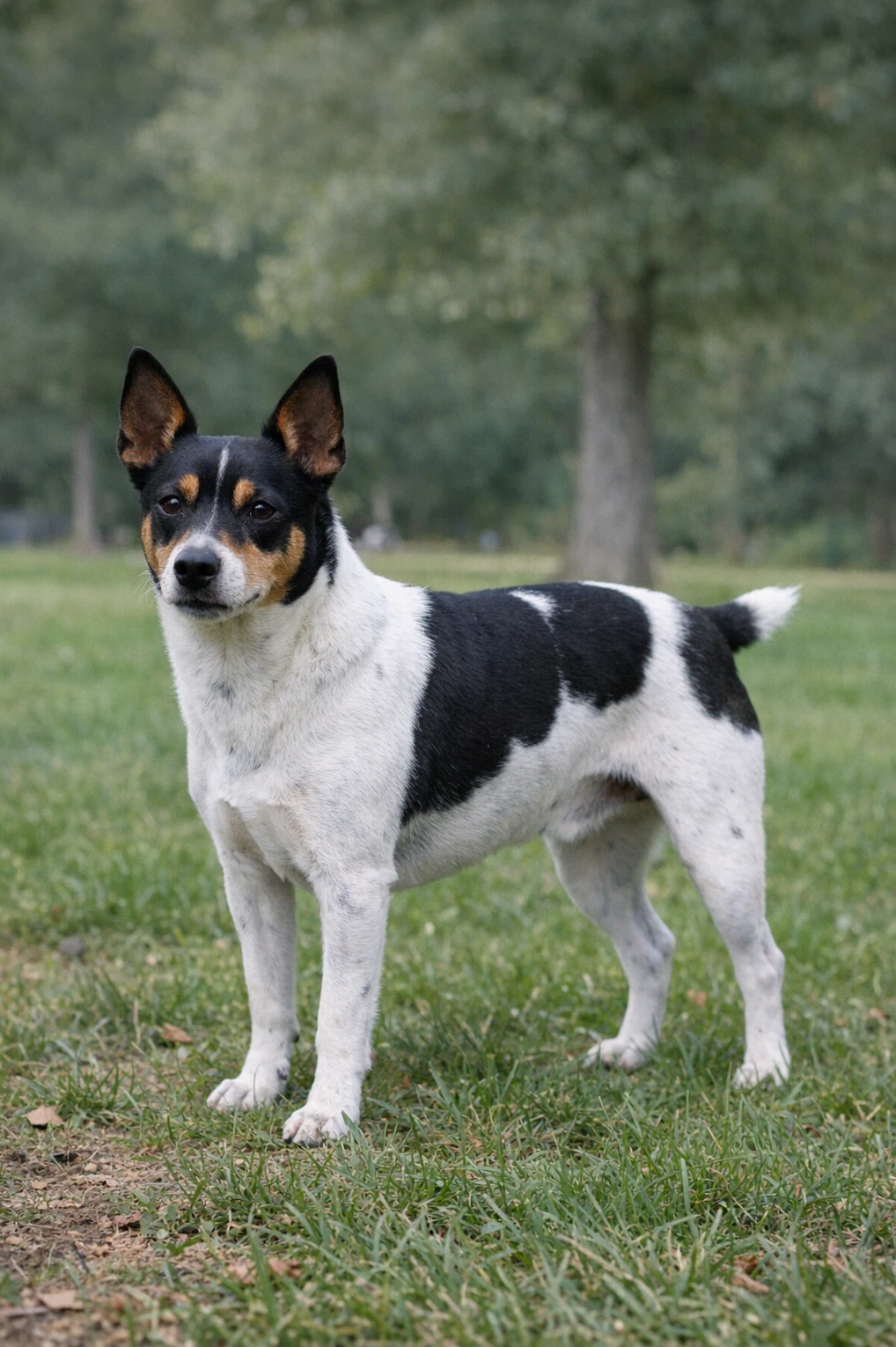
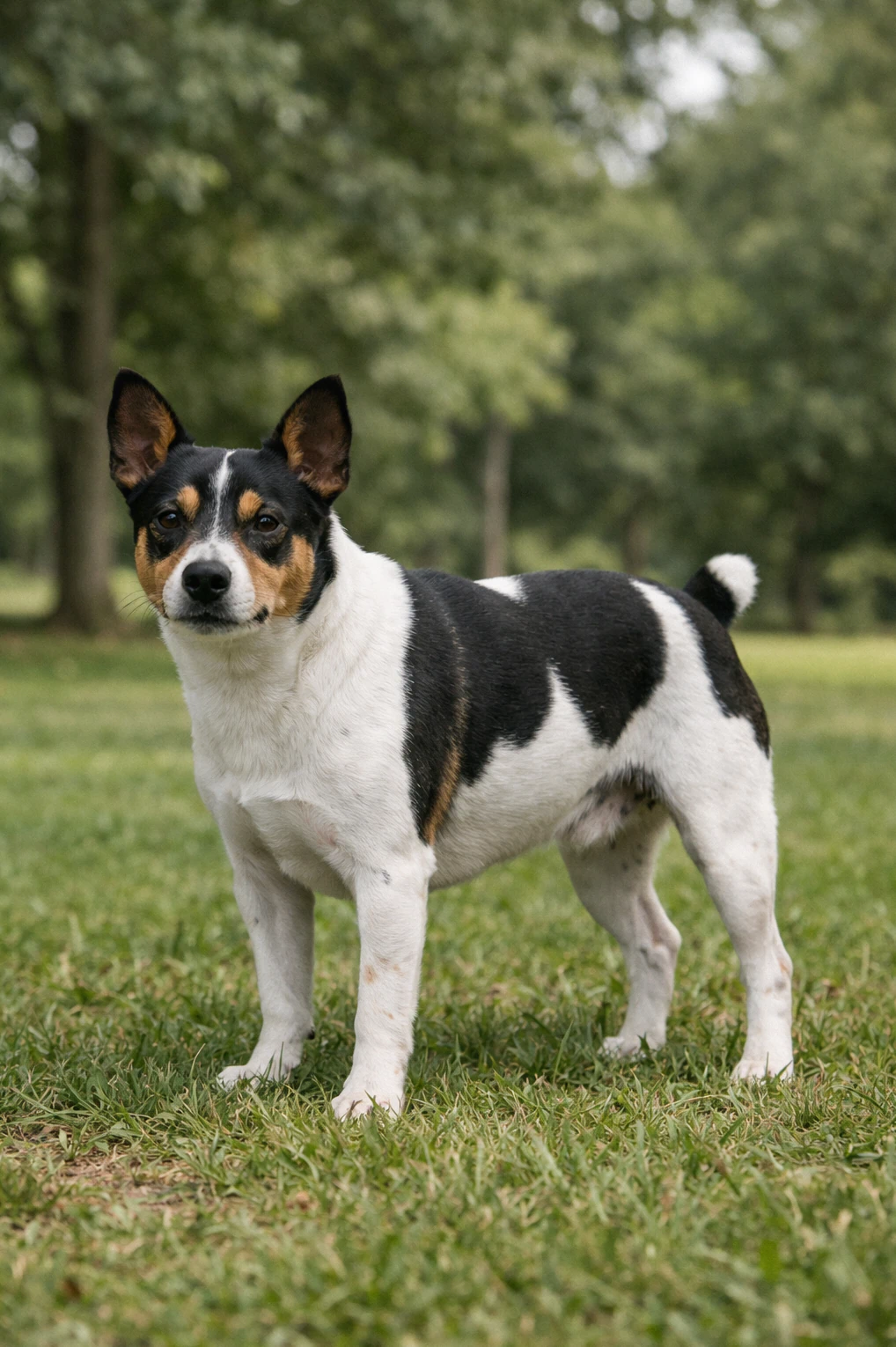
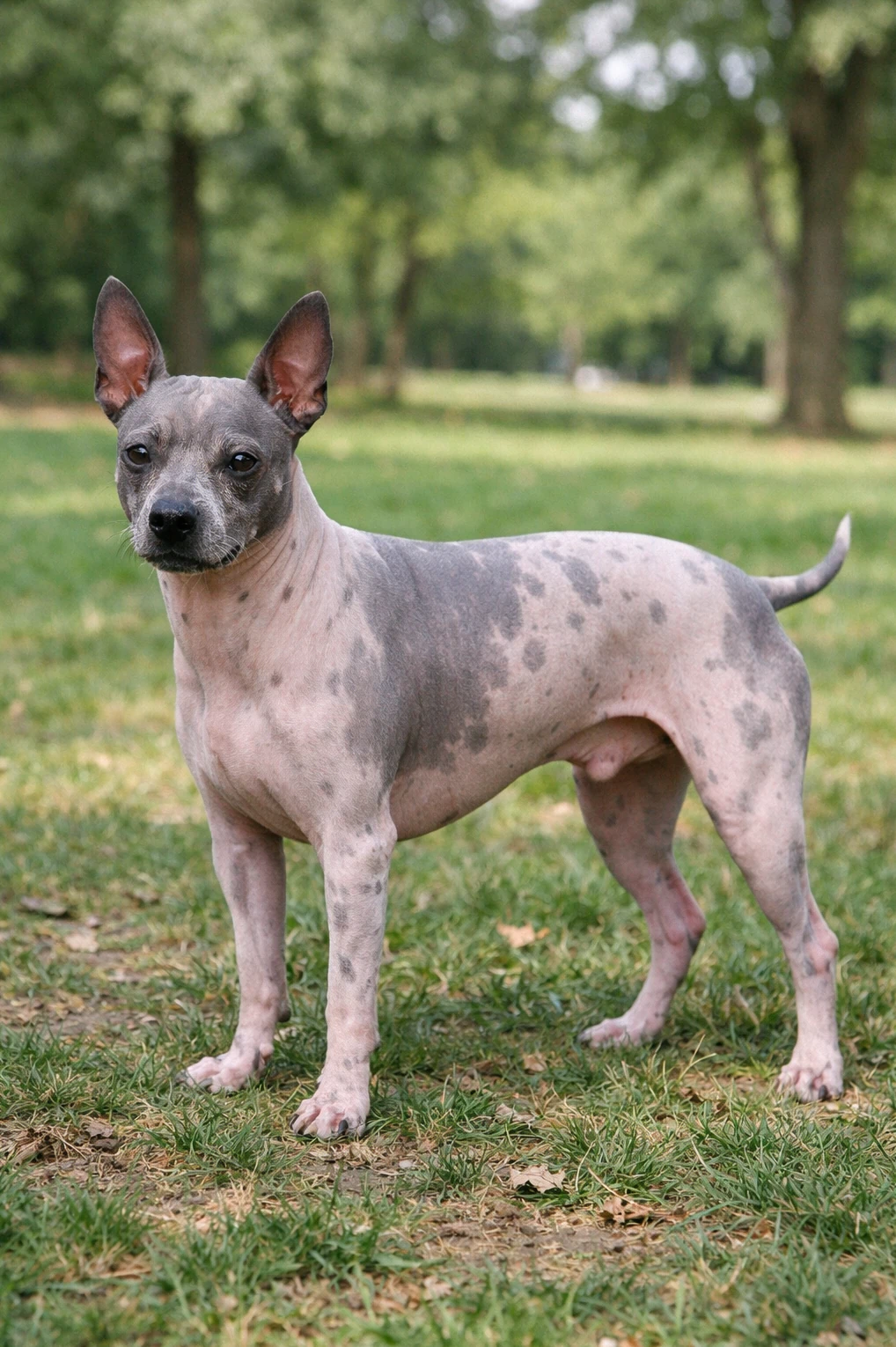
American Hairless Terrier is a compact companion, about 12 to 16 inches tall and 12 to 28 pounds. Attentive, inquisitive and lively.
Nutritional verdict: a balanced, protein-rich diet helps sustain energy and skin health.
Understanding the American Hairless Terrier Metabolism and Energy Needs
This small, hairless terrier comes from a line of pest chasers, so a diet must support a high drive and quick bursts of activity while tending to sensitive skin. Their lively, inquisitive temperament pairs with a fast metabolism, meaning food should preserve lean mass and provide steady fuel without excess bulk.
Rich animal proteins supply the amino acids needed for muscle repair and healthy skin renewal, so quality sources like poultry or fish are helpful. Concentrated fats give compact energy and support the skin barrier, and omega fatty acids from fish oil or flaxseed soothe and strengthen exposed skin.
Moderate, slow-release carbohydrates such as sweet potato or brown rice offer sustained energy for play without spikes. Practical supplements to consider include zinc and vitamin E for skin health, B vitamins for stamina, and probiotics to aid digestion.
Portion size and calorie density should be adjusted to activity and body condition, and routine vet checks will help tailor the plan for lifelong comfort and vitality.
Managing American Hairless Terrier Genetic Health Risks Through Nutrition
Hip Dysplasia
Helpful nutrients
Cardiac Conditions
Helpful nutrients
Luxating Patella
Helpful nutrients
Legg-Calve-Perthes Disease
Helpful nutrients
Ear Irritation and Wax Buildup
Helpful nutrients
Dental Disease
Helpful nutrients
Obesity
Helpful nutrients
American Hairless Terrier Feeding & Calorie Calculator
Estimated Daily Calories
Tip: Start with this amount and adjust after 2–3 weeks based on your dog's body condition and weight trend.
This estimate provides a starting point for feeding. Individual calorie needs may vary depending on metabolism, body condition, and health status. Always monitor your dog's weight and consult your veterinarian when adjusting diet.
Foods and Ingredients to Avoid for American Hairless Terrier Dogs
Too much fat, whether from table scraps, fried foods, or rich treats, can quickly lead to weight gain and even pancreatitis in small breeds like the American Hairless Terrier.
Extra weight adds pressure to hips and knees, which can worsen conditions such as luxating patella or hip problems, and makes recovery from any orthopedic surgery harder.
Stick to lean proteins and vet-approved treats to protect their joints and keep their energy steady.
This breed can pack on pounds if calorie intake is not monitored, so frequent training treats and free-feeding increase the risk of obesity and related health problems.
Carrying extra weight stresses the spine, hips, and knees and can complicate issues like hip dysplasia or Legg-Calve-Perthes that may require surgical care.
Use small, measured rewards, factor treats into daily calories, and check portion sizes with your veterinarian to keep your terrier trim and mobile.
Dogs with a predisposition to cardiac conditions do better on diets low in added salt and processed ingredients commonly found in human snacks and deli meats.
Excess sodium can strain a small heart and worsen circulatory issues, while processed foods often carry empty calories that promote weight gain.
Choose whole, balanced dog foods or home-prepared meals approved by your vet, and avoid giving salty human leftovers as a regular habit.
Xylitol, found in sugar-free gum, some peanut butters, and many diet products, can cause a dangerous drop in blood sugar and liver damage in dogs even in very small amounts.
Artificial sweeteners are not worth the risk for a small terrier who can be especially sensitive to toxins by body weight.
Always read labels carefully and keep sweets and sugar-free items well out of reach to prevent accidental poisoning.
Common human foods like chocolate, grapes and raisins, and all forms of onion or garlic are toxic to dogs and can cause symptoms from stomach upset to life-threatening organ damage.
Small breeds need only small amounts to be harmed, so even a brief taste can be risky.
Learn the list of unsafe foods, avoid temptations at the table, and contact your veterinarian immediately if you suspect ingestion.
Cooked bones can splinter and cause choking, mouth injuries, or dangerous blockages, and very hard chews can fracture teeth, which is a real concern for a small jaw.
The American Hairless Terrier should be given appropriate-sized, vet-recommended chew options to protect dental health and avoid gastrointestinal emergencies.
Supervise chew time, discard broken pieces, and check with your veterinarian about safe chew choices that match your dog's size and chewing style.
How Nutritional Needs Change Throughout the American Hairless Terrier Life Stages
Dogs need different nutrition as they move from puppyhood to adulthood and into their senior years. Growth, activity, and breed-specific health tendencies shape those needs, so feeding should change as your dog ages. For the American Hairless Terrier, growth rate, energetic nature, and possible joint or hip issues influence calorie amounts, feeding frequency and nutrient balance.
| Life Stage | Age Range | Primary Objective | Key Nutrient Focus |
|---|---|---|---|
| Puppy | 0–12 months | controlled skeletal development, immune support, brain development | DHA, balanced calcium/phosphorus, high-quality protein |
| Adult | 1–7 years | lean muscle maintenance and sustained energy | high-quality protein, omega-3 fatty acids, fiber |
| Senior | 7+ years | joint mobility, metabolic health, and cognitive support | glucosamine, chondroitin, antioxidants, lower calories |
American Hairless Terrier puppies grow at a steady medium pace, usually reaching adult height by about 12 months and filling out by 12 to 18 months. During this time their bones and joints are developing, so balanced calcium and phosphorus levels and controlled calories help support healthy skeletal growth while avoiding overly rapid weight gain that can stress hips.
Feed puppies three to four smaller meals daily until about six months, then transition to two meals as they mature. Focus on high quality protein for muscle and tissue growth, DHA for brain and vision development, and moderate fat for energy, along with appropriate vitamins and minerals. Because this breed can be predisposed to hip and knee issues, monitor body condition closely and work with your breeder or vet to tailor portion sizes.
Adult American Hairless Terriers are alert, curious and energetic, so their diet should support steady energy and lean muscle maintenance. Choose a balanced adult formula with high quality protein to preserve muscle, moderate fat for energy and controlled carbohydrates to prevent excess weight. Keeping protein at a moderate to high level helps maintain muscle mass as activity varies.
Feeding two meals a day helps regulate energy, and total calories should be matched to your dog's daily activity, whether playful bursts at home or regular walks and games. Because this breed can be screened for hip and knee conditions, maintaining a healthy weight is important for joint health, so adjust portions and treat amounts, and consult your vet if you notice any changes in mobility or body condition.
As American Hairless Terriers enter their senior years, metabolism often slows and activity tends to decline, which can lead to weight gain or muscle loss. Age also can bring stiffer joints or increased risk of mobility issues, especially in breeds where hip or knee concerns are screened. Digestion may become less efficient, and dental wear can affect chewing comfort.
Support older dogs with easily digestible, high quality protein to preserve muscle, along with moderate calorie reduction if daily activity drops. Include joint-support nutrients such as glucosamine, chondroitin and omega-3 fatty acids, and add antioxidants like vitamins E and C to support cellular health. Gentle fiber and probiotics help digestion, and regular vet checks will guide portion and supplement choices as needs change.
Kibble vs Fresh vs Raw for American Hairless Terrier
Different feeding models suit different lifestyles and health needs.
For an alert, curious, and energetic American Hairless Terrier, consider activity level, joint screening history, and skin needs when choosing a diet.
Pros
- Convenient and easy to portion for busy owners.
- Consistent nutrition supports active small-breed energy needs.
- Dry texture helps reduce dental tartar buildup.
- Many formulas include joint-support nutrients for at-risk dogs.
Cons
- Lower moisture content may require added water daily.
- Some brands are calorie-dense, risking weight gain without portion control.
- Less flexibility to tailor fat and protein for hairless dogs.
- Quality varies, so read labels and choose reputable formulas.
Pros
- High moisture content supports digestion and hydration.
- Easier to adjust fat and protein for energy and warmth.
- Often highly palatable for picky, energetic terriers.
- You control ingredient quality and can add joint supplements.
Cons
- Time consuming to prepare balanced meals consistently.
- Can be more expensive than commercial kibble long term.
- Requires careful nutrient balancing to avoid deficiencies.
- Needs refrigeration and safe handling to prevent spoilage.
Pros
- High protein mirrors ancestral feeding and supports lean muscle.
- Some owners report shinier skin and higher energy.
- Minimal processing preserves natural nutrients in whole foods.
Cons
- Higher bacterial risk requires strict hygiene and careful sourcing.
- Bone fragments can be hazardous for a small, delicate throat.
- Balancing calcium and minerals is challenging without expert guidance.
- May be too rich in fat for some dogs prone to pancreatitis.
| Diet Type | Pros for American Hairless Terrier | Potential Downsides |
|---|---|---|
| High-Quality Kibble |
|
|
| Fresh Cooked Food |
|
|
| Raw Diet (BARF) |
|
|
Our Recommendation
For most American Hairless Terriers, a high-quality kibble or a thoughtfully prepared fresh diet offers the best balance of convenience and tailored nutrition.
Raw feeding can work for some owners, but it requires careful planning and veterinary guidance for this small, active breed.
See Also
Breeds with similar group, size, and coat characteristics