Best Dog Food for Miniature Bull Terrier in 2026Based on Nutritional Science
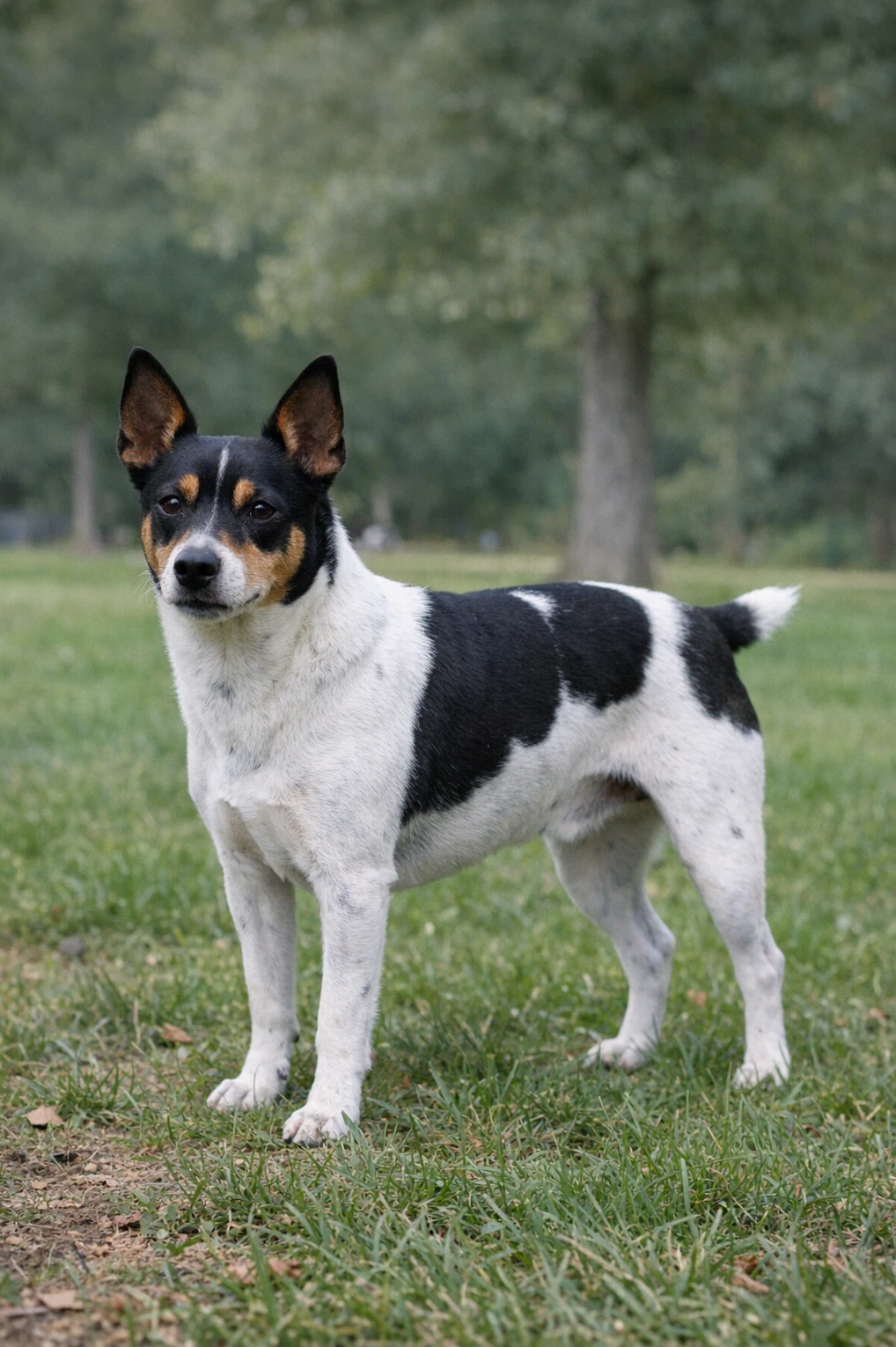
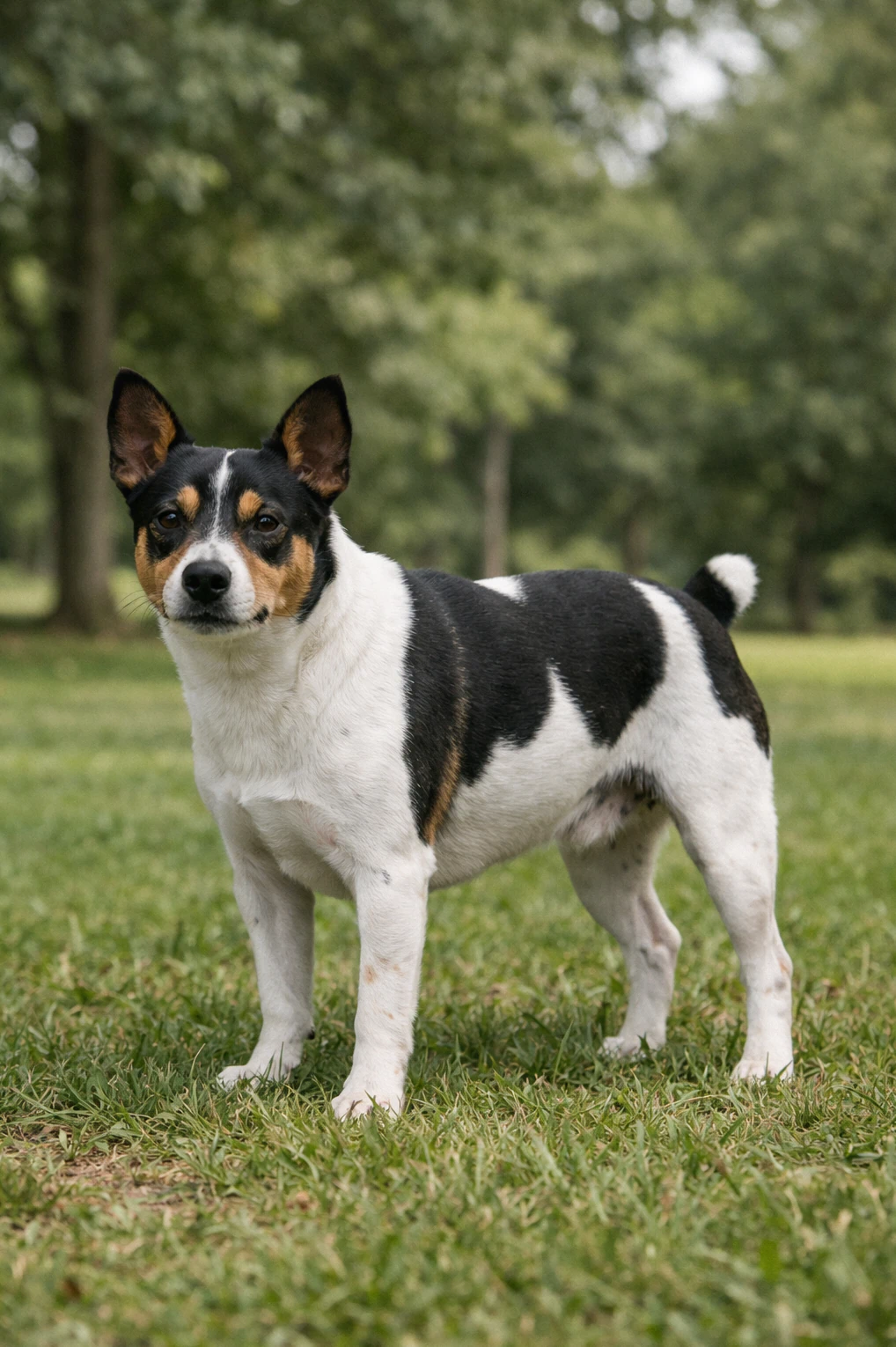
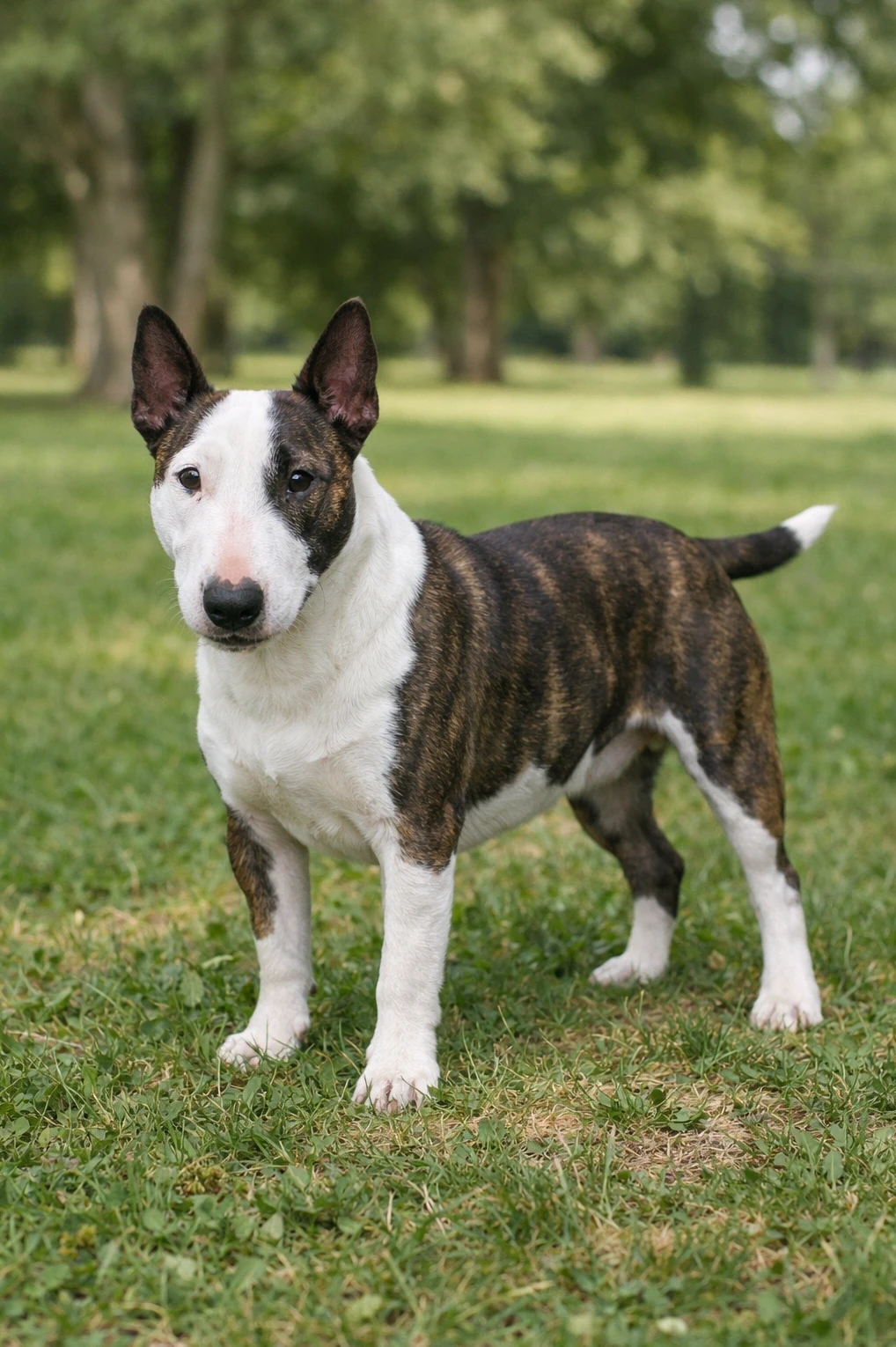
Miniature Bull Terrier, about 10-14 inches tall and 18-28 pounds, is spirited, impish and delightfully clownish.
Nutritional Verdict: needs a balanced, protein-rich diet to fuel activity and maintain lean muscle.
Understanding the Miniature Bull Terrier Metabolism and Energy Needs
This compact, muscular terrier was bred for bold, short-lived work and to live closely with people, so its physiology favors quick energy and fast recovery. That history shapes a modern feeding plan that supports frequent activity, sharp focus and a lively temperament.
Higher quality protein keeps dense muscles strong and repairs tissues after bursts of play, so include animal proteins like chicken, beef or fish. Concentrated fats provide efficient fuel between activities and nourish skin and cognition, making omega-3 rich oils a smart addition. Carbohydrates should be limited to digestible, low glycemic options such as sweet potato to avoid excess weight while offering steady energy.
Omega-3s and antioxidants aid joint comfort and cognitive resilience, and probiotics help digestion for dogs with a curious appetite. Smaller, regular meals assist with stable blood sugar and maintaining a trim, active body.
Managing Miniature Bull Terrier Genetic Health Risks Through Nutrition
Heart issues
Helpful nutrients
Kidney issues
Helpful nutrients
Deafness
Helpful nutrients
Luxating patellas (kneecap issues)
Helpful nutrients
Primary lens luxation (eye health)
Helpful nutrients
Sudden lameness and growth-related orthopedic issues
Helpful nutrients
Obesity and weight management
Helpful nutrients
Miniature Bull Terrier Feeding & Calorie Calculator
Estimated Daily Calories
Tip: Start with this amount and adjust after 2–3 weeks based on your dog's body condition and weight trend.
This estimate provides a starting point for feeding. Individual calorie needs may vary depending on metabolism, body condition, and health status. Always monitor your dog's weight and consult your veterinarian when adjusting diet.
Foods and Ingredients to Avoid for Miniature Bull Terrier Dogs
Miniature Bull Terriers can be prone to gaining weight, and rich, fatty foods increase their risk of obesity and pancreatitis.
Too much dietary fat places extra stress on hips and knees, which is a concern for a breed that can develop luxating patellas and sudden lameness.
Choose lean protein sources and limit fatty table scraps and fried foods.
Feed measured portions of a high-quality diet and check with your vet before adding any rich treats, especially for puppies and seniors.
Treats are useful for training, but this breed’s tendency toward weight gain means calories add up fast.
Frequent human snacks and oversized treats can quickly push a Mini Bull Terrier out of its healthy 18 to 28 pound range and worsen joint stress or heart workload.
Use small, low-calorie training treats or break regular treats into tiny pieces. Track daily calories and reserve table scraps for very rare rewards, not regular feeding.
Puppies of this breed can be prone to growth-related lameness, so uncontrolled use of calcium or growth supplements can cause abnormal bone development.
Supplements meant for large-breed puppies may deliver too much calcium and phosphorus, increasing the risk of orthopedic problems.
Stick to a veterinarian-recommended puppy diet formulated for small to medium breeds, and only use additional supplements under veterinary guidance, ideally with breeder health test information available.
Foods high in salt, like bacon, processed meats, or salty snacks, can be hard on a dog with potential heart or kidney sensitivities.
Excess sodium promotes thirst, fluid retention, and can exacerbate underlying cardiac or renal issues if they exist in your dog.
Avoid giving salty human foods and be cautious with commercial treats that list salt high on the ingredients.
Always provide plenty of fresh water and consult your vet if you suspect a heart or kidney concern.
Certain human foods are toxic to dogs, and for a compact breed like the Miniature Bull Terrier, even small amounts can cause serious harm.
Grapes and raisins can lead to kidney failure, chocolate can cause cardiac and neurological signs, and xylitol in sugar-free products can trigger rapid hypoglycemia.
Keep these items completely out of reach and know your local emergency vet contact. If ingestion occurs, seek veterinary help immediately, as prompt treatment improves outcomes.
This breed can show skin sensitivities and digestive upsets, so artificial preservatives, flavors, and colors may trigger itchiness or tummy trouble.
Ingredients like BHA, BHT, and some synthetic dyes can be irritating for sensitive dogs and offer no nutritional benefit.
Opt for foods with recognizable ingredients and minimal additives, or choose limited ingredient formulas if your dog shows sensitivities.
Discuss dietary changes with your veterinarian to ensure balanced nutrition.
How Nutritional Needs Change Throughout the Miniature Bull Terrier Life Stages
Dogs have different nutritional requirements as they grow from playful puppies to steady adults and finally to quieter seniors. Breed factors like a Miniature Bull Terrier's brisk growth rate, spirited activity level, and common health tendencies influence how much and what type of food is best at each stage. Tailoring diet helps support healthy bones, energy, and long term wellbeing.
| Life Stage | Age Range | Primary Objective | Key Nutrient Focus |
|---|---|---|---|
| Puppy | 0–12 months | controlled skeletal development, immune support, brain development | DHA, balanced calcium/phosphorus, high-quality protein |
| Adult | 1–7 years | lean muscle maintenance and sustained energy | high-quality protein, omega-3 fatty acids, fiber |
| Senior | 7+ years | joint mobility, metabolic health, and cognitive support | glucosamine, chondroitin, antioxidants, lower calories |
Miniature Bull Terrier puppies grow quickly for a medium breed and need steady, controlled nutrition to support skeletal development without promoting overly rapid growth. Their tendency toward sudden lameness and risks with luxating patellas make it important to avoid excess calories and heavy jumping during early months, while ensuring adequate calcium and phosphorus in the correct ratio for bone health.
Feed smaller, frequent meals, typically three to four times daily until around six months, then transition to two meals. Emphasize high quality animal protein for lean muscle, controlled healthy fats for energy, and DHA for brain and eye development. Avoid calcium or vitamin D supplements unless recommended by your veterinarian, and ask the breeder about health tests for heart, kidneys, and eyes so you can tailor early nutrition with confidence.
Adult Miniature Bull Terriers are compact, muscular dogs with an upbeat, mischievous nature, so maintaining lean muscle mass and steady energy is key. Aim for a balanced diet with quality animal protein and moderate fat to fuel play and training without excess calories that lead to weight gain. Look for digestible ingredients and appropriate portion sizes based on activity level.
Lifestyle matters, because these dogs can be lively and benefit from regular mental and physical exercise to prevent obesity and boredom. Keep an eye on heart and kidney health, and discuss sodium levels and overall protein quality with your veterinarian, especially if health tests indicate concerns. Regular weight checks and body condition scoring will help you adjust food and treats as activity changes.
As Miniature Bull Terriers enter their senior years they often slow down and their metabolism typically decreases, so calorie needs may drop. Aging can affect mobility and digestion, and this breed's predisposition to joint issues and lens problems makes joint support and antioxidant protection valuable. Increase dietary fiber and choose more digestible proteins to support gentle digestion and nutrient absorption.
Consider a diet with glucosamine, chondroitin, and omega 3 fatty acids to help maintain joint comfort and mobility, along with antioxidants like vitamin E and selenium for cellular health. Keep protein quality high to preserve muscle while moderating calories, and if heart or kidney tests raise concerns work with your veterinarian to adjust phosphorus, sodium, and overall feeding plan for the best quality of life.
Kibble vs Fresh vs Raw for Miniature Bull Terrier
Different feeding models suit different lifestyles, energy levels, and health needs.
Miniature Bull Terriers are lively and compact, so meals should fuel their play while protecting joints and weight.
Pros
- Easy to portion for busy owners of energetic Miniature Bull Terriers.
- Formulated small-breed recipes support their high energy and compact size.
- Crunchy texture helps reduce tartar on teeth, useful for strong-jawed terriers.
- Long shelf life and easy storage for owners who prefer low-maintenance feeding.
Cons
- Can be calorie-dense, risking weight gain without strict portion control.
- Lower moisture content may not suit dogs that need extra hydration.
- Some formulas include fillers or additives that don't benefit their health.
- Hard kibble can be less appealing to picky, mischievous puppies.
Pros
- Highly palatable for picky, comical eaters.
- High moisture supports digestion and joint health in active little terriers.
- Full control over ingredients helps avoid known breed sensitivities.
- Can be tailored to manage weight and reduce lameness risk.
Cons
- More expensive and time-consuming than kibble for daily feeding.
- Requires careful supplementation to ensure vitamins, calcium, and minerals are balanced.
- Needs refrigeration and meal prep, which may not suit all owners.
- Overfeeding rich home meals can lead to obesity in compact terriers.
Pros
- High protein and minimally processed ingredients appeal to natural diets.
- Many owners report shinier coat and higher energy in playful terriers.
- Flexibility to control ingredient sources and avoid fillers.
Cons
- Strict hygiene required to avoid bacterial risks for household members.
- Small bones pose choking and dental risks for this compact breed.
- Balancing nutrients without expert guidance can worsen health issues.
- Raw food may not suit households with young children or immunocompromised people.
| Diet Type | Pros for Miniature Bull Terrier | Potential Downsides |
|---|---|---|
| High-Quality Kibble |
|
|
| Fresh Cooked Food |
|
|
| Raw Diet (BARF) |
|
|
Our Recommendation
For many Miniature Bull Terrier owners, high-quality kibble offers convenient, balanced nutrition and easier weight control.
Fresh cooked meals work well for picky dogs or those needing joint support, while raw diets can be beneficial but require strict hygiene and veterinary guidance.
See Also
Breeds with similar group, size, and coat characteristics