Best Dog Food for Rat Terrier in 2026Based on Nutritional Science
Miniature Rat Terrier, about 10 to 13 inches tall and 10 to 25 pounds, is sociable, curious, and affectionate. Nutritional verdict: active little dogs thrive on high-quality, protein-rich meals portioned for their energy.
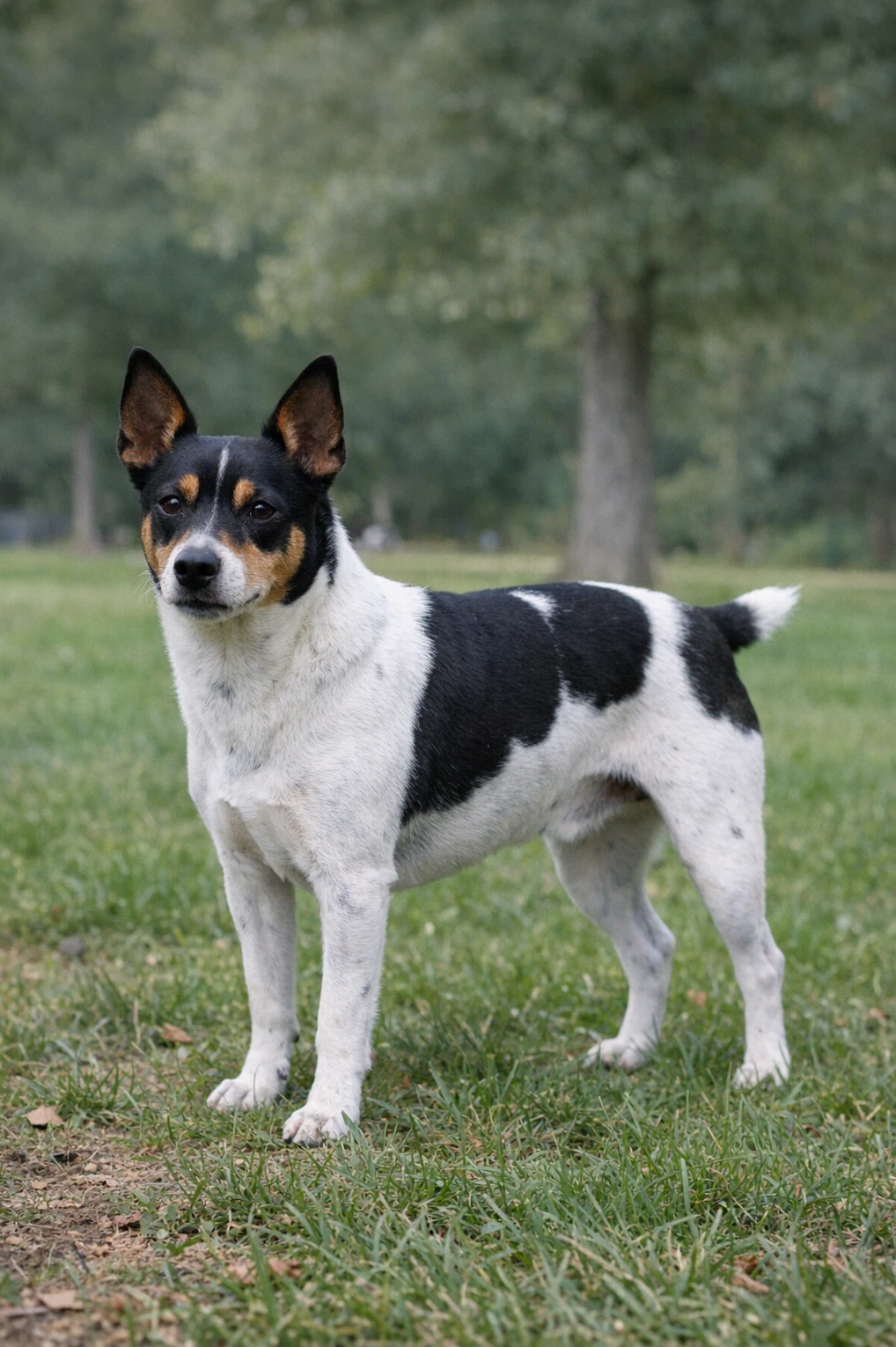
Understanding the Rat Terrier Metabolism and Energy Needs
Bred to hunt vermin and hustle around farms, this compact terrier keeps a lot of energy and bright curiosity, along with a warm, companionable nature. That history shapes modern needs, since their body and mind expect quick energy and steady muscle support.
Higher-quality protein helps sustain their lean muscles and repair tissue after short, vigorous activity, think chicken, turkey, or fish as primary sources. A protein-focused formula will keep them toned without excess calories from fillers.
Moderate healthy fats supply concentrated fuel for bursts of play and help maintain a glossy coat, with fish oil adding beneficial omega fats. Carbohydrates should be controlled and come from low-glycemic sources like sweet potato and peas to prevent excess weight.
Small dogs also benefit from digestive probiotics and joint-support nutrients to match their lively routines. Feeding to activity level and monitoring body condition keeps them fit and happy.
Managing Rat Terrier Genetic Health Risks Through Nutrition
Hip Dysplasia
Helpful nutrients
Patellar Luxation
Helpful nutrients
Legg-Calve-Perthes Disease
Helpful nutrients
Cardiac Disorders
Helpful nutrients
Eye Disorders
Helpful nutrients
Obesity
Helpful nutrients
Rat Terrier Feeding & Calorie Calculator
Estimated Daily Calories
Tip: Start with this amount and adjust after 2–3 weeks based on your dog's body condition and weight trend.
This estimate provides a starting point for feeding. Individual calorie needs may vary depending on metabolism, body condition, and health status. Always monitor your dog's weight and consult your veterinarian when adjusting diet.
Foods and Ingredients to Avoid for Rat Terrier Dogs
Because Rat Terriers are small and can be prone to gaining weight, fatty foods and greasy table scraps are best avoided.
High fat intake can lead to rapid weight gain, and that extra pounds adds stress to the hips and knees, increasing the chance of joint problems.
Very high fat meals can also trigger pancreatitis, which is serious and sudden.
Stick to lean protein sources and controlled portion sizes to keep your terrier fit and comfortable.
Treats are handy for training, but a little goes a long way for a 10 to 25 pound Rat Terrier.
Too many treats can push daily calories over the limit, leading to obesity and a higher risk of orthopedic issues like patellar luxation and hip stress.
Use small, low-calorie rewards and count them as part of the daily ration. This helps maintain a healthy weight and keeps joints and the heart working well.
Some grain-free and boutique diets use large amounts of peas, lentils, or other legumes as primary ingredients.
Emerging research has linked diets high in these ingredients with heart muscle concerns in some dogs, and Rat Terriers can be genetically predisposed to cardiac issues.
It is wise to avoid formulas that list legumes near the top of the ingredient list, and to discuss any diet change with your veterinarian, especially if you have a dog with a family history of heart disease.
Rat Terriers may develop skin sensitivities or tummy upset from artificial preservatives and colorings.
Ingredients like BHA, BHT, and some dyes can trigger itchiness, allergic reactions, or digestive complaints in sensitive dogs.
Choosing foods with natural preservation and minimal additives helps protect the coat, skin, and digestion.
If your dog shows redness, scratching, or loose stools, ask your vet about switching to a cleaner ingredient profile.
Small dogs like Rat Terriers are more vulnerable to toxins because the same amount of a dangerous food represents a larger dose by weight.
Xylitol in sugar-free gum, chocolate, grapes, onions, and certain nuts can cause severe liver failure, low blood sugar, or gastrointestinal distress.
Keep human treats well out of reach and learn the common toxic foods so you can act quickly if an accidental ingestion occurs.
Call your veterinarian or an emergency service at the first sign of trouble.
Big bones and very hard chews can splinter and cause choking, intestinal blockages, or sharp injuries to the mouth and throat, and small-mouthed Rat Terriers are at particular risk.
Cooked bones are especially brittle and unsafe.
Choose appropriately sized, safe chews and supervise chewing sessions. Softer dental chews or vet-recommended toys can satisfy chewing instincts without the splintering hazard.
How Nutritional Needs Change Throughout the Rat Terrier Life Stages
A Rat Terrier's nutritional needs change as it moves from puppyhood to adulthood to its senior years, and thoughtful feeding helps support health across each stage. These needs depend on the breed's relatively quick growth rate, high activity level, and specific health tendencies such as joint and cardiac concerns, so portions, nutrient balance, and feeding frequency should adjust accordingly.
| Life Stage | Age Range | Primary Objective | Key Nutrient Focus |
|---|---|---|---|
| Puppy | 0–12 months | controlled skeletal development, immune support, brain development | DHA, balanced calcium/phosphorus, high-quality protein |
| Adult | 1–7 years | lean muscle maintenance and sustained energy | high-quality protein, omega-3 fatty acids, fiber |
| Senior | 7+ years | joint mobility, metabolic health, and cognitive support | glucosamine, chondroitin, antioxidants, lower calories |
Rat Terrier puppies grow faster than large-breed dogs, reaching much of their adult size within the first year, so careful support of skeletal development is important. Feed them a puppy formula designed for small to medium breeds, because balanced calcium and phosphorus, plus adequate protein and DHA, help bones, muscles, and brain develop without encouraging overly rapid growth.
Offer three to four smaller meals a day while they are very young, then gradually move to two meals as they near adulthood. Monitor weight and hip/knee health closely given predispositions like patellar luxation and Legg-Calve-Perthes, and choose nutrient-dense, digestible foods to match their inquisitive, active nature.
Adult Rat Terriers need a diet that maintains lean muscle and steady energy for their lively, inquisitive personalities. Focus on high-quality animal protein and moderate fat to meet energy needs without excess calories, and include essential fatty acids to support a shiny coat and healthy skin.
Because many Rat Terriers are active, tailor calories to activity level and avoid overfeeding to reduce strain on hips and knees. Short, vigorous bursts of play and digging mean they benefit from nutrient-dense meals and small healthy snacks timed around activity. If a Rat Terrier has a lower activity level, scale back calories and choose higher protein, lower fat options to preserve muscle without weight gain.
As Rat Terriers age, their metabolism often slows and activity levels may drop, which can lead to weight gain if calorie intake is not adjusted. They can also become more prone to joint stiffness and dental or digestive sensitivity, so food that is easier to digest and supports joints is helpful.
Provide high-quality, easily digestible protein to help preserve muscle, along with controlled calories and a bit more fiber to support gut health. Consider supplements or diets with joint-supporting ingredients like glucosamine and omega-3 fatty acids, and include antioxidants to support overall cellular health. Regular vet checkups will guide sodium adjustments for heart concerns or other tailored changes.
Kibble vs Fresh vs Raw for Rat Terrier
Different feeding models suit different lifestyles and dog needs. For an active, inquisitive Rat Terrier, consider energy needs, dental care, joint support, and your daily routine.
Pros
- Convenient and easy to portion for busy owners.
- Small kibble sizes suit the Rat Terrier's small mouth.
- Formulas for small breeds help control calories and maintain weight.
- Dry texture helps reduce tartar buildup on teeth.
Cons
- Lower moisture content may not suit dogs that drink little water.
- Some brands use fillers that can add unnecessary calories.
- Highly palatable formulas can encourage overeating in greedy pups.
- Less fresh protein can be less appealing to picky eaters.
Pros
- High moisture supports healthy digestion and hydration.
- Easier to include joint-support nutrients for active small breeds.
- Gentle on sensitive stomachs and picky Rat Terriers.
- You control ingredient quality and portion sizes.
Cons
- Requires planning and balanced recipes to avoid nutrient gaps.
- More time consuming and often more expensive than kibble.
- Needs refrigeration and careful storage between meals.
- Mistakes in balance can affect long term joint or eye health.
Pros
- High protein and minimal processing can boost coat and energy.
- Some dogs prefer the strong aroma and taste of raw.
- Allows control over quality meats and organ inclusion.
- Can be tailored for weight management in active small dogs.
Cons
- Strict hygiene required to avoid bacterial risks.
- Whole bones pose choking or tooth fracture risks for little mouths.
- Harder to ensure balanced vitamins and minerals without guidance.
- May be impractical or expensive for many owners.
| Diet Type | Pros for Rat Terrier | Potential Downsides |
|---|---|---|
| High-Quality Kibble |
|
|
| Fresh Cooked Food |
|
|
| Raw Diet (BARF) |
|
|
Our Recommendation
Many Rat Terrier owners find high-quality small-breed kibble meets daily energy and dental needs with less fuss.
Fresh cooked diets suit picky eaters or dogs with sensitivities, while raw diets can work but need strict hygiene and veterinary balancing.
See Also
Breeds with similar group, size, and coat characteristics