Best Dog Food for Staffordshire Bull Terrier in 2026Based on Nutritional Science
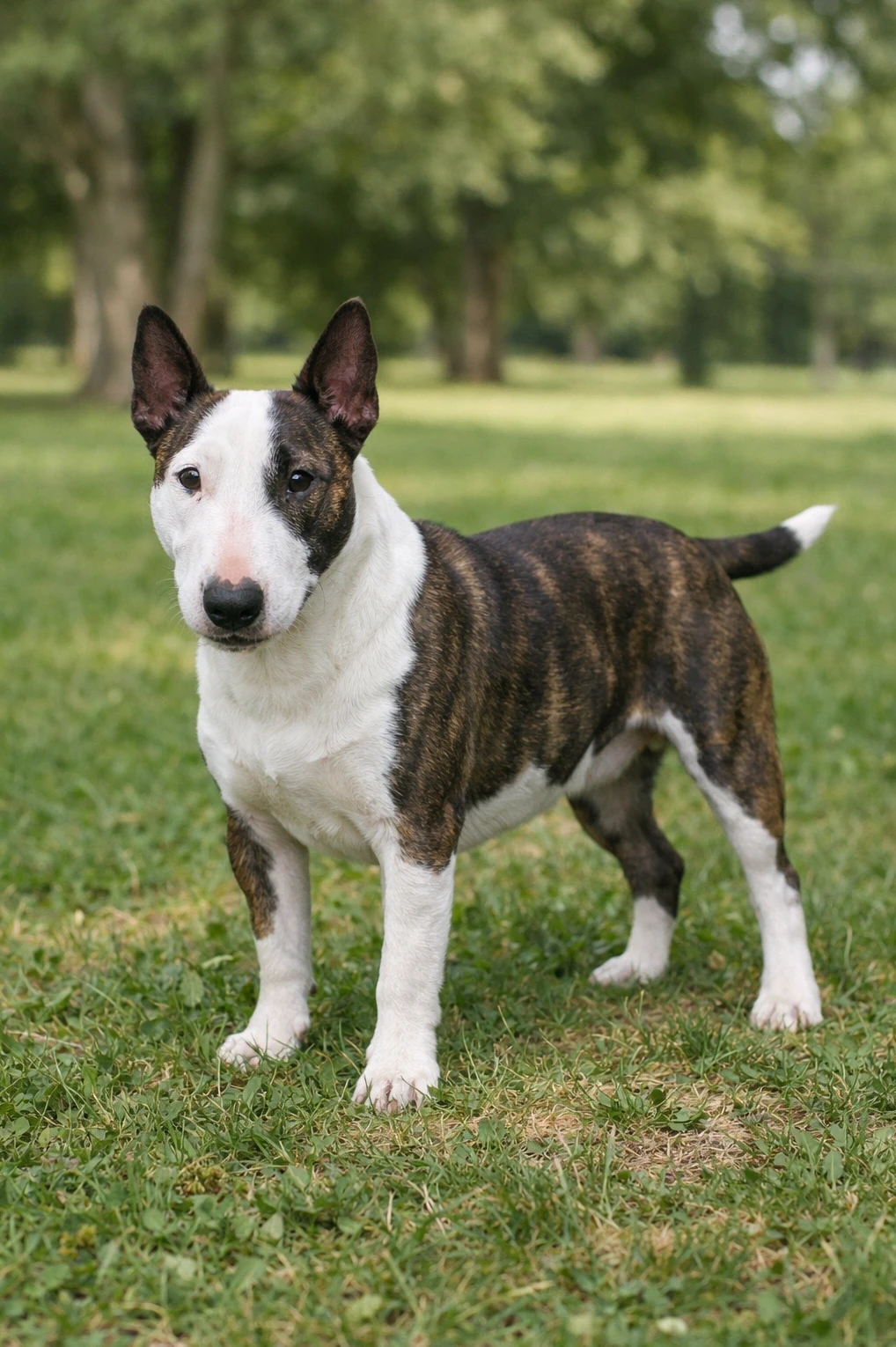
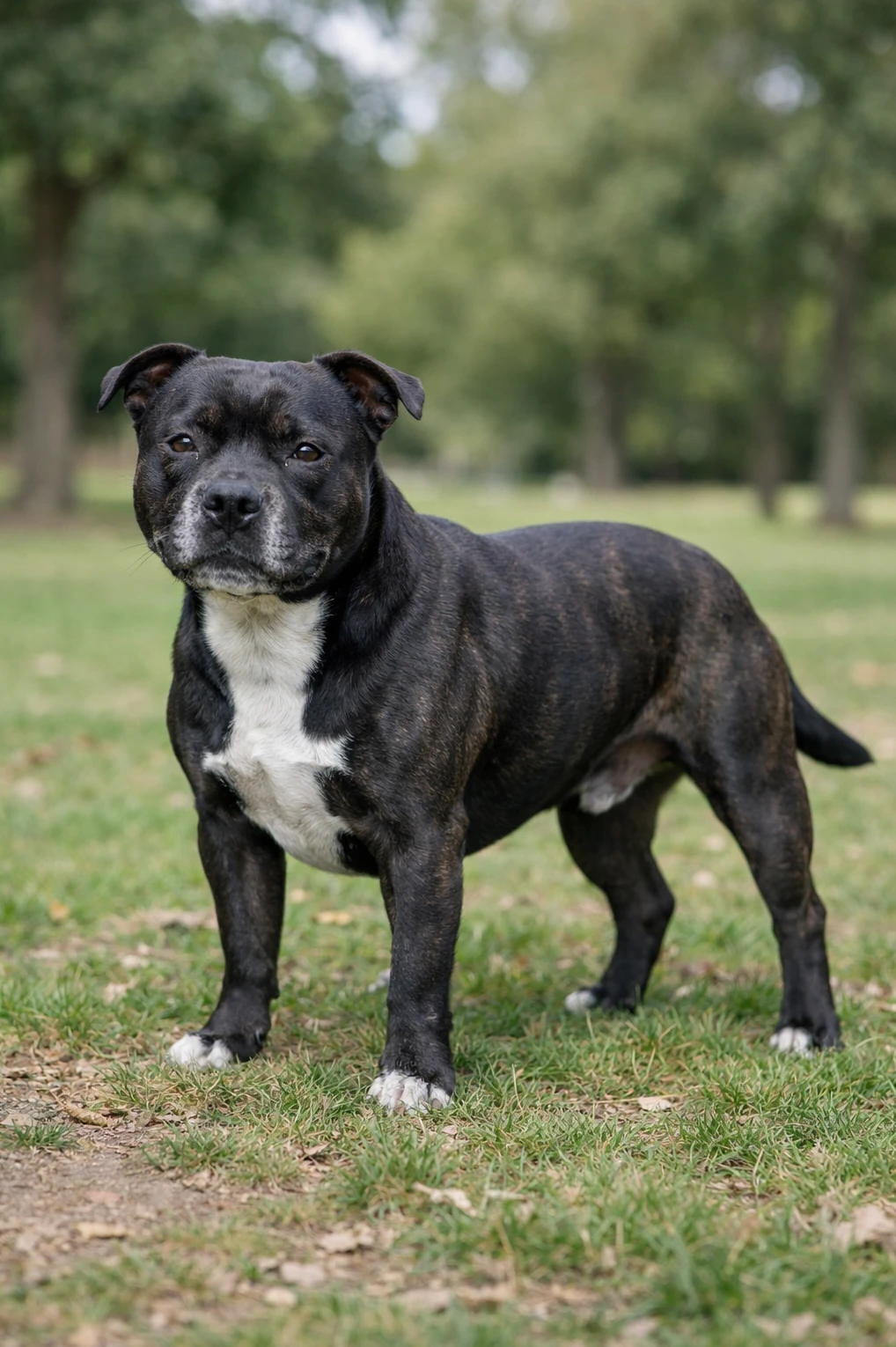
Compact, muscular at 14-16 inches and about 28-38 pounds, this dog is bright, fearless, and resolute. Nutritional verdict: provide a balanced, protein-rich diet with portion control to maintain energy and lean muscle.
Understanding the Staffordshire Bull Terrier Metabolism and Energy Needs
With roots in terrier work, these dogs are sharp, bold and persistently driven. Their compact, muscular build and quick reflexes reflect a history of short bursts of intense activity and mental focus.
A diet higher in quality protein supports lean muscle and powerful jaws, so ingredients like chicken, beef or eggs are beneficial. Healthy fats, from fish oil or flaxseed, supply concentrated energy for active play and help keep the skin and coat healthy.
Complex carbohydrates such as sweet potato provide steady fuel without spiking blood sugar, while limiting excess grains helps prevent unwanted weight gain in these solidly built companions. Joint support nutrients like glucosamine, plus omega-3s and antioxidants for brain health, round out a plan that matches their energetic, determined nature.
Managing Staffordshire Bull Terrier Genetic Health Risks Through Nutrition
Hip and Elbow Dysplasia
Helpful nutrients
Patellar Luxation
Helpful nutrients
Eye Anomalies and Hereditary Cataracts (including PHPV and PPSC)
Helpful nutrients
L-2-HGA (L-2-Hydroxyglutaric Aciduria)
Helpful nutrients
Overweight and Obesity
Helpful nutrients
Staffordshire Bull Terrier Feeding & Calorie Calculator
Estimated Daily Calories
Tip: Start with this amount and adjust after 2–3 weeks based on your dog's body condition and weight trend.
This estimate provides a starting point for feeding. Individual calorie needs may vary depending on metabolism, body condition, and health status. Always monitor your dog's weight and consult your veterinarian when adjusting diet.
Foods and Ingredients to Avoid for Staffordshire Bull Terrier Dogs
Staffordshire Bull Terriers can be prone to weight gain, and feeding high-fat foods or rich table scraps can quickly tip them into overweight.
Extra body weight increases stress on hips, elbows, and knees, which can make dysplasia or patellar luxation more painful and harder to manage.
Keep fats moderate and focus on lean protein and controlled portions, and check with your veterinarian before changing fat content in your dog’s diet.
Treats, human snacks, and carbohydrate-rich foods with added sugar are easy ways for a Staffy to consume too many calories.
Unchecked calorie intake leads to obesity, reduced mobility, and increased strain on joints and spine for a dog that typically weighs 28 to 38 pounds.
Choose low-calorie treats for training, measure meals carefully, and discuss an appropriate daily calorie target with your vet to keep your dog at a healthy weight.
Puppies fed diets excessively high in calcium or calories can develop abnormal bone growth and joint problems, which is a concern for breeds with a risk of hip and elbow dysplasia or patellar luxation.
Growing too quickly adds mechanical stress to developing joints and can predispose to lifelong problems.
Use an age-appropriate puppy formula formulated for medium-breed dogs and consult your breeder or veterinarian before adding supplements or switching to adult food.
Some Staffordshire Bull Terriers are sensitive to artificial preservatives, colors, or flavorings, which can contribute to skin irritation, itching, or stomach upset.
With potential eye and skin sensitivities reported in the breed, minimizing unnecessary additives helps reduce the chance of flare-ups and keeps coats and skin healthier.
Look for foods preserved naturally when possible, and if you suspect a reaction, work with your vet to try an elimination approach.
While some Staffords do well on carefully balanced home-prepared or raw diets, unbalanced recipes can lack essential nutrients needed for joint, eye, and metabolic health.
Raw diets also carry risks of bacterial contamination, which can make both dog and household members ill if not handled and formulated correctly.
If you prefer a home-prepared diet, work with your veterinarian or a veterinary nutritionist to ensure it meets your dog’s life stage needs and takes any genetic health test results into account.
Giving supplements or herbal additives without veterinary approval can cause unintended effects or interfere with medications, and unnecessary supplementation may mask an underlying issue.
Because Staffordshire Bull Terriers may have hereditary eye and metabolic concerns, introducing supplements for joints, eyes, or behavior should follow veterinary assessment and relevant DNA test results.
Ask your vet for evidence-based supplement recommendations, appropriate dosages, and reputable brands before adding anything new to your dog’s regimen.
How Nutritional Needs Change Throughout the Staffordshire Bull Terrier Life Stages
Dogs have shifting nutritional needs as they move from puppyhood to adulthood and into their senior years. Staffordshire Bull Terriers, as muscular and medium-sized dogs, need diets that reflect their breed growth rate, high activity, and any common health tendencies. A balanced approach helps support bones, lean muscle, and long-term wellbeing.
| Life Stage | Age Range | Primary Objective | Key Nutrient Focus |
|---|---|---|---|
| Puppy | 0–12 months | controlled skeletal development, immune support, brain development | DHA, balanced calcium/phosphorus, high-quality protein |
| Adult | 1–7 years | lean muscle maintenance and sustained energy | high-quality protein, omega-3 fatty acids, fiber |
| Senior | 7+ years | joint mobility, metabolic health, and cognitive support | glucosamine, chondroitin, antioxidants, lower calories |
Staffordshire Bull Terrier puppies grow quickly into compact, muscular adults, which makes steady, controlled nutrition important. Support for skeletal development is key, so feeding formulas labeled for growth or all life stages with controlled calcium and phosphorus levels helps avoid rapid bone growth that can stress joints. Frequent, smaller meals support energy and steady weight gain, often three to four meals daily until about six months, then two to three as they mature.
High quality protein fuels lean muscle development in this energetic breed, while moderate fat provides concentrated energy without excess weight. Essential fatty acids support skin and coat health for their short, smooth coat, and omega 3s can help joint and eye health. Because Staffordshire Bull Terriers can be predisposed to hip or elbow issues and certain metabolic or eye conditions, discuss appropriate growth diets and genetic testing with your breeder or veterinarian.
Adult Staffordshire Bull Terriers are compact, muscular dogs that benefit from diets focused on high quality protein to preserve lean mass and moderate fat for steady energy. A balanced formula with complete vitamins and minerals helps maintain metabolism and organ health, while controlled calories prevent excess weight that stresses joints.
Activity level varies with individual temperament and owner routines, so tailor portions and feeding schedules to exercise, using slow feeding for those who eat quickly. Maintain regular weight checks, and consider joint-support nutrients like glucosamine if there is a family history of hip or elbow problems. Always review diet with your veterinarian, especially if your dog shows signs of food sensitivities, weight gain, or changing activity.
As Staffordshire Bull Terriers enter their senior years, metabolism and activity commonly decline, while digestion can become less efficient. Adjusting calories to prevent weight gain is important, while keeping higher quality protein helps retain muscle mass and strength that support mobility. Easily digestible proteins and added fiber can aid digestion and gut health.
Joint support from omega 3 fatty acids, glucosamine and chondroitin can be helpful for dogs with a history of hip or elbow stress, and antioxidants such as vitamin E and beta carotene support cellular and eye health. For breeds with known genetic eye or metabolic risks, regular veterinary exams and tailored diets will help catch changes early. Work with your veterinarian to balance calorie reduction, joint supplements, and any special nutrient needs.
Kibble vs Fresh vs Raw for Staffordshire Bull Terrier
No single feeding model suits every dog, because lifestyle, activity, and health needs differ.
For Staffordshire Bull Terriers, muscle maintenance, joint health, and known genetic risks should guide your choice.
Pros
- Convenient and easy to portion for busy owners.
- Complete nutrition for active Staffordshire Bull Terriers.
- Dry kibble helps reduce tartar through chewing.
- Broad selection with joint-support formulas available.
Cons
- Can be calorie-dense, risking weight gain without careful portions.
- Some formulas include fillers or low-quality protein.
- Lower moisture content may not suit dogs prone to dehydration.
- Less control over ingredient sourcing without careful label reading.
Pros
- Highly palatable, good for picky Staffordshires.
- High moisture supports hydration and digestion.
- Easy to include joint supplements and controlled calories.
- Full control over meat quality and carbohydrate sources.
Cons
- Requires time and planning to ensure complete nutrition.
- Higher cost and frequent refrigeration needed.
- Risk of imbalance if calcium and phosphorus are not managed.
Pros
- High protein profile suits muscular, active dogs.
- Some owners see shinier coats and higher energy.
- Minimal processing preserves natural nutrients.
Cons
- Strict hygiene needed to prevent bacterial contamination.
- Whole bones can be hazardous for this medium-sized breed.
- Harder to guarantee balanced vitamins and minerals without formulation.
- May be risky if genetic metabolic issues like L-2-HGA are present.
| Diet Type | Pros for Staffordshire Bull Terrier | Potential Downsides |
|---|---|---|
| High-Quality Kibble |
|
|
| Fresh Cooked Food |
|
|
| Raw Diet (BARF) |
|
|
Our Recommendation
Many Staffordshire Bull Terriers do well on high-quality kibble that supports lean muscle and joint health, with careful portion control.
If you prefer fresh-cooked or raw diets, work with your veterinarian or a canine nutritionist to ensure balanced nutrition and manage genetic or joint concerns.
See Also
Breeds with similar group, size, and coat characteristics