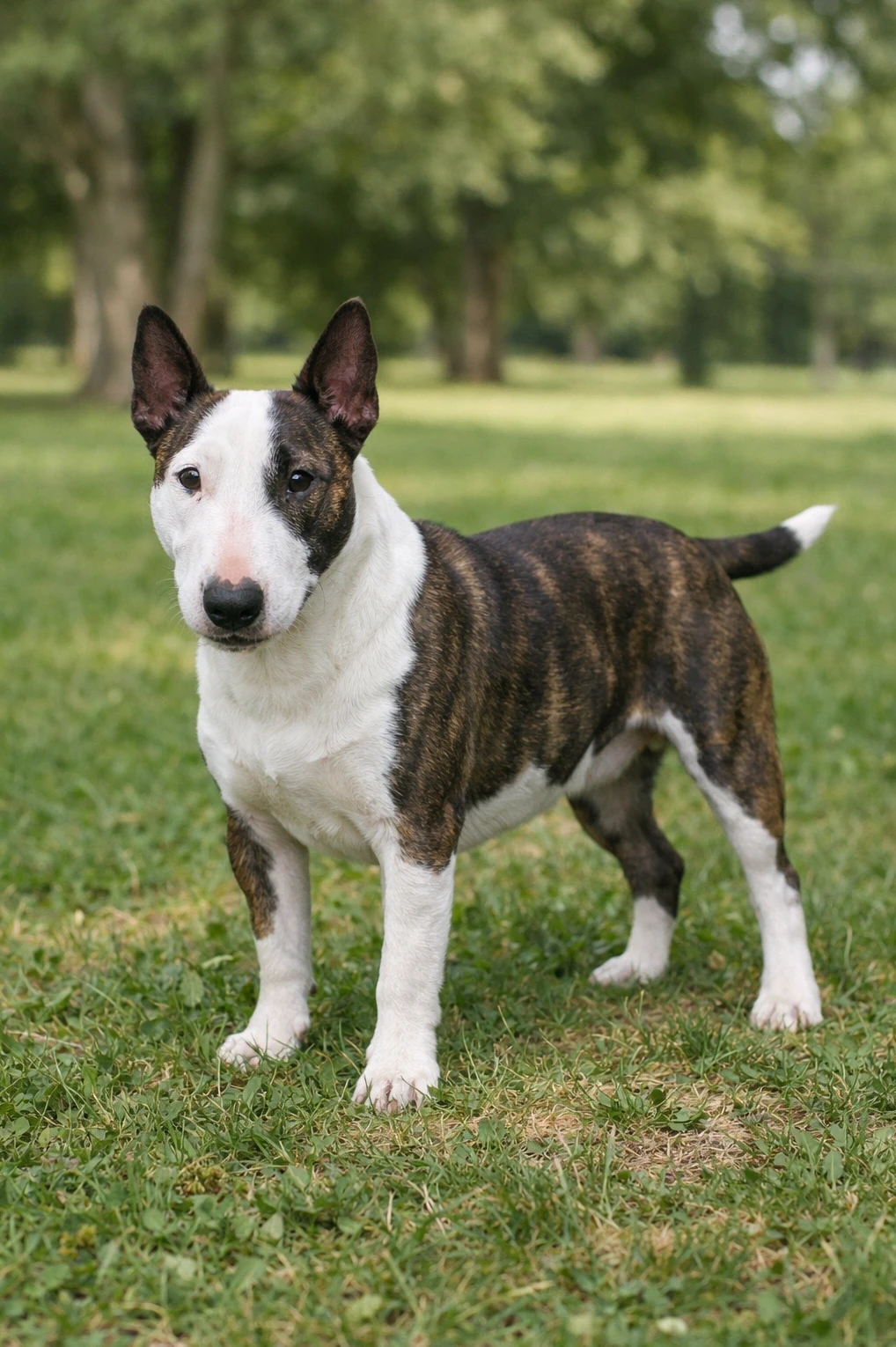
Best Dog Food for Manchester Terrier (Standard) in 2026Based on Nutritional Science
Compact, agile terrier standing 15 to 16 inches and weighing 12 to 22 pounds, smart, lively and very watchful. Nutritional Verdict: lean, protein-rich diet with balanced fats and joint-support nutrients keeps them fit.

Understanding the Manchester Terrier (Standard) Metabolism and Energy Needs
As a terrier-line dog bred for nimble work and quick hunts of small prey, this little athlete needs a diet that supports fast bursts of activity and focused alertness. Lean, high-quality protein builds and preserves the muscles used for sudden sprints and agile turns, while moderate, concentrated fats supply steady energy and help absorb fat-soluble vitamins. Because they are small and lively, calorie density matters, and careful portioning prevents unwanted weight gain.
Complex carbohydrates and digestible fiber keep blood sugar steady and support gut comfort, which helps maintain a consistent mood and attentiveness. Omega-3 fats benefit skin, coat, and cognitive function, while B vitamins support a brisk metabolism. A joint-support ingredient like glucosamine can help preserve mobility for an active little companion, and antioxidants protect brain cells during a long life of curious exploration.
Managing Manchester Terrier (Standard) Genetic Health Risks Through Nutrition
Juvenile cardiomyopathy
Helpful nutrients
Patellar luxation (loose knees)
Helpful nutrients
Obesity and weight gain
Helpful nutrients
Anesthesia sensitivity
Helpful nutrients
Manchester Terrier (Standard) Feeding & Calorie Calculator
Estimated Daily Calories
Tip: Start with this amount and adjust after 2–3 weeks based on your dog's body condition and weight trend.
This estimate provides a starting point for feeding. Individual calorie needs may vary depending on metabolism, body condition, and health status. Always monitor your dog's weight and consult your veterinarian when adjusting diet.
Foods and Ingredients to Avoid for Manchester Terrier (Standard) Dogs
Manchester Terriers can be prone to carrying extra weight, and high-fat foods make it easy to gain pounds quickly.
Large amounts of fat can also trigger pancreatitis, which is painful and can be serious for small breeds.
Avoid fatty table scraps, fried foods, and rich cuts of meat.
Stick to lean protein and portion-controlled meals, and check with your vet if you have questions about calorie targets for your dog.
Because this breed is small, treats add up fast and can push a Manchester Terrier into overweight territory, increasing stress on joints and complicating conditions like patellar luxation.
Too many human snacks also distort balanced nutrition and may worsen existing weight tendencies.
Use low-calorie training treats, count treats toward daily calories, and reserve people food for rare, safe occasions.
Regular weigh-ins and portion control help keep your dog at a healthy weight.
Xylitol, found in many sugar-free gums, candies, baked goods, and even some peanut butters, is extremely toxic to dogs and can cause rapid hypoglycemia and liver failure.
Small breeds like the Manchester Terrier are especially vulnerable because tiny amounts can have a big effect.
Carefully read ingredient labels and keep sugar-free products well out of reach. If you suspect ingestion, seek veterinary care immediately, since early treatment is critical.
Onions, garlic, leeks, and chives can damage a dog’s red blood cells and lead to hemolytic anemia, even in relatively small amounts over time.
While some recipes use these ingredients for flavor, cumulative exposure is risky for small dogs and may show up as weakness, pale gums, or rapid breathing.
Avoid feeding any meals seasoned with allium ingredients and watch out for onion or garlic powders in processed foods.
When in doubt, ask your vet before offering human dishes.
Foods high in salt and sodium, such as deli meats, chips, and many processed snacks, can contribute to dehydration, high blood pressure, and fluid retention.
Those issues are especially concerning if your Manchester has or is at risk for heart problems, given the breed’s susceptibility to cardiac disease.
Limit salty human foods and avoid giving processed snacks as treats. Ensure fresh water is always available and discuss any heart-related diet adjustments with your veterinarian.
Some over-the-counter supplements and herbal products can interfere with heart medications, increase bleeding risk, or complicate anesthesia, which is important because Manchester Terriers require extra care with sedation.
High doses of anything, including fish oil or herbal extracts, can have unintended effects on small breeds.
Always consult your veterinarian before starting supplements or if your dog will undergo surgery.
Your vet can advise safe options and proper dosages tailored to your dog’s weight and health profile.
How Nutritional Needs Change Throughout the Manchester Terrier (Standard) Life Stages
Dogs need different nutrition at puppyhood, adulthood, and senior years, because growth, activity and health risks change over time. A Manchester Terrier's needs are shaped by a medium growth rate, lively activity level, and breed tendencies such as susceptibility to juvenile cardiomyopathy and patellar luxation. Feeding and nutrient choices should match life stage to support healthy growth, maintain energy and protect joints and heart health as they age.
| Life Stage | Age Range | Primary Objective | Key Nutrient Focus |
|---|---|---|---|
| Puppy | 0–12 months | controlled skeletal development, immune support, brain development | DHA, balanced calcium/phosphorus, high-quality protein |
| Adult | 1–7 years | lean muscle maintenance and sustained energy | high-quality protein, omega-3 fatty acids, fiber |
| Senior | 7+ years | joint mobility, metabolic health, and cognitive support | glucosamine, chondroitin, antioxidants, lower calories |
Manchester Terrier puppies grow at a steady medium pace, often reaching adult size within about 10 to 14 months, though individual timing varies. Their skeletal system needs balanced calcium and phosphorus and steady, but not excessive, calories to avoid rapid growth that can worsen joint concerns like patellar luxation. Provide protein that supports lean muscle and DHA for brain and eye development.
Feed small, frequent meals, starting with three to four feedings a day and moving to two as they mature. Include high quality protein, adequate fat for their spirited activity, and controlled minerals. Because the breed can be at risk for heart issues, discuss monitoring taurine and carnitine with your vet, and avoid overfeeding to keep weight in a healthy range.
Adult Manchester Terriers do best on a diet that preserves lean muscle while matching their lively energy needs. Aim for high quality protein to maintain muscle mass, moderate fat for fuel, and digestible carbohydrates for steady energy. Keep calories appropriate to activity, because their spirited nature means some dogs need more fuel while couch-side companions need fewer calories to avoid extra weight and stress on knees.
Feed two balanced meals a day and include nutrient boosters like omega-3 fatty acids to support skin, coat and joint health. Regular weight checks and dental care are helpful for this small to medium breed. Given the breed's heart health considerations, annual veterinary monitoring and a tailored feeding plan are recommended to keep them thriving.
As Manchester Terriers enter their senior years, metabolism often slows and activity levels drop, which can lead to weight gain if portions are unchanged. Age can also affect digestion and muscle mass, and mobility may be challenged by joint issues such as patellar luxation. Adjust calorie intake downward as needed and prioritize easily digestible, higher quality protein to preserve lean tissue and muscle.
Support joints with omega-3 fatty acids and evidence-based joint supplements like glucosamine and chondroitin, and add antioxidants to help cellular health and support the heart. Increased fiber can aid digestion, and softer kibble or moistened food may be easier to eat. Because this breed has specific cardiac risks, check in with your vet about heart monitoring and whether targeted supplements or diet changes are appropriate.
Kibble vs Fresh vs Raw for Manchester Terrier (Standard)
Different feeding models suit different lifestyles and health needs. Your Manchester Terrier's small size, spirited nature, and breed-specific health concerns influence the best choice.
Pros
- Convenient and easy to portion for busy owners and small meal sizes.
- Many formulas offer complete nutrition formulated for small, active breeds.
- Crunchy texture can help reduce tartar on short-coated mouths.
- Lower cost versus fresh feeding for owners on a budget.
Cons
- Lower moisture may be less ideal for hydration in small dogs.
- Some formulas use fillers or low-quality ingredients.
- Portion control is essential to prevent obesity in less active individuals.
- Less palatable for picky Manchester Terriers compared with fresh food.
Pros
- Highly palatable, great for picky Manchester appetites.
- High moisture supports hydration and gentle digestion.
- Easy to adjust protein and calories for weight and activity.
- Allows low-sodium choices if heart health is a concern.
Cons
- Requires careful planning to provide balanced vitamins and minerals.
- More time consuming and often costlier than kibble.
- Needs refrigeration and safe storage for small portion feeding.
- May require veterinary guidance to match a Manchester's specific needs.
Pros
- Mimics ancestral protein-rich meals, appealing to many dogs.
- Some owners report shinier coat and steady energy.
- Unprocessed nutrients may benefit digestion and muscle maintenance.
Cons
- Strict hygiene needed to prevent bacterial contamination.
- Small bones and raw pieces can be choking hazards for this small breed.
- Balancing calcium and phosphorus requires careful formulation or vet support.
- Not ideal without veterinary guidance if your dog has cardiac risk.
| Diet Type | Pros for Manchester Terrier (Standard) | Potential Downsides |
|---|---|---|
| High-Quality Kibble |
|
|
| Fresh Cooked Food |
|
|
| Raw Diet (BARF) |
|
|
Our Recommendation
For many Manchester Terriers, high-quality kibble offers a practical balance of nutrition, convenience, and portion control.
Fresh cooked food often suits picky or sensitive dogs when meals are properly balanced, while raw diets can work for some owners but need strict hygiene and veterinary oversight given the breed's cardiac and orthopedic risks.
See Also
Breeds with similar group, size, and coat characteristics