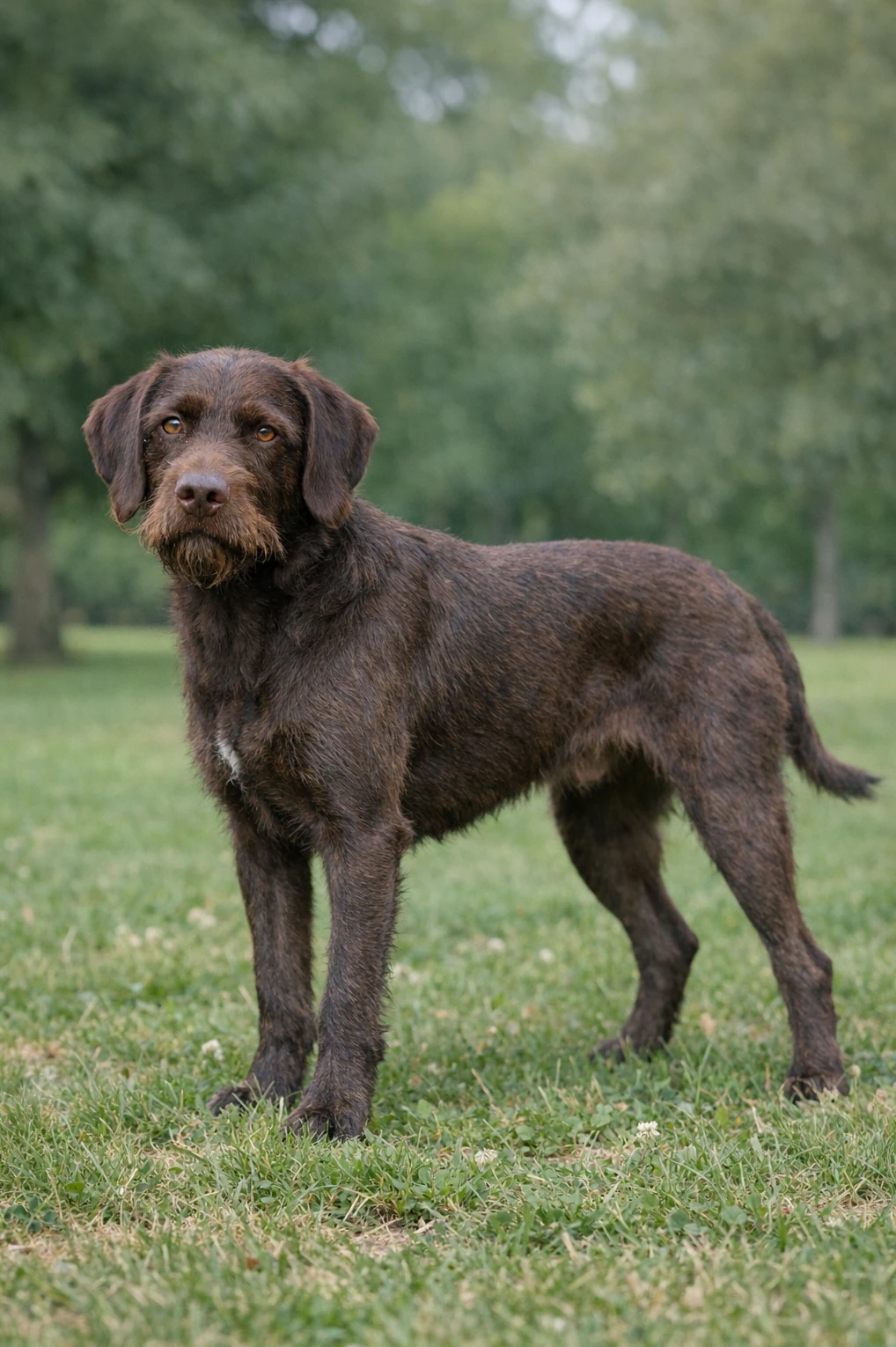
Best Dog Food for Slovakian Wirehaired Pointer in 2026Based on Nutritional Science
Slovakian Wirehaired Pointers stand about 24.5 to 26.5 inches tall and weigh 50 to 65 pounds, lively, sturdy working dogs needing plenty of protein, balanced fats, and joint support. Nutritional Verdict: active diet.
Understanding the Slovakian Wirehaired Pointer Metabolism and Energy Needs
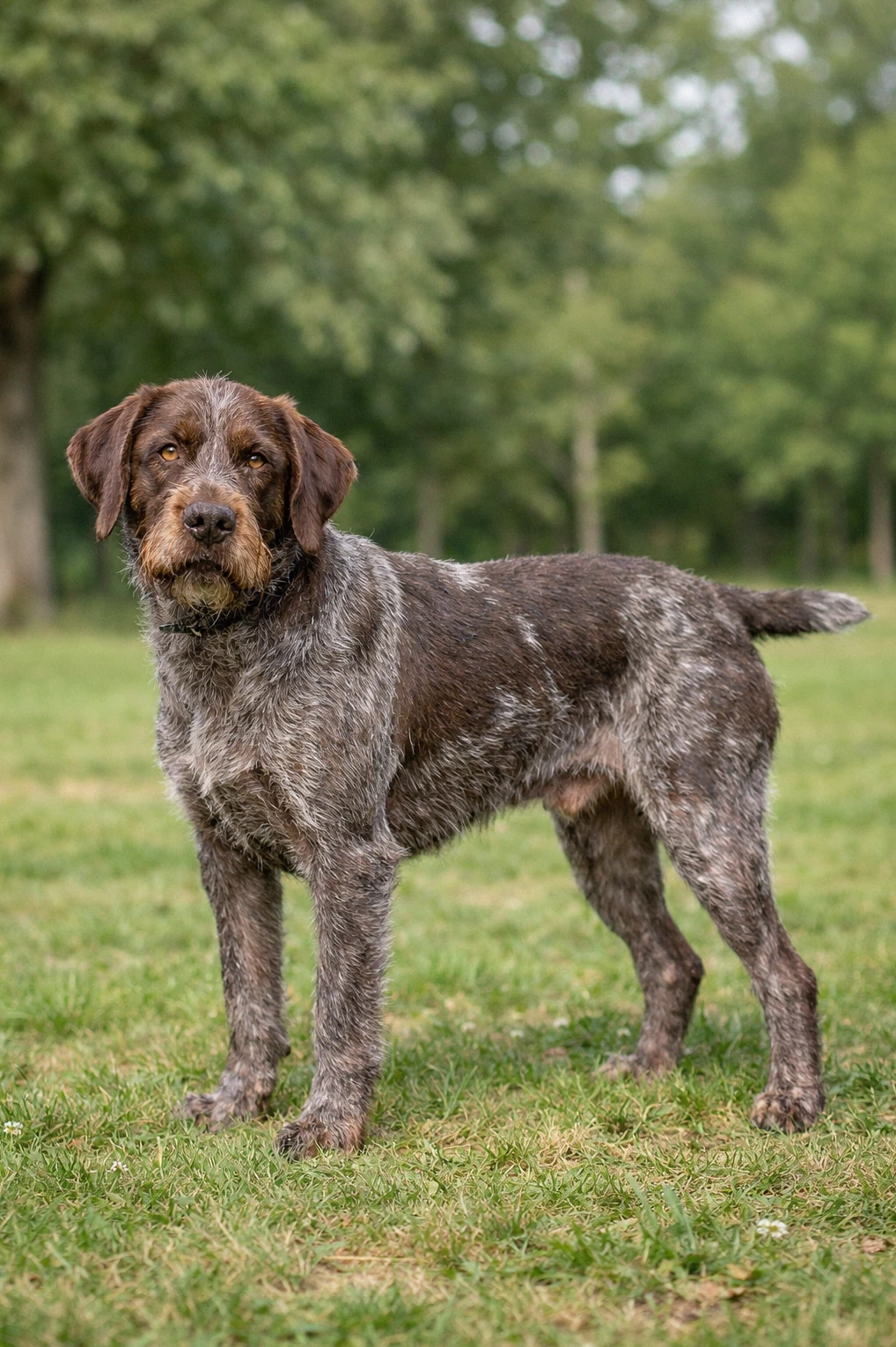
Developed for pointing and retrieving in the rough hills of Central Europe, the Slovakian Wirehaired Pointer is a compact, athletic hunter that needs steady fuel for long days in the field. Its wiry coat and high-drive style also mean extra support for skin, joints, and sustained stamina is important.
A protein-forward approach, roughly 25 to 30 percent of calories, supports lean muscle, quick recovery after runs, and maintenance of nimble movement, with quality sources providing essential amino acids like lysine and taurine. Healthy fats around 18 to 22 percent supply concentrated energy for endurance, and omega-3s help control inflammation and keep the coat glossy.
Moderate carbohydrates, focused on highly digestible sources, refill glycogen for short bursts and training sessions without excess weight gain. Adding joint-building nutrients such as glucosamine and antioxidants like vitamins E and C helps protect cartilage and speed recovery after hard work.
Managing Slovakian Wirehaired Pointer Genetic Health Risks Through Nutrition
Joint Dysplasia & Arthritis
Helpful nutrients
Progressive Retinal Atrophy and Other Eye Issues
Helpful nutrients
Ear Infections
Helpful nutrients
Skin and Coat Problems
Helpful nutrients
Obesity and Weight Management
Helpful nutrients
Allergies (Food or Environmental)
Helpful nutrients
Slovakian Wirehaired Pointer Feeding & Calorie Calculator
Estimated Daily Calories
Tip: Start with this amount and adjust after 2–3 weeks based on your dog's body condition and weight trend.
This estimate provides a starting point for feeding. Individual calorie needs may vary depending on metabolism, body condition, and health status. Always monitor your dog's weight and consult your veterinarian when adjusting diet.
Foods and Ingredients to Avoid for Slovakian Wirehaired Pointer Dogs
Slovakian Wirehaired Pointers are deep chested and active, which makes them more susceptible to gastric dilatation and volvulus, commonly called bloat.
Foods that encourage rapid gulping, such as very dry kibble served in a large bowl, or gas producing items like beans and carbonated drinks, can raise that risk.
To reduce chances of bloat feed smaller, measured meals spaced throughout the day and avoid vigorous exercise around meal times.
A slow feeder bowl or puzzle feeder can help prevent gulping and make mealtimes calmer and safer.
While this breed has high energy needs, too much dietary fat from table scraps, fried foods, or fatty cuts of meat can lead to weight gain and increase the risk of pancreatitis.
Excess weight places extra stress on joints and can reduce stamina for an active hunting dog, so controlling calorie and fat intake matters.
Stick to balanced, measured portions of lean proteins and healthy fats from vet-recommended diets, and limit fatty treats.
If you suspect pancreatitis, seek veterinary care promptly, as it can become serious quickly.
Several everyday human foods are toxic to dogs and should be avoided entirely.
Chocolate, grapes and raisins, onions, garlic, xylitol found in sugar-free products, and macadamia nuts can cause vomiting, weakness, low blood sugar, anemia, or even kidney and neurological problems in dogs.
Keep these foods out of reach and educate family and guests about the risks.
If accidental ingestion happens contact your veterinarian or an emergency clinic right away for guidance.
Diets that rely heavily on peas, lentils, chickpeas, or other legumes as main protein sources have been linked to cases of dilated cardiomyopathy in some dogs.
For a muscular, active breed like the Slovakian Wirehaired Pointer it is sensible to avoid formulas where legumes or legume proteins dominate the ingredient list.
Choose diets with clear, varied animal protein sources and consult your veterinarian before switching to or keeping a grain-free, legume-heavy formula.
Regular heart checkups are a good idea if your dog stays on that type of diet.
Artificial preservatives, colors, and strong flavorings can irritate sensitive stomachs and skin, sometimes causing itchiness or digestive upset.
A working breed with a dense coat can show skin reactions more obviously, so minimizing these additives helps support a healthy coat and comfortable skin.
Look for diets preserved with natural antioxidants and whole ingredients listed clearly, and introduce any new food gradually while watching for changes in coat, skin, or stool.
Large breed dogs that grow too quickly due to excess calcium or overly rich puppy diets can develop orthopedic problems such as hip and elbow dysplasia later in life.
If you are feeding a Slovakian Wirehaired Pointer puppy avoid free feeding supplements or homemade mixes that are high in calcium and calories without veterinary guidance.
Choose a large-breed puppy formula designed to moderate growth rate and follow your veterinarian's recommendations for feeding amounts and monitoring weight.
Controlled, steady growth protects joints and helps a long, active life.
How Nutritional Needs Change Throughout the Slovakian Wirehaired Pointer Life Stages
Dogs need different nutrition at puppyhood, adulthood, and in their senior years because growth, activity, and health risks change over time. For a Slovakian Wirehaired Pointer, large-breed growth rate, high activity as a hunting and field dog, and breed tendencies like strong musculature and a deep chest shape influence how much and what to feed. Tailored diets help support bones, energy, and longevity.
| Life Stage | Age Range | Primary Objective | Key Nutrient Focus |
|---|---|---|---|
| Puppy | 0–15 months | controlled skeletal development, immune support, brain development | DHA, balanced calcium/phosphorus, high-quality protein |
| Adult | 1.5–6 years | lean muscle maintenance and sustained energy | high-quality protein, omega-3 fatty acids, fiber |
| Senior | 6+ years | joint mobility, metabolic health, and cognitive support | glucosamine, chondroitin, antioxidants, lower calories |
Puppies of a Slovakian Wirehaired Pointer follow a prolonged, large-breed growth pattern, often maturing over 12 to 24 months, so steady, controlled growth is important for healthy bones and joints. Aim for a diet formulated for large-breed puppies that balances calories with growth needs, keeping calcium and phosphorus levels appropriate to support skeletal development without encouraging overly rapid growth.
Feed smaller, more frequent meals, typically three to four times a day until about six months, then transition to twice daily to reduce bloat risk in this deep-chested, active breed. Prioritize high-quality protein for muscle, DHA for brain development, and omega fatty acids for the wiry coat, and consult your veterinarian before using joint supplements.
As adults, Slovakian Wirehaired Pointers combine endurance and athleticism, so maintaining lean muscle and steady energy is key. Choose a high-quality adult dog food with a strong protein source and moderate fat to support activity without excess weight gain.
Adjust calorie intake to match lifestyle, offering more calories and perhaps higher-fat ratios for field or working dogs, and slightly fewer for couch companions to prevent obesity. Feed twice daily to help manage bloat risk and keep energy even, and include omega fatty acids for coat health; regular body condition checks help ensure muscle mass and joint support remain on track.
As Slovakian Wirehaired Pointers enter their senior years, metabolism and activity typically slow, while digestion and joint resilience often decline. Seniors usually need slightly fewer calories to avoid weight gain, yet they still require generous high-quality protein to preserve muscle and mobility.
Add joint-support nutrients such as glucosamine, chondroitin, and omega-3 fatty acids, and boost antioxidant intake to support cellular health and immune function. Consider more digestible formulas, increased fiber for gut regularity, and smaller, more frequent meals if appetite or dental issues arise, and work with your veterinarian to tailor calorie adjustments and supplements based on mobility and weight.
Kibble vs Fresh vs Raw for Slovakian Wirehaired Pointer
Different feeding approaches suit different lifestyles and activity levels. For a Slovakian Wirehaired Pointer, choose foods that support high energy, lean muscle, and a healthy wiry coat.
Pros
- Convenient and easy to portion for busy handlers and active hunting days.
- Formulated to meet high energy needs without excess fillers.
- Dry kibble helps reduce tartar buildup, supporting dental health.
- Stable shelf life is helpful for owners who travel with their dog.
Cons
- Lower moisture content may increase thirst and need for water breaks.
- Some formulas contain fillers that can add unnecessary weight.
- Adjusting portions is essential to avoid obesity in less active periods.
- Less flexibility for owners wanting to tailor meals for joint support.
Pros
- Highly palatable, good for picky or recovering dogs.
- High moisture supports digestion and hydration after long activity.
- Easier to include joint supplements and lean proteins for muscle recovery.
- Full control over ingredient quality suits owners attentive to diet.
Cons
- Requires meal planning and supplementation to ensure complete nutrition.
- Time and cost can be higher than dry kibble.
- Needs refrigeration and careful storage when traveling.
- Inconsistent recipes can cause digestive upset without gradual transition.
Pros
- High protein and fat match energy demands of active hunters.
- Some owners see shinier coats and improved muscle tone.
- Minimally processed ingredients appeal to owners preferring whole foods.
- Flexible for tailoring bone and organ ratios to working dogs.
Cons
- Strict hygiene is required to prevent bacterial risks.
- Balancing nutrients and calcium demands careful planning or vet input.
- Raw bones can pose chipping or obstruction hazards.
- Not ideal around immunocompromised household members or frequent guests.
| Diet Type | Pros for Slovakian Wirehaired Pointer | Potential Downsides |
|---|---|---|
| High-Quality Kibble |
|
|
| Fresh Cooked Food |
|
|
| Raw Diet (BARF) |
|
|
Our Recommendation
Many owners find high-quality kibble meets this breed's needs for convenience and balanced energy.
Fresh cooked or carefully balanced raw diets can be excellent when you plan nutrients and follow veterinary guidance.
See Also
Breeds with similar group, size, and coat characteristics