Best Dog Food for Pudelpointer in 2026Based on Nutritional Science
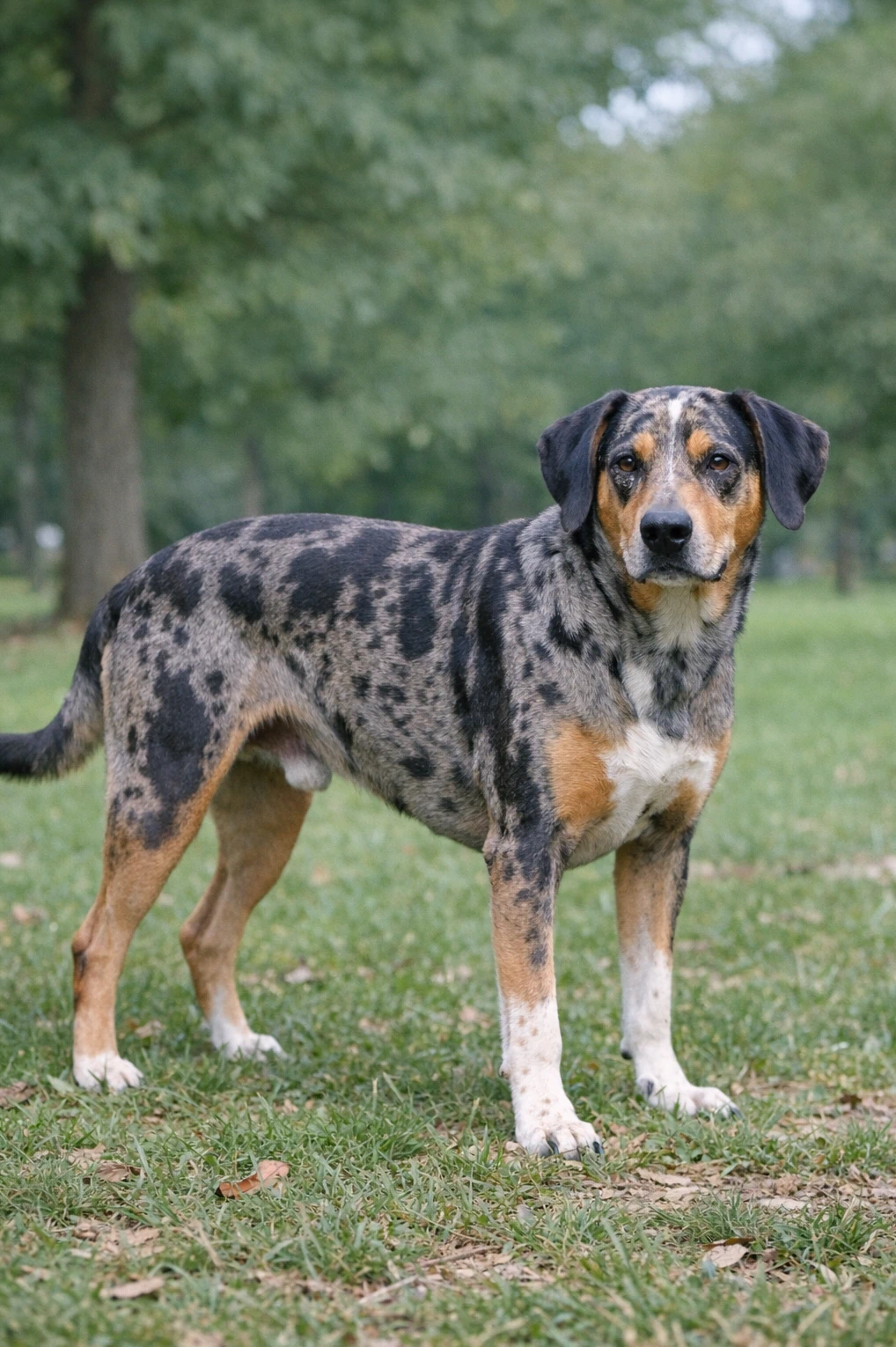
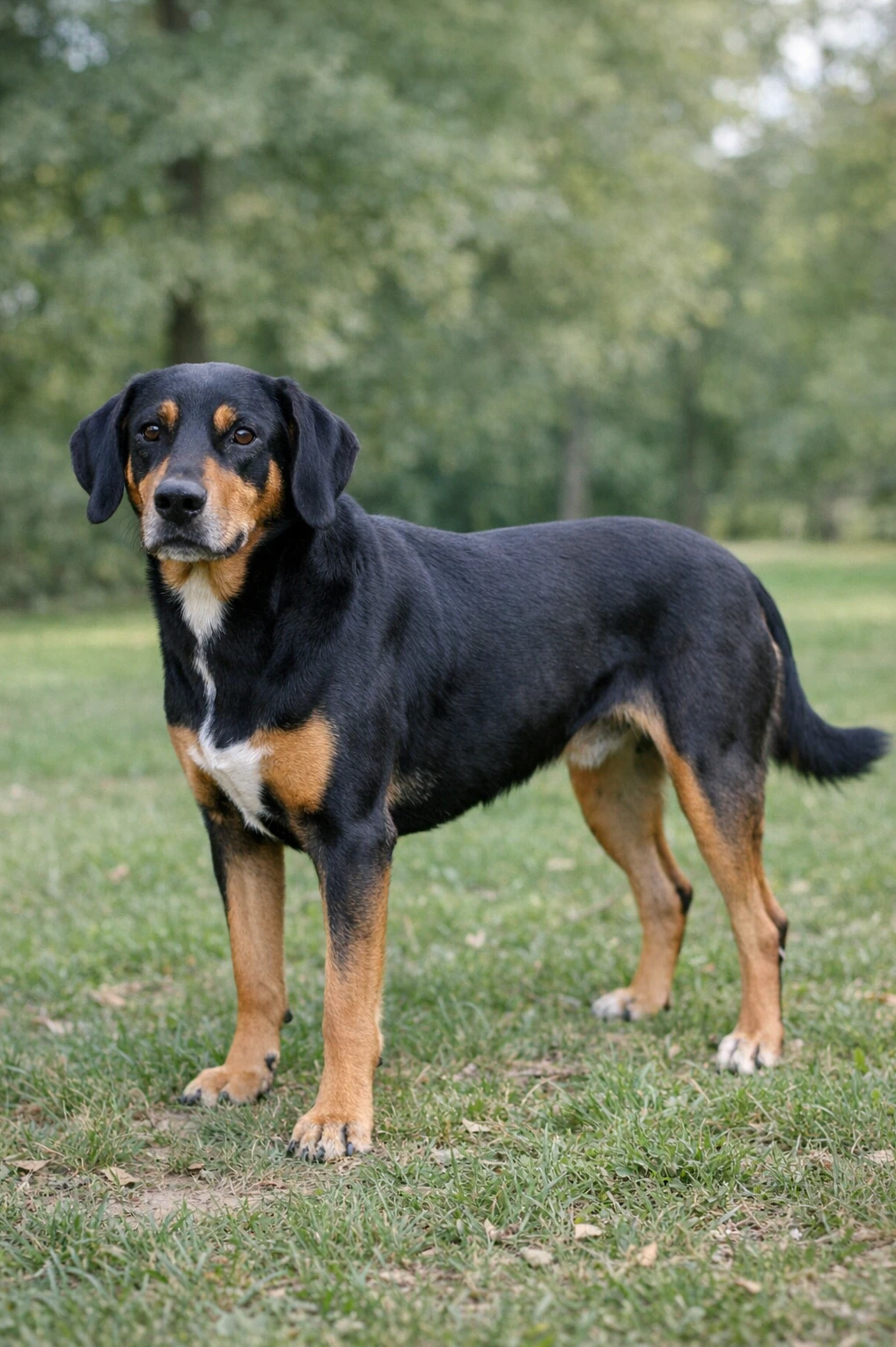
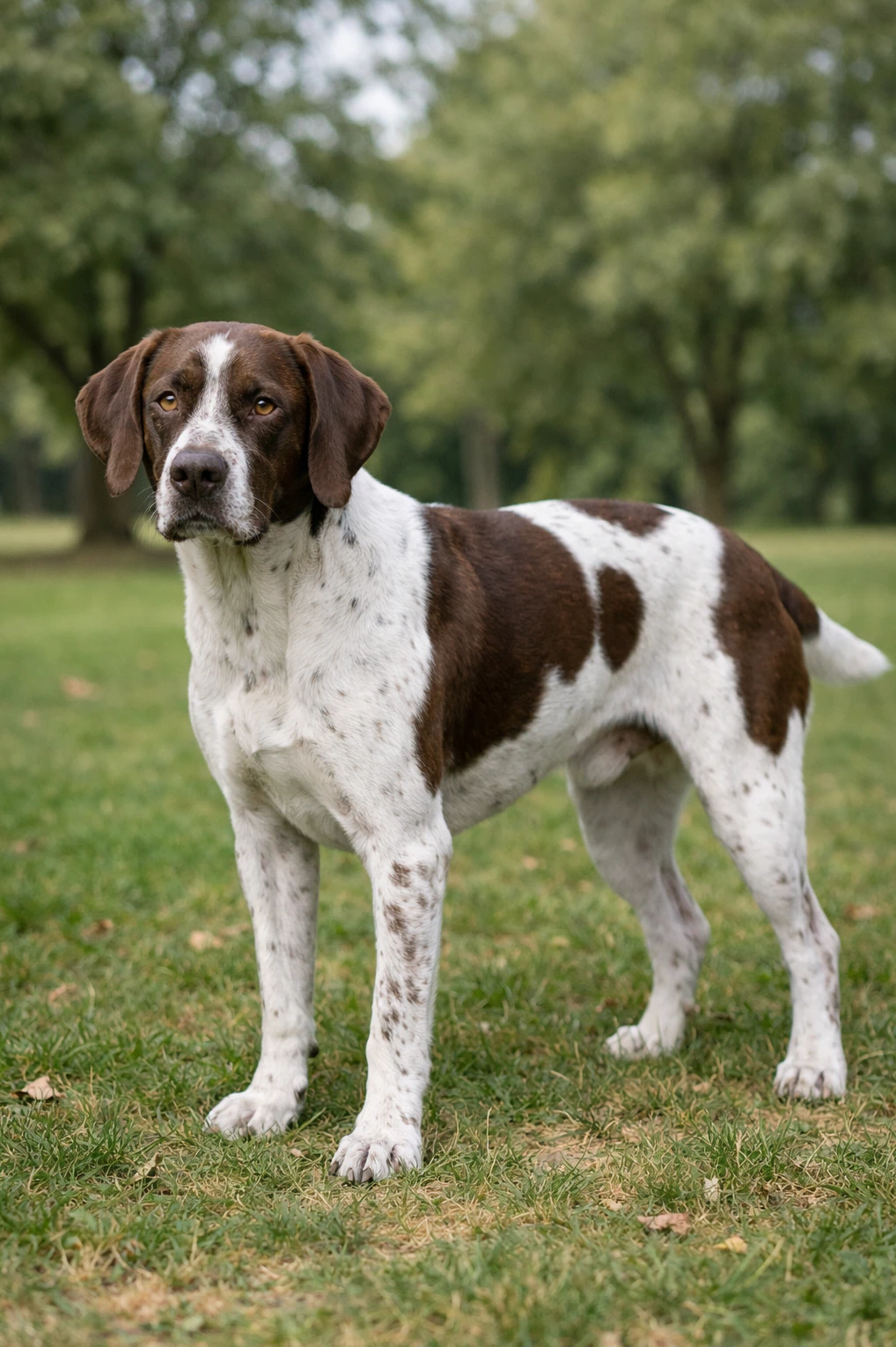
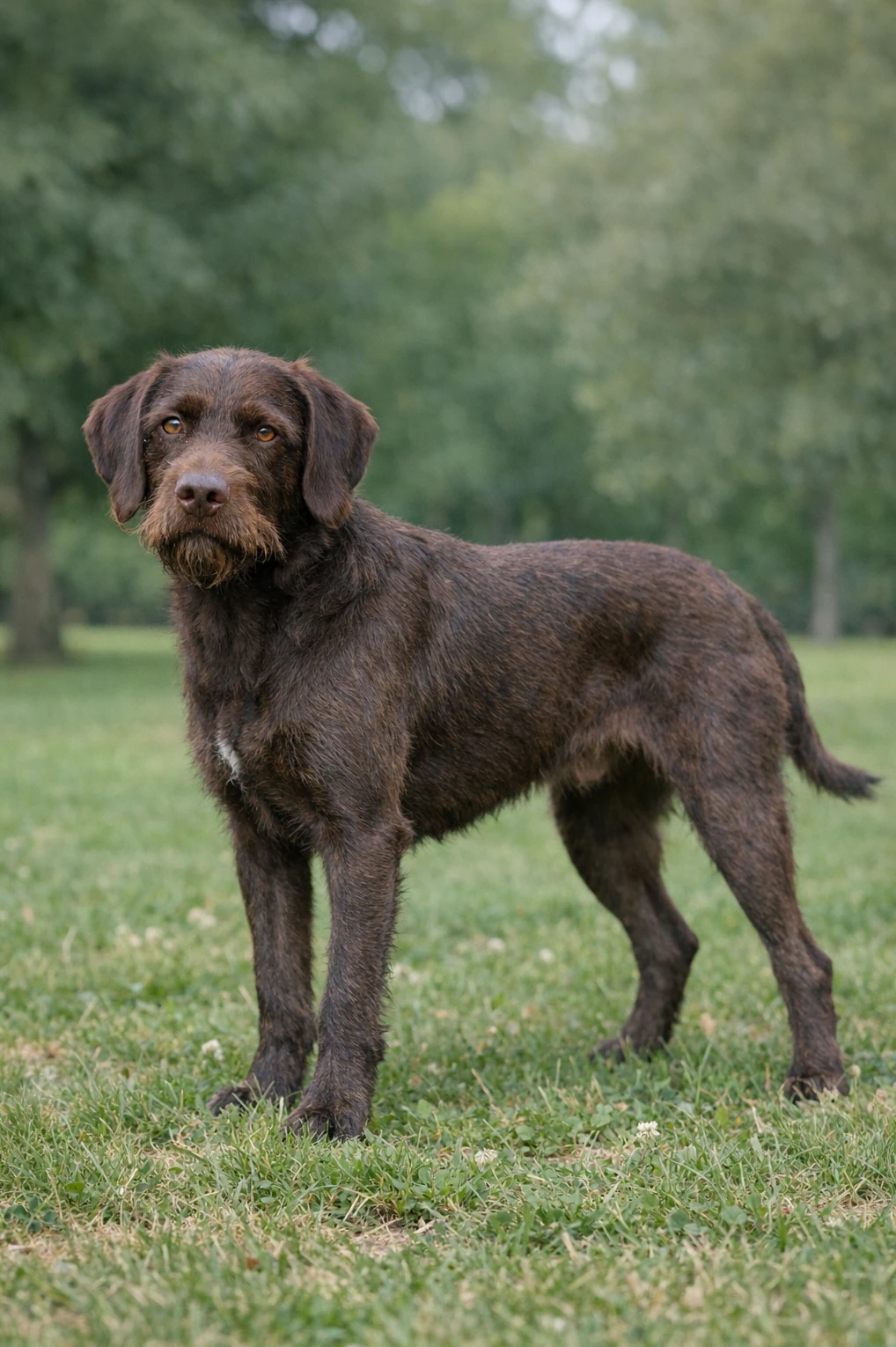
Pudelpointer is a medium-large, athletic dog around 22–26 inches tall and 45–70 pounds, affectionate, quick-witted, eager to cooperate. Nutritional Verdict: a balanced, protein-rich diet supports daily energy and lean muscle maintenance.
Understanding the Pudelpointer Metabolism and Energy Needs
This versatile gundog needs a diet that supports brisk activity and quick thinking. Because they were developed to hunt and retrieve across varied terrain, lean muscle preservation is vital, so higher-quality protein sources like chicken, turkey, or fish should be prioritized to repair and maintain muscles.
Moderate levels of fat give concentrated, long-lasting energy for long days afield, with omega-3 fatty acids helping reduce inflammation and supporting a glossy coat and sharp cognition. Complex carbohydrates such as sweet potato or brown rice provide steady blood sugar for sustained focus, rather than quick spikes.
Joint support from glucosamine and chondroitin helps longevity for athletic bodies, while probiotics and B vitamins aid digestion and mental alertness. Small, frequent meals tailored to activity help keep energy steady and behaviors calm, matching an eager, clever companion’s needs.
Managing Pudelpointer Genetic Health Risks Through Nutrition
Pudelpointer Feeding & Calorie Calculator
Estimated Daily Calories
Tip: Start with this amount and adjust after 2–3 weeks based on your dog's body condition and weight trend.
This estimate provides a starting point for feeding. Individual calorie needs may vary depending on metabolism, body condition, and health status. Always monitor your dog's weight and consult your veterinarian when adjusting diet.
Foods and Ingredients to Avoid for Pudelpointer Dogs
Pudelpointer adults are active and athletic, but they can gain weight quickly if overfed, and high-fat foods add a lot of extra calories fast.
Rich table scraps, fried foods, or fatty cuts of meat can promote weight gain and put extra strain on joints and the heart, which is especially important for a medium-large hunting breed.
Too much dietary fat can also trigger pancreatitis, a painful and serious condition.
Keeping fats moderate and choosing lean proteins helps maintain healthy body condition and energy for their active lifestyle.
Garlic, onion, leeks, and chives contain compounds that can damage red blood cells and lead to hemolytic anemia, even in moderately sized dogs like a Pudelpointer.
Symptoms may appear slowly and include lethargy, pale gums, and rapid breathing, so small amounts over time can still be harmful.
Avoid feeds or seasonings with powdered alliums, and be cautious with recipes that include these ingredients.
When in doubt, stick to plain, wholesome foods that support oxygen delivery and stamina for their active days.
Chocolate and caffeinated products contain stimulants that affect the heart and nervous system, causing restlessness, rapid heartbeat, tremors, or seizures in dogs.
Even though Pudelpointers are medium to large, toxic doses can still be dangerous, so keep sweets and coffee products well out of reach.
Xylitol, a common sugar substitute in gum and some baked goods, causes a rapid drop in blood sugar and can lead to liver problems.
If ingestion is suspected, contact your vet right away, because quick treatment usually matters.
Grapes and raisins can cause sudden kidney failure in some dogs, and it is not predictable which animals will be affected.
For a working breed that relies on steady energy and good organ function, avoiding these fruits altogether is the safest choice.
Even small amounts have been linked to serious problems, so do not offer grapes or raisin-containing foods as treats.
Opt for dog-safe fruits like apple slices without seeds if you want a fresh snack.
Whole bones, whether raw or cooked, can splinter and cause choking, punctures, or intestinal blockages, which often require emergency care.
Larger breeds like a Pudelpointer may try to crush big bones and risk broken teeth or internal injury, so supervised chewing on appropriate toys is safer.
Raw feeding comes with added bacterial risks such as Salmonella or E. coli that can affect both dog and household members.
If you choose raw or bone-based feeding, discuss safe handling and portion sizes with your veterinarian.
Many grain-free diets use lots of peas, lentils, or other legumes to replace grains, and some studies have linked certain legume-heavy formulas to heart muscle issues in dogs.
While the connection is still being studied, a Pudelpointer benefits from a balanced diet that supports heart health, especially during high activity or if there is a family history of cardiac problems.
Choosing diets with named meat sources, balanced nutrients, and appropriate levels of taurine and other amino acids, or discussing alternatives with your vet, can help keep their heart strong and energy steady.
How Nutritional Needs Change Throughout the Pudelpointer Life Stages
Dogs have different nutritional needs at each life stage: puppyhood, adulthood, and senior years. These changes reflect growth, energy levels, and shifting health priorities, and they are influenced by a breed's growth rate, activity level, and common health tendencies. Feeding for the right life stage helps support healthy bones, lean muscle, digestion, and overall vitality, making food a key part of long-term care.
| Life Stage | Age Range | Primary Objective | Key Nutrient Focus |
|---|---|---|---|
| Puppy | 0–15 months | controlled skeletal development, immune support, brain development | DHA, balanced calcium/phosphorus, high-quality protein |
| Adult | 1.5–6 years | lean muscle maintenance and sustained energy | high-quality protein, omega-3 fatty acids, fiber |
| Senior | 6+ years | joint mobility, metabolic health, and cognitive support | glucosamine, chondroitin, antioxidants, lower calories |
During puppyhood Pudelpointer pups grow quickly and need a nutrient-rich plan that supports steady, not rushed, bone and joint development. As a large, active hunting breed they benefit from controlled calorie intake to prevent overly rapid growth, and formulas designed for large-breed puppies help balance calcium and phosphorus for healthy skeletal formation.
Feed puppies multiple times a day, typically three to four smaller meals while they are growing, then gradually reduce frequency as they mature. Prioritize high-quality animal protein, moderate healthy fats for energy, and ingredients like DHA for brain development and glucosamine precursors for joint support. Because Pudelpointer pups are energetic and eager to train, watch their body condition and growth curve regularly to adjust portions, and consult your veterinarian if you notice unusually fast growth or mobility concerns.
As adults Pudelpointer dogs are muscular, high-energy companions that need nutrition to maintain lean mass and steady energy for work and play. Aim for diets with quality animal protein to support muscle, and moderate fat for sustained activity, while keeping overall calories aligned with daily exercise. Include fiber and digestible carbohydrates for gut health and steady energy.
Most adult Pudelpointer thrive on two measured meals a day to help maintain weight and routine, increasing portions or calories only during periods of heavy work or training. Monitor body condition closely since their eagerness to please can pair with a healthy appetite, and adjust intake to prevent excess weight that strains joints. Regular exercise, mental engagement, and routine veterinary checks help match diet to lifestyle changes over time.
As Pudelpointer dogs enter their senior years their metabolism tends to slow and activity usually decreases, which can mean fewer calories are needed to maintain a healthy weight. Aging can also affect digestion and nutrient absorption, so easier-to-digest proteins and added fiber for gut regularity may help. Prioritize antioxidants such as vitamin E and beta-carotene to support cellular health and immune function.
Joint support becomes especially important for a large, energetic breed that spent years leaping and running, so consider diets or supplements with omega-3 fatty acids, glucosamine, and chondroitin after consulting your veterinarian. Maintain adequate protein to preserve muscle and adjust portion sizes to avoid weight gain that stresses hips and knees, while continuing gentle exercise and regular veterinary monitoring to tailor nutrition as needs change.
Kibble vs Fresh vs Raw for Pudelpointer
Different feeding models suit different lifestyles and activity levels. For an active, trainable Pudelpointer, energy needs, coat care, and meal practicality guide the best choice.
Pros
- Convenient and easy to portion for busy owners.
- Complete, balanced nutrition supports steady energy for active Pudelpointers.
- Dry texture helps reduce plaque buildup during chewing.
- Easily tailored to calorie needs to maintain healthy weight.
Cons
- Lower moisture content may not suit dogs that drink little.
- Some formulas include fillers or artificial additives.
- Overfeeding calorie-dense formulas can cause weight gain.
- Less novel ingredients may be less enticing during training.
Pros
- Very palatable, great for training and picky eaters.
- High moisture supports hydration and digestion.
- You control quality and protein sources for activity needs.
- Can be adjusted for lean muscle maintenance and coat health.
Cons
- More time intensive than kibble for meal prep.
- Higher ongoing cost for quality ingredients.
- Requires careful balancing to meet all nutrient needs.
- Leftovers need refrigeration and safe storage.
Pros
- High protein and fat can support active working dogs.
- Some owners report shinier coats and improved energy.
- Unprocessed proteins may be more appealing for picky eaters.
- Flexible to adjust protein ratios for performance days.
Cons
- Higher risk of bacterial contamination without strict hygiene.
- Bone hazards can be dangerous for some dogs.
- Balancing vitamins and minerals often requires expert guidance.
- Storage and thawing add time and freezer space needs.
| Diet Type | Pros for Pudelpointer | Potential Downsides |
|---|---|---|
| High-Quality Kibble |
|
|
| Fresh Cooked Food |
|
|
| Raw Diet (BARF) |
|
|
Our Recommendation
For most Pudelpointer families, high-quality kibble offers a reliable, balanced baseline with convenient feeding.
Fresh cooked food benefits active, picky, or coat-sensitive dogs, while raw diets can work with strong hygiene, careful balancing, and veterinary guidance.
See Also
Breeds with similar group, size, and coat characteristics