Best Dog Food for Skye Terrier in 2026Based on Nutritional Science
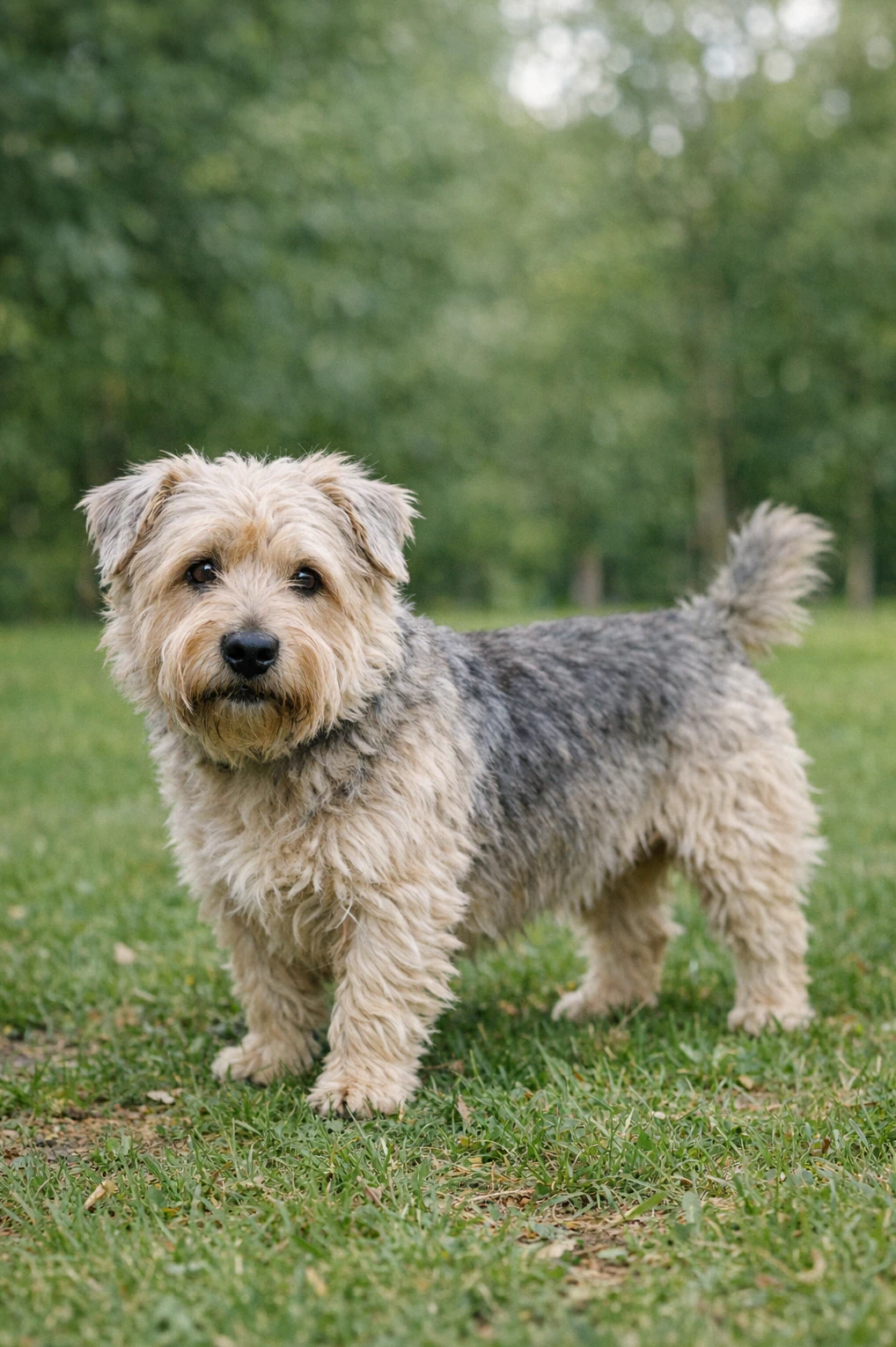
Compact yet sturdy at 10 inches tall and 35 to 45 pounds, Skye Terriers are brave, even natured and clever. Nutritional Verdict: a balanced, moderate-calorie diet helps preserve lean muscle and joints.

Understanding the Skye Terrier Metabolism and Energy Needs
Skye Terriers are a small Scottish hunting companion, developed to root out vermin and work in confined spaces. Their long backs, steady disposition and sharp instincts mean they need a diet that supports lean muscle, joint resilience and a glossy coat.
Aim for a moderately high protein level, roughly 25 to 30 percent of calories, to preserve musculature and help protect the spine. Healthy fats, about 15 to 20 percent, supply concentrated energy and nourish skin and fur, with omega-3 oils offering anti-inflammatory benefits. Carbohydrates should come from slow-release sources, keeping energy steady without excess weight.
Joint-support nutrients like glucosamine and chondroitin can help long-bodied dogs, and antioxidants aid immune health. Careful portion control and nutrient-dense ingredients keep this compact, clever companion fit and comfortable.
Managing Skye Terrier Genetic Health Risks Through Nutrition
Back Problems (Intervertebral Disc Disease)
Helpful nutrients
Obesity & Weight Management
Helpful nutrients
Dental Disease
Helpful nutrients
Skin Allergies & Coat Issues
Helpful nutrients
Eye Conditions (PRA, Cataracts)
Helpful nutrients
Hypothyroidism & Metabolic Health
Helpful nutrients
Skye Terrier Feeding & Calorie Calculator
Estimated Daily Calories
Tip: Start with this amount and adjust after 2–3 weeks based on your dog's body condition and weight trend.
This estimate provides a starting point for feeding. Individual calorie needs may vary depending on metabolism, body condition, and health status. Always monitor your dog's weight and consult your veterinarian when adjusting diet.
Foods and Ingredients to Avoid for Skye Terrier Dogs
Skye Terriers are compact and relatively heavy for their height, so extra calories from fatty foods can quickly lead to weight gain and extra stress on joints and the low back.
High-fat table scraps, greasy treats, and rich homemade sauces also raise the risk of pancreatitis, which can be serious and sudden.
Stick to lean proteins and controlled portions, and check with your vet before adding fatty supplements to their diet.
Because a Skye Terrier’s frame is short and stocky, small amounts of high-calorie treats add up fast and can push them into overweight territory.
Excess weight can make everyday activities harder and increases strain on the spine and hips, especially for a long-bodied dog.
Use low-calorie rewards, break treats into tiny pieces, and reserve people food for special, vet-approved occasions.
Very hard bones and oversized chews can crack a tooth or become choking hazards, and lively tugging or high-energy retrieving can put extra pressure on a Skye Terrier’s back.
Their low stature makes awkward jumps and sudden pulls more likely to stress the spine and hips.
Offer appropriately sized, softer dental chews and supervise chewing sessions, swapping in safer alternatives if the chew is too hard or splinter-prone.
Xylitol, often found in sugar-free gum, candies, and some peanut butters, is extremely toxic to dogs and can cause a dangerous drop in blood sugar or liver problems even in small amounts.
Artificial sweeteners in household foods are unpredictable and should be considered unsafe unless confirmed otherwise.
Always check ingredient labels and keep human sugar-free products well out of reach, and use only vet-approved treats for training.
Onions and garlic can damage a dog’s red blood cells over time, leading to anemia, while grapes and raisins have been linked to sudden kidney injury in some dogs.
Even small amounts of these foods can cause serious problems, and reactions can vary between individual dogs.
Avoid all forms of these foods, including powdered seasonings and leftovers that contain them, and contact your vet immediately if ingestion occurs.
Diets that rely heavily on legumes, pulses, or a single novel protein may be unbalanced and have been associated with heart and nutritional concerns in some dogs when used exclusively.
For a Skye Terrier, maintaining lean muscle and heart health is important given their compact build and activity needs.
Rotate protein sources, choose complete diets formulated for small breeds, and consult your veterinarian before putting your dog on a specialty or grain-free diet.
How Nutritional Needs Change Throughout the Skye Terrier Life Stages
Dogs have changing nutritional needs as they move from puppyhood to adulthood and into their senior years. A Skye Terrier's requirements are influenced by its moderate growth rate, activity level, and any breed tendencies toward weight or joint concerns. Tailoring food type, portion size, and feeding frequency helps support healthy growth, maintenance, and graceful aging for this long-coated, good-tempered terrier.
| Life Stage | Age Range | Primary Objective | Key Nutrient Focus |
|---|---|---|---|
| Puppy | 0–12 months | controlled skeletal development, immune support, brain development | DHA, balanced calcium/phosphorus, high-quality protein |
| Adult | 1–7 years | lean muscle maintenance and sustained energy | high-quality protein, omega-3 fatty acids, fiber |
| Senior | 7+ years | joint mobility, metabolic health, and cognitive support | glucosamine, chondroitin, antioxidants, lower calories |
Puppies go through a fast, calorie-hungry growth phase that supports bone, muscle, and brain development, so feeding should match that tempo without pushing excess weight. For a medium Skye Terrier this means steady, measured gains rather than rapid expansion, because too many calories early on can stress developing joints. Feed high-quality puppy food formulated for medium breeds, and divide daily calories into three to four smaller meals to keep energy steady and reduce overeating.
Key nutrients include complete proteins for muscle, balanced calcium and phosphorus for healthy skeletal growth, and DHA for cognitive and visual development. Since Skye Terriers have a long, double coat, adding omega-3 and omega-6 fatty acids supports skin and fur. Keep an eye on weight and growth lines at checkups, and adjust portions as your vet recommends.
Adult Skye Terriers settle into steady energy needs once growth is complete, so nutrition focuses on maintaining lean muscle and supporting daily activity. A diet with quality animal protein and moderate fat helps preserve muscle without excess calories, especially for a canny, moderately active terrier that enjoys walks and play but is not overly high energy. Feed two balanced meals a day to keep metabolism even and prevent grazing that can lead to weight gain.
Adjust calorie intake for lifestyle changes like reduced activity, apartment living, or neutering, which can lower metabolic needs. Include omega fatty acids for a glossy double coat and antioxidants for general health, and choose digestible carbohydrates and fiber to support steady energy. Regular weigh-ins and body condition checks will help you tailor portions to keep your Skye Terrier fit and comfortable.
In senior years a Skye Terrier's metabolism usually slows and activity often decreases, which can lead to weight gain or loss of muscle if nutrition is not adjusted. Older dogs may digest food less efficiently and develop stiffer joints, so focus on highly digestible protein to preserve lean mass while slightly reducing calories if your pet becomes less active. Offer smaller, more frequent meals if appetite fluctuates to help digestion and comfort.
Support joints with ingredients like glucosamine and chondroitin, and include omega-3 fatty acids to help reduce inflammation and maintain a healthy coat. Antioxidants such as vitamins E and C support immune health and cellular repair, and added fiber can aid digestion and regularity. Work with your veterinarian to adjust caloric targets and consider a senior formula tailored to mobility, dental, and weight needs so your Skye Terrier ages with comfort and vitality.
Kibble vs Fresh vs Raw for Skye Terrier
Different feeding models suit different lifestyles and routines, and no single choice fits every Skye Terrier.
Consider your dog’s activity level, long double coat needs, and your available time before deciding.
Pros
- Convenient and easy to portion for busy owners.
- Consistent nutrients help maintain steady weight and health.
- Crunchy texture can aid dental health between groomings.
- Shelf stable and easy to travel with on short trips.
Cons
- Can be calorie-dense, increasing obesity risk without careful portions.
- Lower moisture content may not suit dogs that drink little.
- Some formulas contain fillers or artificial additives.
- May need added omega fats to support long double coat.
Pros
- Highly palatable, often loved by picky Skye Terriers.
- High moisture supports digestion and healthy hydration.
- You control ingredients, useful for avoiding allergens or fillers.
- Easily add omega oils and supplements for coat health.
Cons
- Requires consistent planning to ensure complete nutrition.
- More time consuming and often costlier than kibble.
- Needs refrigeration and has shorter shelf life.
- Improper recipes can cause nutrient imbalances without vet guidance.
Pros
- High protein content supports muscle tone and energy.
- Some owners report shinier coats and improved skin condition.
- Minimal processing preserves natural nutrients in foods.
- Can be portioned to match activity for weight control.
Cons
- Higher bacterial contamination risk without strict hygiene.
- Raw small bones can pose choking or dental hazards.
- Balancing micronutrients requires veterinary or nutritionist input.
- Messier to prepare and often more expensive long term.
| Diet Type | Pros for Skye Terrier | Potential Downsides |
|---|---|---|
| High-Quality Kibble |
|
|
| Fresh Cooked Food |
|
|
| Raw Diet (BARF) |
|
|
Our Recommendation
For many Skye Terriers, a high-quality kibble provides a practical, balanced baseline that helps with weight and dental care.
If you prefer fresher meals, cooked food or targeted supplements can boost coat and skin health, while raw diets need careful veterinary oversight and strict hygiene.
See Also
Breeds with similar group, size, and coat characteristics