Best Dog Food for Siberian Husky in 2026Based on Nutritional Science
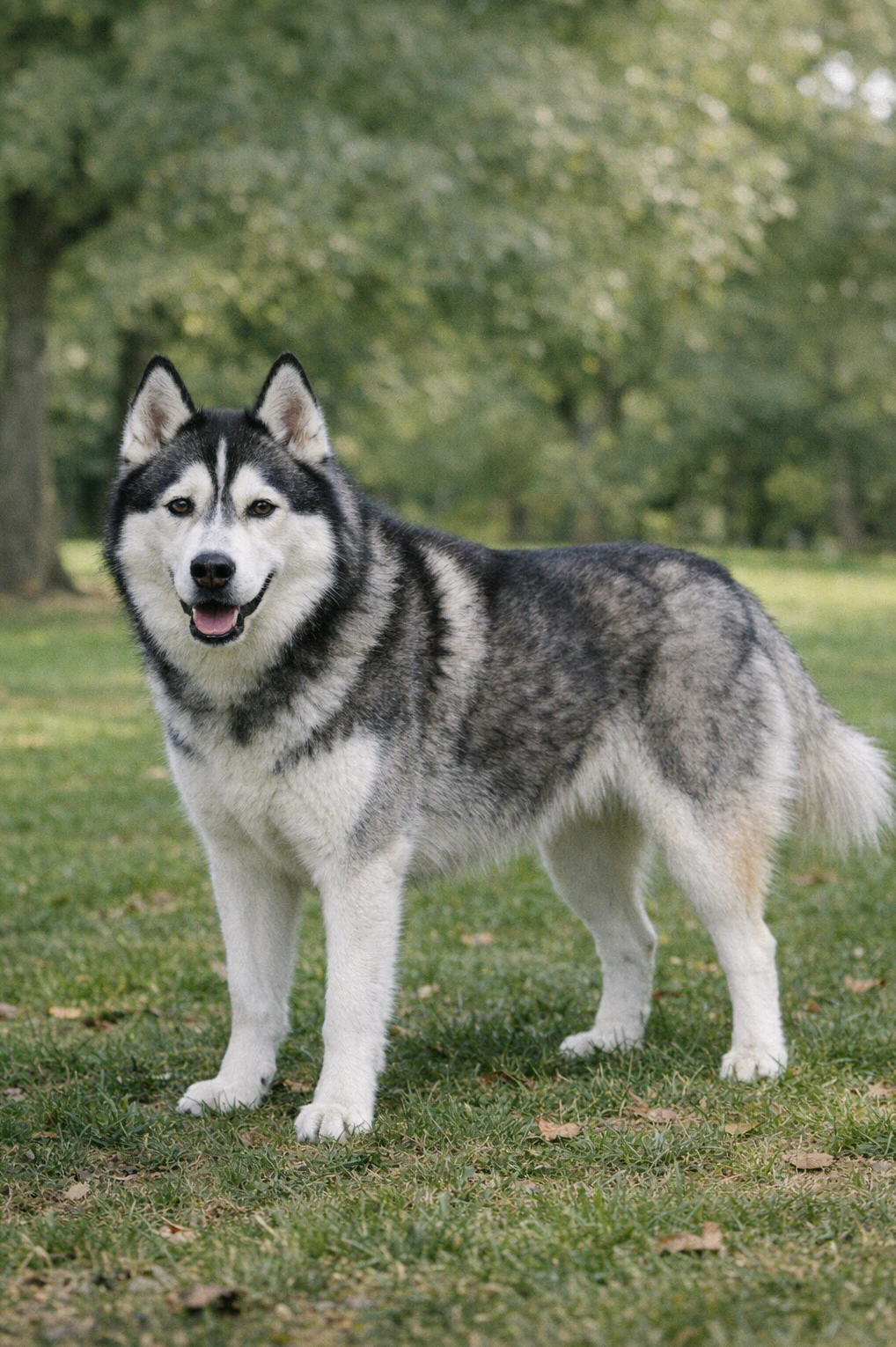
Large, energetic Husky males stand about 21-23.5 inches and weigh 45-60 pounds. Devoted, gregarious, and cheekily playful. Nutritional Verdict: high-quality protein with balanced fats and frequent feeding supports energy and coat health.
Understanding the Siberian Husky Metabolism and Energy Needs
These northern sled dogs were built for long days of work and close pack life, so their body composition and temperament need fueling that matches endurance and curiosity. Their devoted, sociable, and playful nature drives steady activity, which translates into a need for sustained energy and lean muscle support.
A diet richer in high quality animal protein helps preserve muscle and recovery after exertion, while moderate to elevated healthy fats provide dense fuel and support a dense, weather-resistant coat. Carbohydrates should come from slow-digesting, whole-food sources in modest amounts, to avoid unwanted weight gain and energy swings.
Targeted supplements can help too, for example omega fatty acids for skin and coat health, glucosamine and chondroitin for joint resilience, and B vitamins or antioxidants to support stamina and recovery. A meal focused on real meat, balanced oils, and limited grains mirrors the needs created by their working ancestry and active lifestyle.
Managing Siberian Husky Genetic Health Risks Through Nutrition
Cancer
Helpful nutrients
Arthritis
Helpful nutrients
Hip Dysplasia
Helpful nutrients
Eye Disease
Helpful nutrients
Neurologic Diseases
Helpful nutrients
Obesity / Weight Management
Helpful nutrients
Skin & Coat Health
Helpful nutrients
Siberian Husky Feeding & Calorie Calculator
Estimated Daily Calories
Tip: Start with this amount and adjust after 2–3 weeks based on your dog's body condition and weight trend.
This estimate provides a starting point for feeding. Individual calorie needs may vary depending on metabolism, body condition, and health status. Always monitor your dog's weight and consult your veterinarian when adjusting diet.
Foods and Ingredients to Avoid for Siberian Husky Dogs
Siberian Huskies stay lean on relatively little food, so high-fat meals and rich table scraps can quickly push them into unwanted weight gain and put extra strain on joints.
Excess fat also raises the risk of pancreatitis, a painful and potentially serious condition that needs veterinary care.
Stick to lean protein sources and measured portions to match their activity level, especially for nonworking Huskies, and treat high-fat items as a rare indulgence rather than part of the regular diet.
Huskies are efficient metabolisers and can maintain weight on less than other breeds, so calorie-dense treats and human leftovers can lead to rapid weight gain and reduced mobility.
Extra pounds increase the risk of arthritis and shorten active years, which is a real concern for a breed that benefits from staying fit.
Count treats toward the daily calorie total, choose low-calorie options, and avoid feeding from the table to keep your Husky at a healthy, energetic weight.
Because many Huskies do well on a balanced, high-quality diet, routine addition of multiple supplements can create mineral imbalances or put extra strain on the liver and kidneys.
Over-supplementing with calcium, vitamin D, or unregulated herbal products can cause more harm than good, especially when weight and activity levels vary seasonally.
Consult your veterinarian before adding any supplement, and use targeted products only when a specific deficiency or condition has been diagnosed.
Some grain-free formulas rely heavily on peas, lentils, or chickpeas as primary carbohydrate and protein sources, and these diets have been linked in certain dogs to an increased risk of heart issues.
Given the Husky's need for high-quality animal protein for coat and muscle maintenance, diets where legumes dominate can be a poor fit.
Choose foods that list named meat proteins first and offer a balanced carbohydrate profile, and talk with your vet if you are considering a grain-free option.
Siberian Huskies benefit from foods that support healthy skin and coat, and artificial preservatives or colorings can sometimes trigger sensitivities or digestive upset.
Ingredients like BHA, BHT, and artificial dyes are unnecessary fillers that may aggravate picky eaters or dogs with mild allergies.
Opt for formulas preserved with natural antioxidants and minimal additives to help keep your Husky’s coat glossy and their tummy comfortable.
Certain human foods are outright toxic to dogs, including onions and garlic which can cause anemia, chocolate which affects the heart and nervous system, grapes and raisins which can lead to kidney failure, and xylitol which can cause dangerous drops in blood sugar.
Given a Husky’s medium-large size, toxic doses can still be reached with everyday leftovers.
Keep these items well out of reach, educate family and guests, and contact your veterinarian or an emergency clinic immediately if ingestion is suspected.
How Nutritional Needs Change Throughout the Siberian Husky Life Stages
Dogs need different nutrition at puppyhood, adulthood, and senior years because growth, activity and health change over time. Breed traits like a Siberian Husky's fast metabolism, high activity and low food needs influence protein, fat and calorie balance. Paying attention to growth rate, activity level and common health tendencies helps you pick food and feeding plans that support each life stage.
| Life Stage | Age Range | Primary Objective | Key Nutrient Focus |
|---|---|---|---|
| Puppy | 0–15 months | controlled skeletal development, immune support, brain development | DHA, balanced calcium/phosphorus, high-quality protein |
| Adult | 1.5–6 years | lean muscle maintenance and sustained energy | high-quality protein, omega-3 fatty acids, fiber |
| Senior | 6+ years | joint mobility, metabolic health, and cognitive support | glucosamine, chondroitin, antioxidants, lower calories |
Siberian Husky puppies grow steadily rather than exploding in height, typically filling out through their first year to 18 months, so controlled, steady nutrition supports healthy skeletal development. Balanced calcium and phosphorus, along with appropriate vitamin D, help bone and joint formation, while controlled calories prevent too-rapid growth that can strain developing joints even in breeds with relatively low hip dysplasia risk.
Feed puppy Huskies more frequently, with three to four small meals daily when young, then gradually move to two meals as they approach adulthood. Focus on high quality animal protein to support muscle and endurance, moderate fat for energy, and DHA for brain and eye development. Omega-3s and antioxidant-rich ingredients support coat and immune health in this active, fastidious breed.
As adults, Siberian Huskies need nutrition that maintains lean muscle and fuels their high activity without adding excess weight. Because Huskies were bred to perform long, moderate endurance work on relatively little food, they often stay fit on fewer calories than other large breeds. A diet with high quality animal protein supports muscle repair and sustained energy, while moderate fat provides concentrated calories for active days.
Monitor body condition and adjust portion sizes based on activity, since an indoor or less active Husky needs fewer calories than one that runs or works. Include joint-supporting nutrients and antioxidants to help long-term health, and maintain regular feeding times with two meals daily to support digestion and weight control.
As Huskies age they often stay lively, but metabolism, joint health and digestive efficiency can change, so nutrition should shift to match those needs. Seniors may need slightly fewer calories if activity decreases, while maintaining high quality, easily digestible protein to preserve muscle. Joint-supporting ingredients like omega-3 fatty acids, glucosamine and chondroitin can ease mobility, especially since arthritis becomes more likely with age even in breeds with lower hip dysplasia rates.
Antioxidants and fiber help immune function and gut health, and moderate fat levels prevent excess weight while still supporting coat quality. Monitor weight and mobility regularly and work with your veterinarian to fine tune calorie intake and supplements tailored to your Husky's health and activity.
Kibble vs Fresh vs Raw for Siberian Husky
Different feeding models suit different lifestyles and activity levels. For Siberian Huskies, energy needs, coat health, and lean metabolism guide the best choice.
Pros
- Convenient to portion, good for busy owners and consistent feeding routines.
- High protein formulas support lean muscle for active, endurance focused Huskies.
- Balanced commercial recipes include essential vitamins and minerals for long term health.
- Dry kibble can help reduce tartar buildup through chewing action.
Cons
- Calorie dense formulas can lead to unwanted weight gain in frugal eating Huskies.
- Some brands use fillers or low quality ingredients that offer less nutrition.
- Lower moisture content may not suit dogs that need extra hydration.
- Ingredient quality varies, so label reading and brand research are important.
Pros
- Highly palatable, which can help picky or performance Huskies eat reliably.
- High moisture content supports hydration during activity and dry winter air.
- You control ingredients, useful for food sensitivities or quality preferences.
- Freshly cooked meals can be adjusted for extra joint or skin support.
Cons
- More time consuming and often more expensive than commercial kibble.
- Requires careful recipes to balance calcium, phosphorus and essential nutrients.
- Needs refrigeration and meal prep, which can be burdensome for busy households.
- Risk of inconsistent nutrition if not guided by a veterinary nutritionist.
Pros
- High protein and natural fats match an active Husky's energy needs.
- Some owners report shinier coats and increased vitality on raw diets.
- Unprocessed ingredients preserve natural enzymes and micronutrients.
- Chewing raw items can provide mental stimulation and satisfy prey drive.
Cons
- Higher risk of bacterial contamination for dogs and household members.
- Requires precise balancing to avoid nutrient deficiencies or excesses.
- Whole bones can cause dental fractures or gastrointestinal obstruction if mismanaged.
- Too much dietary fat can trigger pancreatitis in susceptible dogs.
| Diet Type | Pros for Siberian Husky | Potential Downsides |
|---|---|---|
| High-Quality Kibble |
|
|
| Fresh Cooked Food |
|
|
| Raw Diet (BARF) |
|
|
Our Recommendation
Many Siberian Huskies do well on high quality, protein focused kibble or carefully balanced fresh cooked meals.
Raw diets can be appropriate for experienced owners working with a veterinarian and strict hygiene.
See Also
Breeds with similar group, size, and coat characteristics