Best Dog Food for Samoyed in 2026Based on Nutritional Science
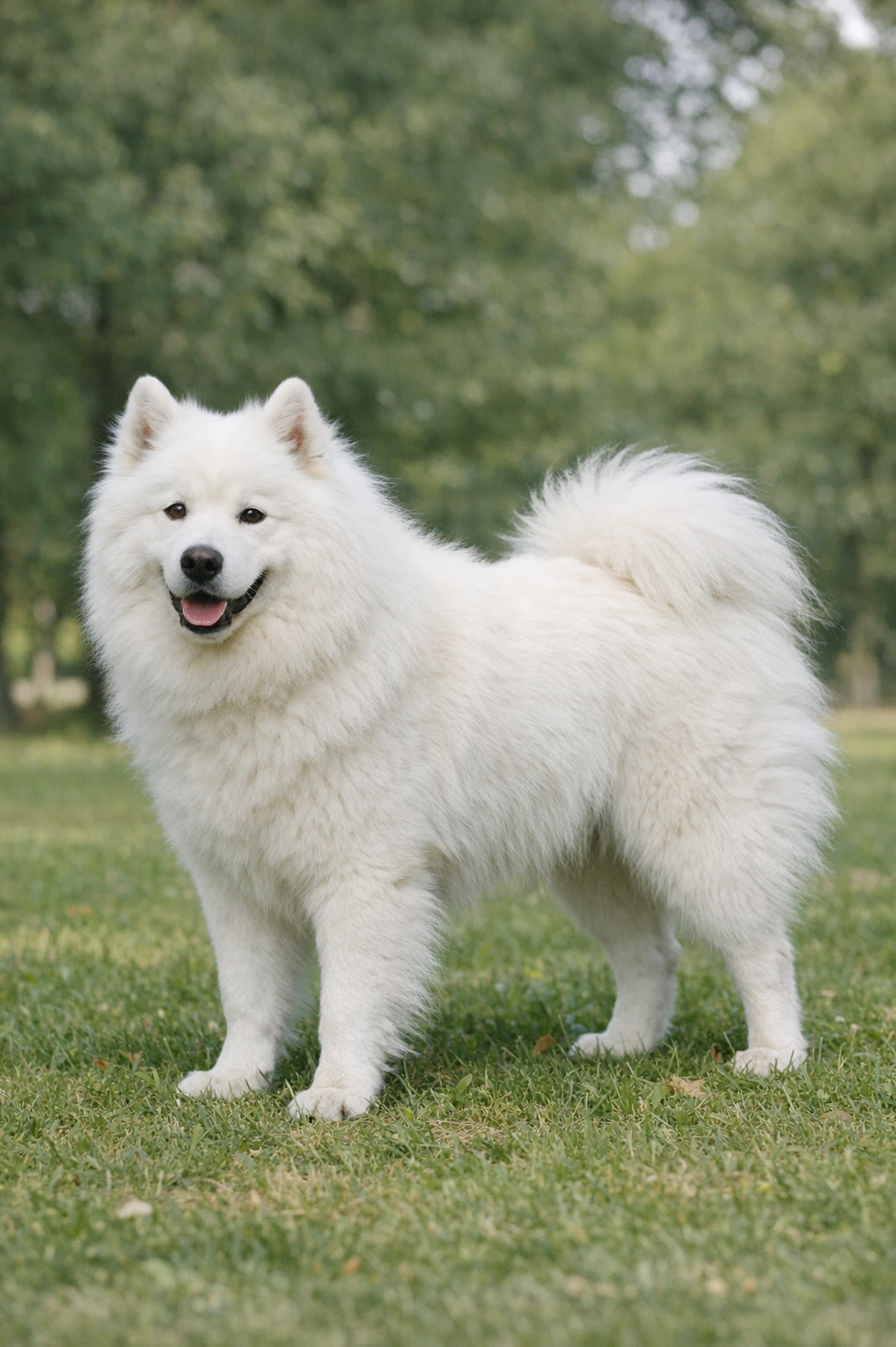
Samoyed males measure about 21 to 23.5 inches and weigh 45 to 65 pounds. Affable, mild-mannered, and versatile, they benefit from balanced, protein-rich meals with controlled calories. Nutritional Verdict: tailored, whole-food diet.
Understanding the Samoyed Metabolism and Energy Needs
As a member of northern working lines, this dog was shaped for long days of pulling, herding and living in cold weather, with stamina, a thick double coat and a sociable, calm temperament. That history means diets should emphasize high quality protein to preserve lean muscle and support steady activity, especially during play or longer walks. Proteins rich in essential amino acids aid recovery and support metabolic health.
Moderate to higher fat provides dense fuel and helps maintain body warmth, while essential omega-3 and omega-6 fats keep skin and coat glossy and soothe joints after exercise. Carbohydrates should be digestible and portioned for steady energy without excess calories. Consider joint-supporting nutrients like glucosamine and chondroitin, plus antioxidants and probiotics for immune resilience and digestive balance. Tailoring portions to activity keeps these affectionate, versatile companions fit and happy.
Managing Samoyed Genetic Health Risks Through Nutrition
Hip Dysplasia
Helpful nutrients
Eye Disorders
Helpful nutrients
Cardiac Disorders
Helpful nutrients
Dental Health
Helpful nutrients
Obesity
Helpful nutrients
Samoyed Feeding & Calorie Calculator
Estimated Daily Calories
Tip: Start with this amount and adjust after 2–3 weeks based on your dog's body condition and weight trend.
This estimate provides a starting point for feeding. Individual calorie needs may vary depending on metabolism, body condition, and health status. Always monitor your dog's weight and consult your veterinarian when adjusting diet.
Foods and Ingredients to Avoid for Samoyed Dogs
Samoyeds can be prone to weight gain, and fatty table scraps or greasy meals add calories fast and increase the risk of pancreatitis.
Extra fat also places more strain on hips and joints, which matters for a breed where hip health is monitored closely.
Keeping treats and human foods low in fat helps your Samoyed maintain a healthy weight and reduces digestive upset.
Stick to lean proteins and vet-approved snacks to keep them active and comfortable.
Foods containing xylitol, like sugar-free gum, some peanut butters, and low-sugar treats, can cause rapid hypoglycemia and liver damage in dogs.
Sugary snacks also contribute to obesity and dental problems, and Samoyeds benefit from careful calorie and dental management.
Always check ingredient labels and avoid products with xylitol. If you suspect your dog ingested it, contact your veterinarian or emergency clinic right away.
Grapes and raisins are toxic to many dogs and can cause sudden kidney failure, even in small amounts.
Other fruits with pits or seeds, like cherries, can present choking hazards or expose dogs to cyanogenic compounds, so exercise caution when offering fruit treats.
Offer safe, vet-approved fruits in small portions and remove any seeds or pits. When in doubt, check with your veterinarian before sharing new fruits with your Samoyed.
Onions, garlic, leeks, and chives can damage red blood cells and lead to hemolytic anemia, especially if eaten regularly or in large amounts.
Even cooked forms and powders can be harmful over time, so these ingredients should be avoided in home-prepared meals and treats.
Because Samoyeds rely on responsible feeding to stay healthy, keep all allium-containing foods well away from their diet and opt for safe flavor alternatives approved by your vet.
Growing Samoyed puppies need balanced nutrition to support healthy bone development, and too much calcium or excessive calories can contribute to abnormal growth and joint problems such as hip dysplasia.
Large-breed puppy formulas and supplements should only be used under a veterinarian's guidance.
Feed a diet formulated for your puppy's life stage and size, and avoid extra calcium supplements unless prescribed. Controlled growth helps protect joints and long-term mobility.
Raw bones and hard chews can carry bacteria and pose risks like tooth fractures, choking, or intestinal obstruction.
While some dogs tolerate certain bones, the potential for damage and infection means they are not a safe everyday treat for most Samoyeds.
Choose appropriate dental chews and toys recommended by your veterinarian, and supervise any chew time to prevent accidents.
Regular dental care at home and vet checkups will help keep your Samoyed's teeth healthy.
Some Samoyeds show food sensitivities or skin reactions, and artificial preservatives, colors, and flavors can trigger itchy skin or gastrointestinal upset in sensitive dogs.
Ingredients like BHA, BHT, and some dyes are better avoided when you see skin or digestion issues.
Opt for high-quality foods with natural preservatives and simple ingredient lists when possible, and work with your veterinarian to identify and eliminate problem ingredients if your dog shows signs of sensitivity.
How Nutritional Needs Change Throughout the Samoyed Life Stages
Dogs have different nutritional needs at puppyhood, adulthood, and as seniors, and Samoyeds are no exception. Their needs change with growth, activity level, and breed-specific health tendencies. Samoyeds grow into large, active dogs with a thick double coat, so diet must support steady skeletal development, energy for play and work, and routine checks to catch hip, eye, or heart issues early.
| Life Stage | Age Range | Primary Objective | Key Nutrient Focus |
|---|---|---|---|
| Puppy | 0–15 months | controlled skeletal development, immune support, brain development | DHA, balanced calcium/phosphorus, high-quality protein |
| Adult | 1.5–6 years | lean muscle maintenance and sustained energy | high-quality protein, omega-3 fatty acids, fiber |
| Senior | 6+ years | joint mobility, metabolic health, and cognitive support | glucosamine, chondroitin, antioxidants, lower calories |
Samoyed puppies grow relatively quickly into a large, sturdy frame, so steady, controlled growth is essential to protect developing joints and bones. Feed a high-quality large-breed puppy formula that balances calcium and phosphorus to support skeletal development without promoting too-rapid growth, and keep meals smaller and more frequent to aid digestion and energy levels.
Include higher protein for lean muscle, omega-3 fatty acids for brain and coat health, and DHA for early development. Because Samoyeds are active and have a thick double coat, they benefit from calories matched to activity but watch weight to reduce hip strain, and work with your vet to adjust portions as the puppy matures while monitoring eyes, heart, and dental care.
As adults, Samoyeds need a balanced diet that preserves lean muscle and provides steady energy for their playful, often active lifestyle. Choose a maintenance formula with high-quality animal protein, moderate fat for energy, and controlled carbohydrates to prevent excess weight.
Keep protein levels sufficient to maintain muscle mass, especially for working dogs or those who enjoy long walks or play sessions. Adjust calories and meal sizes to match your dog's activity and seasonal energy needs, since Samoyeds may burn more calories in colder weather while growing a fuller coat. Regular dental care and weight checks help prevent periodontal disease and reduce stress on hips. Discuss any breed-specific heart or eye concerns with your vet when selecting a diet or supplements.
Older Samoyeds often show slower metabolism, changes in digestion, and reduced mobility, so nutrition should be adjusted to support comfort and overall health. Offer easily digestible, high-quality protein to preserve muscle while modestly reducing calories if activity drops, and increase fiber a little to support healthy digestion and weight control.
Keep meals smaller and monitor appetite and dental health closely. Joint support becomes important for this large breed, so look for diets or supplements with glucosamine, chondroitin, and omega-3 fatty acids to help reduce inflammation and support cartilage. Antioxidants such as vitamin E and joint-friendly nutrients help protect aging cells and may support eye and heart health, but always review changes with your veterinarian given Samoyeds' breed testing and cardiac considerations.
Kibble vs Fresh vs Raw for Samoyed
Different feeding models suit different lifestyles and activity levels.
Below are pros and downsides of three common approaches, tailored to the Samoyed's energy, coat, and health tendencies.
Pros
- Convenient and easy to portion for busy households.
- Formulated to meet daily nutrient needs for active dogs.
- Dry texture can help reduce tartar buildup on teeth.
- Shelf-stable and simple to store for irregular routines.
Cons
- Lower moisture content may not support hydration needs.
- Some formulas contain fillers that can add unnecessary calories.
- Less control over specific ingredients for food-sensitive dogs.
- Portioning mistakes can lead to weight gain in less active dogs.
Pros
- High moisture content helps hydration and digestion.
- Easier to control ingredients, useful for allergies.
- Often more palatable for picky Samoyeds.
- You can tailor fats to support a shiny, healthy coat.
Cons
- Requires careful planning to ensure complete nutrition.
- More time and cost for regular meal preparation.
- Needs refrigeration and safe storage between meals.
- Improper recipes risk calcium or vitamin imbalances.
Pros
- High-quality protein can support muscle and energy.
- Some owners report improved coat condition and vitality.
- Minimal processing preserves natural nutrients.
- Can suit dogs that prefer meat-forward meals.
Cons
- Higher bacterial contamination risk without strict hygiene.
- Raw bones can pose choking or dental hazards.
- Difficult to balance vitamins and minerals correctly.
- Requires veterinary input and careful sourcing of ingredients.
| Diet Type | Pros for Samoyed | Potential Downsides |
|---|---|---|
| High-Quality Kibble |
|
|
| Fresh Cooked Food |
|
|
| Raw Diet (BARF) |
|
|
Our Recommendation
For many Samoyeds, high-quality kibble offers convenience and balanced nutrition that fits active family life.
Fresh cooked or carefully planned raw diets work well for owners wanting more control, provided they follow veterinary guidance and proper handling.
See Also
Breeds with similar group, size, and coat characteristics