Best Dog Food for Portuguese Water Dog in 2026Based on Nutritional Science
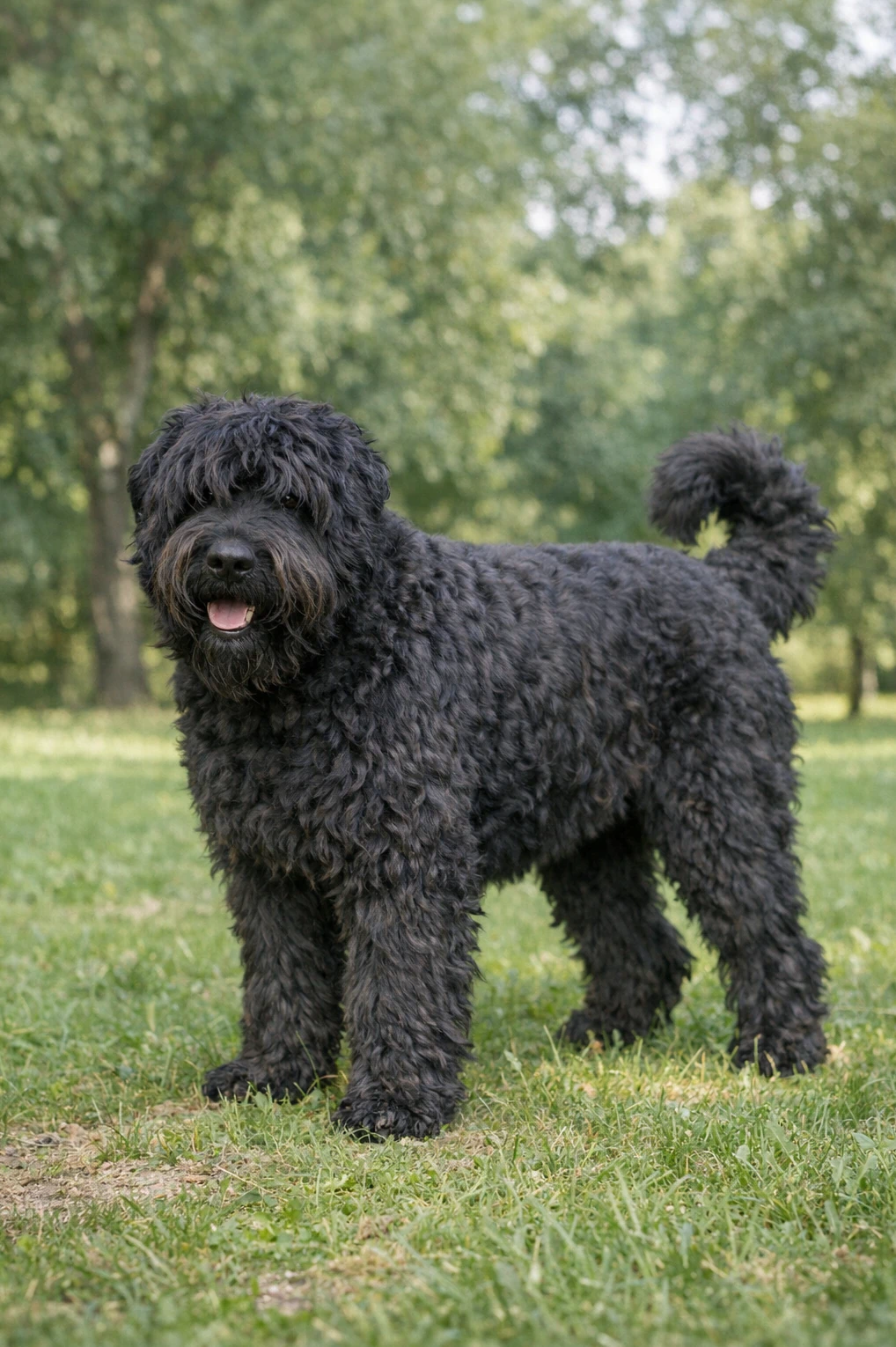
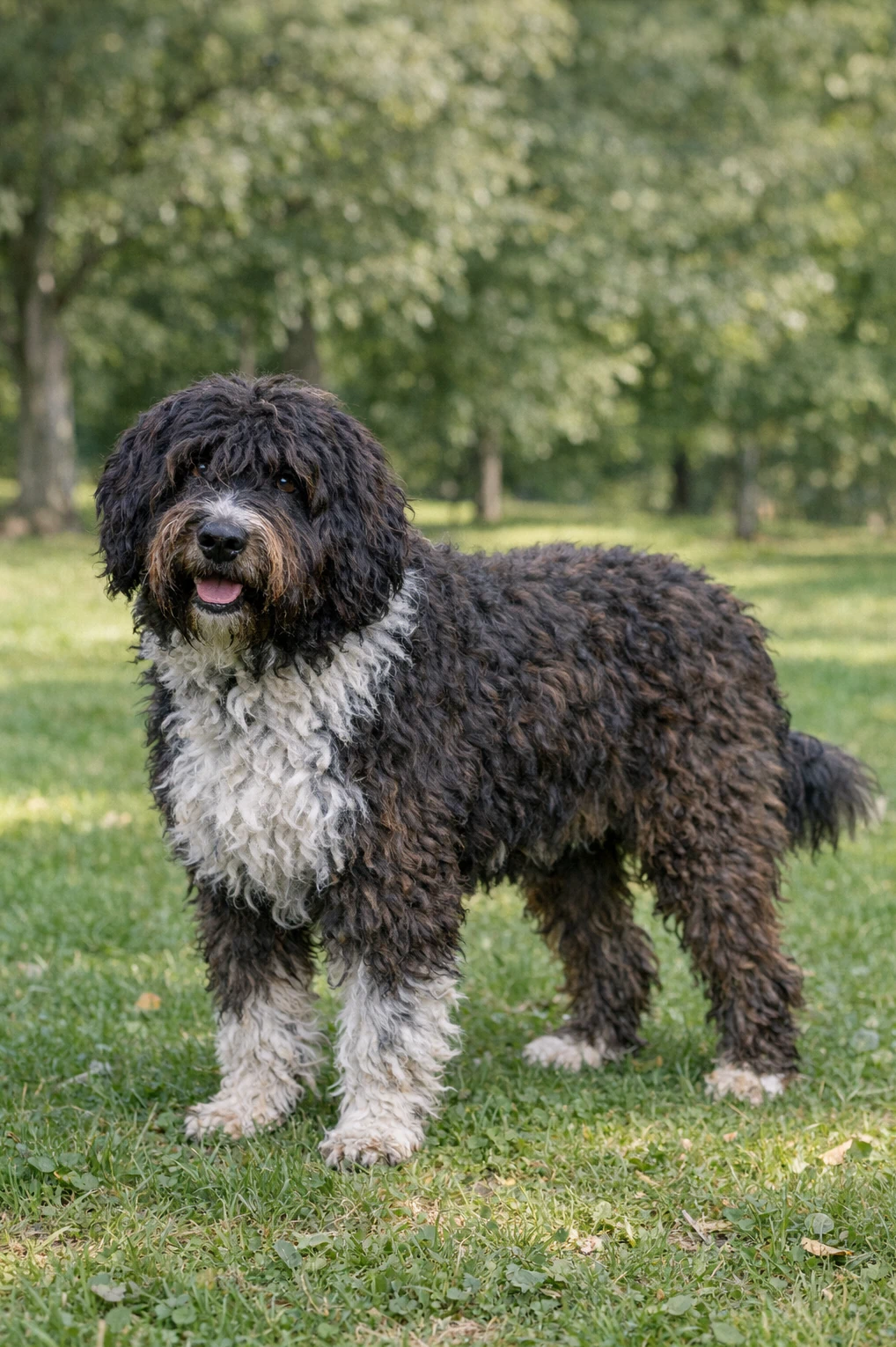
Large, lively swimmer around 20 to 23 inches tall and 42 to 60 pounds, loving, bold and energetic. Nutritional verdict: nutrient-dense, protein-forward diet with healthy fats supports coat, joints and stamina while avoiding overfeeding.
Understanding the Portuguese Water Dog Metabolism and Energy Needs
As coastal working companions bred to retrieve and work at sea, these dogs need fuel that supports stamina and lean muscle. Their social nature and high drive mean meals should help both endurance and mental focus.
Higher protein supports strong muscles and faster recovery after exercise, so include quality animal proteins and complete amino acids. Healthy fats, especially omega-3s from fish oil, provide concentrated energy, reduce inflammation, and keep the dense, water-resistant coat in good condition.
Moderate carbohydrates from whole grains or starchy vegetables supply steady energy without spikes, while fiber helps digestion during active days. Joint-support supplements like glucosamine and antioxidant-rich ingredients can protect joints and keep their minds sharp into later years.
Managing Portuguese Water Dog Genetic Health Risks Through Nutrition
Ear Infections
Helpful nutrients
Dental Disease (Plaque & Gum Health)
Helpful nutrients
Obesity / Excess Weight
Helpful nutrients
Portuguese Water Dog Feeding & Calorie Calculator
Estimated Daily Calories
Tip: Start with this amount and adjust after 2–3 weeks based on your dog's body condition and weight trend.
This estimate provides a starting point for feeding. Individual calorie needs may vary depending on metabolism, body condition, and health status. Always monitor your dog's weight and consult your veterinarian when adjusting diet.
Foods and Ingredients to Avoid for Portuguese Water Dog Dogs
Portuguese Water Dogs can be prone to gaining weight, and foods very high in fat can quickly add excess calories.
Too much fat also raises the risk of pancreatitis, a painful and potentially serious condition that requires veterinary care.
Keeping a Portie's diet focused on lean proteins and controlled fat helps protect their joints and energy levels, especially for a medium-large dog in the 42 to 60 pound range.
Talk with your vet about appropriate fat percentages for your dog's age and activity level.
Training treats are useful, but the calories add up fast for a breed that can gain weight.
Excess treats lead to unwanted pounds, which stress the hips and shoulders and can reduce stamina during walks and play.
Use low-calorie, nutrient-dense treats and factor them into daily calorie totals.
If you notice weight creeping up, reduce treat quantity or substitute portions of meals with training rewards to maintain a healthy weight.
Grapes and raisins are toxic to dogs and can cause kidney failure, even in small amounts, so they should be strictly avoided.
Some other fruit pits and seeds, like those from cherries or apples, can cause intestinal blockage or contain cyanogenic compounds.
Always remove pits and seeds and offer fruit in small, measured portions after checking safety.
When in doubt, consult your veterinarian before sharing a new fruit with your Portie.
Xylitol, a sugar substitute found in many sugar-free gums, candies, and baked goods, can cause rapid hypoglycemia and liver damage in dogs.
Sugary human snacks also promote dental disease, and Portuguese Water Dogs benefit from regular tooth care and limited sugar.
Keep sugar-free products and sweets well out of reach and check ingredient lists carefully.
If ingestion is suspected, seek veterinary help immediately, as effects can be rapid and severe.
Raw diets and raw bones carry risks of bacterial contamination such as Salmonella or E. coli, which can affect both your dog and your household.
Hard cooked bones can splinter and cause dental fractures or intestinal obstruction, so they are not a safe option.
If you are considering a raw or bone-in diet, work closely with your veterinarian to ensure it is balanced and handled safely, and consider safer alternatives like vet-approved chew and bone substitutes.
How Nutritional Needs Change Throughout the Portuguese Water Dog Life Stages
Dogs have different nutritional requirements as they move from puppyhood to adulthood and into their senior years. For a Portuguese Water Dog these needs reflect its large size, athletic nature and breed-specific growth pattern. Calorie needs, protein levels and feeding frequency change with growth rate, activity level and any breed health tendencies, such as ear care and dental attention, to keep your Portie strong and healthy.
| Life Stage | Age Range | Primary Objective | Key Nutrient Focus |
|---|---|---|---|
| Puppy | 0–15 months | controlled skeletal development, immune support, brain development | DHA, balanced calcium/phosphorus, high-quality protein |
| Adult | 1.5–6 years | lean muscle maintenance and sustained energy | high-quality protein, omega-3 fatty acids, fiber |
| Senior | 6+ years | joint mobility, metabolic health, and cognitive support | glucosamine, chondroitin, antioxidants, lower calories |
Portuguese Water Dog puppies grow relatively quickly but often continue filling out until about 12 to 18 months, so steady, controlled growth is important for healthy bones and joints. As a larger, athletic breed they need a diet formulated for large-breed puppies with careful calcium to phosphorus balance and moderate calories to avoid overly rapid growth that can stress developing skeletal structures.
Feed smaller, frequent meals at first, moving from three to four meals a day down to two as they approach adulthood, to support energy needs without overeating. Prioritize high quality animal protein, essential fatty acids like omega-3 for brain and coat health, and nutrients that support cartilage such as natural sources of glucosamine; avoid giving joint supplements without vet advice. Keep an eye on ears and teeth, because regular grooming and dental care help prevent infections and support overall nutrition.
An adult Portuguese Water Dog needs a diet that maintains lean muscle and fuels an active, adventurous lifestyle. Because many Porties enjoy swimming and high activity, they usually require higher quality protein and moderate to higher fat for energy, but portions should be matched to activity level to avoid excess weight which strains joints.
Aim for complete, balanced food with digestible animal protein, healthy fats including omega-3s for coat and skin, and antioxidants to support immune health. Regular monitoring of body condition and adapting portions for calmer or more active days keeps weight steady. Keep consistent dental care and ear checks, because oral health and clean ears contribute to overall wellbeing and help ensure nutrients are used efficiently.
As Portuguese Water Dogs enter their senior years their metabolism often slows and activity levels decline, which means calories may need to be reduced to prevent weight gain. At the same time preserving lean muscle is important, so keep protein levels adequate and focus on highly digestible sources so aging digestive systems can extract nutrients.
Joint support becomes more important for this athletic breed, so diets with added glucosamine, chondroitin and omega-3 fatty acids can help mobility and comfort, after vet approval. Antioxidants support immune and cellular health, while moderate fiber and dental care help digestion; continue regular ear checks to avoid infections that can affect appetite and wellbeing.
Kibble vs Fresh vs Raw for Portuguese Water Dog
Different feeding models suit different lifestyles and activity levels. For an affectionate, athletic Portuguese Water Dog, energy needs, coat care, and ear health should guide your choice.
Pros
- Convenient and easy to portion for busy, active owners.
- Many formulas offer high protein to support muscle and stamina.
- Crunchy texture can help reduce tartar on teeth.
- Available in options for higher calories or joint support.
Cons
- Lower moisture content may require extra water or wet food.
- Some brands include fillers or artificial additives.
- May not satisfy picky Porties without tasty toppers.
- Portion control needed to prevent weight gain in less active dogs.
Pros
- Highly palatable for picky or food-motivated Porties.
- High moisture supports hydration and gentle digestion.
- You control ingredient quality, great for allergy management.
- Can be tailored for activity level and coat health.
Cons
- Requires careful planning to ensure complete vitamin and mineral balance.
- More time consuming and often more expensive than kibble.
- Needs refrigeration and safe storage to prevent spoilage.
- May require supplements advised by your veterinarian or nutritionist.
Pros
- Appeals to owners seeking minimally processed ingredients.
- High protein, which can support muscular, active Porties.
- Some owners report shinier coats and higher energy.
- Easier to avoid specific cooked food allergens.
Cons
- Higher risk of bacterial contamination without strict hygiene.
- Whole bones can cause choking or dental fractures.
- Balancing calcium and nutrients requires careful recipe planning.
- Veterinary guidance is important to ensure safety and proper balance.
| Diet Type | Pros for Portuguese Water Dog | Potential Downsides |
|---|---|---|
| High-Quality Kibble |
|
|
| Fresh Cooked Food |
|
|
| Raw Diet (BARF) |
|
|
Our Recommendation
For most Portuguese Water Dogs, a high-quality kibble formulated for active breeds or a thoughtfully prepared fresh cooked diet offers a good balance of nutrition and convenience.
A raw approach can work for experienced owners, but only with strict hygiene and veterinary oversight.
See Also
Breeds with similar group, size, and coat characteristics