Best Dog Food for Alaskan Malamute in 2026Based on Nutritional Science
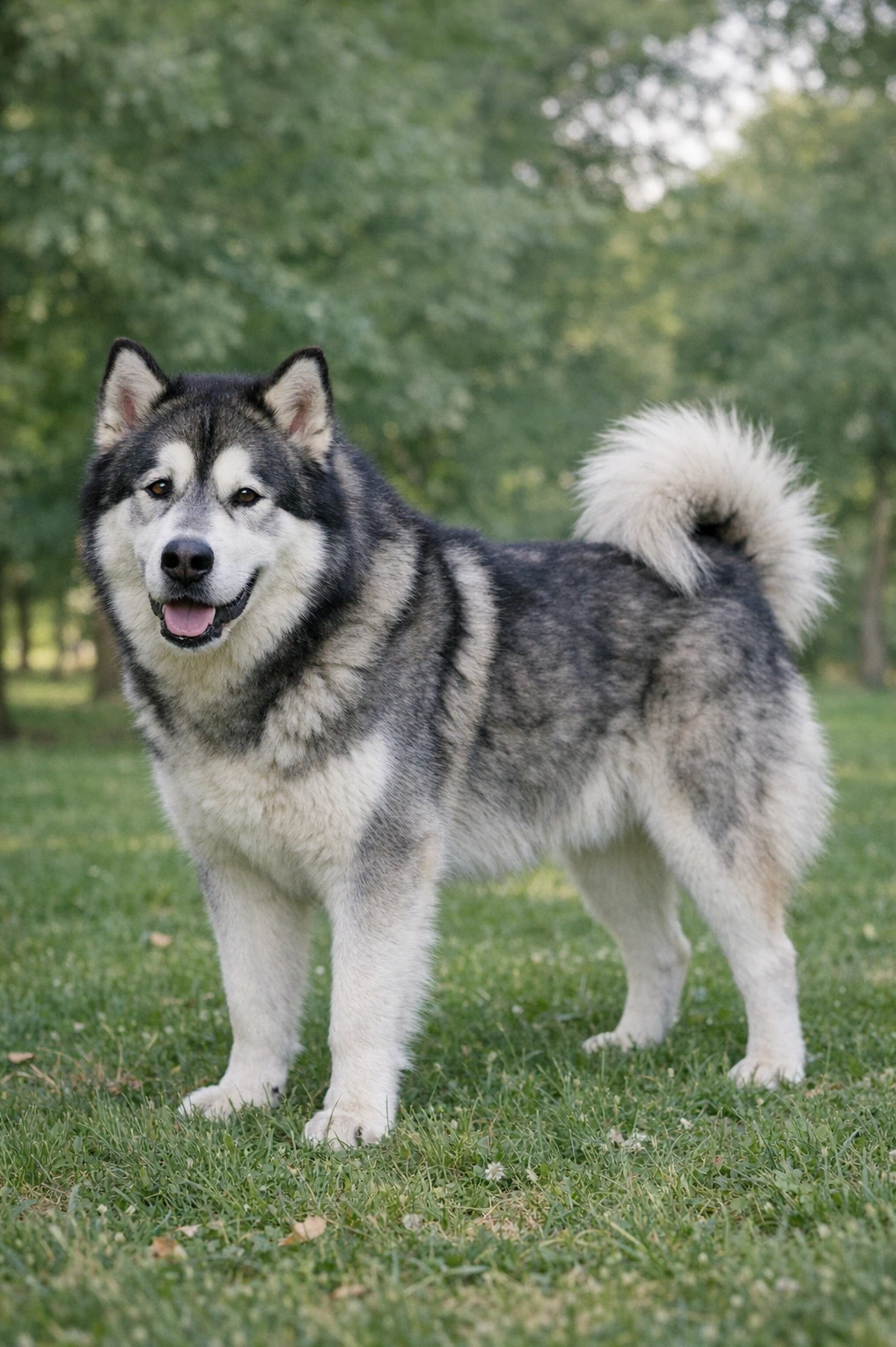
Large Alaskan Malamute males reach roughly 25 inches and 85 pounds, devoted, spirited, and warmhearted companions.
Nutritional Verdict: a quality diet rich in protein and healthy fats keeps muscles strong and energy steady.
Understanding the Alaskan Malamute Metabolism and Energy Needs
As a robust northern sled dog bred to pull heavy loads and cover long distances, this type needs fuel for endurance and cold-weather work. Their sociable, devoted temperament often keeps them active around family, so consistent calories support lean mass and steady energy.
High-quality animal protein is essential to maintain strong muscles and recover after activity, so recipes with fish, poultry, or lamb are helpful. Rich, digestible fats provide concentrated calories and help keep a dense double coat healthy, while moderate complex carbohydrates such as sweet potato give useful quick energy without promoting excess weight.
Because of their size and workload, joint support like glucosamine and chondroitin can be very beneficial, and omega-3s aid skin and coat condition. A feeding plan that increases calories during heavy activity and scales back during rest, using nutrient-dense ingredients, matches their heritage and keeps them happy and healthy.
Managing Alaskan Malamute Genetic Health Risks Through Nutrition
Hip Dysplasia
Helpful nutrients
Elbow Dysplasia
Helpful nutrients
Thrombopathia (platelet function issues)
Helpful nutrients
von Willebrand's Disease
Helpful nutrients
Chondrodysplasia ('dwarfism')
Helpful nutrients
Hypothyroidism
Helpful nutrients
Inherited Polyneuropathy
Helpful nutrients
Day Blindness / Retinal Issues
Helpful nutrients
Ear Buildup and Infections
Helpful nutrients
Obesity / Weight Gain
Helpful nutrients
Dental Disease and Tartar
Helpful nutrients
Alaskan Malamute Feeding & Calorie Calculator
Estimated Daily Calories
Tip: Start with this amount and adjust after 2–3 weeks based on your dog's body condition and weight trend.
This estimate provides a starting point for feeding. Individual calorie needs may vary depending on metabolism, body condition, and health status. Always monitor your dog's weight and consult your veterinarian when adjusting diet.
Foods and Ingredients to Avoid for Alaskan Malamute Dogs
Alaskan Malamutes are a large, powerful breed that can be prone to weight gain, and high-fat foods only make that harder to manage.
Rich table scraps, fatty cuts of meat, and fried snacks add concentrated calories and can lead to obesity, which raises the risk of joint strain and can worsen hip or elbow dysplasia.
High-fat meals also increase the chance of pancreatitis, a painful condition that can require emergency care.
Stick to lean proteins and measure treats carefully to protect joints and overall health.
This breed does well on a balanced, age-appropriate diet, so extra calories from frequent table scraps or oversized treats can push an adult Malamute into overweight territory.
Extra pounds increase stress on hips and elbows and make managing conditions like hypothyroidism harder, since weight control is central to thyroid health.
Use low-calorie training treats, practice portion control, and consult your veterinarian about daily calorie targets to keep your big friend at a healthy weight.
Large-breed puppies need careful calcium and calorie balance, because too much calcium or overly rich food can accelerate bone growth and contribute to hip and elbow dysplasia later in life.
Growing Malamute puppies do best on formulas labeled for large-breed growth, which control calcium and phosphorus and moderate calories.
Avoid homemade puppy diets with unregulated supplements unless supervised by your veterinarian, and follow feeding guidelines to support steady, healthy development.
Raw bones and unbalanced raw diets can pose several problems for a Malamute, including broken teeth, choking or intestinal blockages, and exposure to harmful bacteria.
Large breeds with powerful jaws may crack teeth on very hard bones, and fatty raw meals can also trigger pancreatitis in sensitive dogs.
If you are considering a raw approach, work closely with your veterinarian or a veterinary nutritionist to ensure safety and nutritional balance, and avoid whole weight-bearing bones that can damage teeth.
Some grain-free kibbles replace grains with high levels of peas, lentils, or other legumes, and these formulations have been linked to heart muscle concerns in certain dogs.
While the exact risk factors are still being studied, it is wise to avoid diets that rely heavily on pulses without veterinary guidance, especially for a large, active Malamute.
Check labels and choose complete diets with a variety of wholesome carbohydrate and protein sources, and consult your vet before switching to a pulse-heavy or boutique formula.
Breeding lines of Malamutes can have clotting concerns such as thrombopathia or von Willebrand's disease, so using supplements that affect blood clotting requires care.
Very high doses of fish oil or other blood-thinning supplements can increase bleeding risk, which is important to consider if your dog has a known clotting disorder or is undergoing dental cleanings.
Always consult your veterinarian before adding omega-3s or herbal supplements, and follow recommended dosages tailored to your dog's health profile.
How Nutritional Needs Change Throughout the Alaskan Malamute Life Stages
Dogs need different nutrition as they move from puppyhood to adulthood to their senior years, because their bodies and activity change. Breed size, growth rate, activity level, and common health tendencies shape what and how much they need. For an Alaskan Malamute, a large, active, double-coated sled dog, these factors are especially important for bones, energy, and coat health.
| Life Stage | Age Range | Primary Objective | Key Nutrient Focus |
|---|---|---|---|
| Puppy | 0–15 months | controlled skeletal development, immune support, brain development | DHA, balanced calcium/phosphorus, high-quality protein |
| Adult | 1.5–6 years | lean muscle maintenance and sustained energy | high-quality protein, omega-3 fatty acids, fiber |
| Senior | 6+ years | joint mobility, metabolic health, and cognitive support | glucosamine, chondroitin, antioxidants, lower calories |
Alaskan Malamute puppies grow quickly in their first year, but because they become large adults, their skeletal system needs careful support. Slow, steady growth helps reduce the risk of hip and elbow dysplasia, so calories and calcium should be controlled rather than maximized.
Feed small, frequent meals while they are young, typically three to four times daily until about six months, then gradually move to two meals. Focus on high quality protein for muscle development, balanced calcium and phosphorus for bone health, DHA for brain and eye development, and omega-3 fats for coat and inflammation support, and work with your breeder or vet to watch weight and screen for breed tendencies like hypothyroidism and joint issues.
In adulthood an Alaskan Malamute needs to maintain strong muscles and steady energy for its playful, working nature, while avoiding excess weight that strains joints. Provide a diet with moderate to high quality animal protein and balanced fat to match their activity level, with calories adjusted for whether yours is highly active or more of a couch companion.
Include nutrients that support joint and thyroid health, like omega-3 fatty acids and appropriate minerals, and choose formulas that support a dense, healthy coat. Monitor body condition regularly and split daily calories into two meals to stabilize energy and prevent bloating in this large chested breed.
As Malamutes age their metabolism often slows and digestion can change, while hips and elbows may show wear from a lifetime of activity. Calorie needs typically decrease, but protein should stay high quality to preserve muscle and mobility. Gentle, low impact exercise and regular dental and ear care help maintain comfort and overall health.
Add joint support such as glucosamine, chondroitin, and omega-3s, and include antioxidants like vitamin E and taurine for cellular health and cognitive support, along with increased fiber if digestion is sluggish. Work with your vet for weight management, thyroid monitoring, and to adjust phosphorus or other minerals if organ issues arise.
Kibble vs Fresh vs Raw for Alaskan Malamute
Different feeding models suit different lifestyles, activity levels, and health concerns. For your Alaskan Malamute, size, thick coat, and joint health often guide the best food choices.
Pros
- Convenient and easy to portion for busy owners.
- Formulas for large, active breeds support muscle and joint health.
- Often includes added glucosamine and chondroitin for hip support.
- Consistent nutrition per serving helps maintain stable weight.
Cons
- Some brands contain fillers or lower-quality ingredients.
- Lower moisture content may increase dehydration risk during warm weather.
- Calorie-dense formulas can lead to weight gain without careful portioning.
- Dry kibble alone may not satisfy picky Malamutes used to fresh food.
Pros
- Highly palatable and often loved by picky Malamutes.
- High moisture content supports skin, coat, and hydration.
- You control ingredient quality and omega fatty acid sources.
- Meals can be tailored to support joints and healthy weight.
Cons
- Requires careful recipes to ensure balanced minerals and vitamins.
- Home cooking is more time consuming and costlier than kibble.
- Improper calcium ratios in puppies can increase orthopedic risks.
- Needs refrigeration and meal planning, which busy owners may find difficult.
Pros
- High protein supports strong muscles for active Malamutes.
- Some owners report shinier coats and steady energy.
- Chewable raw bones may help keep teeth cleaner.
- Less processing can suit dogs sensitive to cooked diets.
Cons
- Higher bacterial risk requires strict hygiene and safe sourcing.
- Imbalanced minerals can harm growing puppies and affect joints.
- Whole bones pose choking or tooth fracture risks without supervision.
- Veterinary guidance is essential to ensure complete nutrient balance.
| Diet Type | Pros for Alaskan Malamute | Potential Downsides |
|---|---|---|
| High-Quality Kibble |
|
|
| Fresh Cooked Food |
|
|
| Raw Diet (BARF) |
|
|
Our Recommendation
For many Malamute households, high-quality kibble designed for large, active breeds or carefully balanced fresh cooked food gives the best mix of convenience and nutrition.
Raw feeding can work for experienced owners with veterinary guidance, strict hygiene, and careful nutrient balancing to protect joints and growth.
See Also
Breeds with similar group, size, and coat characteristics