Best Dog Food for Scottish Deerhound in 2026Based on Nutritional Science
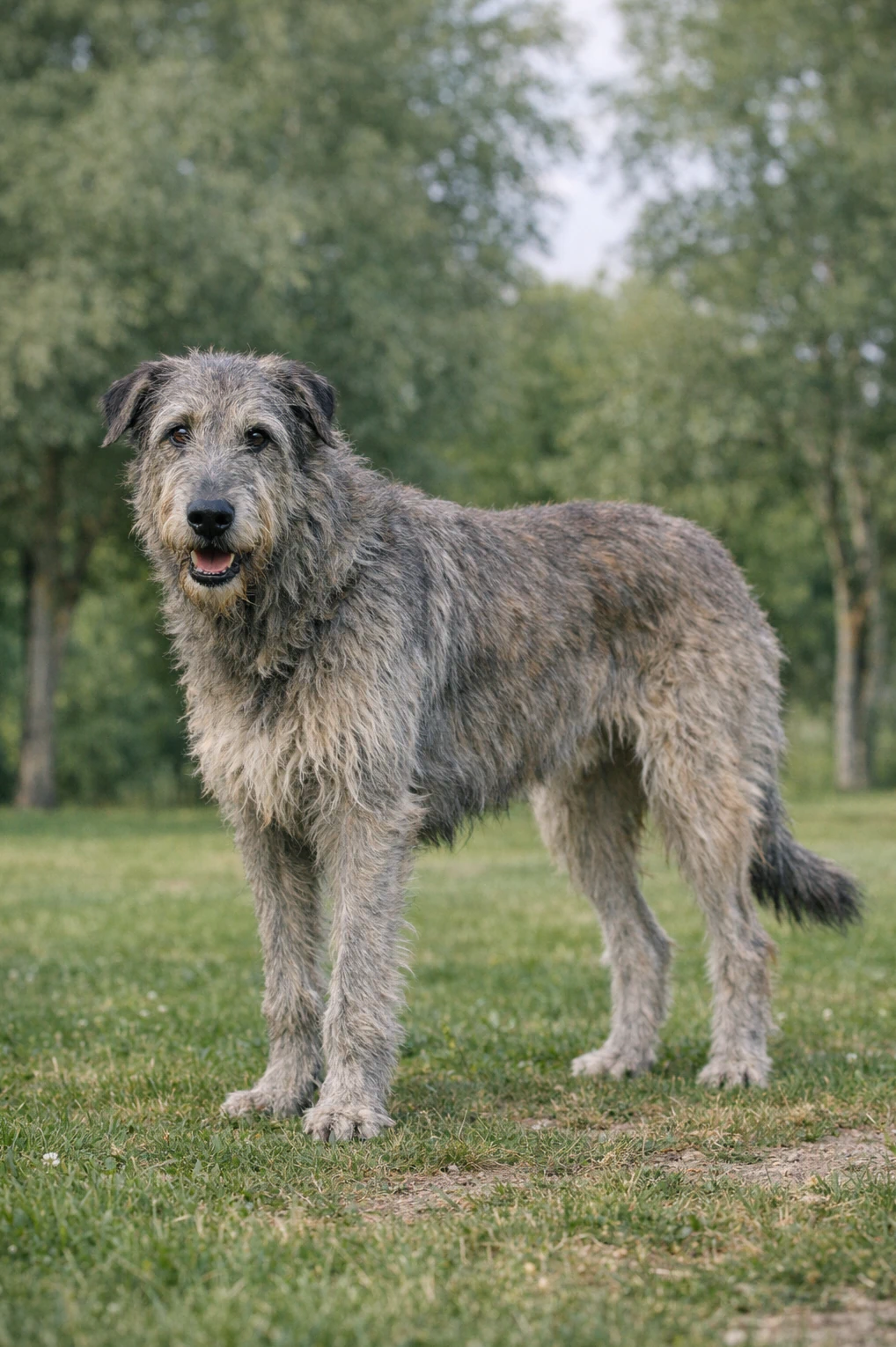
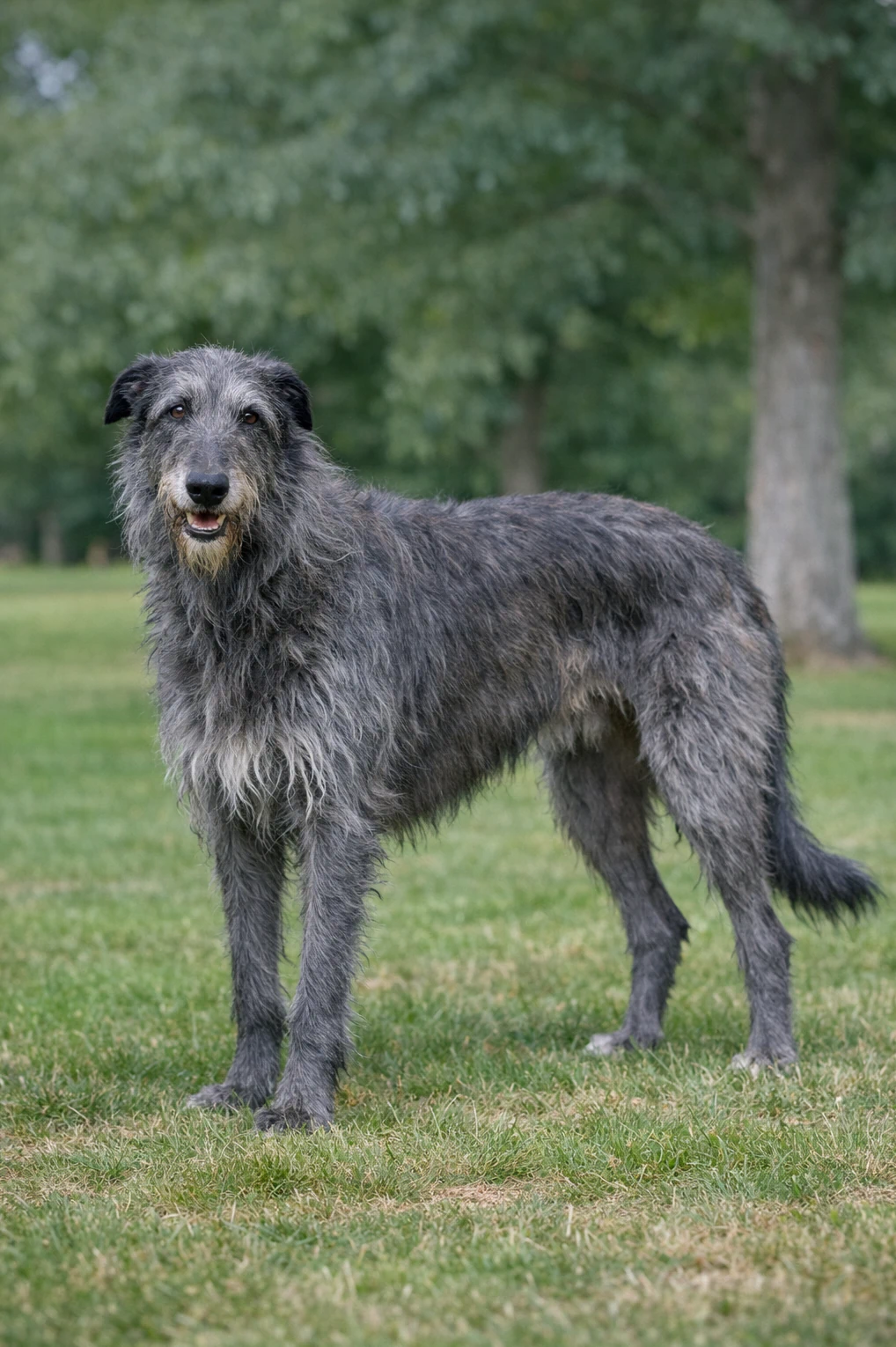
Male Scottish Deerhounds reach about 30 to 32 inches and weigh 85 to 110 pounds, appearing regal, soft-tempered, and well-mannered.
Nutritional Verdict: premium protein, controlled calories, plus joint support for lean muscle and steady energy.
Understanding the Scottish Deerhound Metabolism and Energy Needs
As a tall, lean coursing dog with a calm, courteous nature, this type of dog relies on muscles built for quick sprints and steady recovery. Nutritionally, that means prioritizing high-quality protein to maintain lean tissue and support rapid repair after bursts of activity.
Concentrated fats provide efficient fuel and keep the coat glossy, while omega-3s help soothe joints in long-legged dogs that put extra strain on hips and elbows. Moderate, complex carbohydrates such as sweet potato or oats offer slow-release energy without sudden blood sugar spikes, useful between active periods.
Including joint-support compounds like glucosamine and chondroitin, plus antioxidants for recovery and immune support, helps long-term mobility. Careful portioning and calorie-aware recipes preserve a trim silhouette, and smaller, more frequent meals can aid digestion in deep-chested animals.
Managing Scottish Deerhound Genetic Health Risks Through Nutrition
Osteosarcoma
Helpful nutrients
Dilated Cardiomyopathy (DCM)
Helpful nutrients
Cystinuria (urinary stones)
Helpful nutrients
Surgery-related bleeding and drug sensitivity (Factor VII issues, slow drug metabolism)
Helpful nutrients
Liver shunt (portosystemic shunt)
Helpful nutrients
GDV / Bloat (gastric torsion)
Helpful nutrients
Obesity
Helpful nutrients
Scottish Deerhound Feeding & Calorie Calculator
Estimated Daily Calories
Tip: Start with this amount and adjust after 2–3 weeks based on your dog's body condition and weight trend.
This estimate provides a starting point for feeding. Individual calorie needs may vary depending on metabolism, body condition, and health status. Always monitor your dog's weight and consult your veterinarian when adjusting diet.
Foods and Ingredients to Avoid for Scottish Deerhound Dogs
Scottish Deerhounds can be prone to weight gain when they get extra calories, and high-fat foods or fatty table scraps can push a big dog quickly into excess weight.
Extra weight stresses their large frame and joints, and high fat meals can trigger pancreatitis, which is painful and can be serious in a giant breed.
Keep treats lean and portion-controlled, and talk with your veterinarian before offering rich foods or human leftovers to help maintain a healthy weight and energy level.
Growing Deerhounds need steady, controlled growth to protect developing bones and joints, so avoid high-calorie puppy diets not formulated for large or giant breeds and do not add extra calcium supplements.
Too many calories or excess calcium during the rapid growth phase can increase the risk of orthopedic problems later in life, which is especially important for a dog that reaches 85 to 110 pounds.
Select a large-breed puppy formula and follow your breeder and veterinarian's guidance on feeding amounts to support safe growth.
Because Scottish Deerhounds are deep-chested and at higher risk for gastric dilatation volvulus, or bloat, avoid feeding one very large meal a day or encouraging rapid gulping of food.
Eating large volumes at once, then exercising vigorously, increases the chance of life-threatening stomach torsion in this breed.
Offer multiple smaller meals, use slow-feeding strategies if your dog inhales food, and keep intense exercise away from mealtime to reduce bloat risk.
Some boutique and grain-free diets that rely heavily on peas, lentils, or other legumes have been associated with canine dilated cardiomyopathy in susceptible dogs, so use caution with legume-rich formulas.
Since Deerhounds can be prone to heart conditions such as dilated cardiomyopathy, discussing diet choices with your veterinarian is wise before switching to a high-legume, grain-free product.
A balanced, veterinary-recommended diet that supports heart health is the safer choice for this large, active breed.
Some Scottish Deerhounds have a genetic predisposition to cystinuria, which can lead to cystine stones, so avoid diets or supplements that greatly increase certain amino acids or promote very concentrated urine.
Excessive protein or specific supplement regimens may alter urine chemistry and raise stone risk in susceptible dogs.
If your dog has a known cystinuria diagnosis or a family history, work with your veterinarian to choose a diet that helps keep urine dilute and balanced.
Deerhounds may have surgery-related concerns like delayed bleeding and different drug metabolism, so avoid high-dose fish oil, garlic, ginkgo, or other supplements that can increase bleeding risk before procedures.
These agents can interfere with clotting or with medications, which is important to consider if your dog may need surgery.
Always tell your veterinarian about any supplements or significant dietary changes well before anesthesia or planned surgeries, and stop advised items on the recommended schedule.
How Nutritional Needs Change Throughout the Scottish Deerhound Life Stages
Like people, dogs need different nutrition at puppyhood, adulthood, and senior years. A Scottish Deerhound's needs change with their giant size, relatively fast early growth, high daily activity, and breed-linked health tendencies. Puppies require careful growth management, adults need balanced maintenance of muscle and energy, and seniors often benefit from adjustments for metabolism, joints, and digestion. Tailor feeding to your dog, its activity level, and veterinary guidance.
| Life Stage | Age Range | Primary Objective | Key Nutrient Focus |
|---|---|---|---|
| Puppy | 0–18 months | controlled skeletal development, immune support, brain development | DHA, balanced calcium/phosphorus, high-quality protein |
| Adult | 1.5–5 years | lean muscle maintenance and sustained energy | high-quality protein, omega-3 fatty acids, fiber |
| Senior | 5+ years | joint mobility, metabolic health, and cognitive support | glucosamine, chondroitin, antioxidants, lower calories |
Scottish Deerhound puppies grow quickly early on but follow a longer growth curve than smaller breeds, so slow, steady development is important. Feed a large-breed puppy formula with balanced calcium and phosphorus to support controlled bone growth, and choose high quality protein for lean muscle development. Moderate fat provides energy for their active, gentle nature, but avoid excess calories that speed growth and stress joints. Follow breeder and veterinarian guidance for age-related exercise limits to protect developing skeletons.
Feed smaller, more frequent meals while the stomach is maturing to reduce the risk of gastric torsion and to ease digestion. Keep meals predictable and avoid very high fat treats around exercise times. Be aware of breed health tendencies such as osteosarcoma, dilated cardiomyopathy, cystinuria, and sensitivity to certain drugs, and discuss screening and nutrition strategies with your breeder and vet early on.
Adult Scottish Deerhounds need nutrition that supports lean muscle and steady energy for their daily runs and long walks. Aim for high quality, digestible protein to maintain muscle mass, paired with moderate fat for sustained energy. Because they are a giant, active breed, portion control and consistent routines help prevent excess weight that can strain joints and raise surgical risks. Include omega-3 fatty acids for heart and joint health, and consider foods with glucosamine precursors or add supplements if your vet recommends them.
Choose feeds formulated for large or giant breeds with appropriate calorie density and nutrient balance, and keep exercise consistent to match intake. Monitor body condition regularly and work with your veterinarian to adjust protein, fat, and calories for activity level, season, or recovery from illness. Responsible breeders and routine screening help spot breed-linked conditions like dilated cardiomyopathy and cystinuria, so combine good nutrition with proactive health care.
As Scottish Deerhounds enter their senior years their metabolism often slows while mobility and digestion can change. Keep protein high quality to preserve muscle, while gently reducing overall calories if activity drops to prevent weight gain and joint strain. Support joints and comfort with omega-3 fatty acids and glucosamine or chondroitin when recommended by your veterinarian, and include antioxidants like vitamin E to help healthy aging and immune function.
Offer smaller, more frequent meals to ease digestion and lower the chance of bloat, and choose easily digestible, nutrient-dense foods if appetite wanes. Because this breed has specific health considerations such as cardiac and liver issues, review cardiac nutrients, electrolyte balance, and any supplement plans with your vet. Regular weight checks, dental care, and proactive screening make dietary adjustments safer and more effective.
Kibble vs Fresh vs Raw for Scottish Deerhound
Different feeding models suit different lifestyles and dog health needs. For a Scottish Deerhound, size, activity level, and breed-specific health tendencies should guide your choice.
Pros
- Convenient and easy to portion for busy owners with large dogs.
- Available in large-breed formulas supporting joint health and controlled growth.
- Stable nutrient balance reduces risk of deficiencies when fed consistently.
- Dry food has long shelf life and consistent calorie density for weight management.
Cons
- Lower moisture content may not suit dogs needing extra hydration support.
- Some formulas include fillers or low-quality ingredients that stress sensitive digestion.
- Calorie-dense kibble can promote weight gain if portions are not strictly controlled.
- Large-breed puppy formulas are essential, improper feeding can harm growing joints.
Pros
- Highly palatable for picky or elderly Deerhounds with reduced appetite.
- High moisture supports digestion and may reduce constipation risk.
- Owners control ingredients, avoiding known breed sensitivities or poor-quality additives.
- Easier to adjust calories for active days and rest days.
Cons
- Requires careful planning to meet calcium and nutrient needs for a giant breed.
- Time-consuming and more expensive than kibble over time.
- Improper balance can risk bone or joint issues in growing Deerhounds.
- Needs refrigeration and safe prep to prevent spoilage and bacterial growth.
Pros
- Mimics ancestral diet with high-quality protein and fat for active dogs.
- Many owners report improved coat condition and energy levels.
- Can be tailored to avoid specific allergens or processed ingredients.
- No heat processing preserves some sensitive nutrients naturally.
Cons
- Higher risk of bacterial contamination for owners not following strict hygiene.
- Raw bones and fragments can cause choking or gastrointestinal injury.
- Balancing minerals and calories is difficult without professional guidance.
- May complicate surgical care because of clotting issues or altered drug metabolism.
| Diet Type | Pros for Scottish Deerhound | Potential Downsides |
|---|---|---|
| High-Quality Kibble |
|
|
| Fresh Cooked Food |
|
|
| Raw Diet (BARF) |
|
|
Our Recommendation
For most Scottish Deerhounds, a high-quality large-breed kibble is a practical, balanced baseline.
Fresh cooked meals work well for owners willing to plan carefully, while raw diets need veterinary guidance and strict hygiene.
See Also
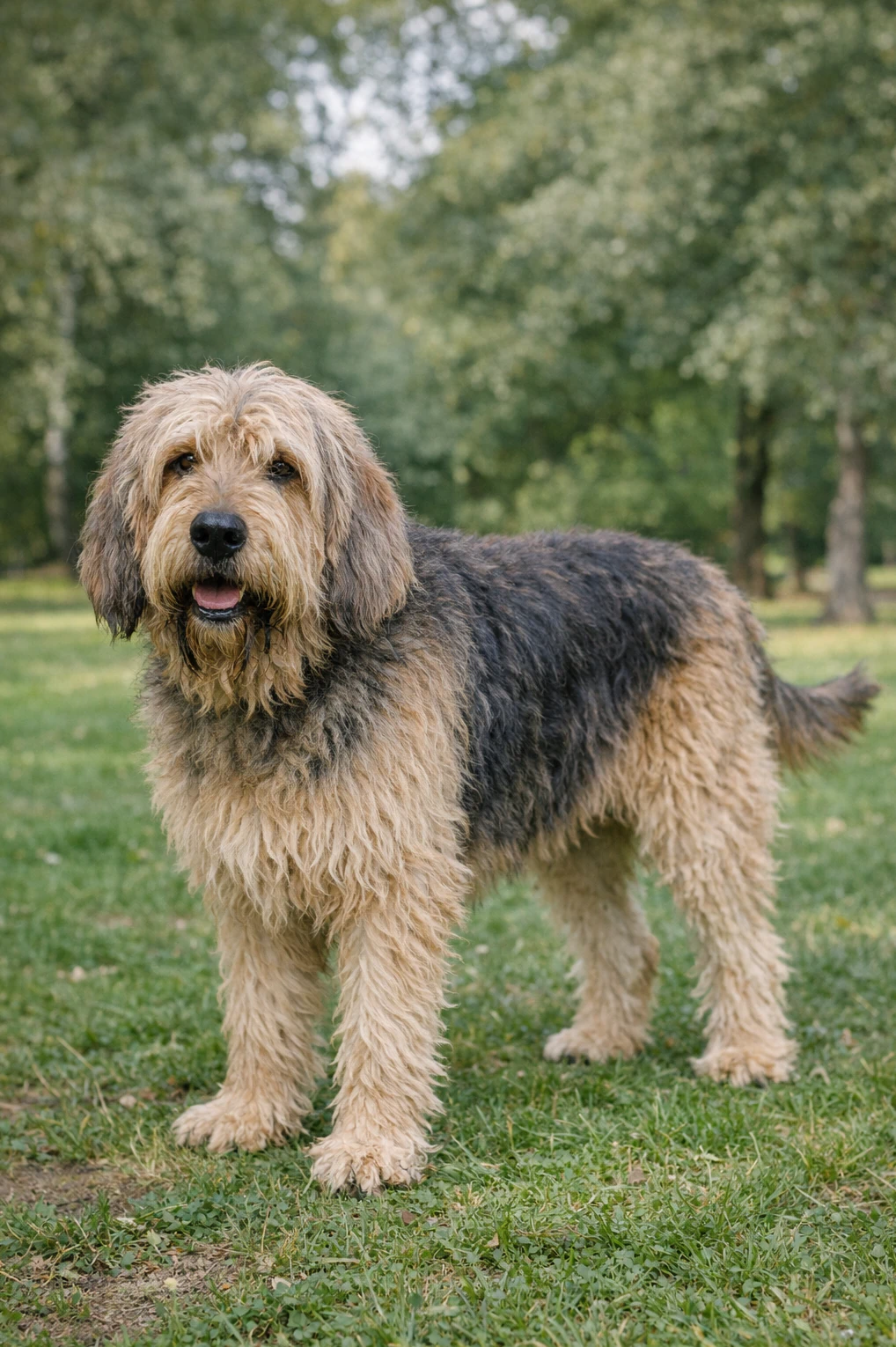
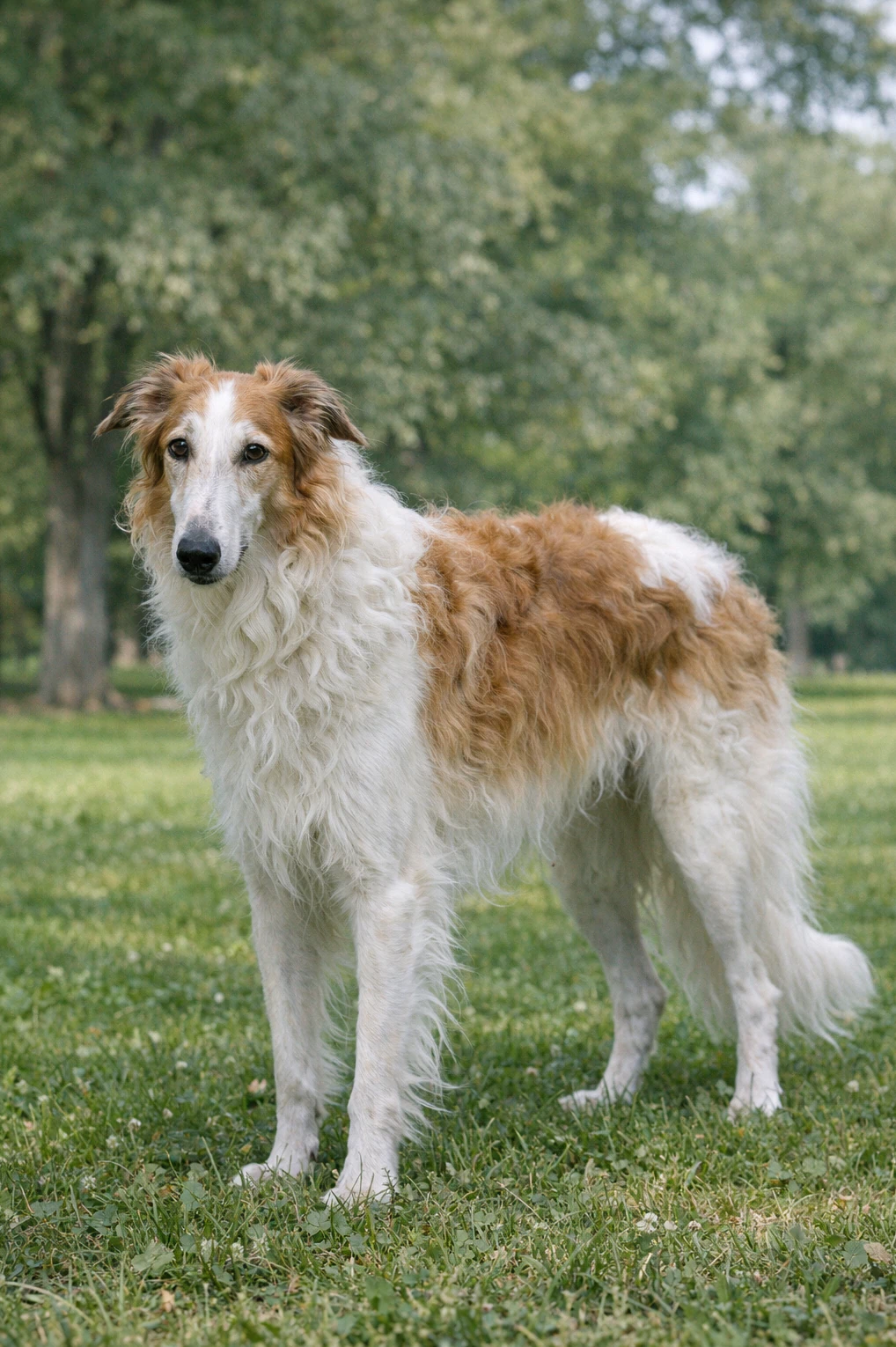
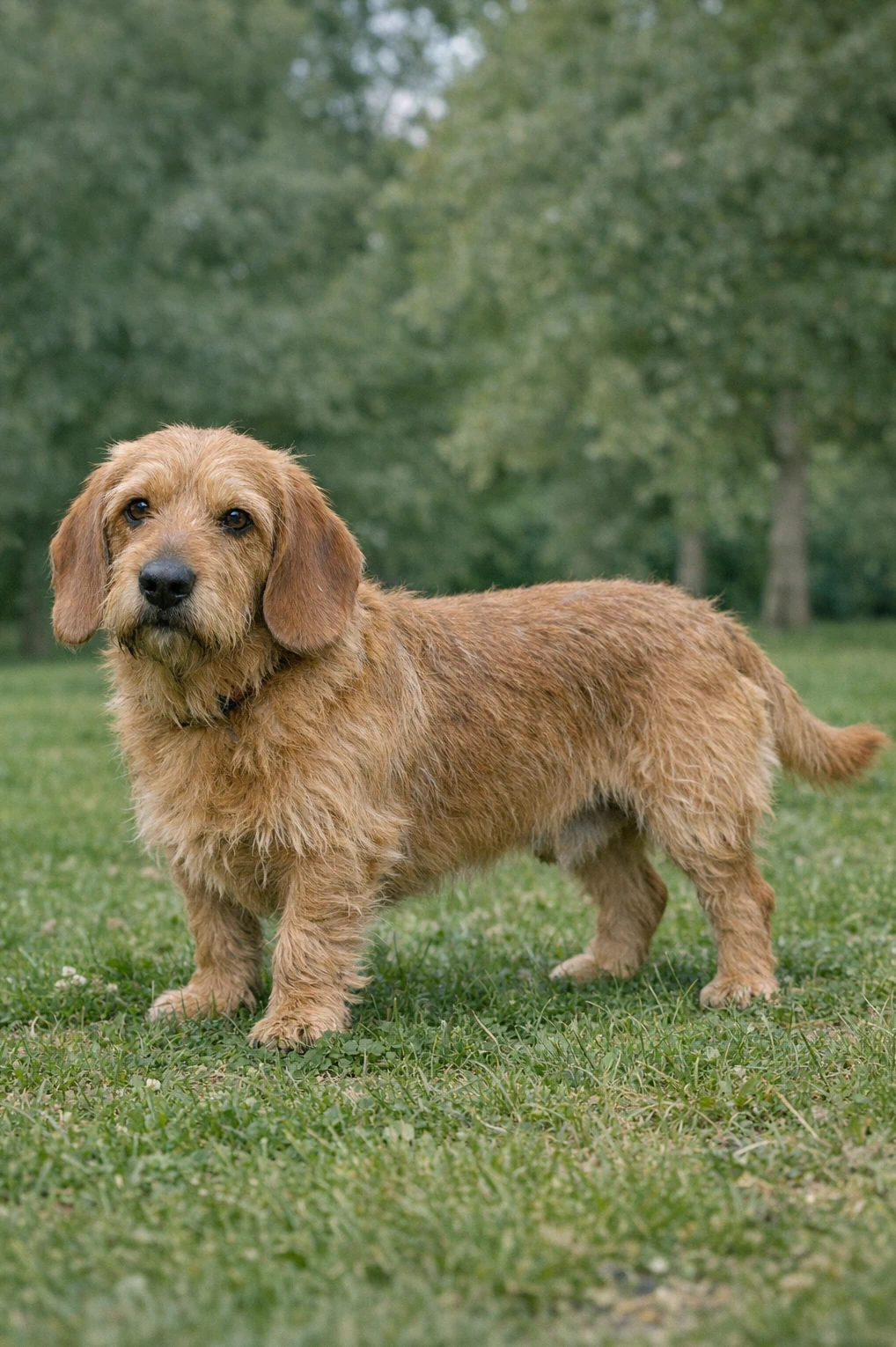
Breeds with similar group, size, and coat characteristics