Best Dog Food for Bloodhound in 2026Based on Nutritional Science
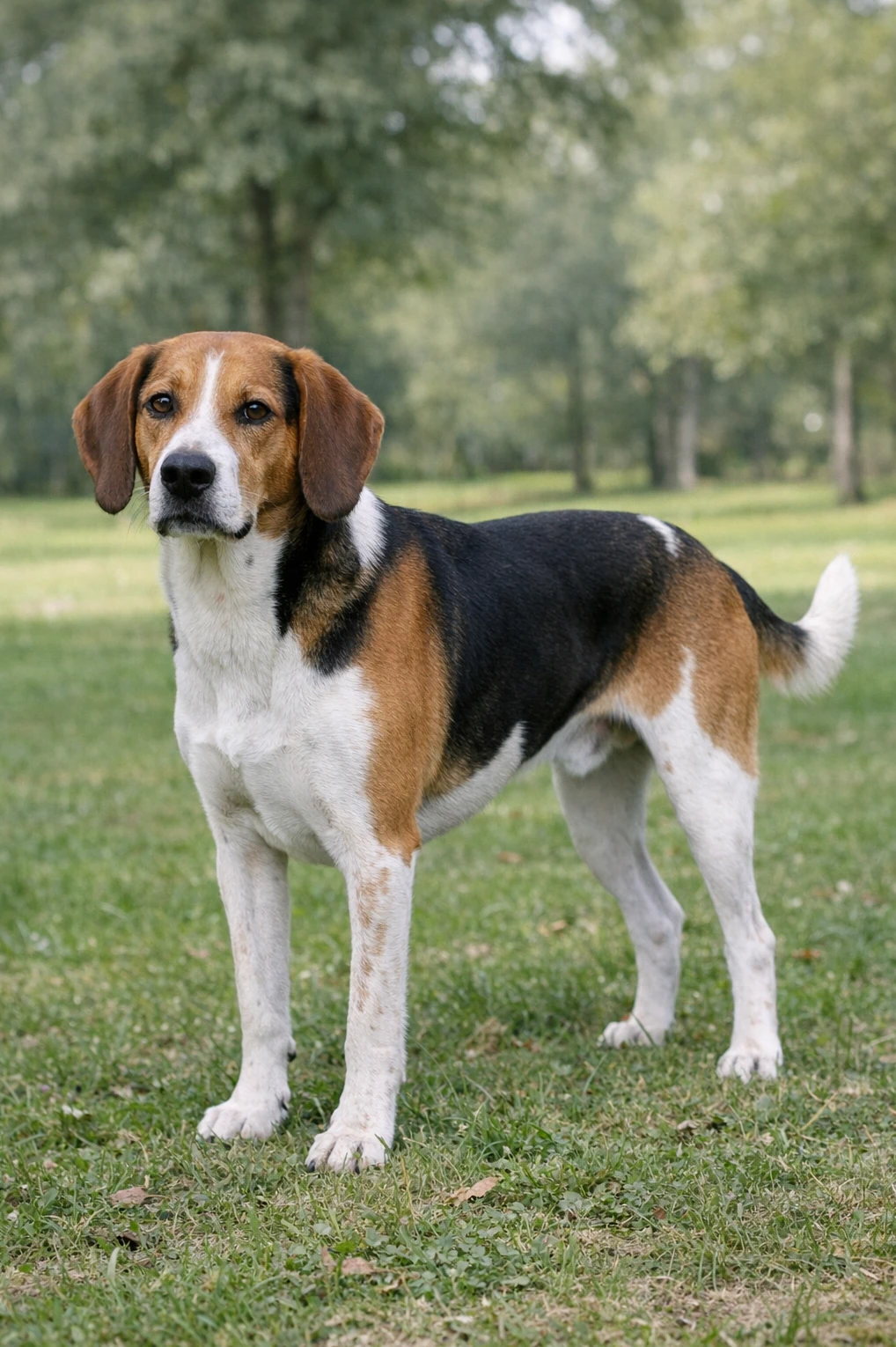
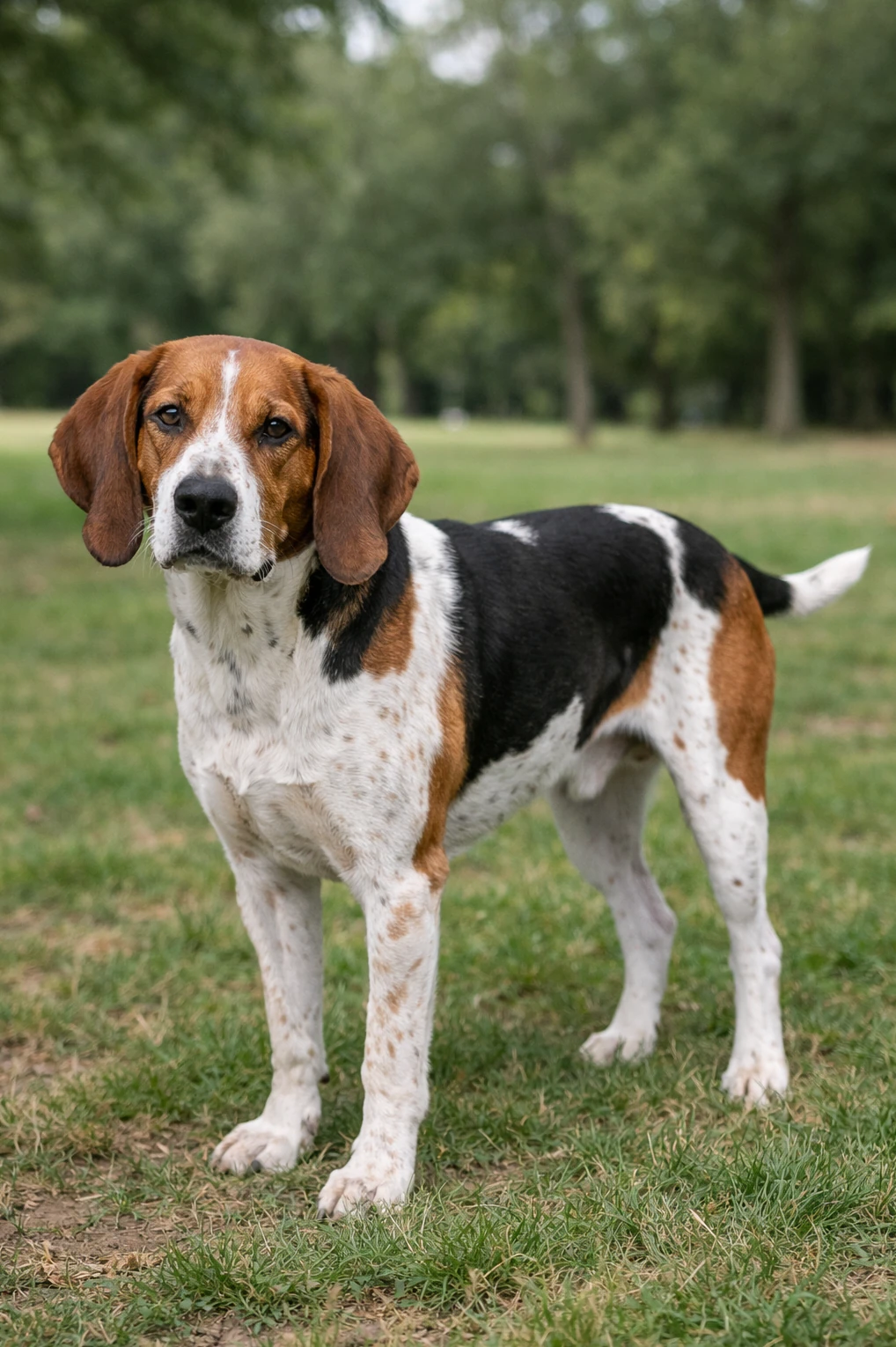
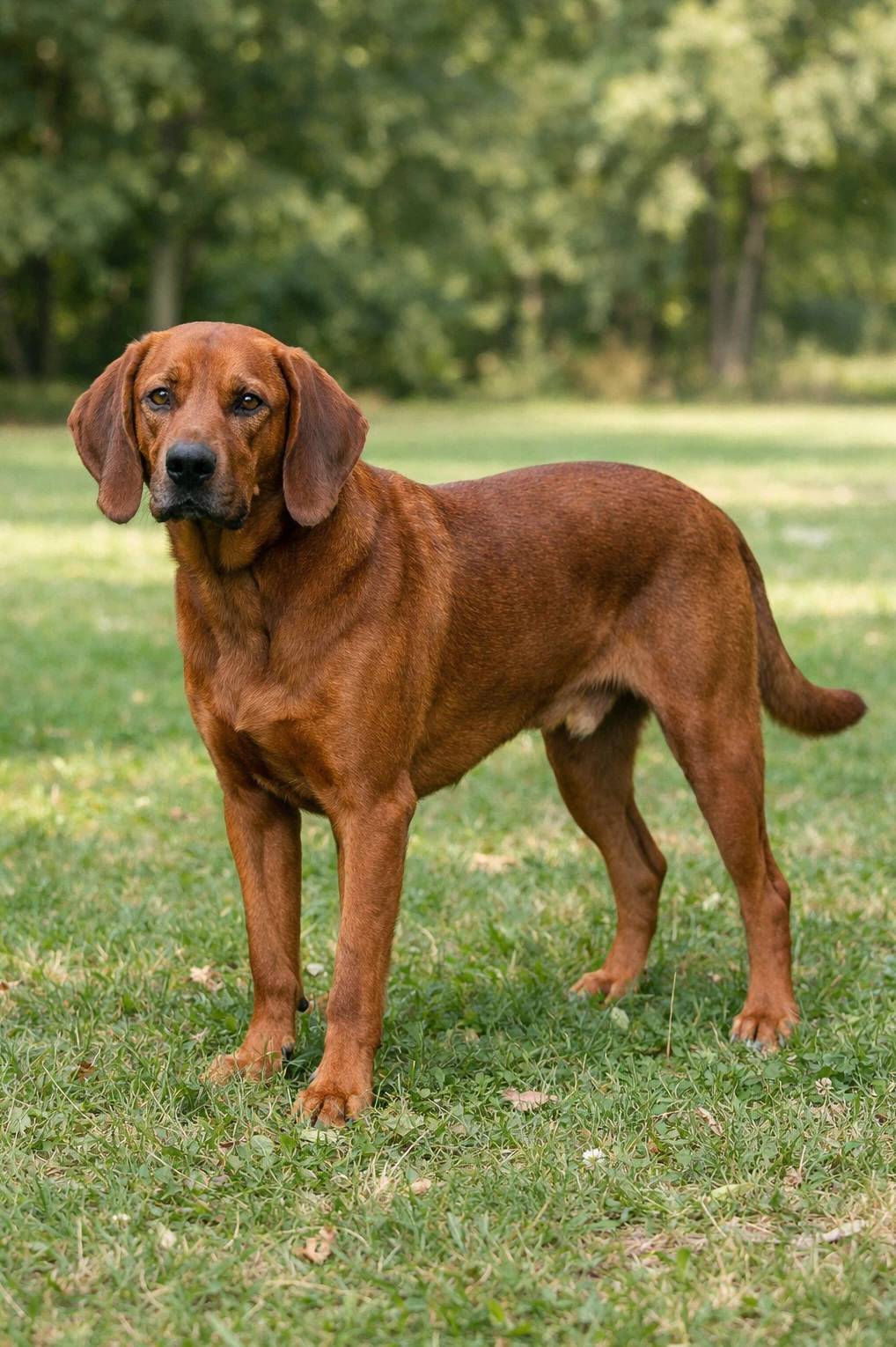
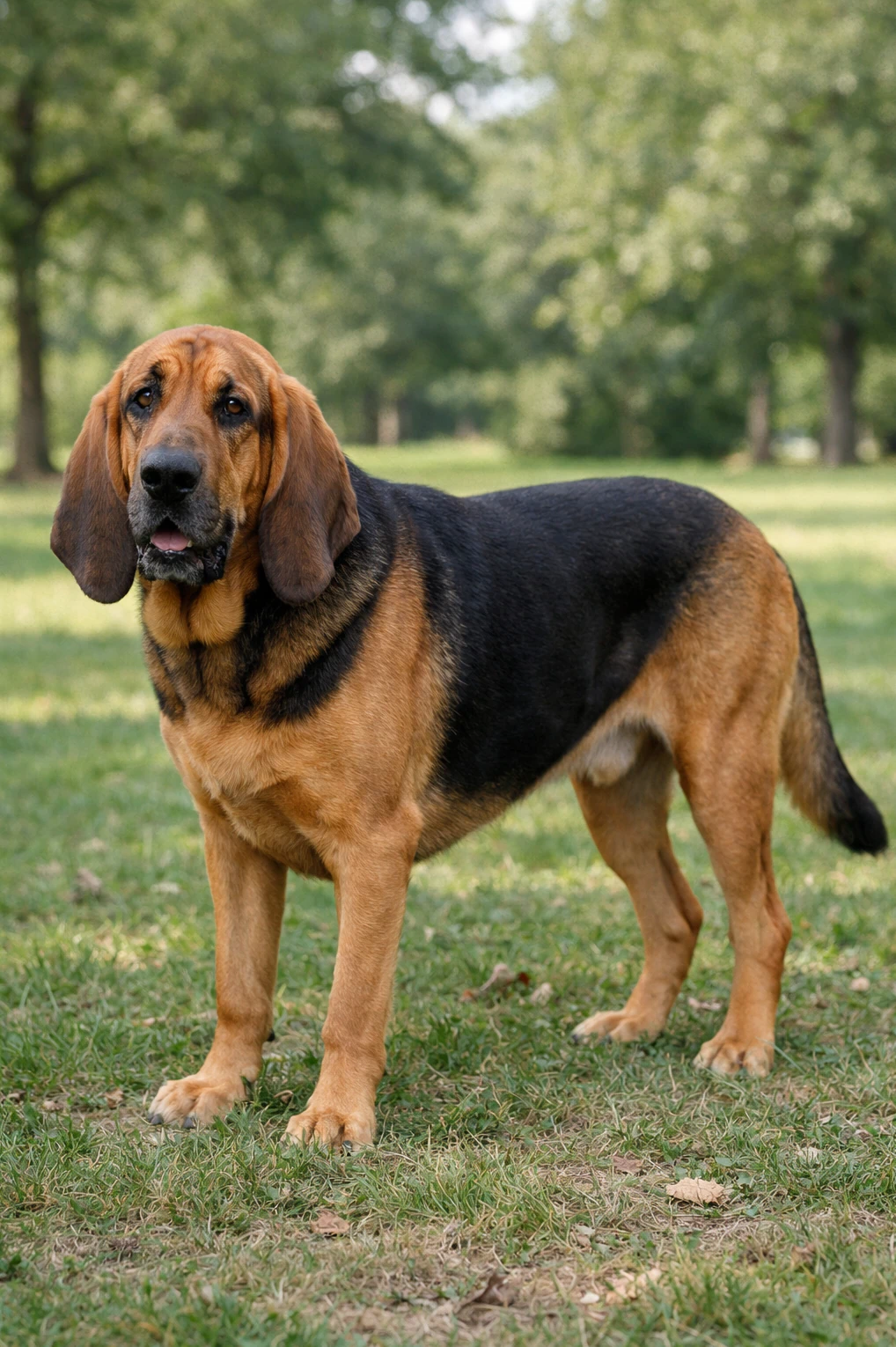
Large, muscular scent hound standing about 25 to 27 inches and weighing 90 to 110 pounds, self-reliant, warm, and curious. Nutritional verdict: needs a balanced, high-quality, protein-rich diet with joint support and controlled calories.
Understanding the Bloodhound Metabolism and Energy Needs
As a classic scent hound with a long history of trailing game, this dog needs a diet that supports steady, long-distance work and a keen nose. Their self-reliant, affable, and highly curious nature means regular bursts of focused activity, so higher quality protein is important to maintain lean muscle and repair tissues after long days on the move.
Sustained energy comes from healthy fats, which provide slow-burning calories the way their ancestors needed on the trail, while measured amounts of complex carbohydrates top up glycogen without causing spikes. Electrolytes and easily digestible fibers help with stamina and gastrointestinal comfort during extended activity.
Joint-support supplements like glucosamine and chondroitin protect large-frame mobility, while omega-3s promote skin, ear, and brain health, aiding scent discrimination and focus. Tailoring ratios this way keeps a tracking specialist sound, energetic, and eager to follow the next scent.
Managing Bloodhound Genetic Health Risks Through Nutrition
Bloat (Gastric Dilatation-Volvulus)
Helpful nutrients
Indiscriminate eating and gastrointestinal upset
Helpful nutrients
Ear infections
Helpful nutrients
Skin fold irritation and infections
Helpful nutrients
Dental disease
Helpful nutrients
Obesity and weight gain
Helpful nutrients
Bloodhound Feeding & Calorie Calculator
Estimated Daily Calories
Tip: Start with this amount and adjust after 2–3 weeks based on your dog's body condition and weight trend.
This estimate provides a starting point for feeding. Individual calorie needs may vary depending on metabolism, body condition, and health status. Always monitor your dog's weight and consult your veterinarian when adjusting diet.
Foods and Ingredients to Avoid for Bloodhound Dogs
Bloodhounds are deep chested and more prone to bloat, a life threatening emergency, so avoid feeding one very large meal or foods that encourage frenzied, rapid gulping.
Foods that are very tasty and soft, or overly small kibble that encourages inhaling, can increase the risk of swallowing air and bloat.
Serve several measured meals per day, consider slow feeders or puzzle feeders, and never exercise your dog vigorously right after eating.
These simple habits are often as important as what you put in the bowl.
High fat meals and fatty table scraps may be tempting for a scavenging Bloodhound, but they can quickly lead to obesity and raise the risk of pancreatitis, which requires urgent veterinary care.
Given the breed's tendency to gain weight, regular high-fat treats make it harder to manage a healthy body condition and put added stress on joints.
Stick to lean protein sources, measure calories, and limit rich human foods, especially fried or greasy leftovers, to keep your hound fit and comfortable.
Xylitol is a common sugar substitute in gum, candy, some peanut butters, and baked goods, and it can cause rapid, severe hypoglycemia and liver failure in dogs.
Bloodhounds are curious and likely to sample whatever smells interesting, so xylitol exposure can be especially dangerous if left within reach.
Always check ingredient labels before sharing human treats, and store sweetened products securely to prevent accidental ingestion. If you suspect xylitol exposure, contact your veterinarian immediately.
Grapes and raisins can cause unpredictable, potentially fatal kidney damage in dogs, so they should be avoided completely.
Stone fruit pits, such as those from peaches or cherries, present two problems, they can cause choking or intestinal blockage if swallowed, and some pits contain cyanogenic compounds that are harmful when chewed.
Offer dog safe fruits in small, pitted portions, and keep dried fruits and fruit pits well out of reach of a curious sniffer.
Cooked bones splinter easily and can puncture the mouth, throat, or intestines, while very large hard chews can break teeth or become a dangerous choking hazard for a powerful chewer like a Bloodhound.
Because they tend to wolf things down, small or brittle chews are especially risky.
Opt for appropriately sized, vet approved chew items and supervise chewing sessions. If your dog swallows a large piece, seek veterinary attention right away.
Diets that rely heavily on peas, lentils, or other legumes as primary carbohydrate and protein sources have been under scrutiny for possible links to heart issues in some dogs when not balanced properly.
For a large breed like the Bloodhound, which may already face weight and conditioning challenges, an unbalanced pulse heavy diet could mean inadequate levels of essential nutrients.
Work with your veterinarian to choose a balanced formula, especially if you prefer grain free or home prepared diets, and monitor your dog for changes in energy, appetite, or breathing.
How Nutritional Needs Change Throughout the Bloodhound Life Stages
Dogs need different nutrition at puppy, adult, and senior stages because their bodies and activity change as they age. Growth rate, activity level, and breed-specific health tendencies shape those needs for every life stage. For a giant scent hound like the Bloodhound, rapid growth, high stamina while tracking, and risks like bloat and overeating make tailored feeding choices important from puppyhood through the senior years.
| Life Stage | Age Range | Primary Objective | Key Nutrient Focus |
|---|---|---|---|
| Puppy | 0–18 months | controlled skeletal development, immune support, brain development | DHA, balanced calcium/phosphorus, high-quality protein |
| Adult | 1.5–5 years | lean muscle maintenance and sustained energy | high-quality protein, omega-3 fatty acids, fiber |
| Senior | 5+ years | joint mobility, metabolic health, and cognitive support | glucosamine, chondroitin, antioxidants, lower calories |
Puppyhood in a giant, deep-chested breed like the Bloodhound is a time of fast, focused growth that shapes the skeleton and joints. Choose a large-breed puppy formula that controls calories and has the right calcium to phosphorus balance to support steady bone development, while avoiding excess calcium or rapid weight gain that can stress growing joints.
High quality animal protein and DHA support muscle and brain growth, while moderate fat provides energy for that inquisitive, scent-driven activity. Feed measured portions on a routine, offering three to four smaller meals daily until about six months, then transition to two meals to reduce bloat risk. Because Bloodhounds often eat anything, supervise meals, consider a slow-feed bowl, and avoid free-feeding or vigorous exercise right before or after eating.
Adult Bloodhounds are powerful, scent-driven dogs that need steady daily energy for tracking and play without excess calories that lead to weight gain. Aim for a maintenance diet with high quality protein to preserve lean muscle, moderate fat to supply sustained energy, and controlled calories tailored to the dog’s activity level.
Include digestible carbohydrates and some fiber to support healthy digestion and to help with dogs that scavenge between meals. Feed twice daily to reduce bloat risk and use measured portions based on body condition, adjusting for hunting, tracking, or a more sedentary lifestyle. Regular dental care and attention to ear and skin hygiene help overall health, and discussing joint supplements with your vet can be sensible for large, active adults.
Senior Bloodhounds often show slower metabolism, reduced stamina, and changes in digestion and appetite that call for gentle diet adjustments. Reduce overall calories if activity drops to avoid weight gain, but keep protein relatively high to preserve lean muscle and support mobility.
Prioritize easily digestible proteins, added omega-3 fatty acids to help joint comfort and reduce inflammation, and consider joint-support ingredients like glucosamine and chondroitin after consulting your vet. Antioxidants and a mix of soluble fiber can support immune health and steady digestion, while palatable wet or softened food can help dogs with dental wear. Continue measured, smaller meals to manage the persistent tendency to scavenge and to lower bloat risk, and monitor weight and mobility for timely diet tweaks with your veterinarian.
Kibble vs Fresh vs Raw for Bloodhound
Bloodhounds are large, scent-driven dogs with hearty appetites and a tendency to scavenge, so feeding choices affect both behavior and health.
Different feeding models suit different routines, budgets, and precautions around bloat and overeating.
Pros
- Convenient and easy to portion for busy owners.
- Large-breed formulas support joint health and controlled calories.
- Crunchy texture can help reduce tartar buildup on teeth.
- Stable shelf life and predictable nutrition in every serving.
Cons
- Voracious Bloodhounds may inhale kibble, increasing bloat risk.
- Some formulas include fillers or artificial additives.
- Lower moisture content requires extra water to prevent dehydration.
- Portioning mistakes can lead to obesity in large, low-energy dogs.
Pros
- Highly palatable for picky or scent-driven Bloodhounds.
- High moisture content supports healthy digestion and hydration.
- Full control over ingredients helps manage allergies and sensitivities.
- Easily adjusted portions help prevent overeating and bloat.
Cons
- Requires precise recipes or supplements to ensure nutritional balance.
- More time, refrigeration, and cost compared with kibble.
- Rich meals may increase bloat risk if fed too quickly.
- Owners must prevent scavenging to avoid unsafe food or objects.
Pros
- High-quality raw protein can boost coat condition and energy.
- Unprocessed food keeps natural nutrients intact.
- Some owners report smaller, firmer stools and improved digestion.
- Can be tailored for allergies by eliminating cooked proteins.
Cons
- Higher bacterial contamination risk, needing strict hygiene and handling.
- Bones pose choking or internal injury risk, especially with fast eaters.
- Balancing calcium and nutrients is challenging without professional guidance.
- Harder to manage bloat risk when meals are large or eaten fast.
| Diet Type | Pros for Bloodhound | Potential Downsides |
|---|---|---|
| High-Quality Kibble |
|
|
| Fresh Cooked Food |
|
|
| Raw Diet (BARF) |
|
|
Our Recommendation
For many Bloodhound families, a high-quality large-breed kibble paired with slow-feeding methods offers practical balance and safety.
If you prefer fresh or raw approaches, work with your veterinarian to ensure nutritional completeness and reduce bloat and contamination risks.
See Also
Breeds with similar group, size, and coat characteristics