Best Dog Food for Black and Tan Coonhound in 2026Based on Nutritional Science
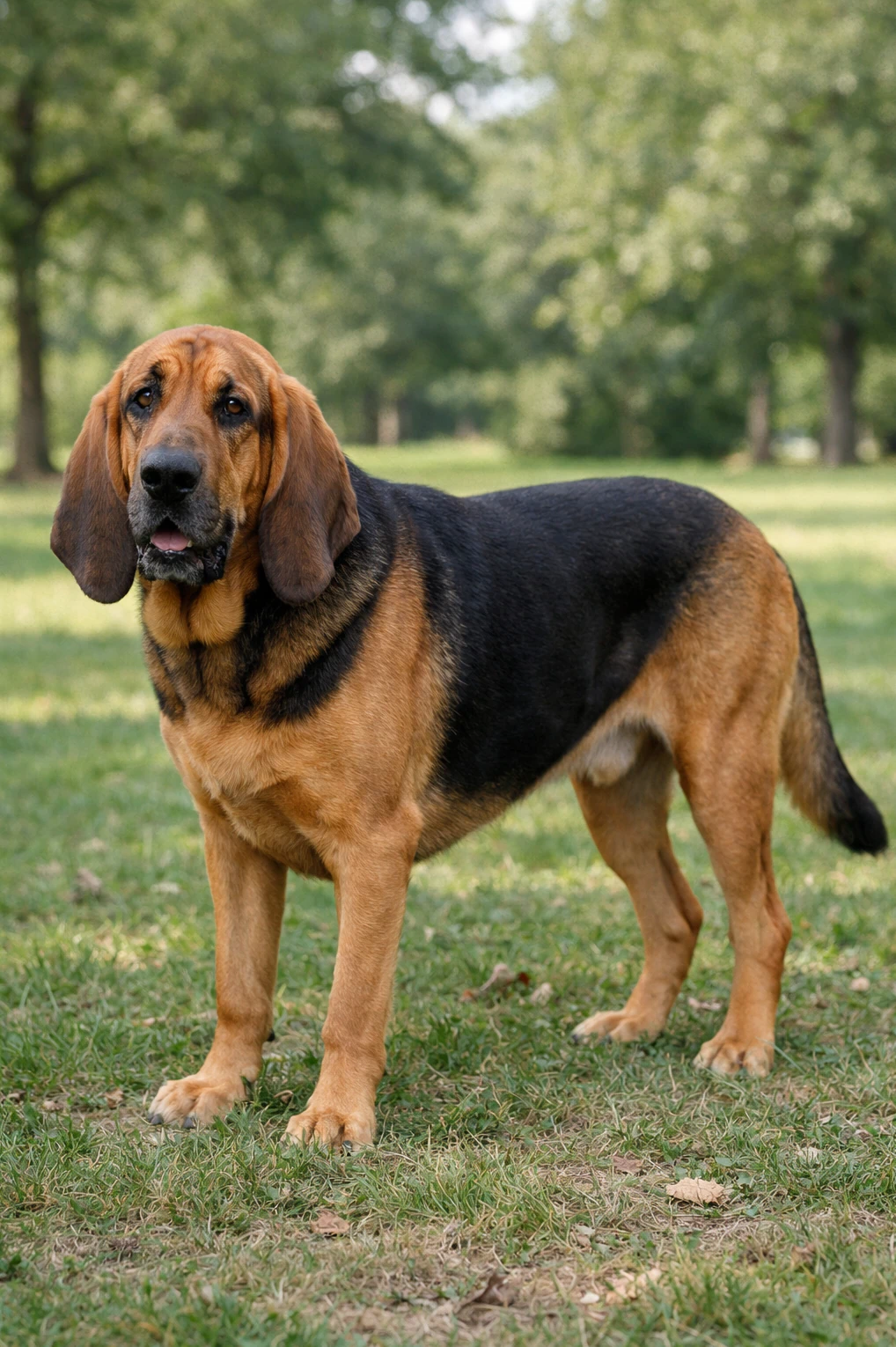
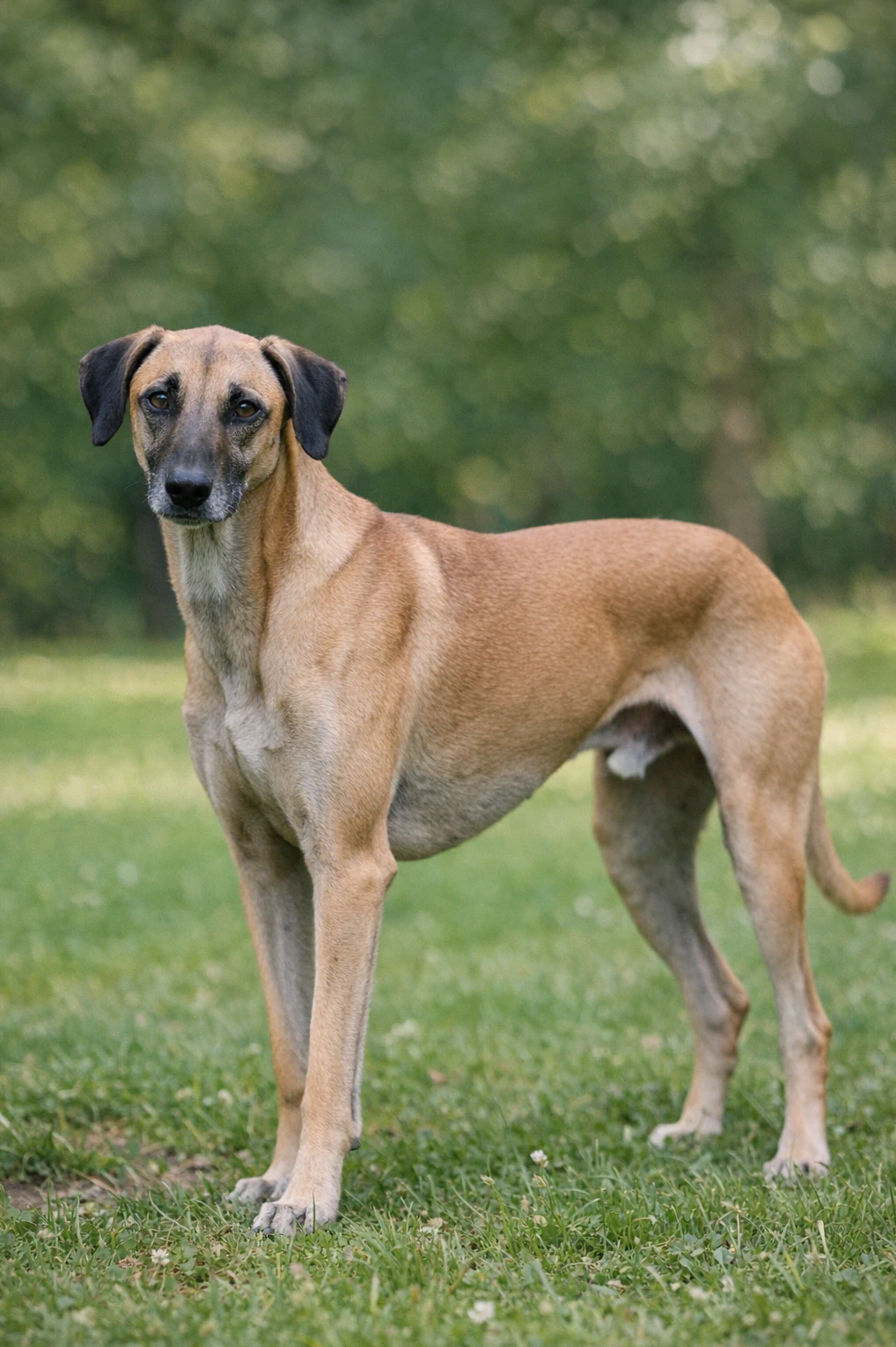
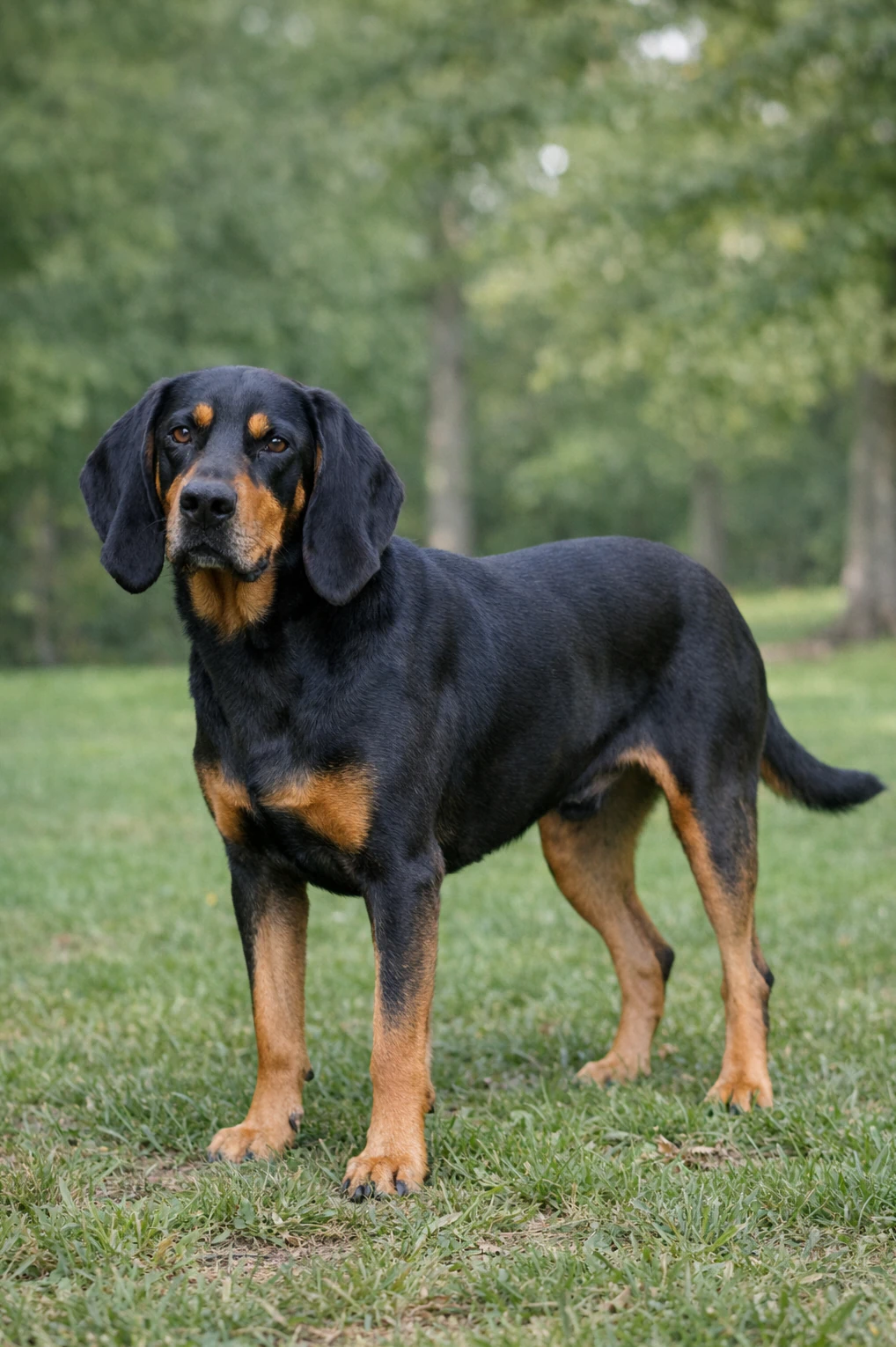
A large, athletic hound about 25 to 27 inches tall and 65 to 110 pounds, calm, clever and courageous. Nutritional Verdict: requires protein-rich, balanced calories and joint-supporting nutrients for strong muscles.
Understanding the Black and Tan Coonhound Metabolism and Energy Needs
As a scent hunter developed to follow trails over hours and varied terrain, this dog needs food that supports stamina, lean muscle, and a resilient nervous system. Their relaxed temperament and clever problem solving mean they shift between bursts of activity and rest, so diet should supply steady energy without excess.
Lean, digestible protein preserves muscle and aids recovery, so poultry or fish near the top of the list is helpful. Moderate, quality fats deliver slow-release fuel and support skin and coat, while complex carbs like sweet potato provide steady glucose for tracking. Calorie control prevents weight gain in calmer individuals.
Joint supplements such as glucosamine, omega-3 fatty acids for inflammation and brain health, and antioxidants to protect cells are useful additions. Thoughtful portioning and ingredient quality keep these dogs fit, focused, and comfortable.
Managing Black and Tan Coonhound Genetic Health Risks Through Nutrition
Hip Dysplasia
Helpful nutrients
Cataracts
Helpful nutrients
Thyroid Issues
Helpful nutrients
Ear Infections
Helpful nutrients
Dental Disease
Helpful nutrients
Obesity
Helpful nutrients
Black and Tan Coonhound Feeding & Calorie Calculator
Estimated Daily Calories
Tip: Start with this amount and adjust after 2–3 weeks based on your dog's body condition and weight trend.
This estimate provides a starting point for feeding. Individual calorie needs may vary depending on metabolism, body condition, and health status. Always monitor your dog's weight and consult your veterinarian when adjusting diet.
Foods and Ingredients to Avoid for Black and Tan Coonhound Dogs
Black and Tan Coonhounds can pack on weight if given too many fatty treats or table scraps, and excess fat also raises the risk of pancreatitis.
As a larger, active breed, extra body fat places more strain on hips and joints, which can worsen or reveal hip issues later in life.
Choose lean protein sources and limit greasy snacks, especially if your dog is already carrying extra pounds or has a history of weight gain.
This breed responds well to food-motivated training, but too many treats can quickly lead to obesity in dogs that are prone to gaining weight.
Extra calories from treats add up, and carrying extra weight makes daily activity harder and stresses joints that might be vulnerable.
Use low-calorie training rewards, break treats into small pieces, and adjust meal portions when you increase treat frequency to keep your dog at a healthy, comfortable weight.
Large-breed Black and Tan puppies need controlled growth to reduce the chance of hip dysplasia and other joint problems, so avoid diets that are too calorie dense or supplemented with extra calcium unless directed by your veterinarian.
Rapid growth from rich diets or over-supplementation can put long-term stress on developing bones and joints.
Feed a balanced, large-breed puppy formula and follow your vet's guidance on feeding amounts and any supplements to support steady, healthy growth.
Raw diets and feeding bones can carry bacterial risks and present choking or splintering hazards, which can lead to emergency vet visits or dental damage.
Cooked bones in particular can easily splinter and cause internal injury, while raw bones still risk Salmonella or other pathogens for both dog and household.
If you are considering raw feeding or bones, discuss it with your veterinarian so you can manage safety, handling, and balanced nutrition for your coonhound.
Certain human foods are outright dangerous for dogs, so avoid chocolate, grapes and raisins, onions, garlic, and anything sweetened with xylitol.
These items can cause problems ranging from gastrointestinal upset to life threatening liver failure or anemia, and even a large dog can be severely affected by some toxins.
Keep human snacks out of reach, teach family members and guests not to share unsafe foods, and call your vet immediately if you suspect ingestion of a toxic item.
Some Black and Tans can develop food sensitivities that show up as itchy skin, recurrent ear infections, or digestive upset, so limiting artificial preservatives, colors, and excessive fillers like soy or corn can be helpful.
Ingredients such as BHA, BHT, and artificial dyes may aggravate sensitivities in susceptible dogs.
If your dog has chronic ear issues or skin reactions, work with your veterinarian to try a limited ingredient diet or hypoallergenic option to identify and avoid triggers.
How Nutritional Needs Change Throughout the Black and Tan Coonhound Life Stages
Dogs need different nutrition at puppyhood, adulthood, and in their senior years because growth, activity, and health risks change over time. Breed factors like a Black and Tan Coonhound's scent-driven energy, large-frame growth and common concerns such as hip dysplasia and thyroid issues all influence how much and what kind of food they need at each stage. Tailoring meals to these shifts helps keep your hound healthy and happy.
| Life Stage | Age Range | Primary Objective | Key Nutrient Focus |
|---|---|---|---|
| Puppy | 0–18 months | controlled skeletal development, immune support, brain development | DHA, balanced calcium/phosphorus, high-quality protein |
| Adult | 1.5–5 years | lean muscle maintenance and sustained energy | high-quality protein, omega-3 fatty acids, fiber |
| Senior | 5+ years | joint mobility, metabolic health, and cognitive support | glucosamine, chondroitin, antioxidants, lower calories |
Black and Tan Coonhound puppies grow into large, heavy frames over a longer period than small breeds, so their calorie and mineral intake should be managed to support steady, not rapid, growth. Focus on high quality animal protein for muscle development, balanced calcium and phosphorus for healthy skeletal maturation, and moderate fat for energy during play and early scent work.
Offer three to four smaller meals a day while they are young, then transition to two meals as growth rate slows. Watch body condition and avoid free feeding, since excess weight stresses developing hips and joints. Discuss screening plans for hip dysplasia and thyroid function with your breeder or veterinarian.
As adults, Black and Tan Coonhounds need nutrition that supports lean muscle and steady energy for their scenting and moderate to high activity. Aim for a diet with high quality animal protein to maintain muscle mass, moderate fat for sustained energy, and digestible carbohydrates to prevent excess weight. Omega-3 fatty acids support skin and coat health for their short, smooth coat.
Match calorie intake to lifestyle, lowering portions for a couch companion and increasing for an active hunter or working dog. Regular weight checks, consistent exercise and portion control help protect hips and reduce the chance of obesity related strain. Keep routine dental care and weekly ear checks in your maintenance plan, and discuss thyroid monitoring with your veterinarian.
As Black and Tan Coonhounds enter their senior years, metabolism often slows and activity may drop, while joints can show wear especially if hip dysplasia was present. Maintain higher quality, highly digestible protein to preserve muscle, while modestly reducing calories if daily exercise decreases. Add fiber to support gut health if digestion becomes sluggish.
Prioritize joint support with omega-3 fatty acids and clinically dosed glucosamine or chondroitin, and include antioxidants like vitamin E to support cellular health. Monitor weight, appetite and mobility regularly and adjust portions and treat frequency as needed. Keep up with thyroid and joint checks so diet and supplements can be tailored to their changing needs.
Kibble vs Fresh vs Raw for Black and Tan Coonhound
Different feeding models suit different lifestyles, activity levels, and health needs. For a Black and Tan Coonhound, size, endurance, and joint health are key factors to consider.
Pros
- Convenient and easy to portion for active Black and Tan Coonhounds.
- Many formulas include joint support for large-breed hips.
- Crunchy kibble helps reduce tartar and supports dental health.
- Shelf-stable and affordable for multi-dog households or frequent outings.
Cons
- Lower moisture content may not suit dogs that drink less.
- Some brands use fillers or low-quality ingredients.
- Calorie-dense formulas can lead to weight gain without measured portions.
- May not satisfy very scent-driven or picky eaters.
Pros
- Highly palatable, great for picky, scent-driven Black and Tan Coonhounds.
- High moisture supports hydration after long scent work or walks.
- You control ingredients, helpful for managing allergies or thyroid issues.
- Can include natural joint-support ingredients like fish and cartilage.
Cons
- Time-consuming to prepare and plan balanced meals.
- More expensive than kibble, especially for large adults.
- Risk of nutritional imbalance without veterinary guidance.
- Needs refrigeration and careful storage during outings.
Pros
- High-protein, minimally processed meals may boost coat condition and energy.
- Large-breed adults may handle raw bones better than smaller breeds.
- Some owners report improved digestion and scent-work stamina.
- Flexible ingredient choices can help avoid specific allergens.
Cons
- Demands strict hygiene to prevent bacterial contamination.
- Improper balancing can cause nutrient deficiencies or excesses.
- Raw bones pose choking, dental, or gastrointestinal risks if mishandled.
- Not recommended in homes with immunocompromised people without precautions.
| Diet Type | Pros for Black and Tan Coonhound | Potential Downsides |
|---|---|---|
| High-Quality Kibble |
|
|
| Fresh Cooked Food |
|
|
| Raw Diet (BARF) |
|
|
Our Recommendation
For most Black and Tan Coonhounds, a high-quality large-breed kibble or a well-planned fresh cooked diet meets daily needs best.
Raw feeding can work for experienced owners who follow strict hygiene and veterinary guidance, but balanced nutrition and joint support should always be the priority.
See Also
Breeds with similar group, size, and coat characteristics