Best Dog Food for Grand Basset Griffon Vendéen in 2026Based on Nutritional Science
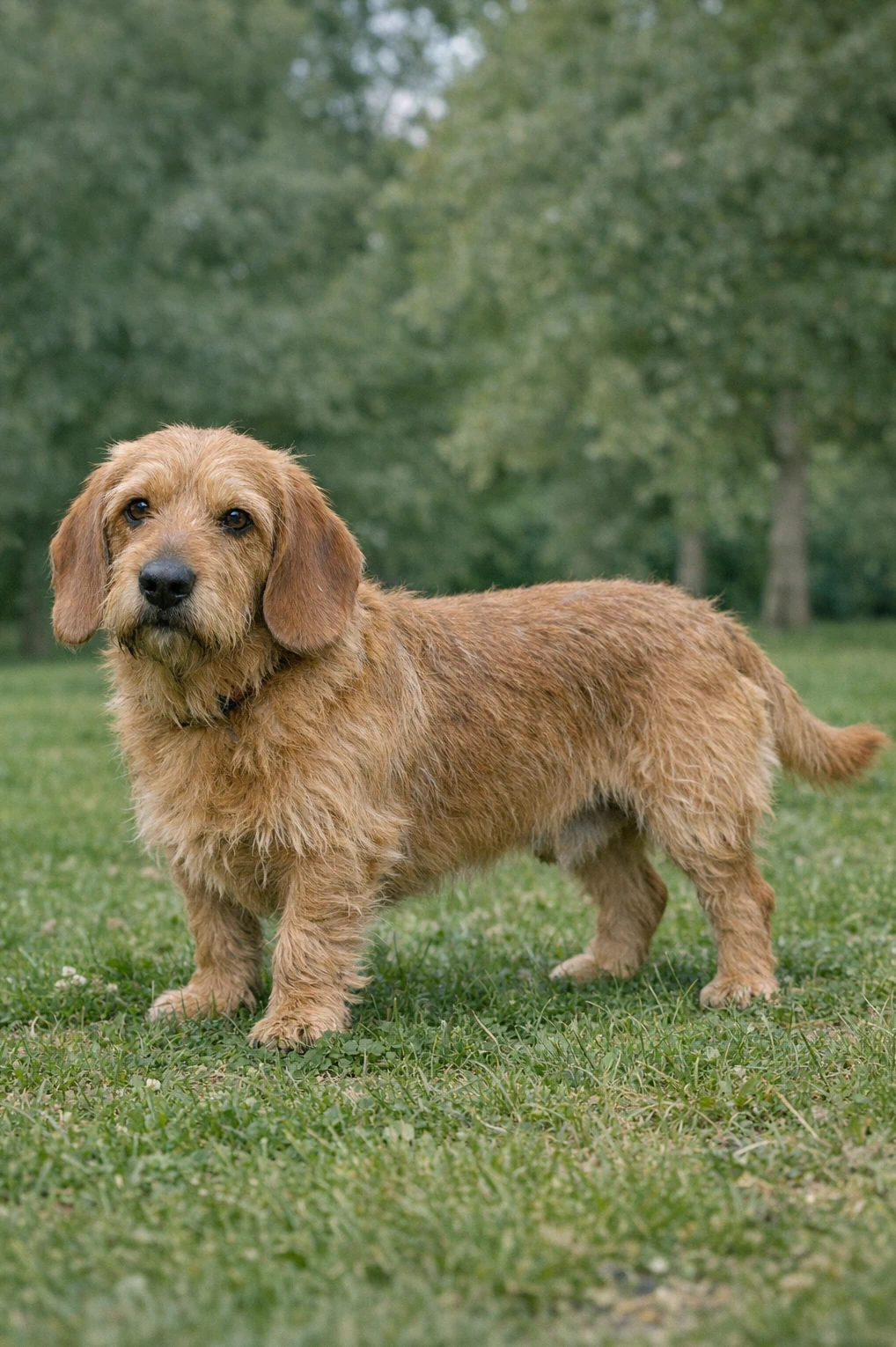
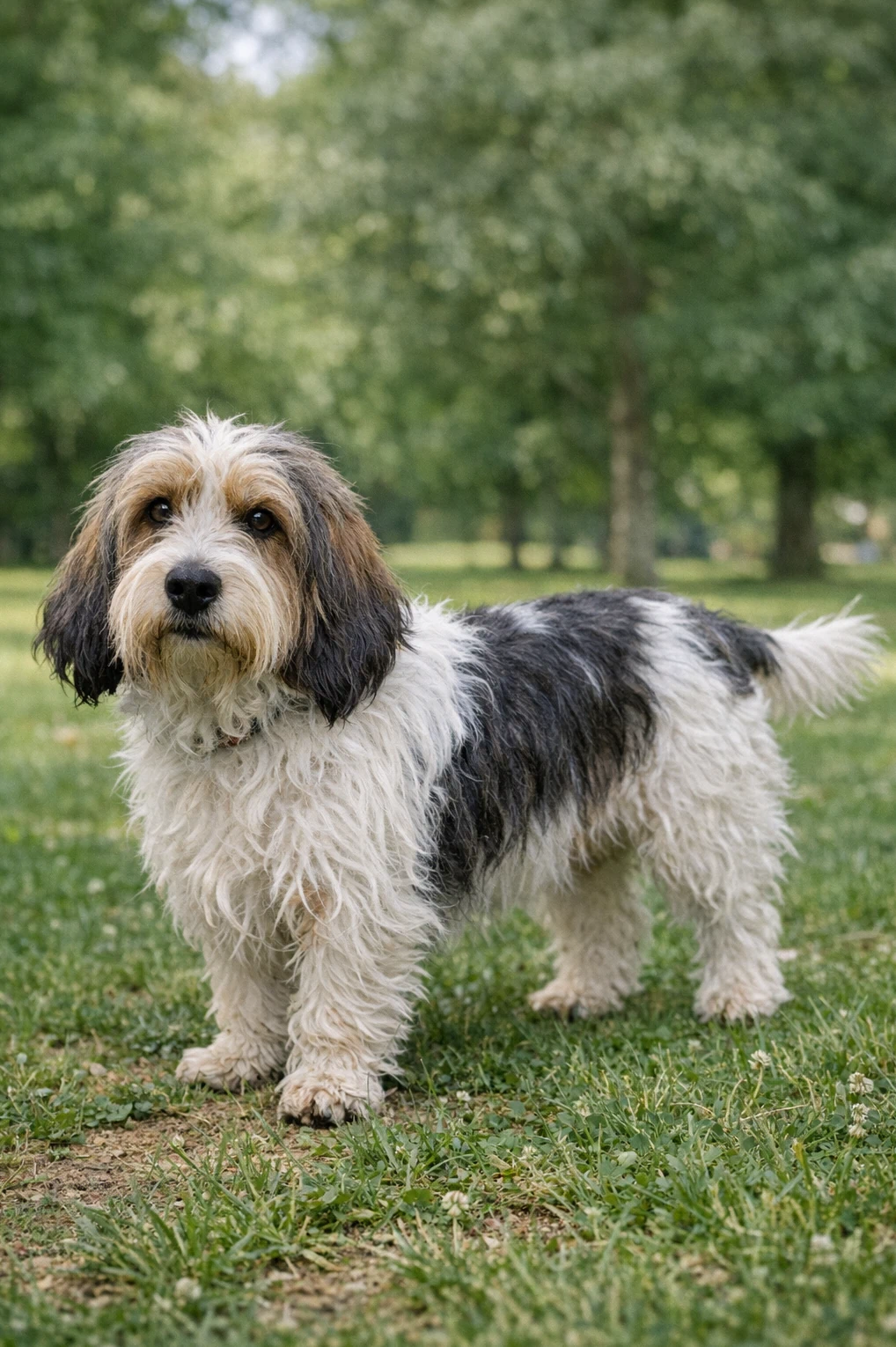
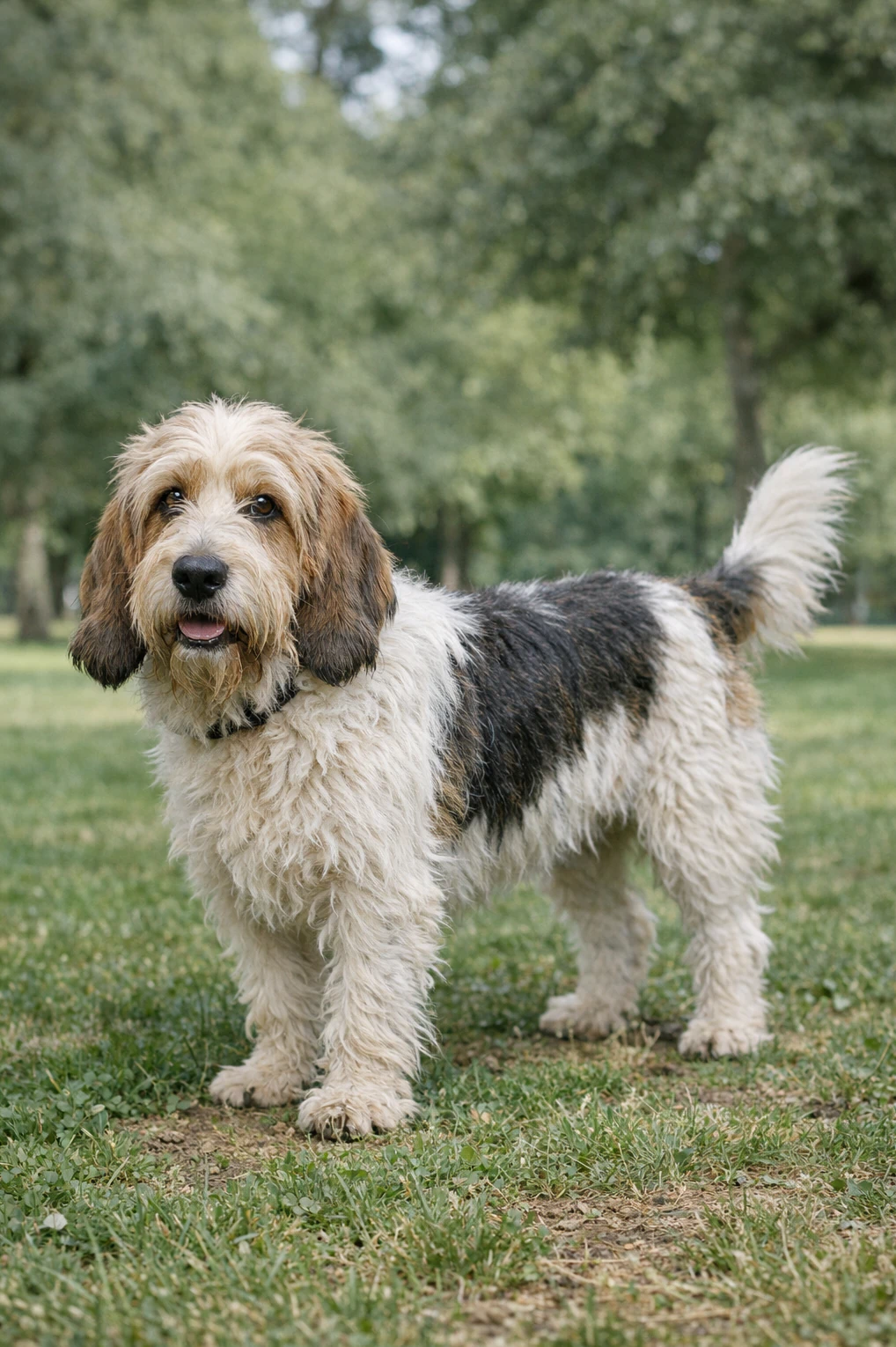
Compact hound at about 15.5 to 18 inches and 40 to 45 pounds, self-reliant yet gregarious and buoyant. Nutritional verdict: offer a balanced, high-quality diet with enough protein and controlled portions.
Understanding the Grand Basset Griffon Vendéen Metabolism and Energy Needs
These dogs were bred to follow scent trails for hours, so they need steady energy and strong muscles. Their self-reliant, sociable, cheerful personality brings bursts of activity and curious roaming. That history points to a diet centered on quality protein to maintain lean muscle and moderate healthy fats to fuel long, steady work without rapid crashes.
Aim for roughly 25 to 30 percent protein and 12 to 18 percent fat, with controlled carbohydrates from whole grains and vegetables to support digestion and steady calories. Include omega-3s for skin, coat, and brain health, glucosamine for joint support, and probiotics for gut resilience. Keep portions and treats in check to protect the back and joints, and time meals around activity to sustain focus and endurance.
Managing Grand Basset Griffon Vendéen Genetic Health Risks Through Nutrition
Digestive sensitivity and upset stomachs
Helpful nutrients
Weight management and obesity
Helpful nutrients
Joint stiffness and mobility issues
Helpful nutrients
Skin and coat problems
Helpful nutrients
Overall longevity and immune support
Helpful nutrients
Grand Basset Griffon Vendéen Feeding & Calorie Calculator
Estimated Daily Calories
Tip: Start with this amount and adjust after 2–3 weeks based on your dog's body condition and weight trend.
This estimate provides a starting point for feeding. Individual calorie needs may vary depending on metabolism, body condition, and health status. Always monitor your dog's weight and consult your veterinarian when adjusting diet.
Foods and Ingredients to Avoid for Grand Basset Griffon Vendéen Dogs
Grand Basset Griffon Vendéens are medium-sized with an active working background, but extra fat can quickly lead to weight gain and stress on their joints and spine.
Given the breed's weight range around 40 to 45 pounds, managing calories helps protect long-term mobility and overall health.
Avoid fatty table scraps, fried foods, and grease-heavy cuts of meat.
Choose lean proteins and controlled portions to maintain a healthy body condition and reduce the risk of pancreatitis.
Xylitol, common in sugar-free gum, candy, and some peanut butters, is extremely toxic to dogs and can cause a sudden drop in blood sugar and liver failure.
Even small amounts can be dangerous for a 40 to 45 pound dog, so vigilance is important when offering human treats or baked goods.
Read labels carefully and avoid sharing anything labeled sugar-free. Use dog-safe treats and vet-approved peanut butter if you want to give an occasional reward.
Garlic and onions, raw or cooked, can damage a dog’s red blood cells and lead to anemia.
For a medium-sized breed like the Grand Basset Griffon Vendéen this risk accumulates with repeated exposure, and even modest amounts over time can cause symptoms like weakness or pale gums.
Keep all forms of these foods well out of reach and avoid feeding leftovers that contain onion or garlic. If you suspect ingestion, contact your veterinarian promptly.
Grapes and raisins can cause kidney failure in dogs, while chocolate contains compounds that affect the heart and nervous system.
Both are dangerous to dogs of any size, and the Grand Basset Griffon Vendéen’s moderate body weight means less of these items are needed to cause serious harm.
Store these foods securely and educate family members and guests not to share sweets or fruit. If ingestion occurs, call your vet or an emergency clinic right away.
Some dogs are sensitive to artificial preservatives and colors, which can exacerbate skin issues, digestive upset, or picky appetite.
For a breed that benefits from a clean, consistent diet to support digestive health, choosing foods with natural preservation and limited additives helps reduce the chance of flare-ups.
Look for diets with identifiable, whole-food ingredients and consult your veterinarian if your dog shows signs of food sensitivity or itchy skin.
Diets high in peas, lentils, or other legumes in concentrated amounts have been associated in some cases with heart health concerns like taurine-related cardiomyopathy.
While the evidence is evolving, it is wise for owners to be cautious with pulse-heavy commercial diets and to monitor heart health, especially in breeds with working backgrounds.
Balance protein sources and discuss diet choices with your veterinarian, who may recommend taurine testing or an alternative formula if your dog spends long periods on a legume-dense food.
How Nutritional Needs Change Throughout the Grand Basset Griffon Vendéen Life Stages
Dogs need different nutrition at puppyhood, adulthood, and senior years, and the Grand Basset Griffon Vendéen is no exception. Growth rate, activity level, and common health tendencies all shape what they need from their food. Puppies need building nutrients, adults need balanced maintenance nutrition, and seniors often require fewer calories and more joint and digestive support as they age.
| Life Stage | Age Range | Primary Objective | Key Nutrient Focus |
|---|---|---|---|
| Puppy | 0–12 months | controlled skeletal development, immune support, brain development | DHA, balanced calcium/phosphorus, high-quality protein |
| Adult | 1–7 years | lean muscle maintenance and sustained energy | high-quality protein, omega-3 fatty acids, fiber |
| Senior | 7+ years | joint mobility, metabolic health, and cognitive support | glucosamine, chondroitin, antioxidants, lower calories |
Grand Basset Griffon Vendéen puppies grow at a steady medium pace and need nutrition that supports skeletal and muscle development without promoting overly rapid growth. Controlled calories and the right calcium to phosphorus ratio help bones and joints mature properly while high quality protein supplies amino acids for lean mass.
Feed smaller, frequent meals, typically three to four times a day while they are young, to steady energy and avoid digestive upset. Include DHA for brain development, balanced vitamins and minerals, and omega fatty acids for their wiry double coat. Monitor growth and work with your breeder or veterinarian to adjust portions, since activity level and individual health tendencies can affect how fast they grow.
Adult Grand Basset Griffon Vendéens are medium-sized, outgoing scent hounds that need food to support steady energy for daily walks, tracking and play. Focus on high quality protein to maintain lean muscle mass and a moderate fat level to meet their energy without excess calories.
A balanced diet with complete vitamins, minerals and omega-3s supports coat health and overall vitality. Tailor portions to activity level, since these curious dogs may burn more calories on scent work but can gain weight with less exercise. Routine weight checks and portion control help prevent joint strain and support long term health. Include occasional training treats that match their activity level.
As Grand Basset Griffon Vendéens age, metabolism and activity often slow, and digestion may become less efficient. Seniors can benefit from slightly fewer calories to avoid weight gain while keeping enough protein to preserve muscle and a balance of fats for energy and cognitive support.
Joint support is important for this medium, active hound, so consider diets with glucosamine, chondroitin and omega-3 fatty acids to support mobility. Antioxidants like vitamins E and C help healthy aging, and added fiber can aid digestion. Work with your veterinarian to adjust calorie intake based on mobility, coat condition and any breed health tendencies, keeping portions and supplements tailored to the individual dog.
Kibble vs Fresh vs Raw for Grand Basset Griffon Vendéen
Different feeding models suit different lifestyles and dogs. The Grand Basset Griffon Vendéen's outgoing, independent nature and wiry coat influence which diets work best for them.
Pros
- Convenient and easy to portion for busy owners.
- Formulas for active medium breeds support energy and lean muscle.
- Some kibble contains nutrients that help maintain a wiry coat.
- Dry texture can help reduce tartar buildup on teeth.
Cons
- Lower moisture may not suit dogs that drink little.
- Quality varies, so choose reputable brands with whole proteins.
- Palatability may be lower for very picky, independent hounds.
- Calorie-dense formulas risk weight gain without portion control.
Pros
- Highly palatable for picky or independent eaters.
- High moisture supports digestion and hydration.
- Easy to adjust protein and fat for activity level.
- Fresh ingredients can support skin and coat health.
Cons
- Requires careful planning to ensure complete nutrition.
- More time consuming and often more expensive than kibble.
- Needs refrigeration and safe handling for outings and travel.
Pros
- High protein and minimal processing may suit active scent hounds.
- Many owners report improved coat condition and energy.
- Encourages natural chewing behaviors that some dogs enjoy.
Cons
- Strict hygiene is needed to prevent bacterial contamination.
- Risk of bone-related injuries or choking without proper preparation.
- Harder to guarantee balanced vitamins and minerals without guidance.
- May not be suitable for homes with young children or immune concerns.
| Diet Type | Pros for Grand Basset Griffon Vendéen | Potential Downsides |
|---|---|---|
| High-Quality Kibble |
|
|
| Fresh Cooked Food |
|
|
| Raw Diet (BARF) |
|
|
Our Recommendation
For most Grand Basset Griffon Vendéens, a high-quality kibble formulated for active medium breeds offers reliable nutrition and convenience.
Fresh cooked meals suit owners wanting more control, while raw diets can work if you have veterinary guidance and strict hygiene.
See Also
Breeds with similar group, size, and coat characteristics