Best Dog Food for Cirneco dell’Etna in 2026Based on Nutritional Science
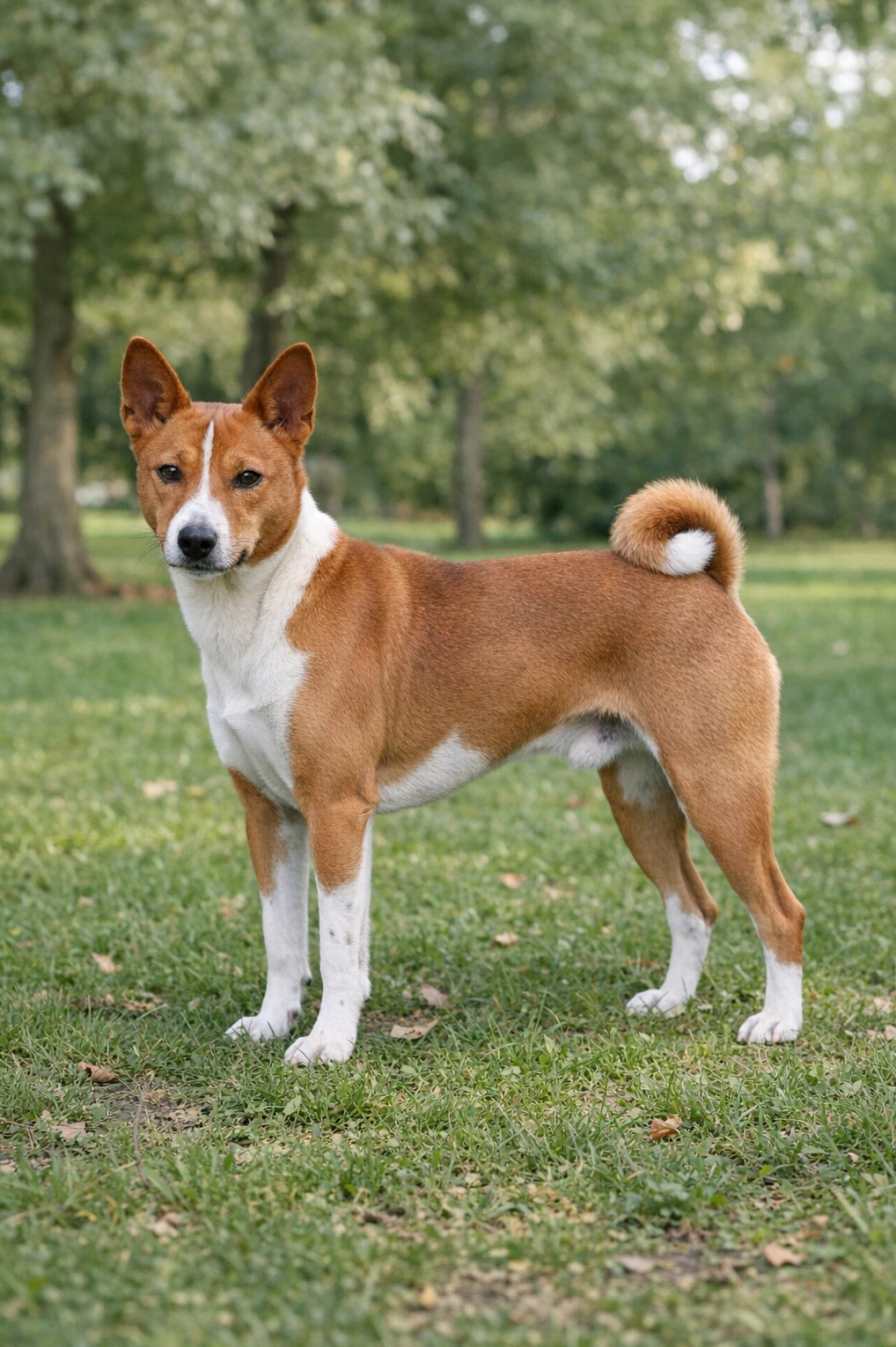
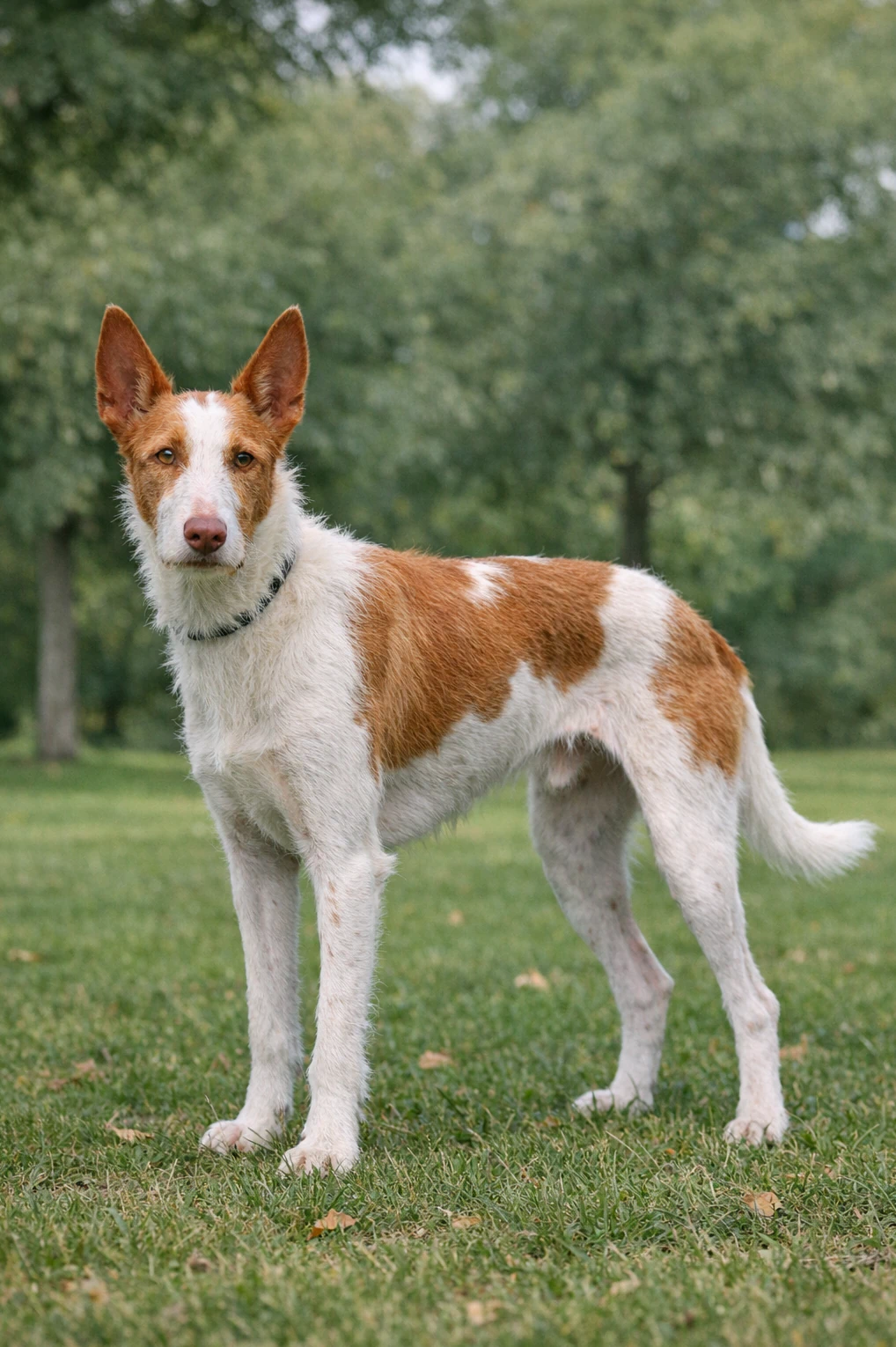
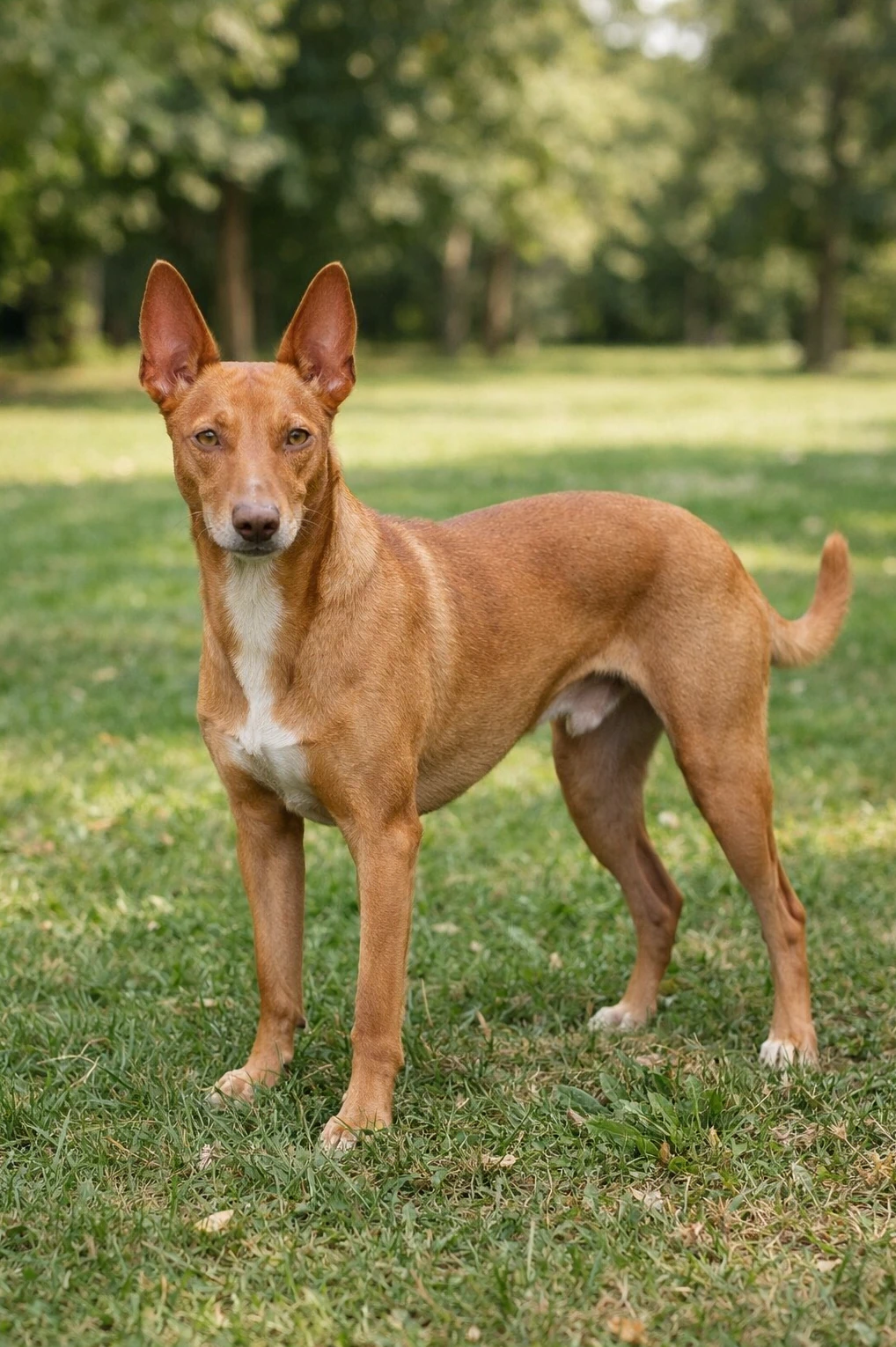
The Cirneco dell’Etna is a compact, self-reliant hound, 18 to 20 inches tall and 20 to 28 pounds, with a sociable, loving nature.
Nutritional Verdict: lean protein and moderate fats suit this active, sleek breed.
Understanding the Cirneco dell’Etna Metabolism and Energy Needs
This compact Sicilian hunting type was shaped by chasing small game across rocky, sun-warmed terrain, so its body favors lean muscle and short bursts of speed rather than heavy mass. That heritage means daily nutrition must fuel quick efforts and efficient recovery, while supporting a sensitive, people-oriented temperament.
A diet built around high-quality animal protein, about 25 to 30 percent on a dry-matter basis, helps maintain that athletic musculature and repair activity-related wear. Moderate fat, roughly 15 to 20 percent, provides concentrated energy and nourishes a sleek coat, while carbohydrates should be modest and come from slow-release sources like sweet potato or oats to prevent energy swings. Include omega-3s for skin and joint resilience, plus B vitamins and taurine to keep metabolism efficient.
Adding joint-supportive ingredients such as glucosamine, together with antioxidants and a probiotic, rounds out a plan that keeps this dog lively, sociable, and comfortable in everyday life.
Managing Cirneco dell’Etna Genetic Health Risks Through Nutrition
Ear Infections
Helpful nutrients
Dental Disease (Tartar, Gum Disease)
Helpful nutrients
Parasites and Gut Health
Helpful nutrients
Weight Management
Helpful nutrients
Life Stage and Overall Nutrition
Helpful nutrients
Cirneco dell’Etna Feeding & Calorie Calculator
Estimated Daily Calories
Tip: Start with this amount and adjust after 2–3 weeks based on your dog's body condition and weight trend.
This estimate provides a starting point for feeding. Individual calorie needs may vary depending on metabolism, body condition, and health status. Always monitor your dog's weight and consult your veterinarian when adjusting diet.
Foods and Ingredients to Avoid for Cirneco dell’Etna Dogs
Chocolate and caffeinated products contain theobromine and caffeine, substances that are toxic to dogs and especially risky for smaller breeds like the Cirneco, which weighs around 20 to 28 pounds.
Even a small amount can cause vomiting, rapid heart rate, tremors, or more serious complications, so keep chocolate, coffee grounds, energy drinks, and related products well out of reach and consult your vet immediately if ingestion is suspected.
Xylitol, commonly found in sugar-free gum, candies, baked goods, and some peanut butters, can trigger a rapid drop in blood sugar and lead to liver damage in dogs, with small breeds becoming symptomatic after very small amounts.
Because the Cirneco has a modest body weight, take extra care to read labels and never share products sweetened with xylitol, and seek emergency care right away if you suspect they ate any.
Onions, garlic, leeks, and chives contain compounds that can damage a dog’s red blood cells and cause hemolytic anemia, whether they are raw, cooked, powdered, or present in sauces and broths.
The Cirneco’s smaller size and lower blood volume mean that even moderate amounts can have a strong effect, so avoid feeding any foods seasoned with alliums and check ingredient lists on prepared foods.
Rich, fatty foods and restaurant table scraps can lead to digestive upset, rapid weight gain, and in some cases pancreatitis, a painful inflammation that requires veterinary care, and small lean breeds can be surprisingly vulnerable to these problems.
The Cirneco thrives on high-quality nutrition matched to its activity level, so favor lean proteins and controlled portions to maintain healthy weight, stamina, and joint comfort.
Cooked bones can splinter and cause choking, mouth injuries, or intestinal blockages, while very hard chews can fracture teeth, issues that are more concerning in a light-boned, active breed like the Cirneco.
Choose appropriately sized, vet-recommended chews and supervise chewing sessions, and avoid giving cooked bones or small items that could lodge in the throat or gut.
Sugary candies, sticky treats, and human desserts can promote dental disease, which is important to avoid in a breed whose teeth benefit from frequent brushing, and they also contribute to upset stomachs and unwanted weight gain.
Keep treats small, limited, and designed for dogs, and if you offer anything human that is soft or clings to teeth, follow up with a dental chew or a brush to protect those charming smiles.
How Nutritional Needs Change Throughout the Cirneco dell’Etna Life Stages
Your dog's nutritional needs change at puppyhood, adulthood, and during senior years, and each stage calls for different calories, nutrients, and meal routines. For a Cirneco dell'Etna, these needs are shaped by a moderate growth rate, an energetic but lean build, and breed traits that include general hardiness along with routine ear checks and regular dental care.
| Life Stage | Age Range | Primary Objective | Key Nutrient Focus |
|---|---|---|---|
| Puppy | 0–12 months | controlled skeletal development, immune support, brain development | DHA, balanced calcium/phosphorus, high-quality protein |
| Adult | 1–7 years | lean muscle maintenance and sustained energy | high-quality protein, omega-3 fatty acids, fiber |
| Senior | 7+ years | joint mobility, metabolic health, and cognitive support | glucosamine, chondroitin, antioxidants, lower calories |
Cirneco puppies grow at a steady, medium rate, developing a lean, athletic frame that needs careful nutritional support. Focus on a high quality puppy formula for medium breeds, with balanced protein and fat to support muscle growth, moderated calcium and phosphorus for healthy bone development, and DHA for brain and eye maturation. Feed smaller, frequent meals, typically three to four times a day, to support steady energy and digestion during rapid growth.
Because Cirnecos are active and independent, controlled exercise paired with proper calories helps avoid excess weight or strain on growing joints. Regular veterinary checkups, parasite control, weekly ear checks, and early dental care, including tooth brushing, will support a strong start in life and help spot any breed-specific issues early.
As adults, Cirneco dell'Etna dogs benefit from a balanced diet that maintains lean muscle and steady energy. Aim for quality animal-based protein and moderate healthy fats, with carbohydrates from whole sources for sustained activity. Feed twice daily to support metabolism and digestion, adjusting portion size to match activity level, body condition, and whether the dog is spayed or neutered.
Because this breed is athletic and enjoys mental challenges, calories should match daily exercise to keep the dog fit without excess weight. Include omega-3s for skin and coat, and keep regular dental care and weekly ear checks as part of overall health maintenance. Work with your veterinarian to fine tune calories and nutrient ratios based on your individual dog's lifestyle.
As Cirnecos age, metabolism often slows and mobility may decrease, while digestion can become less efficient. Senior formulas with easily digestible, high quality protein help preserve muscle mass without excess calories, and increased fiber can support bowel regularity. Consider joint-support nutrients such as glucosamine, chondroitin, and omega-3 fatty acids, and include antioxidants like vitamin E and selenium to support healthy aging.
Reduce calories if activity drops, but keep protein adequate to prevent muscle loss, and offer smaller, more frequent meals if appetite or digestion changes. Maintain weekly ear checks and frequent dental care, and review supplements and calorie targets with your veterinarian to match your Cirneco's mobility and health needs.
Kibble vs Fresh vs Raw for Cirneco dell’Etna
There are different feeding approaches, and each fits a different owner routine and dog lifestyle.
For a Cirneco dell'Etna, consider energy needs, dental care, and weekly ear checks when choosing a diet.
Pros
- Convenient and easy to portion for busy owners.
- Provides balanced nutrition in every serving.
- Dry texture can aid in reducing tartar buildup.
- Long shelf life, good for travel and routine.
Cons
- Lower moisture content may not suit dogs that need extra hydration.
- Some formulas include fillers or artificial additives.
- Must watch calorie density to prevent unwanted weight gain.
- Still requires regular teeth brushing for this breed's dental needs.
Pros
- Highly palatable, great for picky Cirneco eaters.
- Higher moisture supports digestion and hydration.
- Full control over ingredient quality and protein sources.
- Easier to avoid common allergens if needed.
Cons
- More expensive and time consuming than kibble.
- Requires careful balancing or supplementation for complete nutrition.
- Needs refrigeration and safe meal prep practices.
- Inconsistent recipes can cause digestive upset.
Pros
- High-quality protein and less processed ingredients.
- Some owners report shinier coats and higher energy.
- Closer to a dog's ancestral diet for some pet parents.
Cons
- Higher risk of bacterial contamination without strict hygiene.
- Small bones can be dangerous for medium-sized dogs.
- Requires veterinary guidance to ensure proper nutrient balance.
- Not ideal for owners who travel or need simple routines.
| Diet Type | Pros for Cirneco dell’Etna | Potential Downsides |
|---|---|---|
| High-Quality Kibble |
|
|
| Fresh Cooked Food |
|
|
| Raw Diet (BARF) |
|
|
Our Recommendation
Many Cirneco owners find high-quality kibble works well for convenience and consistent nutrition, especially with active routines.
Fresh cooked diets suit owners who enjoy meal prep and close ingredient control, while raw diets need extra care and veterinary guidance to be safe and balanced.
See Also
Breeds with similar group, size, and coat characteristics