Best Dog Food for Basenji in 2026Based on Nutritional Science
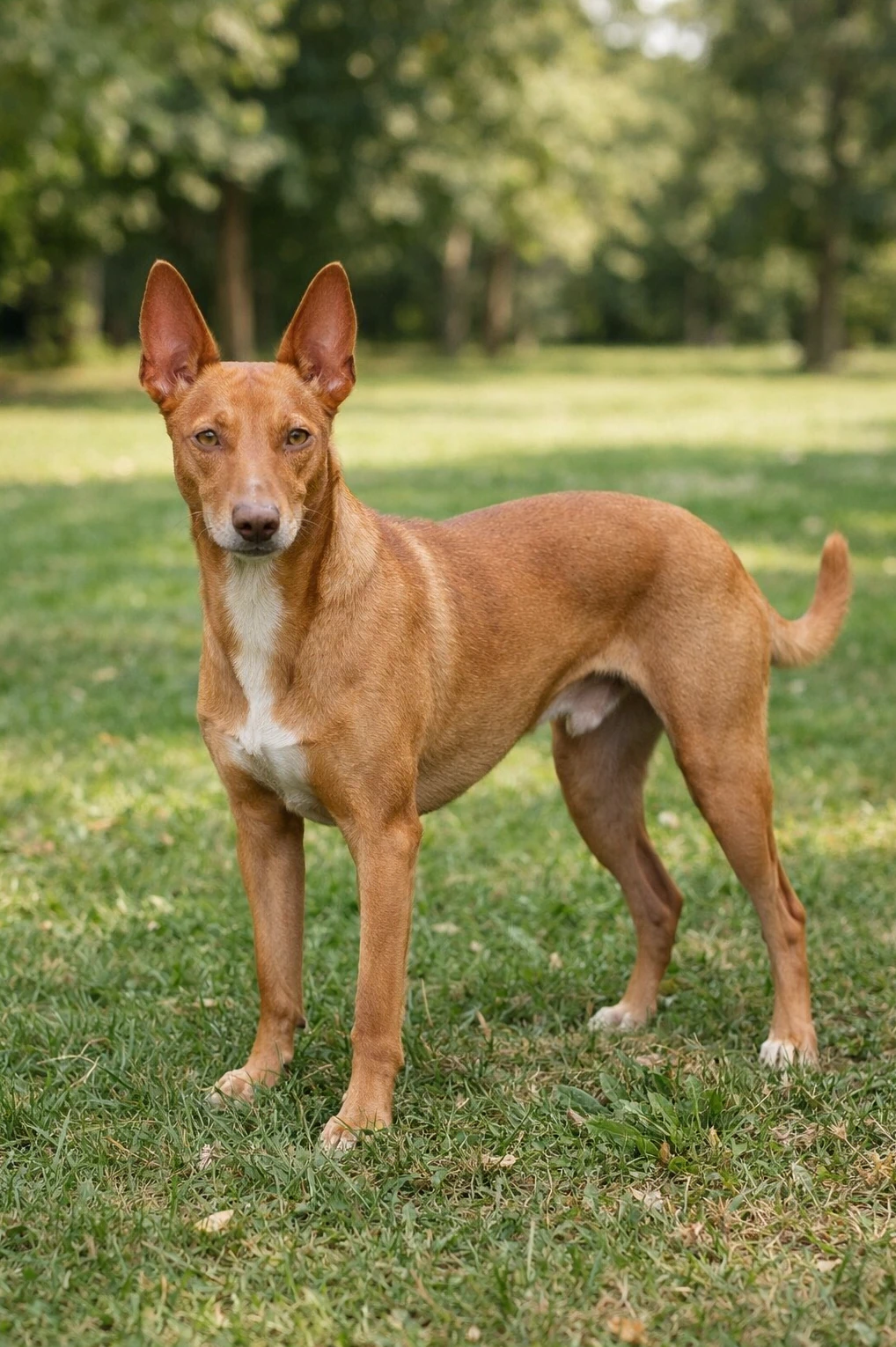
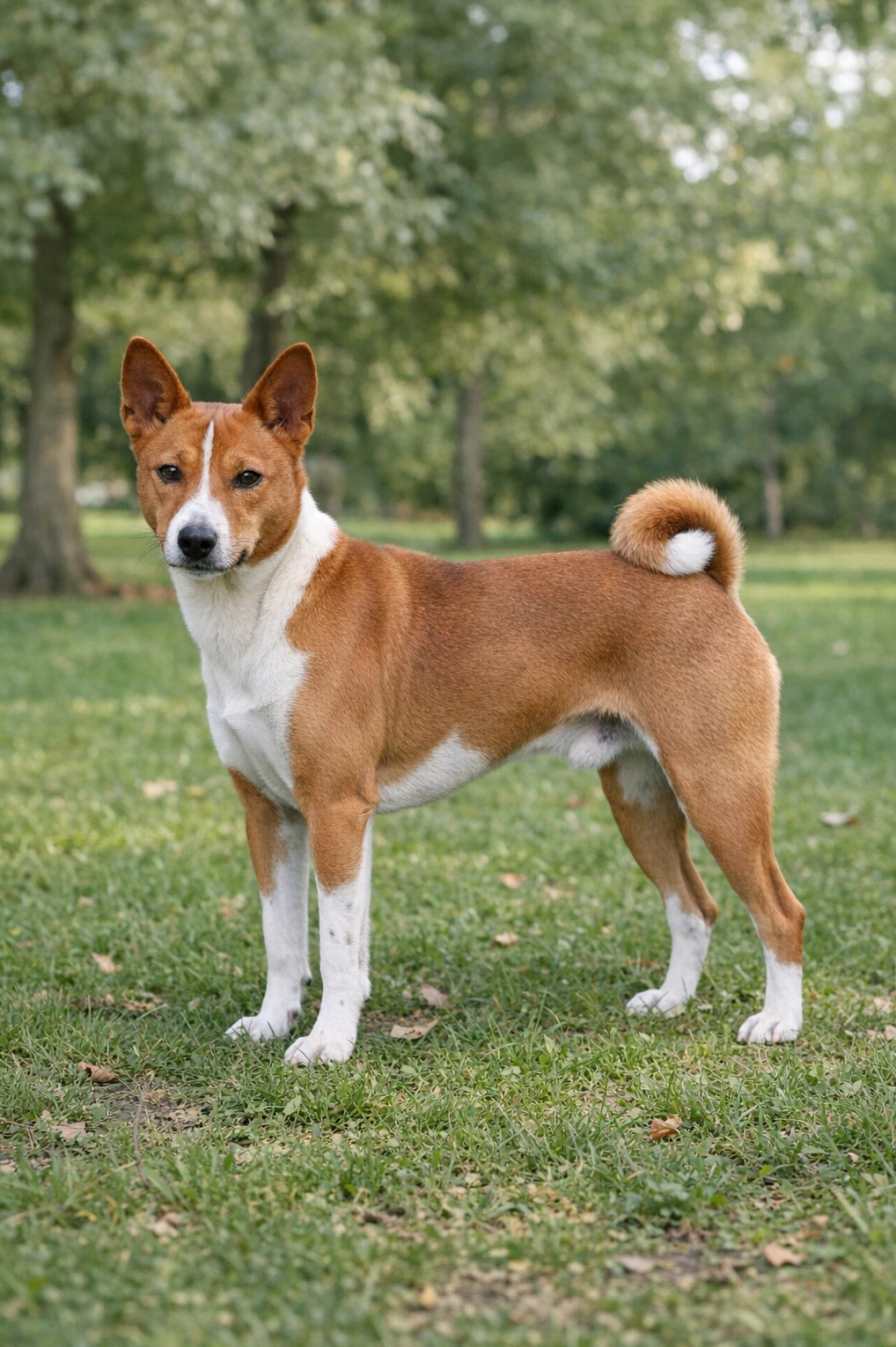
Compact, alert Basenji males stand about 17 inches tall and weigh around 24 pounds. They are self-reliant, bright, and elegant. Nutritional verdict: balanced, protein-forward meals with measured portions keep them lively and lean.
Understanding the Basenji Metabolism and Energy Needs
As a dog bred for hunting and quick bursts of activity, this breed combines a streak of self-reliance with sharp problem solving and a naturally elegant bearing. That history means diets should support lean muscle and focused energy, rather than bulky filler calories. Rich, easily digested animal protein helps preserve tone and supports mental acuity, so whole meats like chicken or fish are smart staples.
Healthy fats supply sustained fuel and keep the coat glossy, so omega-3 rich oils are practical additions. Complex carbohydrates from sources like sweet potato deliver steady glucose for short sprints and reduce cravings. Because some lines have sensitive digestion, probiotics and B vitamins can aid nutrient use and cognitive focus. Meals portioned for a smaller frame, with quality proteins and moderate fat, match this dog's active, thoughtful nature.
Managing Basenji Genetic Health Risks Through Nutrition
Hypothyroidism
Helpful nutrients
IPSID (Inflammatory Bowel Disease)
Helpful nutrients
Canine Hip Dysplasia
Helpful nutrients
Fanconi Syndrome (kidney disorder)
Helpful nutrients
Progressive Retinal Atrophy (PRA)
Helpful nutrients
Ear Health and Infections
Helpful nutrients
Dental Issues and Plaque
Helpful nutrients
Obesity and Weight Management
Helpful nutrients
Basenji Feeding & Calorie Calculator
Estimated Daily Calories
Tip: Start with this amount and adjust after 2–3 weeks based on your dog's body condition and weight trend.
This estimate provides a starting point for feeding. Individual calorie needs may vary depending on metabolism, body condition, and health status. Always monitor your dog's weight and consult your veterinarian when adjusting diet.
Foods and Ingredients to Avoid for Basenji Dogs
Basenjis can gain weight more easily than you might expect, and excess fat in the diet contributes quickly to obesity and increases strain on joints.
High-fat table scraps, greasy leftovers, and fatty treats also raise the risk of pancreatitis, which can be serious for a small 24-pound dog.
Keep calories controlled with lean proteins and measured portions, and reserve rich foods for rare, vet-approved treats to protect your Basenji's weight and long-term health.
Xylitol is highly toxic to dogs, even in tiny amounts, and can cause a sudden drop in blood sugar and liver problems.
Small breeds like Basenjis are especially vulnerable, so avoid sugar-free gum, some peanut butters, and baked goods unless the ingredient label is confirmed safe.
Other artificial sweeteners may cause stomach upset, so stick to treats formulated for dogs and check labels carefully before sharing human foods.
Grapes, raisins, and currants can cause acute kidney failure in dogs, and there is no reliable safe dose, so they should be off-limits entirely.
A curious snack dropped at a walk or a fruit-studded baked good can be dangerous for a Basenji, given their smaller size and lower tolerance for toxins.
If ingestion occurs, contact your veterinarian or an emergency clinic right away, as prompt treatment can make a big difference.
Processed foods like deli meats, salty snacks, canned soups, and restaurant leftovers often contain high levels of sodium and additives that are not suited to a dog’s diet.
For a breed with potential kidney concerns such as Fanconi syndrome in the gene pool, keeping sodium and preservatives low helps protect kidney function and overall health.
Offer small amounts of plain, cooked meats instead, and always provide fresh water to help maintain proper hydration.
Some grain-free diets that rely heavily on peas, lentils, other legumes, or potatoes have been linked to heart issues in certain dogs, likely due to nutrient imbalances.
Basenjis should be fed balanced, high-quality diets that meet AAFCO standards, and owners should be cautious about long-term exclusive use of legume-heavy formulas.
Talk with your veterinarian about diet choices and consider checking taurine levels or cardiac health if you use a grain-free formula long term.
Raw diets and uncooked bones can expose your Basenji to bacteria like Salmonella and E. coli, and bones can splinter and cause choking, dental damage, or intestinal injury.
Dogs with sensitive guts or a tendency toward inflammatory bowel conditions may react poorly to raw foods.
If you prefer raw feeding, work closely with your vet to ensure the diet is balanced and handled safely, or choose supervised, cooked alternatives and veterinarian-approved chews.
How Nutritional Needs Change Throughout the Basenji Life Stages
During life, a Basenji's nutritional needs change between puppyhood, adulthood, and senior years. Growth rate, activity level, and the breed's health tendencies shape what they need at each stage. Basenjis are medium, agile and often very active, so balanced nutrition that supports steady growth, lean muscle, and long-term joint and organ health is important. Tailoring diet by life stage helps keep them poised and vital.
| Life Stage | Age Range | Primary Objective | Key Nutrient Focus |
|---|---|---|---|
| Puppy | 0–12 months | controlled skeletal development, immune support, brain development | DHA, balanced calcium/phosphorus, high-quality protein |
| Adult | 1–7 years | lean muscle maintenance and sustained energy | high-quality protein, omega-3 fatty acids, fiber |
| Senior | 7+ years | joint mobility, metabolic health, and cognitive support | glucosamine, chondroitin, antioxidants, lower calories |
Basenji puppies grow relatively steadily, reaching most of their adult height by about 10 to 12 months while filling out muscle and body condition into their second year. Gentle, controlled growth is important for healthy bones and hips, so a diet with balanced calcium and phosphorus, appropriate calorie density, and steady protein supports skeletal development without encouraging rapid excess weight.
Feed puppies smaller, frequent meals, moving from three to four daily feedings early on down to two by adolescence, which suits their lively activity and sensitive digestion. Focus on high quality, easily digestible protein, DHA for brain and vision, and essential fatty acids for skin and coat. Because Basenjis can be predisposed to hip dysplasia, immune or kidney concerns like Fanconi, and digestive sensitivity, routine vet checks and breeder health info are helpful when selecting a puppy formula.
As adults, Basenjis need a diet that preserves lean muscle mass and delivers steady energy for their active, curious nature. High quality animal protein, paired with moderate healthy fats, supports muscles and endurance while avoiding excess calories that lead to weight gain. A balanced recipe with appropriate protein percentage for a medium, athletic dog helps maintain condition without stressing joints.
Because Basenjis are independent and energetic, consistent feeding routines and portion control matter as much as nutrient balance. Consider kibbles or meals with good digestibility and omega-3 fatty acids for skin and joint health, and adjust calories based on activity level. Regular vet checks can catch issues like hypothyroidism or early hip changes so you can tweak diet and exercise over time.
As Basenjis enter their senior years their metabolism often slows and activity tends to drop, which means fewer calories may be needed to avoid weight gain. Aging can also affect digestion and joint comfort, so more digestible proteins, higher fiber for steady gut function, and soluble nutrients that support mobility are useful. Antioxidants help protect aging cells and support overall immune health.
Specifically for Basenjis, keeping an eye on hip health and mobility is important, along with monitoring kidney and eye health that the breed can be prone to. Consider joint support such as glucosamine, chondroitin, and omega-3 fatty acids, while choosing high quality protein at a controlled calorie level. Work with your vet to screen for Fanconi kidney issues, adjust nutrient levels as needed, and keep mealtimes regular and gentle on the digestion.
Kibble vs Fresh vs Raw for Basenji
Different feeding models suit different lifestyles, activity levels, and health needs. For a Basenji, independence, high activity, and breed-specific health screenings will shape the best choice.
Pros
- Convenient and easy to portion for independent owners.
- Formulated options support active small-breed energy needs.
- Crunchy texture can help reduce tartar with regular brushing.
- Shelf-stable and budget-friendly for consistent feeding schedules.
Cons
- Some formulas include fillers that may upset sensitive stomachs.
- Low moisture content may not suit dogs prone to constipation.
- Calorie-dense kibble can cause weight gain if portions are not controlled.
Pros
- Highly palatable for picky, independent Basenjis.
- High moisture content supports digestion and hydration.
- Full control over ingredients helps manage genetic or digestive issues.
- Easily adjusted for calories to maintain lean muscle.
Cons
- Requires time and planning to ensure nutritional balance.
- Often more expensive than kibble for daily feeding.
- Needs refrigeration and careful food safety practices.
- May require supplements to meet micronutrient needs.
Pros
- High protein content supports lean muscle and activity.
- Some owners report shinier coats and better energy.
- Whole food textures can be enriching and satisfying.
- Less processing preserves some natural nutrients.
Cons
- Strict hygiene needed to avoid bacterial contamination.
- Small bones pose choking or dental risks for small breeds.
- Requires veterinary guidance to balance nutrients safely.
- Genetic kidney or immune issues mean consult breeder and vet first.
| Diet Type | Pros for Basenji | Potential Downsides |
|---|---|---|
| High-Quality Kibble |
|
|
| Fresh Cooked Food |
|
|
| Raw Diet (BARF) |
|
|
Our Recommendation
For most Basenjis, a high-quality kibble provides balanced nutrition and convenient portion control that suits their active, independent nature.
If you prefer fresh or raw options, work closely with your veterinarian and use breed-specific health screenings to guide safe, long-term choices.
See Also
Breeds with similar group, size, and coat characteristics