Best Dog Food for Ibizan Hound in 2026Based on Nutritional Science
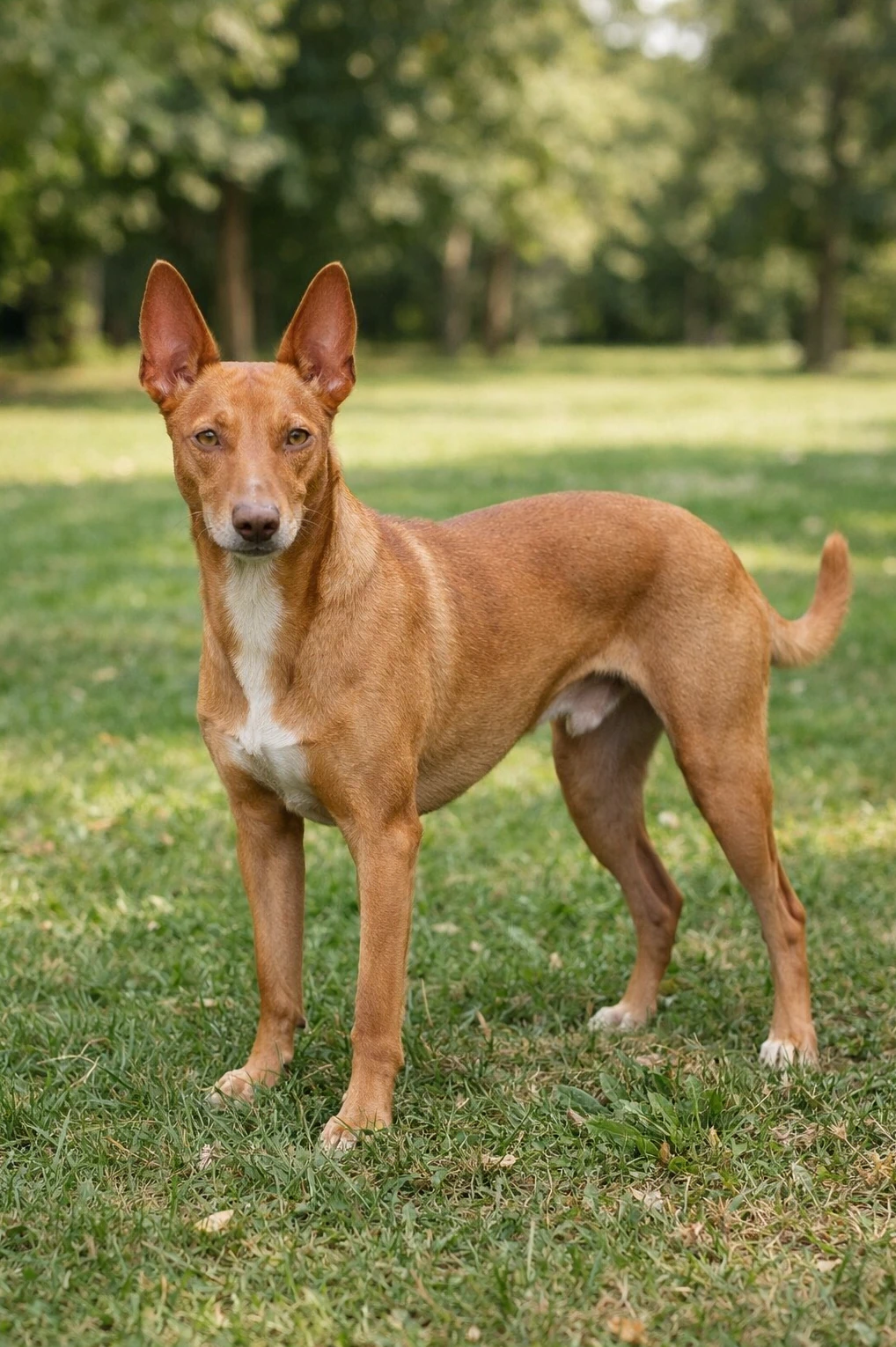
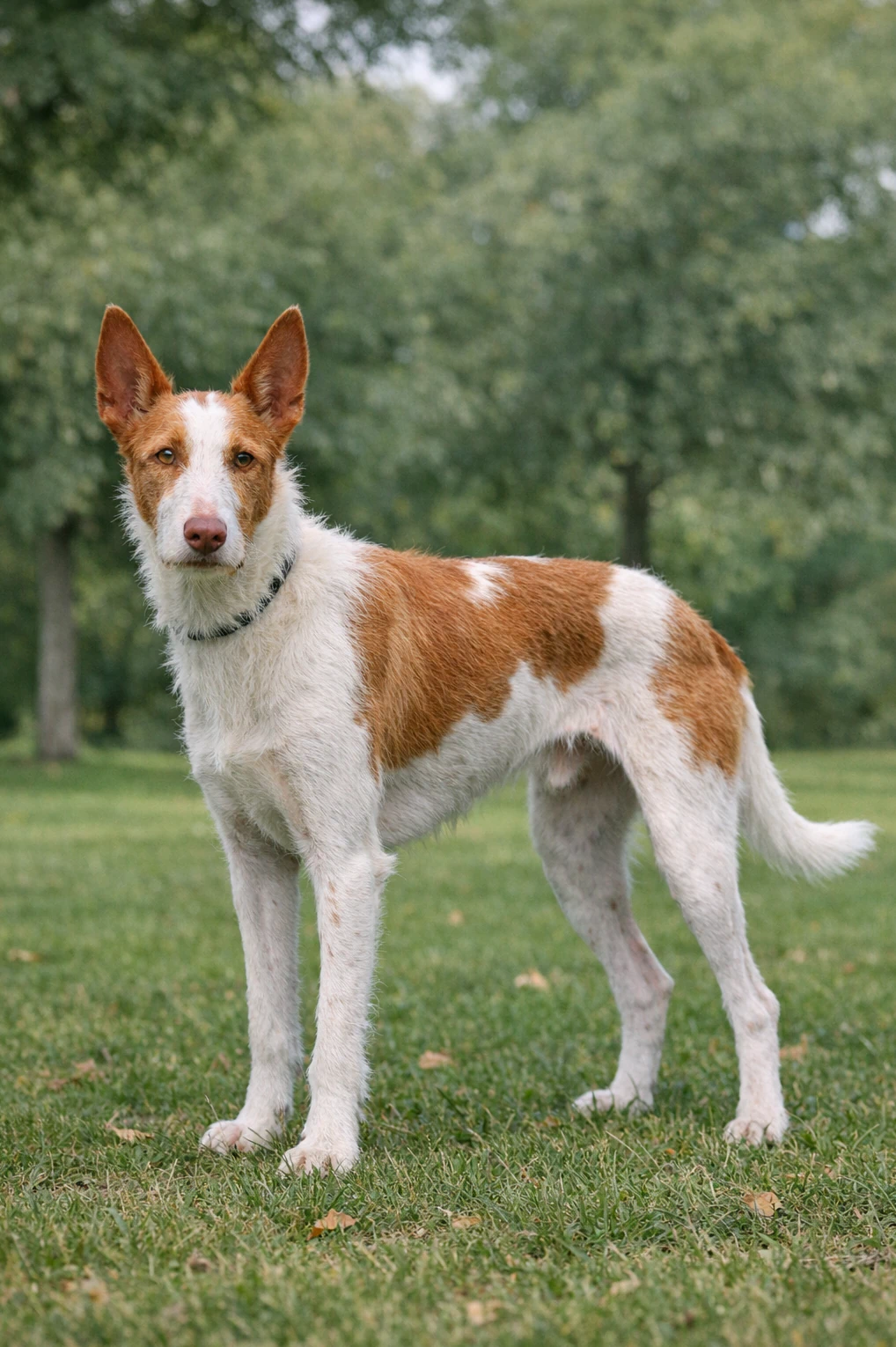
This Ibizan Hound stands about 23.5 to 27.5 inches and around 50 pounds, enjoying close home company, steady in disposition, and well-mannered. Nutritional Verdict: lean, protein-rich meals with steady portions and activity-tailored calories.
Understanding the Ibizan Hound Metabolism and Energy Needs
This Mediterranean coursing sighthound was developed to hunt by sight across open terrain, so it combines calm companionship with sudden sprinting ability. That history means diets should favor high quality animal protein to maintain lean muscles used for quick chases, and easily digestible energy to fuel short bursts.
Aim for protein-rich sources like poultry, lamb, or fish at around 25 to 30 percent of calories, which help preserve muscle without excess bulk. Moderate fat, around 15 to 20 percent, supplies concentrated fuel and supports skin and coat health, while keeping carbs modest reduces digestive load and prevents weight gain.
Supplements such as omega-3 fatty acids soothe skin and support joint flexibility important for slender, active bodies. Small, frequent meals after exercise and slightly higher calorie density help maintain steady weight while matching an affectionate, low-drama household lifestyle.
Managing Ibizan Hound Genetic Health Risks Through Nutrition
Joint health and strain
Helpful nutrients
Bloat and digestive upset
Helpful nutrients
Skin and coat sensitivities
Helpful nutrients
Dental disease
Helpful nutrients
Lean muscle maintenance
Helpful nutrients
Weight management
Helpful nutrients
Ibizan Hound Feeding & Calorie Calculator
Estimated Daily Calories
Tip: Start with this amount and adjust after 2–3 weeks based on your dog's body condition and weight trend.
This estimate provides a starting point for feeding. Individual calorie needs may vary depending on metabolism, body condition, and health status. Always monitor your dog's weight and consult your veterinarian when adjusting diet.
Foods and Ingredients to Avoid for Ibizan Hound Dogs
Ibizan Hounds are lean, athletic dogs that do best with a steady supply of lean protein and controlled fat.
High-fat table scraps, fried foods, and fatty cuts of meat can lead to rapid weight gain and put extra stress on their joints and heart, and they may also increase the risk of pancreatitis.
Keeping fats moderate helps preserve their slim build and stamina, so choose lean meats and measured healthy oils rather than rich, greasy foods.
Foods and diets that rely heavily on peas, lentils, chickpeas, or other legumes have been linked to heart concerns in some dogs, especially when used as the main protein source.
For a breed like the Ibizan Hound, which depends on good cardiac and muscular health for its active lifestyle, it is wise to avoid diets where legumes are a primary ingredient.
Look for balanced formulas that list named meat proteins first and use legumes sparingly to support long term heart and overall health.
Beans, cabbage, broccoli, and other highly fermentable vegetables can increase intestinal gas and bloating, which is a real concern for deep chested breeds like the Ibizan Hound.
While not every dog reacts the same way, excess gas or a very full belly increases the chance of discomfort and in severe cases contributes to gastric dilatation and volvulus.
Offer these foods in small amounts only and watch for signs of bloating, keeping meal size and timing steady to lower risk.
Processed meats, deli slices, and salty snacks are often very high in sodium and preservatives, neither of which supports a lean, athletic dog.
Excess salt can lead to thirst, fluid retention, and long term strain on the kidneys and heart, which matters for a 50 pound Ibizan Hound that needs clean, balanced energy.
Stick to fresh, low-sodium proteins and treats designed for dogs to protect their performance and long term health.
Some Ibizan Hounds can be sensitive to additives in lower quality diets, and artificial preservatives and colors may trigger skin or digestive reactions.
Ingredients such as BHA, BHT, and certain synthetic dyes offer little nutritional benefit and can complicate issues like itchy skin or recurrent stomach upset.
Choosing foods with natural preservation and simple ingredient lists helps maintain a healthy coat and steady digestion for an active hound.
Xylitol and some artificial sweeteners are highly toxic to dogs and should never be offered, even in small amounts.
Products like sugar-free gum, certain peanut butters, and diet treats can contain xylitol and cause a dangerous drop in blood sugar and serious liver damage.
Always read labels carefully and avoid human treats with unknown sweeteners, choosing dog-safe options instead to keep your Ibizan Hound safe and energetic.
How Nutritional Needs Change Throughout the Ibizan Hound Life Stages
Dogs need different nutrition as they move from puppyhood to adulthood to their senior years, and Ibizan Hounds are no exception. Their slender, athletic build, energetic temperament, and breed growth rate shape what to feed at each stage. Activity level, growth speed, and any breed tendencies influence protein, fat, and joint support needs, so feeding plans should adapt as your hound matures.
| Life Stage | Age Range | Primary Objective | Key Nutrient Focus |
|---|---|---|---|
| Puppy | 0–12 months | controlled skeletal development, immune support, brain development | DHA, balanced calcium/phosphorus, high-quality protein |
| Adult | 1–7 years | lean muscle maintenance and sustained energy | high-quality protein, omega-3 fatty acids, fiber |
| Senior | 7+ years | joint mobility, metabolic health, and cognitive support | glucosamine, chondroitin, antioxidants, lower calories |
Ibizan Hound puppies grow into long-legged, lean athletes, so their early months focus on steady, balanced growth rather than rapid weight gain. Controlled calorie intake supports proper skeletal development, especially in the hips and long bones, while avoiding excess calories that stress joints.
Feed high-quality protein to support muscle formation, moderate healthy fats for energy, and adequate calcium and phosphorus in correct ratios for bone health. Frequent small meals, three to four times daily for the first six months, help meet energy needs without overloading the digestive system. Because Ibizan Hounds are active and have a slender frame, choose nutrient-dense food and monitor growth to adjust portions, and consult your vet if the breed shows any diet sensitivities or joint concerns.
Adult Ibizan Hounds are athletic and require a diet that supports lean muscle and steady energy for bursts of high activity as well as relaxed family time. Prioritize high-quality animal protein sources to maintain muscle mass, and moderate fat levels to fuel sprinting without adding excess weight.
Carbohydrates from digestible sources help sustain endurance on long walks or play sessions, while fiber supports gut health. Feed two meals a day for most adults, adjusting portions to activity level and body condition. Keep treats and extras measured, and work with your veterinarian to fine-tune calories if your hound is very active or prefers a calmer lifestyle.
As Ibizan Hounds age their metabolism tends to slow and muscle mass can decline, while mobility needs may increase due to wear on long limbs. Digestive efficiency may change, so senior diets should be easier to digest and rich in nutrients per calorie to keep them satisfied without overfeeding.
Include joint-supporting nutrients such as glucosamine and chondroitin, plus omega-3 fatty acids to help maintain mobility, and antioxidants like vitamins E and C to support healthy aging. Lower calorie density or modest portion reductions help prevent weight gain in less active seniors, while slightly higher protein helps preserve lean mass. Regular weight checks and conversations with your vet will help tailor adjustments for your Ibizan Hound's comfort and longevity.
Kibble vs Fresh vs Raw for Ibizan Hound
Different feeding models suit different lifestyles and activity levels.
The Ibizan Hound pairs high energy with calm home life, so feeding should match exercise patterns and lean body needs.
Pros
- Convenient and easy to portion around varying activity days.
- Formulas with high protein support lean, athletic muscle.
- Predictable calories help maintain the Ibizan's slim build.
- Many options include joint and skin support for short coats.
Cons
- Some brands contain fillers that may upset sensitive stomachs.
- Lower moisture can be an issue for dogs that drink little.
- Calorie-dense kibbles risk weight gain if portions are excessive.
- Cheaper formulas may lack sufficient high quality protein for activity.
Pros
- Highly palatable for picky Ibizans.
- Easier to adjust calories on heavy exercise days.
- High moisture supports digestion and hydration.
- Full control over ingredient quality and protein sources.
Cons
- Time consuming to prepare balanced meals consistently.
- Requires supplements to cover vitamins and minerals properly.
- Higher cost and refrigeration needs add complexity.
- Inconsistent recipes can lead to nutritional imbalances over time.
Pros
- Mimics ancestral diet with raw protein for lean muscle.
- Often highly palatable, appealing to selective eaters.
- Unprocessed nutrients may benefit coat and energy levels.
Cons
- Needs strict hygiene to prevent bacterial contamination risks.
- Balancing calcium and nutrients is challenging without guidance.
- Raw bones can pose choking or dental hazards if mismanaged.
- Can be time consuming and costly to source high quality meat.
| Diet Type | Pros for Ibizan Hound | Potential Downsides |
|---|---|---|
| High-Quality Kibble |
|
|
| Fresh Cooked Food |
|
|
| Raw Diet (BARF) |
|
|
Our Recommendation
For many Ibizan Hound owners, high quality kibble offers a sensible mix of convenience and lean nutrition.
Fresh cooked food works well for picky or highly active dogs when balanced properly, while raw diets can suit experienced owners with veterinary guidance and strict hygiene.
See Also
Breeds with similar group, size, and coat characteristics