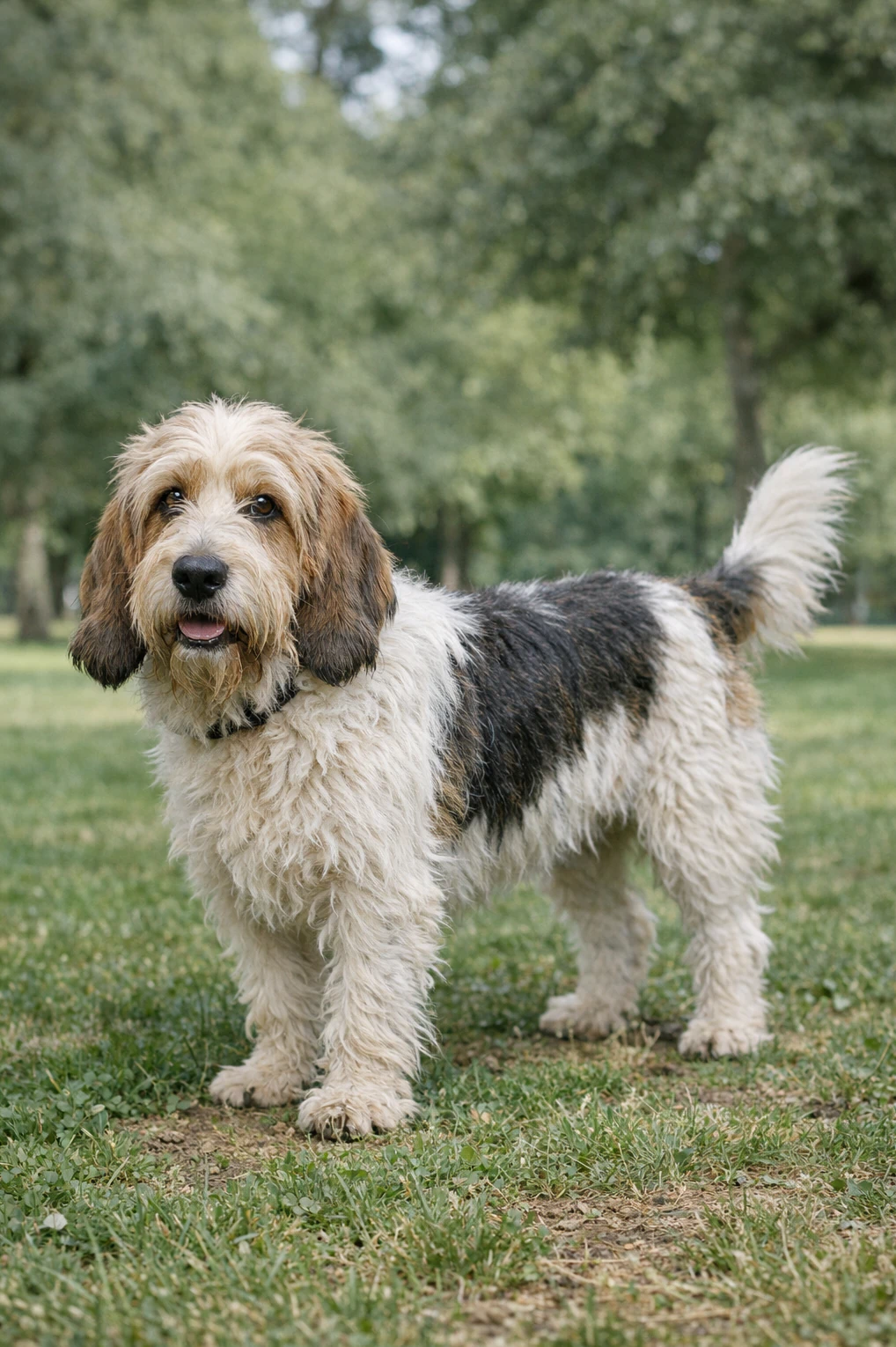
Best Dog Food for Basset Fauve de Bretagne in 2026Based on Nutritional Science
Compact hound, about 12.5–15.5 inches tall and 23–39 pounds, friendly, spirited, and quick-witted. Nutritional verdict: feed a balanced, protein-forward diet with portion control to support energy and healthy lean muscle.

Understanding the Basset Fauve de Bretagne Metabolism and Energy Needs
As a compact scent hound bred to trail quarry and work with packmates, this little tracker blends steady endurance with bursts of speed and sharp instincts. That background means diet should support stamina and focused thinking.
Ample high-quality protein preserves lean muscle for short sprints and long trails, choose poultry, fish, or novel proteins. Moderate fats provide sustained fuel and a healthy coat, with omega-3s aiding brain and skin, digestible carbohydrates offer quick energy for training and play.
Joint-support nutrients like glucosamine and chondroitin help protect the back and hips, while antioxidants and probiotics support recovery and digestion. Keep calorie density sensible and adjust portions to activity to prevent excess weight.
Managing Basset Fauve de Bretagne Genetic Health Risks Through Nutrition
Progressive Retinal Atrophy (PRA)
Helpful nutrients
Primary Open Angle Glaucoma
Helpful nutrients
Epilepsy
Helpful nutrients
Cardiomyopathies
Helpful nutrients
Skin Allergies
Helpful nutrients
Age-Related Thyroid Issues (Hypothyroidism)
Helpful nutrients
Obesity / Overweight
Helpful nutrients
Basset Fauve de Bretagne Feeding & Calorie Calculator
Estimated Daily Calories
Tip: Start with this amount and adjust after 2–3 weeks based on your dog's body condition and weight trend.
This estimate provides a starting point for feeding. Individual calorie needs may vary depending on metabolism, body condition, and health status. Always monitor your dog's weight and consult your veterinarian when adjusting diet.
Foods and Ingredients to Avoid for Basset Fauve de Bretagne Dogs
The Basset Fauve de Bretagne can be prone to weight gain, so rich, greasy foods and fatty table scraps are a real risk.
Excess fat can lead to rapid weight gain and may trigger pancreatitis, which is painful and can require medical care.
Stick to lean protein sources and measured portions to protect joints, heart health, and help your dog stay active and comfortable throughout a long life.
Treats are wonderful for training, but overdoing them can quickly push a Fauve over its ideal weight range.
Even small dogs in this size range can gain pounds that stress their heart and make exercise harder, increasing the chance of obesity-related issues.
Use low calorie or tiny training treats, subtract treat calories from daily food allotment, and consider play or praise as alternative rewards to keep weight in check.
Diets that swap grains for large amounts of peas, lentils, or chickpeas have been linked to diet-associated heart problems in some dogs, and this breed can already have a predisposition to cardiomyopathies.
If you are considering a grain-free formula, discuss it with your veterinarian and choose brands with a balanced nutrient profile supported by feeding trials.
A carefully chosen diet helps protect heart health and overall longevity.
Some Fauves show skin sensitivities, so foods containing artificial preservatives and colorings may trigger itchiness, ear infections, or gastrointestinal upset.
Ingredients like BHA, BHT, and artificial dyes are unnecessary for nutrition and can aggravate sensitive dogs.
Opting for naturally preserved formulas and limited ingredient diets can reduce the chance of flare ups, keeping your dog’s coat healthy and their tummy more settled.
Onions, garlic, chives, and leeks contain compounds that can damage a dog’s red blood cells, leading to hemolytic anemia even when exposure is gradual.
Small amounts in cooked meals or powdered form can add up, so avoid any foods containing allium powders and be cautious with leftovers.
Because this breed tends to live many years, protecting red blood cell health now helps avoid preventable problems later on.
Xylitol, often found in sugar free gum and some baked goods, causes a dangerous drop in blood sugar and can lead to liver failure in dogs, so never give foods containing it.
Chocolate and caffeine contain theobromine and can cause vomiting, rapid heart rate, tremors, or worse.
Keep sweets well out of reach, and if accidental ingestion occurs contact your veterinarian or emergency clinic right away for prompt care.
How Nutritional Needs Change Throughout the Basset Fauve de Bretagne Life Stages
Dogs have different nutritional requirements during puppyhood, adulthood, and senior years. These needs are shaped by growth rate, activity level, and common health tendencies like allergies or breed-specific conditions. For a breed like the Basset Fauve de Bretagne, their lively, medium-frame build, working instincts, and genetic health concerns influence portion size, nutrient balance, and monitoring across life stages.
| Life Stage | Age Range | Primary Objective | Key Nutrient Focus |
|---|---|---|---|
| Puppy | 0–12 months | controlled skeletal development, immune support, brain development | DHA, balanced calcium/phosphorus, high-quality protein |
| Adult | 1–7 years | lean muscle maintenance and sustained energy | high-quality protein, omega-3 fatty acids, fiber |
| Senior | 7+ years | joint mobility, metabolic health, and cognitive support | glucosamine, chondroitin, antioxidants, lower calories |
Basset Fauve de Bretagne puppies grow at a moderate, steady pace to reach their adult 12.5 to 15.5 inch height and 23 to 39 pound weight, so nutrition should support gradual skeletal development rather than rapid surges. Controlled calcium and phosphorus, and a diet formulated for medium-breed puppies, help protect growing joints and bones. Regular weight checks will help prevent excess body weight that stresses developing frames.
Young Fauves benefit from three to four small meals a day to steady blood sugar and support their lively, curious energy, shifting to two meals as they near adulthood. Focus on high quality animal protein for lean muscle, adequate fat for energy, DHA for brain and eye development, plus omega-3s and zinc for their wiry double coat and skin health. Because some lines can have epilepsy, eye or thyroid risks, work with your breeder and veterinarian to select diets that address any specific sensitivities.
Adult Basset Fauve de Bretagne are medium-sized, lively and smart, so their food should support steady energy and lean muscle maintenance. Aim for a diet with high quality protein at each meal to preserve muscle mass, and moderate healthy fats to fuel their active outings without excess calories. Complex carbohydrates and fiber provide steady energy and help keep digestion regular between walks.
Because many Fauves remain active as working dogs or eager companions, match portions to daily activity rather than breed stereotypes and reassess when exercise levels change. Their wiry double coat benefits from omega-3 fatty acids and zinc for skin health, while lines prone to skin allergies may do better with limited ingredient diets under veterinary guidance. Keep an eye on heart and thyroid health through regular exams, since early detection helps keep nutrition on track.
As Basset Fauve de Bretagne enter their senior years they often experience a slower metabolism, changes in digestion and occasional reduced mobility, even though many live well into their mid to late teens. Calories may need to be gently reduced to prevent weight gain, while high quality protein remains essential to slow muscle loss and preserve strength for short bursts of their lively nature. Softer kibble or moistened meals can help dogs with dental wear, and adding fiber or probiotics can support digestive health.
Joint support becomes more important for aging Fauves, so consider foods or supplements with glucosamine and chondroitin and maintain omega-3s to help inflammation and coat condition. Antioxidants like vitamin E and selenium support cellular health, while regular monitoring of thyroid and heart function will guide calorie and nutrient adjustments to keep your dog comfortable. Work with your veterinarian to tailor a senior feeding plan that preserves mobility, supports digestion and honors the breed's long-lived spirit.
Kibble vs Fresh vs Raw for Basset Fauve de Bretagne
Different feeding models suit different lifestyles and owner routines.
For the lively, sociable Basset Fauve de Bretagne, energy needs, coat health, and allergy risks help guide the best choice.
Pros
- Convenient and easy to portion for busy owners.
- Consistent, balanced nutrition supports longevity and moderate activity.
- Helps maintain dental health through crunchy texture.
- Calorie-controlled formulas help prevent weight gain in this sturdy, compact breed.
Cons
- Lower moisture content may not suit dogs prone to dry skin.
- Some formulas include fillers or low-quality ingredients causing allergies.
- Less palatable for picky Fauves after sniffing out fresh food.
Pros
- Highly palatable for picky or scent-driven eaters.
- High moisture supports skin, coat, and hydration.
- Full control over ingredients helps avoid breed-specific allergens.
- Good for tailoring calories to an active or older Fauve.
Cons
- Requires careful planning to ensure complete nutrient balance.
- More time consuming and often more costly than kibble.
- Needs refrigeration and safe handling between meals.
- Mistakes in supplementation can cause long-term deficiencies.
Pros
- May improve coat condition and lean muscle tone.
- Aligns with ancestral feeding patterns for active scent hounds.
- High protein can suit lively, working Fauves.
- Many owners report higher palatability and enthusiasm at mealtimes.
Cons
- Strict hygiene is essential to prevent bacterial contamination risks.
- Whole bones can pose a choking or dental hazard for this size.
- Balancing vitamins and minerals requires veterinary or nutritionist guidance.
- May worsen food sensitivities or trigger allergic reactions in some dogs.
| Diet Type | Pros for Basset Fauve de Bretagne | Potential Downsides |
|---|---|---|
| High-Quality Kibble |
|
|
| Fresh Cooked Food |
|
|
| Raw Diet (BARF) |
|
|
Our Recommendation
Many Fauve owners find high-quality kibble or carefully prepared fresh cooked meals work best, thanks to convenience and reliable nutrition.
Raw feeding can benefit some active or coat-needy dogs, but only with strict hygiene and professional balancing.
See Also
Breeds with similar group, size, and coat characteristics