Best Dog Food for Petit Basset Griffon Vendéen in 2026Based on Nutritional Science
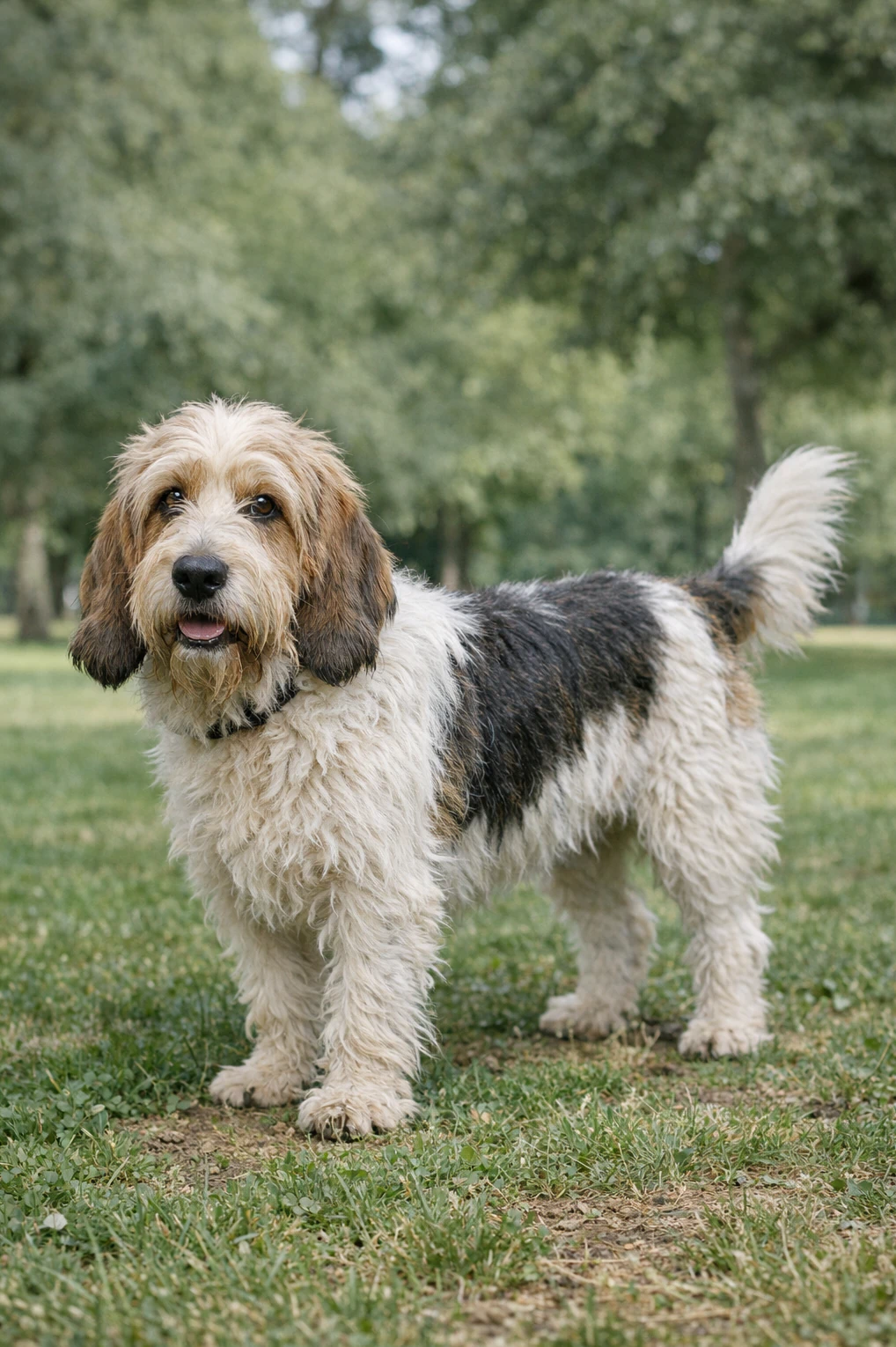
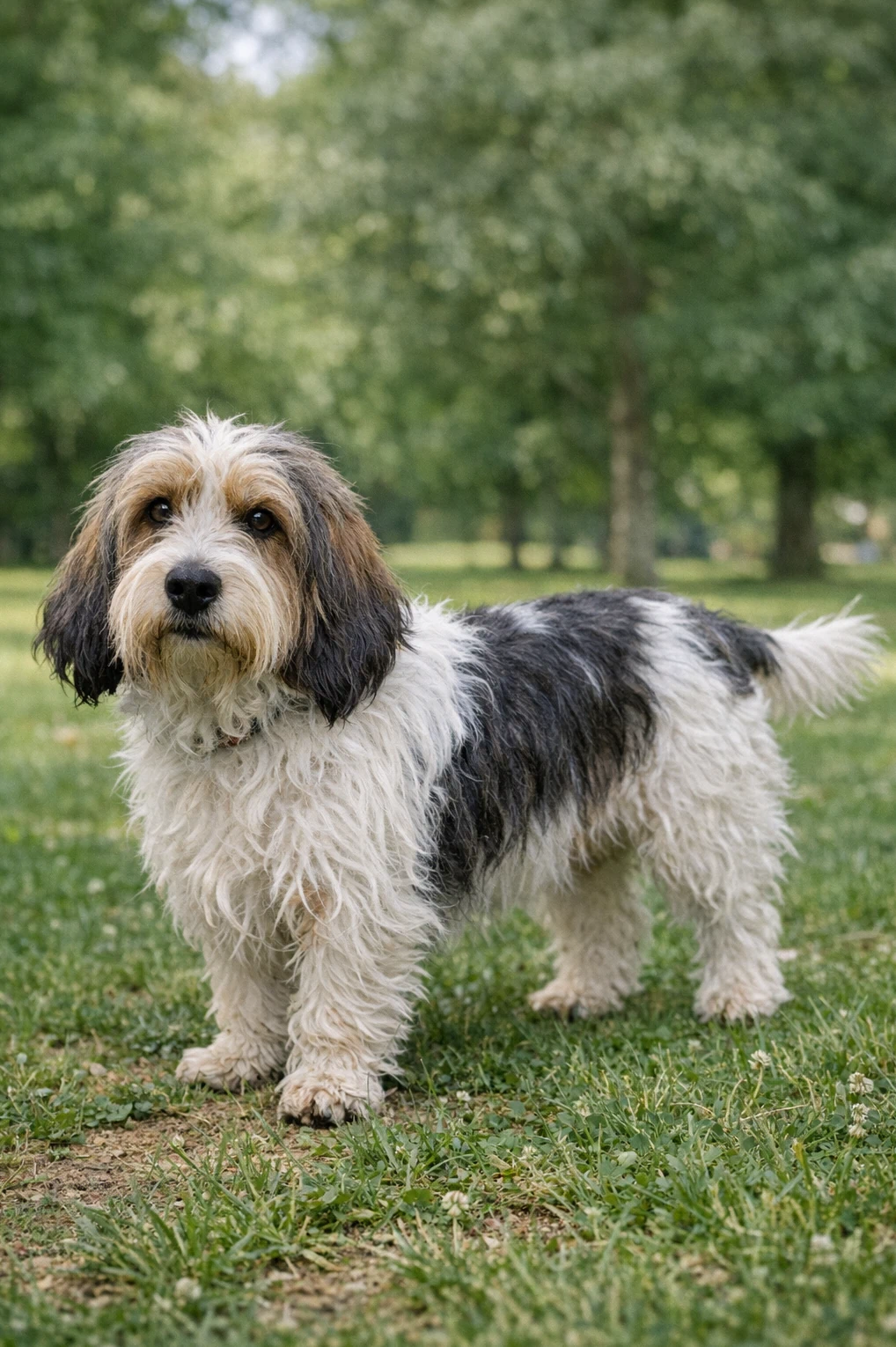
Compact hound, 13 to 15 inches and 25 to 40 pounds, attentive, cheerful and spirited. Nutritional Verdict: offer balanced, protein-focused meals with measured portions and fresh water to fuel activity and maintain a glossy coat.
Understanding the Petit Basset Griffon Vendéen Metabolism and Energy Needs
For your spirited little tracker built for scent work and independent problem solving, a diet should support steady stamina and quick thinking. Tracking outings and frequent bursts of activity require preserved muscle and mental sharpness, so meals should protect lean mass while supplying reliable fuel.
Focus on higher quality protein to repair and maintain muscles used for tracking, roughly 25 to 30 percent of calories, along with moderate healthy fats around 15 to 20 percent to supply compact energy and support a glossy coat and skin. Carbohydrate sources should be digestible and limited, providing short-term fuel without excess weight gain.
Include omega-3 oils to soothe joints and nourish skin, and joint-building compounds for spinal support given their low-slung build. Small, frequent meals and careful portioning help keep them trim and eager for the next adventure.
Managing Petit Basset Griffon Vendéen Genetic Health Risks Through Nutrition
Neck Pain Syndrome
Helpful nutrients
Hip Dysplasia
Helpful nutrients
Elbow Dysplasia
Helpful nutrients
Patellar Luxation (Slipped Stifle)
Helpful nutrients
Cardiac Anomalies
Helpful nutrients
Eye Anomalies
Helpful nutrients
Obesity / Overweight
Helpful nutrients
Petit Basset Griffon Vendéen Feeding & Calorie Calculator
Estimated Daily Calories
Tip: Start with this amount and adjust after 2–3 weeks based on your dog's body condition and weight trend.
This estimate provides a starting point for feeding. Individual calorie needs may vary depending on metabolism, body condition, and health status. Always monitor your dog's weight and consult your veterinarian when adjusting diet.
Foods and Ingredients to Avoid for Petit Basset Griffon Vendéen Dogs
Because the Petit Basset Griffon Vendéen can be prone to gaining weight, high-fat foods and rich table scraps are best avoided.
Excess fat leads to rapid calorie intake, which can cause obesity and put extra strain on hips, elbows, and the stifle, increasing the risk or severity of dysplasia and patellar luxation.
Keeping meals lean and balanced helps preserve a healthy weight and reduces stress on joints and the spine.
Treats are handy for training, but too many high-calorie morsels add up quickly for a 25 to 40 pound PBGV and can tip them into overweight territory.
Extra weight increases pressure on the joints and can exacerbate hip or elbow problems and make recovering from minor injuries harder.
Use low-calorie training treats, reduce meal portion sizes when treating, and track daily calories to help maintain a healthy, active body.
Very hard chews, large tubular bones, and antlers can fracture teeth, cause choking, or lead to violent pulling that stresses the neck and spine in a small to medium dog.
The PBGV’s build and predisposition to neck pain syndrome and joint issues mean vigorous chewing or tugging can worsen existing vulnerabilities.
Choose appropriately sized, softer chews and supervise chew time to protect teeth, throat, and the delicate musculoskeletal system.
Salty snacks like chips, processed meats, and fast food are risky for PBGVs because excessive sodium can upset fluid balance and raise blood pressure, which matters if a dog has cardiac susceptibility.
Even a small amount of highly salted human food can be too much for a 25 to 40 pound dog, and chronic high sodium intake is not healthy for heart or kidney function.
Stick to low-sodium options and consult your vet if your dog has any heart concerns.
Diets that rely heavily on peas, lentils, chickpeas, or other legumes in place of grains have been linked to heart muscle concerns in some dogs, possibly through taurine-related pathways, and warrant caution for a breed with known cardiac anomalies.
If you choose a grain-free or legume-rich formula, discuss it with your veterinarian and monitor heart health and taurine levels as recommended.
Balanced, vet-approved nutrition helps reduce any potential risk to cardiac wellbeing.
Giving uncontrolled calcium supplements or energy-boosting powders to growing PBGV puppies can disturb normal bone development and contribute to joint problems later in life.
Although over-supplementation is often discussed for large breeds, small to medium dogs can also suffer when balance is off, leading to abnormal growth of hips, elbows, or the stifle.
Always use a vetted puppy formula and consult your breeder or veterinarian before adding supplements to ensure safe growth.
Artificial colors, flavors, and preservatives such as BHA, BHT, or ethoxyquin can trigger digestive upset or skin sensitivities in some dogs, and because PBGVs may show allergic tendencies, avoiding these ingredients is sensible.
These additives offer little nutritional benefit and can aggravate itchy skin, poor coat condition, or stomach issues that complicate overall care.
Choosing foods with natural preservation and simple ingredient lists helps keep their skin, coat, and tummy calm.
Kibble vs Fresh vs Raw for Petit Basset Griffon Vendéen
Different feeding models suit different lifestyles, activity levels, and health needs.
For the Petit Basset Griffon Vendéen (PBGV), its lively nature and potential joint sensitivities shape good diet choices.
Pros
- Convenient and easy to portion for busy owners.
- Formulas with joint support help active PBGVs maintain mobility.
- Dry kibble can help reduce dental tartar through chewing.
- Consistent nutrition makes weight management easier for energetic dogs.
Cons
- Can be calorie-dense, risking weight gain without portion control.
- Lower moisture content may require added wet food or more water.
- Some brands include fillers or additives, so label reading matters.
- Less flexibility to tailor ingredients for allergies or special needs.
Pros
- Highly palatable, great for picky or energetic PBGVs.
- High moisture helps hydration and gentle digestion.
- Easy to include joint supplements and omega fatty acids.
- Full control over ingredient quality and portion sizes.
Cons
- Requires careful planning to ensure complete nutrition.
- Meal prep and refrigeration increase time and cost.
- Nutrient balance can be tricky without veterinary or nutritional advice.
- Meals can spoil if left out, so storage matters.
Pros
- Often high in protein, matching the breed's active needs.
- Some owners report shinier coats and increased energy.
- Can be customized to avoid specific allergens and include supplements.
Cons
- Higher bacterial risk demands strict hygiene and safe handling.
- Whole bones can cause choking, dental fractures, or intestinal blockages.
- Difficult to guarantee balanced vitamins and minerals without expert input.
- Not ideal for homes with young children or immune-compromised family members.
| Diet Type | Pros for Petit Basset Griffon Vendéen | Potential Downsides |
|---|---|---|
| High-Quality Kibble |
|
|
| Fresh Cooked Food |
|
|
| Raw Diet (BARF) |
|
|
Our Recommendation
For most PBGVs, a high-quality kibble with joint support or a carefully planned fresh cooked diet works well.
Raw feeding can suit some owners, but only with veterinary guidance and strict hygiene.
See Also
Breeds with similar group, size, and coat characteristics