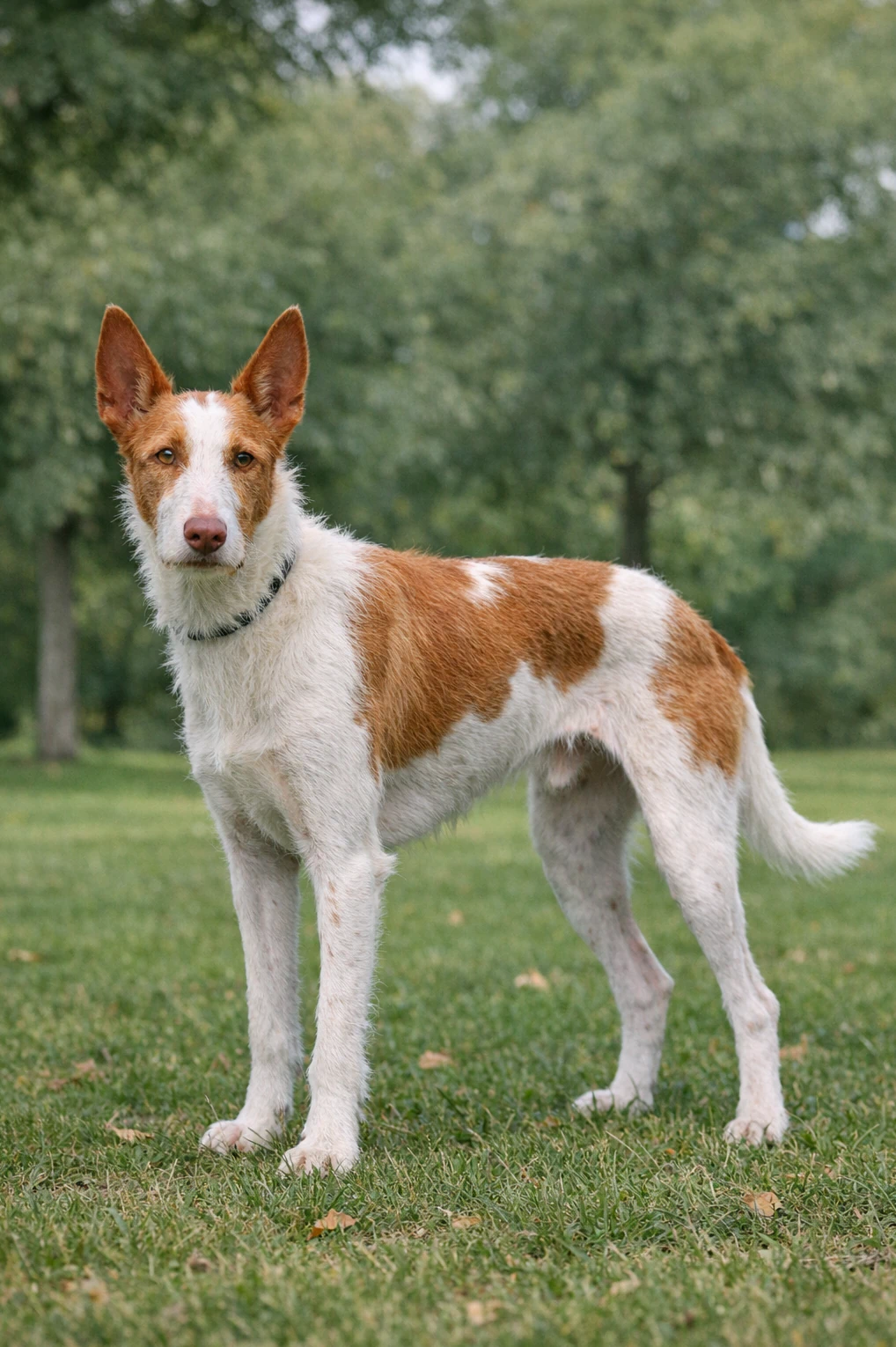
Best Dog Food for Whippet in 2026Based on Nutritional Science
Whippet males stand about 19 to 22 inches and weigh 25 to 40 pounds. Energetic, devoted, and mellow, they thrive on lean protein and balanced meals, so choose quality food to support slim, active bodies.

Understanding the Whippet Metabolism and Energy Needs
This slender sighthound was developed to outrun prey in short, fast chases, so its body favors lean muscle and explosive speed. At home it is lively and loving yet often pleasantly tranquil.
That means diets should center on top-quality protein to preserve its athletic frame and support quick muscle repair after brief bursts of activity, for example turkey, fish, or eggs. Fat provides concentrated fuel for sprints and helps keep skin and coat healthy, with marine oils offering anti-inflammatory and cognitive support. Carbohydrates should be modest and mainly slow-digesting, such as pumpkin or root vegetables, to help maintain a trim build.
Joint-friendly supplements like glucosamine and chondroitin can protect agile joints, while omega-3s reduce stiffness and support overall wellbeing. A calorie-controlled feeding strategy with occasional targeted supplements keeps this dog fit, comfortable, and ready for both play and cuddles.
Managing Whippet Genetic Health Risks Through Nutrition
Eye problems (including progressive retinal atrophy)
Helpful nutrients
Hypothyroidism
Helpful nutrients
Joint issues (patellar luxation, osteoarthritis)
Helpful nutrients
Skin and coat sensitivities or allergies
Helpful nutrients
Dental disease and tartar buildup
Helpful nutrients
Sensitivity to anesthesia, low body fat and temperature regulation
Helpful nutrients
Muscle maintenance and lean body condition
Helpful nutrients
Whippet Feeding & Calorie Calculator
Estimated Daily Calories
Tip: Start with this amount and adjust after 2–3 weeks based on your dog's body condition and weight trend.
This estimate provides a starting point for feeding. Individual calorie needs may vary depending on metabolism, body condition, and health status. Always monitor your dog's weight and consult your veterinarian when adjusting diet.
Foods and Ingredients to Avoid for Whippet Dogs
Whippets are lean, athletic dogs with a relatively low amount of body fat, so excessive dietary fat can lead to rapid weight gain and digestive upset.
Rich table scraps, fatty meats, and fried foods can overload a Whippet's sensitive stomach and may increase the chance of pancreatitis in dogs that are prone to it.
Stick to moderate, high-quality protein and controlled fat levels, and avoid sharing greasy human foods.
Small, frequent meals suited to their metabolism help keep weight steady and energy consistent.
Onions, garlic, chives, and leeks contain compounds that can damage red blood cells and lead to anemia in dogs, and smaller to medium breeds like Whippets can be affected by relatively small amounts.
Symptoms may take a few days to appear, so even occasional exposure through sauces or flavored foods is risky.
Avoid all forms of these ingredients, including powders and cooked dishes that contain them, and keep kitchen scraps away from your Whippet to prevent accidental ingestion.
Grapes and raisins are unpredictable toxins for dogs, and they can cause acute kidney injury even in small quantities.
Given a Whippet's moderate size, a single serving could be enough to cause serious problems, so these fruits should never be offered as treats or allowed where your dog might find them.
If accidental ingestion occurs, contact your veterinarian or an emergency clinic quickly, because early treatment greatly improves the chance of a full recovery.
Chocolate and caffeinated products contain stimulants such as theobromine and caffeine that dogs metabolize slowly, making even modest amounts dangerous for a Whippet's size and metabolism.
Symptoms can include restlessness, vomiting, rapid heart rate, tremors, and in severe cases, seizures, so it is important to keep these items well out of reach.
Dark chocolate and baking chocolate are especially potent, and pet-safe alternatives like carob should be used if you want to share a treat safely.
Xylitol, a common sugar substitute found in sugar-free gum, candies, some peanut butters, and baked goods, can trigger a sudden insulin release and dangerous hypoglycemia in dogs.
Even small amounts can be harmful for a Whippet, and certain exposures may also lead to liver injury.
Always check ingredient labels before offering human foods, and choose dog-safe treats that do not contain artificial sweeteners to avoid accidental toxicity.
Salty human snacks like chips, processed deli meats, and certain cheeses can upset a Whippet's electrolyte balance and contribute to dehydration or sodium poisoning if eaten in large quantities.
Regularly feeding salty or highly processed foods can also encourage unhealthy weight gain and mask deficiencies in more important nutrients.
Offer low-sodium, whole-food treats and prioritize a balanced diet tailored to a Whippet's activity level to keep them hydrated, energetic, and at a healthy weight.
How Nutritional Needs Change Throughout the Whippet Life Stages
A dog’s nutritional needs shift as it moves from puppyhood through adulthood to its senior years, because growth, energy and body composition change over time. For a Whippet, those needs reflect a medium, lean frame, a tendency for quick early growth and bursts of speed, plus breed traits like low body fat and sensitivity to some medications. Matching diet to life stage helps keep your Whippet strong, comfortable and full of the good energy you love.
| Life Stage | Age Range | Primary Objective | Key Nutrient Focus |
|---|---|---|---|
| Puppy | 0–12 months | controlled skeletal development, immune support, brain development | DHA, balanced calcium/phosphorus, high-quality protein |
| Adult | 1–7 years | lean muscle maintenance and sustained energy | high-quality protein, omega-3 fatty acids, fiber |
| Senior | 7+ years | joint mobility, metabolic health, and cognitive support | glucosamine, chondroitin, antioxidants, lower calories |
Whippet puppies grow quickly in the first months and generally reach most of their adult height by about 9 to 12 months, with full maturity by around 12 to 18 months. Their slender, athletic frame needs steady, balanced growth to protect developing bones and joints, so a diet with an appropriate calcium to phosphorus ratio is important, and extra calories should not push growth too fast.
Feed smaller, more frequent meals, typically three to four times a day while very young, then reduce to two meals as they approach adulthood. Prioritize high quality protein for muscle development, DHA for brain and vision, moderate fat for energy during play, and vitamins and minerals to support immune and skeletal health, while watching body condition so they stay lean but well nourished.
Adult Whippets benefit from a diet that supports lean muscle and steady energy for short bursts of high activity followed by calm relaxation. Aim for high quality protein to maintain muscle mass, moderate healthy fats to fuel sprints and a glossy coat, and balanced carbohydrates or fiber for steady digestion and energy between activities.
Lifestyle matters, so adjust calories to match your dog’s routine, whether mostly calm at home or regularly active with runs and play. Feed twice daily to help regulate energy, keep treats modest to avoid unnecessary weight gain, and include omega 3s for coat health and gentle joint support as part of a balanced, age appropriate diet.
As Whippets age they often experience a slower metabolism, reduced muscle mass and greater sensitivity in joints, along with possible dental or digestive changes that affect how they eat. Because many Whippets have low body fat, some older dogs may lose weight and feel colder, so it is important to monitor body condition and adjust food accordingly rather than assuming all seniors need fewer calories.
Support aging joints with foods or supplements containing omega 3s and joint nutrients such as glucosamine and chondroitin, include antioxidant rich ingredients like vitamin E to help cellular health, and keep protein high quality to preserve lean mass. Consider softer, more palatable textures if teeth are worn, add gentle fiber for digestion if needed, and tune calories to maintain a healthy, comfortable weight.
Kibble vs Fresh vs Raw for Whippet
Whippets are lean, energetic sprinters with calm home lives, so feeding should fit their bursts of activity and sensitive appetites.
Different feeding models match different owners, routines, and digestive needs.
Pros
- Convenient and easy to portion for busy owners.
- High-protein formulas support lean muscle without excess calories.
- Crunch can help reduce tartar buildup on their teeth.
- Shelf-stable and simple to feed during travel or shows.
Cons
- Lower moisture content may not suit dogs with sensitive digestion.
- Some brands include fillers that add unnecessary carbs and calories.
- Calorie-dense recipes can lead to weight gain if portions are large.
- Less flexibility to accommodate special ingredient sensitivities.
Pros
- Very palatable, ideal for picky or recovering Whippets.
- High moisture content aids hydration and gentle digestion.
- Full control over protein sources and healthy fats.
- Easier to adjust calories for colder weather or recovery.
Cons
- Requires precise supplementation to meet all vitamin needs.
- Meal prep and refrigeration add time and cost.
- Short shelf life increases planning and storage needs.
Pros
- High-quality raw protein can support sprinting ability and lean mass.
- Many owners notice improved coat texture and energy.
- Easily excludes cooked additives that can trigger sensitivities.
Cons
- Higher bacterial risks require strict hygiene and safe handling.
- Balancing minerals and vitamins is complex without guidance.
- Raw bones pose choking or dental fracture risks.
- Not ideal for busy owners or inexperienced handlers.
| Diet Type | Pros for Whippet | Potential Downsides |
|---|---|---|
| High-Quality Kibble |
|
|
| Fresh Cooked Food |
|
|
| Raw Diet (BARF) |
|
|
Our Recommendation
For most Whippets, a high-quality, protein-focused kibble offers the best balance of convenience and lean-muscle support.
Fresh cooked food works well for picky or sensitive dogs, while raw diets are best handled by experienced owners with veterinary guidance.
See Also
Breeds with similar group, size, and coat characteristics