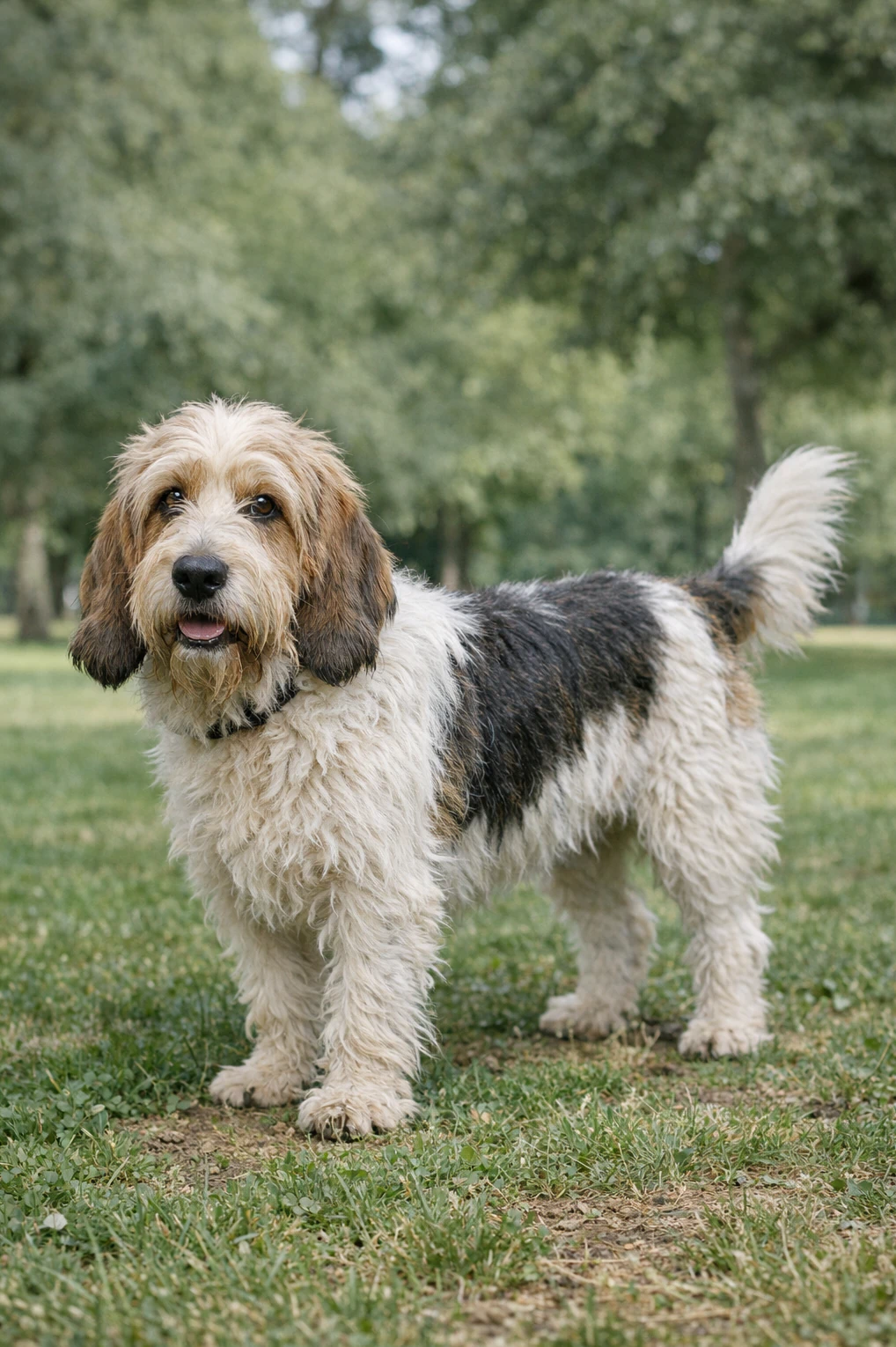
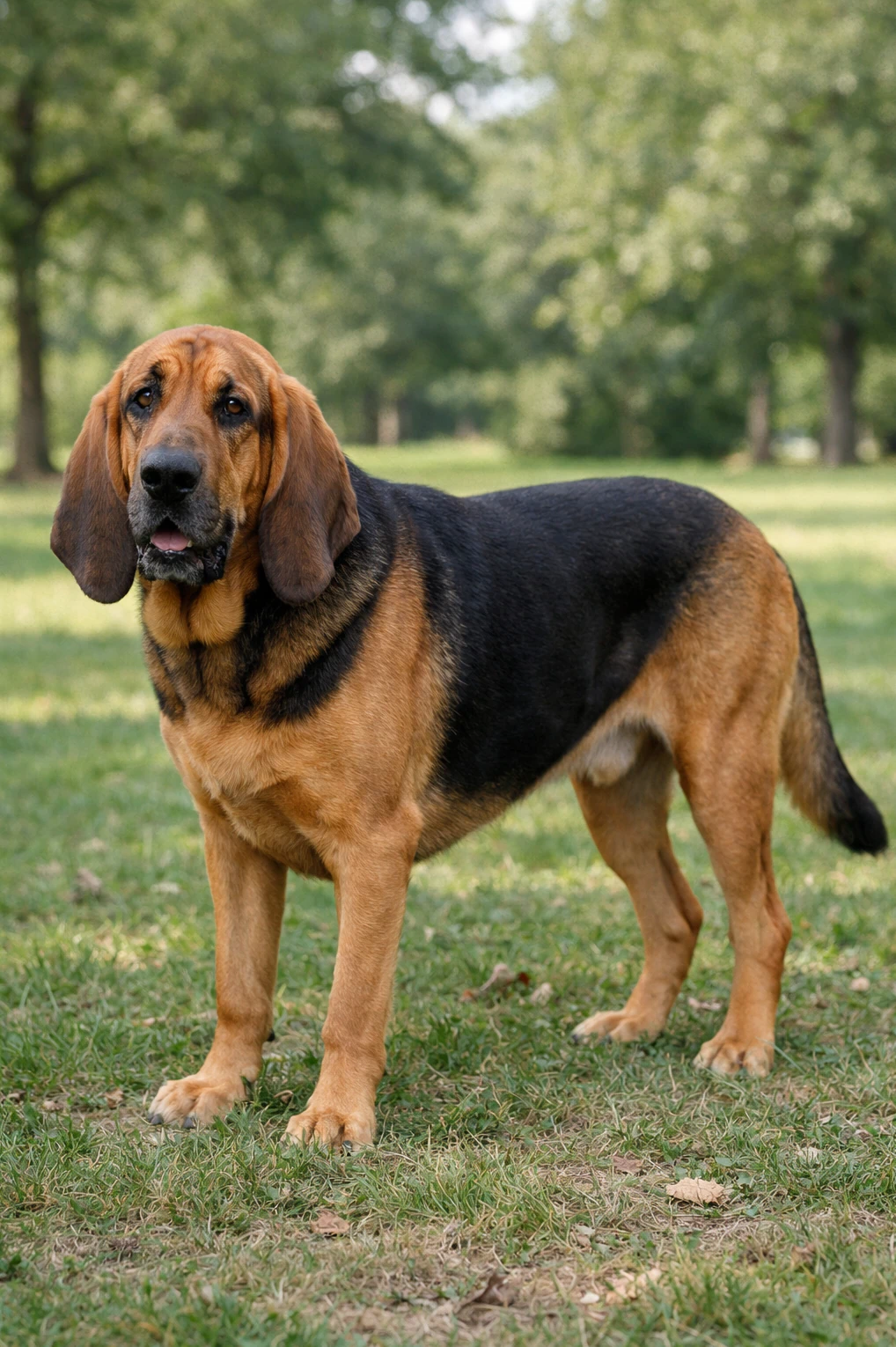
Best Dog Food for Otterhound in 2026Based on Nutritional Science
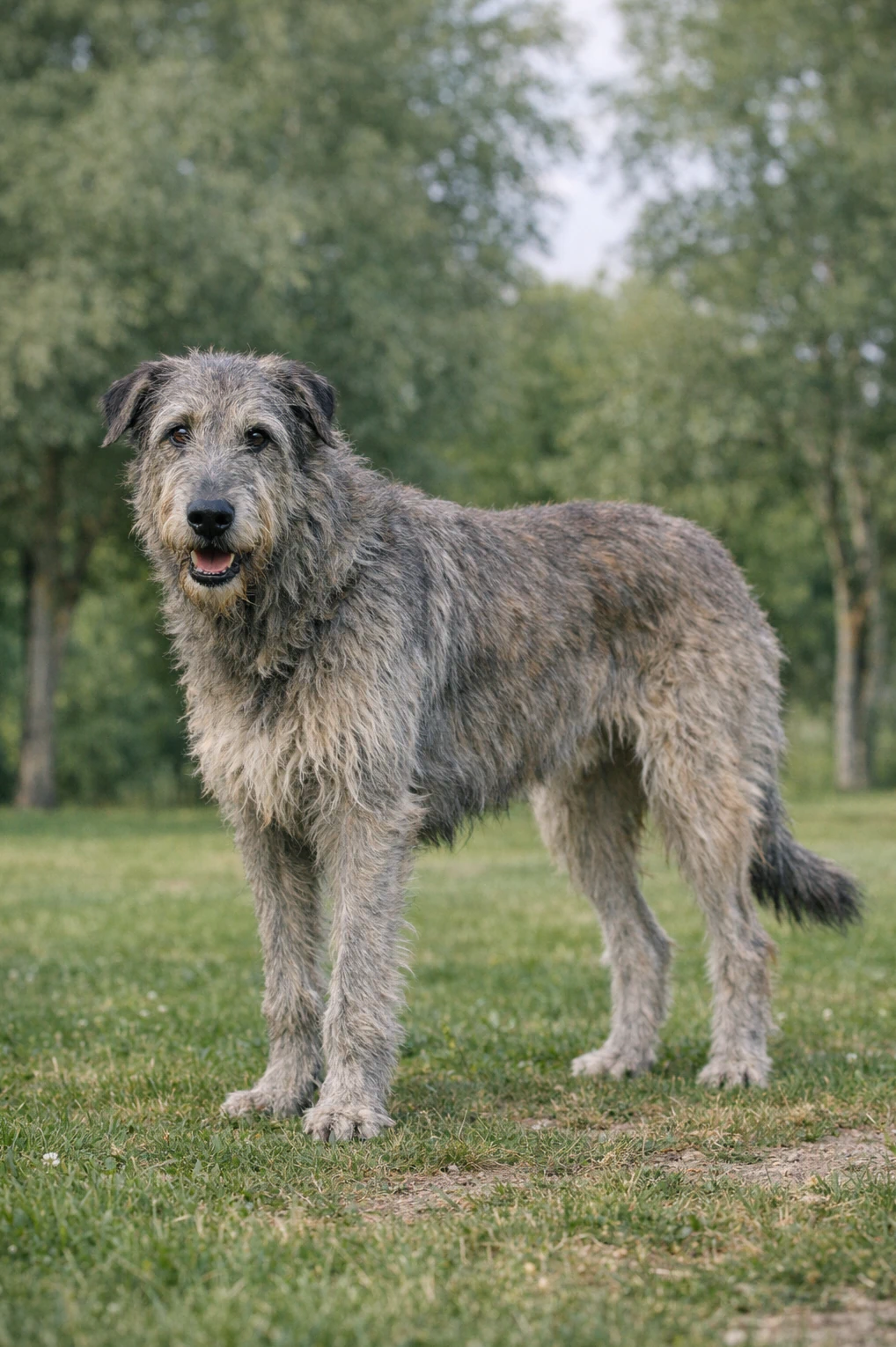
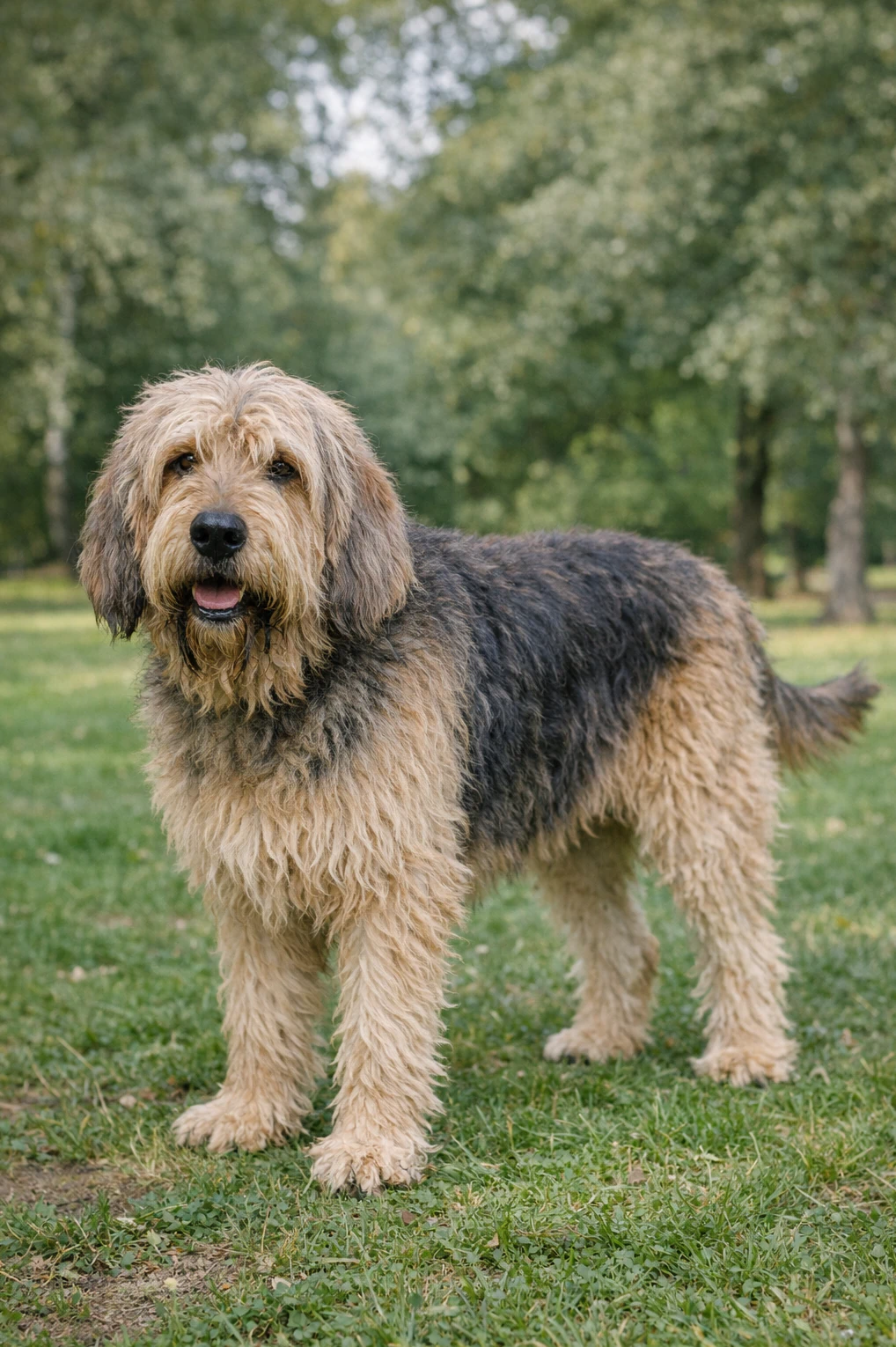
Large Otterhound males reach about 27 inches and 115 pounds, calm and sociable yet lively. Nutritional verdict: needs high-quality protein, balanced calories, and joint support to sustain energy and healthy weight.
Understanding the Otterhound Metabolism and Energy Needs
This breed’s background as a scent-focused water hunter explains a lot about what fuels them today. Their sturdy build and love of sustained activity mean they need good quality protein to support lean muscle and repair. Higher fat provides concentrated, long-lasting energy for long tracking sessions and helps keep a dense coat well insulated and glossy.
Because they work steadily rather than sprint in short bursts, slow-release carbohydrates are useful to maintain focus and endurance, while soluble fiber helps steady digestion. Joint-support nutrients like glucosamine and chondroitin make sense for a heavier dog that swims and moves over uneven ground, and omega-3 fats help soothe joints and keep skin and fur healthy.
A modest boost of electrolytes during hot-weather outings and probiotics to support a variable appetite are practical touches. Tailoring calorie density and nutrient quality to their active, sociable nature keeps them happy and physically resilient.
Managing Otterhound Genetic Health Risks Through Nutrition
Epilepsy
Helpful nutrients
Hip Dysplasia
Helpful nutrients
Bloat (Gastric Dilatation-Volvulus)
Helpful nutrients
Obesity
Helpful nutrients
Otterhound Feeding & Calorie Calculator
Estimated Daily Calories
Tip: Start with this amount and adjust after 2–3 weeks based on your dog's body condition and weight trend.
This estimate provides a starting point for feeding. Individual calorie needs may vary depending on metabolism, body condition, and health status. Always monitor your dog's weight and consult your veterinarian when adjusting diet.
Foods and Ingredients to Avoid for Otterhound Dogs
Otterhounds can be prone to gaining weight, so feeding rich, fatty table scraps or very high-fat treats raises the risk of obesity and may trigger pancreatitis.
Carrying extra pounds puts extra stress on the hips and joints, which can worsen mobility over time.
Stick to lean protein sources and measured treats, and check with your vet about calorie targets for your dog to keep them fit and comfortable.
Some grain-free commercial diets replace grains with large amounts of peas, lentils, chickpeas or potatoes, and these formulations have been linked to heart problems in certain large breeds.
Given an Otterhound's size, it is wise to avoid or carefully vet grain-free foods that rely heavily on these ingredients, unless your veterinarian approves them.
Choose balanced diets with named meat proteins and whole grains or follow your vet's guidance when selecting special formulas.
Large breed puppies need careful control of calcium and phosphorus levels because too much can encourage overly rapid bone growth and increase the risk of orthopedic issues like hip dysplasia.
Avoid giving extra calcium supplements, adult bone meal, or free‑mixing homemade recipes without veterinary supervision during growth.
Work with your vet to select a puppy diet formulated for large breeds, and reassess needs as your puppy matures into adulthood.
Certain common human foods are outright dangerous for dogs, and even a small amount can cause serious harm.
Chocolate, grapes and raisins can damage kidneys, xylitol in sugar-free products can cause life‑threatening low blood sugar and liver injury, and onions and garlic can damage red blood cells.
Keep these items well out of reach, and call your veterinarian or an emergency line right away if your dog eats any of them.
Otterhounds can develop skin sensitivities or digestive upsets when fed foods high in artificial preservatives, colors or flavorings, so minimizing these additives helps maintain a healthy coat and calm tummy.
Ingredients like BHA, BHT and unnecessary dyes may trigger itching or loose stools in sensitive dogs, and long term they add no nutritional value.
Opt for diets with natural preservatives or limited ingredient lists, especially if your dog has a history of skin or stomach issues.
Cooked bones and very hard chews are risky because they can splinter, causing mouth injuries, choking, or intestinal blockages that often need emergency care.
Even a powerful, happy Otterhound can break off sharp fragments while chewing, and the cost of an emergency visit is nothing compared with your pet's pain.
Choose safe, vet‑recommended chews and supervise chewing sessions, discarding any pieces that become small or jagged.
How Nutritional Needs Change Throughout the Otterhound Life Stages
Otterhounds have different nutritional needs as they move from puppyhood to adulthood and into their senior years. Their giant size, boisterous activity and steady growth pattern mean diet should be tailored to support safe bone development, steady energy and later joint and weight management. Breed-specific tendencies like hip dysplasia screening and bloat risk also influence feeding style and portion control.
| Life Stage | Age Range | Primary Objective | Key Nutrient Focus |
|---|---|---|---|
| Puppy | 0–18 months | controlled skeletal development, immune support, brain development | DHA, balanced calcium/phosphorus, high-quality protein |
| Adult | 1.5–5 years | lean muscle maintenance and sustained energy | high-quality protein, omega-3 fatty acids, fiber |
| Senior | 5+ years | joint mobility, metabolic health, and cognitive support | glucosamine, chondroitin, antioxidants, lower calories |
Otterhound puppies grow over a longer period than small breeds, with steady, sometimes boisterous spurts in weight and height as they approach their large adult size. Because giant puppies are prone to skeletal stress if they grow too quickly, feeding for controlled, steady growth is important, focusing on age-appropriate calorie density and a balanced calcium to phosphorus ratio to support healthy bone development.
Offer multiple small meals a day while they are young, moving from three to four feedings down to two as growth slows, which also helps reduce bloat risk. Emphasize high quality protein for muscle, DHA for brain and eye development, and moderate fat for energy, plus omega fatty acids to support their double coat, and avoid oversupplementing calcium or calories that could strain joints predisposed to dysplasia.
Adult Otterhounds need a diet that keeps lean muscle and steady energy, matching calories to their amiable but sometimes boisterous activity levels. Focus on high quality, easily digestible protein to preserve muscle, paired with moderate healthy fats for sustained energy, while avoiding excess calories that lead to weight gain and added strain on large-frame joints.
Feeding twice daily helps reduce bloat risk and fits most adult routines, with portion adjustments for very active dogs or those living a more relaxed life. Include joint-friendly nutrients like glucosamine and chondroitin if recommended by your vet, and support their dense double coat with omega fatty acids and antioxidants to help skin and immune health.
As Otterhounds enter their senior years they often experience a slower metabolism and less stamina for boisterous play, which means calorie needs may decline while the need to preserve muscle increases. Choose diets with highly digestible, high-quality protein to maintain lean mass, and consider lowering overall calories if activity drops, while keeping meal sizes smaller and regular to ease digestion and lower bloat risk.
Joint-support ingredients and omega-3 fatty acids become more important to help mobility when despite screenings some dogs show hip discomfort, and antioxidants can support aging immune and cognitive health. Work with your veterinarian to adjust fiber for gut comfort, monitor weight closely, and consider supplements or prescription senior formulas if your Otterhound shows slower movement, stiffness, or changes in appetite.
Kibble vs Fresh vs Raw for Otterhound
Different feeding models suit different lifestyles and health needs. For Otterhounds, size, boisterous energy, and bloat risk all influence which diet fits best.
Pros
- Convenient and easy to portion for busy owners.
- Large-breed formulas often include joint support for heavier frames.
- Consistent nutrition helps manage weight in boisterous, food-motivated dogs.
- Crunch can help reduce tartar and support dental health.
Cons
- Calorie-dense formulas can cause weight gain if portions are not controlled.
- Lower moisture may not suit dogs that need extra hydration.
- Some kibbles contain fillers or artificial additives in cheaper brands.
- Gulping fast meals can increase bloat risk in deep-chested dogs like this breed.
Pros
- Highly palatable, great for picky or boisterous eaters.
- Higher moisture supports hydration and easier digestion.
- You control ingredients, helpful for coat and allergy concerns.
- Can be adjusted for extra joint-support nutrients.
Cons
- More time consuming and often more expensive than kibble.
- Requires careful planning to meet large-breed calcium and calorie needs.
- Needs refrigeration and regular meal prep.
- Improper balance can affect joints and long-term health.
Pros
- Offers high-quality protein for active, muscular dogs.
- Some owners report improved coat condition and energy.
- Minimal processing preserves natural nutrients.
Cons
- Higher risk of bacterial contamination without strict hygiene.
- Bone fragments can pose choking or dental hazards.
- Balancing nutrients for large breeds is complex and essential.
- May increase bloat risk if meals are large or followed by activity.
| Diet Type | Pros for Otterhound | Potential Downsides |
|---|---|---|
| High-Quality Kibble |
|
|
| Fresh Cooked Food |
|
|
| Raw Diet (BARF) |
|
|
Our Recommendation
Many Otterhound owners find high-quality, large-breed kibble is a reliable daily choice when portioned carefully and paired with joint and coat support.
Fresh cooked meals can be excellent for picky or very active dogs when properly balanced, while raw diets demand veterinary guidance and strict hygiene.
See Also
Breeds with similar group, size, and coat characteristics