Best Dog Food for Borzoi in 2026Based on Nutritional Science
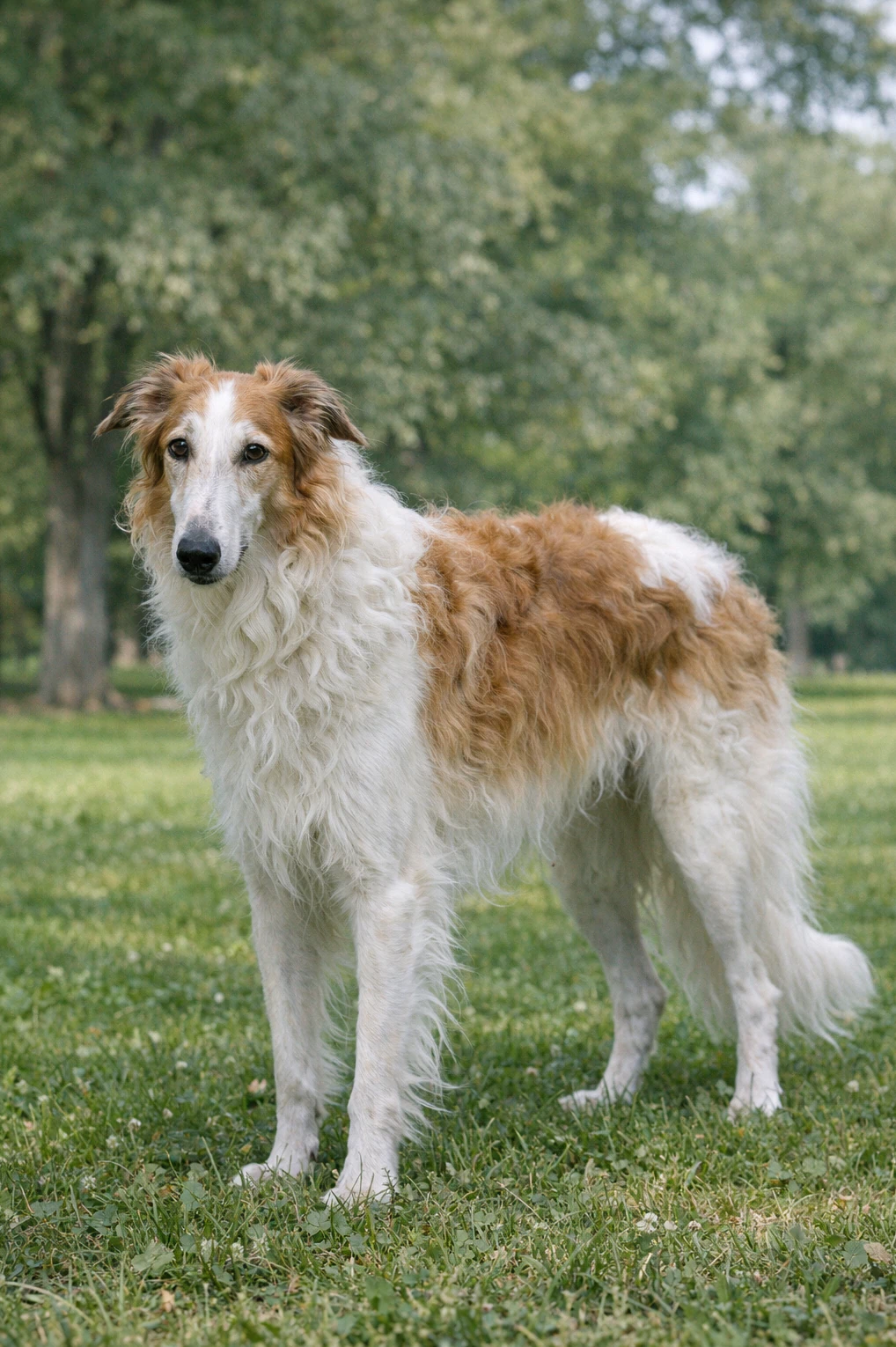
Graceful, devoted companion standing about 28 inches and taller, weighing 75–105 pounds. Calm and loving with a noble bearing. Nutritional Verdict: high-quality protein, balanced fats, and moderate calories for lean muscle.
Understanding the Borzoi Metabolism and Energy Needs
As a descendant of sighthounds bred to sprint across open fields chasing game, this dog needs diets that support short, intense bursts of activity and long, lean musculature. High-quality animal protein, about twenty-five to thirty percent of calories on a dry-matter basis, helps preserve fast-twitch muscle and aids recovery after sudden runs.
Healthful fats supply concentrated fuel and promote a silky coat and resilient skin, so include omega-3 rich sources like fish oil. Carbohydrates should be digestible but limited, giving steady energy and gentle fiber to support digestion.
Joint-support supplements such as glucosamine and chondroitin benefit long-limbed runners, while L-carnitine and antioxidants help maintain lean mass and reduce oxidative stress during exertion. These choices translate the animal’s athletic heritage into a modern, balanced feeding plan.
Managing Borzoi Genetic Health Risks Through Nutrition
Hip Dysplasia
Helpful nutrients
Elbow Dysplasia
Helpful nutrients
Osteochondritis Dissecans (OCD)
Helpful nutrients
Progressive Retinal Atrophy (PRA)
Helpful nutrients
Bloat (Gastric Dilatation-Volvulus)
Helpful nutrients
Anesthesia Sensitivity
Helpful nutrients
Ear Problems (infections and inflammation)
Helpful nutrients
Dental Disease (tartar, gum inflammation)
Helpful nutrients
Obesity / Overweight
Helpful nutrients
Borzoi Feeding & Calorie Calculator
Estimated Daily Calories
Tip: Start with this amount and adjust after 2–3 weeks based on your dog's body condition and weight trend.
This estimate provides a starting point for feeding. Individual calorie needs may vary depending on metabolism, body condition, and health status. Always monitor your dog's weight and consult your veterinarian when adjusting diet.
Foods and Ingredients to Avoid for Borzoi Dogs
Borzoi are deep-chested dogs, and that body shape raises their risk for gastric dilatation-volvulus, commonly called bloat.
Feeding one very large meal can increase that risk, so it is safer to split daily calories into two or three smaller feedings and avoid vigorous play before and after meals.
Also avoid elevated bowls if your vet advises against them, and make sure your dog eats calmly rather than gulping air.
Observing eating habits and contacting your vet at the first sign of discomfort can be lifesaving.
Because Borzoi can be prone to weight gain and occasional pancreatitis, fatty table scraps and greasy treats are best avoided.
High-fat diets can lead to rapid weight gain, which places extra stress on joints and the heart, and can trigger painful inflammation of the pancreas.
Stick with lean protein sources and measured treats, and talk to your veterinarian before introducing rich or unfamiliar human foods. Moderation helps keep your Borzoi trim and comfortable.
Although Borzoi look large, many eat less than expected and can easily become overweight if treats are handed out too freely.
Extra calories from training treats, commercial snacks, and generous portions add up quickly and worsen stress on hips and elbows, which are areas of concern for the breed.
Use low-calorie rewards, reduce meal portions when needed, and monitor body condition rather than relying only on the scale. A lean, active Borzoi tends to stay healthier longer.
Some grain-free diets substitute peas, lentils, or other legumes as primary carbohydrate or protein sources, and in certain cases these recipes have been linked to heart concerns in dogs.
While the science is still developing, it is sensible to avoid diets that rely heavily on legumes without veterinary guidance, especially for a breed with large size and specific nutritional needs.
Choose balanced diets from reputable manufacturers, discuss diet history with your vet, and consider cardiac screening if you plan a long-term legumes-heavy feeding plan.
Your vet can help you pick a formula that supports heart health and overall well being.
Raw bones and large hard chews can seem natural, but they carry risks such as broken teeth, gastrointestinal obstruction, and bacterial contamination.
For a Borzoi, whose bite and jaw mechanics differ from some breeds, a shattered tooth or a swallowed large fragment can lead to expensive and stressful veterinary care.
If you want to offer chews, choose options sized and designed to reduce fracture and choking risk, and supervise chewing sessions. Discuss safe chew choices with your veterinarian.
Borzoi puppies grow quickly and their bones need balanced nutrition, but too much calcium or excess calories can contribute to abnormal skeletal development.
Large breed puppies are particularly sensitive to over supplementation of calcium and an overly rich diet, which may increase the chance of joint problems later in life.
Feed a diet formulated for large breed puppies and avoid giving calcium supplements or adult-formula amounts without veterinary direction.
Your breeder and vet can help you choose the right feeding plan for steady, healthy growth.
How Nutritional Needs Change Throughout the Borzoi Life Stages
Dogs have different nutritional requirements as they move from puppyhood through adulthood to their senior years, and Borzoi are no exception. Their needs are shaped by the breed's growth rate, size, activity level and common health tendencies. Giant, deep-chested sighthounds like Borzoi need diets that support steady skeletal growth, lean muscle development and a healthy coat, while helping manage risks such as joint issues and bloat.
| Life Stage | Age Range | Primary Objective | Key Nutrient Focus |
|---|---|---|---|
| Puppy | 0–18 months | controlled skeletal development, immune support, brain development | DHA, balanced calcium/phosphorus, high-quality protein |
| Adult | 1.5–5 years | lean muscle maintenance and sustained energy | high-quality protein, omega-3 fatty acids, fiber |
| Senior | 5+ years | joint mobility, metabolic health, and cognitive support | glucosamine, chondroitin, antioxidants, lower calories |
Borzoi puppies grow rapidly over a long period, so steady, controlled growth is crucial to protect developing joints and bones. Because they are a giant sighthound, a diet formulated for large or giant-breed puppies helps maintain the proper calcium to phosphorus balance, and supports gradual skeletal development with moderate calories.
Feed smaller, frequent meals through the growing months to reduce bloat risk and avoid overloading the belly, and choose high quality protein and essential fats for lean muscle and a glossy, silky coat. Include DHA for brain and eye development, and discuss joint-support nutrients like glucosamine with your vet if there is a family history of hip or elbow issues.
Adult Borzoi need a diet that preserves lean muscle while providing steady energy for short, fast runs and calm indoor life. Aim for high quality animal protein to maintain muscle mass, moderate fat for energy and essential fatty acids to keep their curly, silky coat healthy and skin supple.
Because Borzoi are deep-chested and prone to bloat, portion control and slow feeding are important, and daily exercise should be scheduled away from meal times. Monitor body condition and adjust calories to prevent weight gain that stresses joints, and work with your veterinarian on a feeding plan that considers activity level, spaying or neutering status and any breed-specific health screenings.
As Borzoi enter their senior years they often experience a slower metabolism, reduced muscle mass and changes in digestion that make calorie needs and nutrient absorption different than in adulthood. Because mobility can decline, support for joints becomes more important, and maintaining a healthy weight helps ease pressure on hips and elbows.
Look for diets with joint-support ingredients such as glucosamine and omega-3 fatty acids, and antioxidants like vitamin E to support overall cellular health. Consider slightly lower calories with retained high quality protein to preserve muscle, added fiber for digestion, and softer kibble or wet food if dental wear makes chewing difficult, and always review medication and anesthesia sensitivity with your veterinarian as part of routine senior care.
Kibble vs Fresh vs Raw for Borzoi
Different feeding models suit different lifestyles and priorities, especially for a tall, lean Borzoi. Kibble, fresh cooked food, and raw diets each offer benefits and trade-offs to consider.
Pros
- Convenient and easy to portion for busy owners.
- Balanced nutrition supports large-breed needs when you choose a proper formula.
- Dry kibble can help reduce tartar when chewed properly.
- Many formulas include joint support for large, active dogs.
Cons
- Higher calorie density can risk weight gain without careful portion control.
- Low moisture content may not suit dogs that drink little water.
- Some formulas contain unnecessary fillers or artificial additives.
- Feeding routine must avoid exercise before and after meals to lower bloat risk.
Pros
- Highly palatable, often enticing picky Borzoi.
- High moisture content supports digestion and hydration.
- You control ingredient quality and protein sources.
- Easier to adjust calories for a lean, athletic body condition.
Cons
- Requires careful planning to meet large-breed calcium and vitamin needs.
- More time consuming and usually more expensive than kibble.
- Needs refrigeration and safe handling to prevent spoilage.
- Incorrect recipes can leave nutritional gaps without veterinary input.
Pros
- Mimics ancestral diet, often higher in raw protein and healthy fats.
- Some owners report improved coat and lean muscle tone.
- Can be tailored precisely for a Borzoi's activity and body condition.
- No heat processing preserves certain natural nutrients.
Cons
- Strict hygiene needed to avoid bacterial contamination.
- Bones can pose choking or obstruction risks even for large breeds.
- More expensive and time intensive than standard kibble.
- Requires veterinary oversight to ensure complete nutrition and safety.
| Diet Type | Pros for Borzoi | Potential Downsides |
|---|---|---|
| High-Quality Kibble |
|
|
| Fresh Cooked Food |
|
|
| Raw Diet (BARF) |
|
|
Our Recommendation
Many Borzoi do well on high-quality kibble or thoughtfully planned fresh cooked meals, balancing convenience and nutrient control.
Raw diets can work for experienced owners, but they need strict hygiene and veterinary guidance. Regardless of diet, consistent portions and careful meal timing help reduce bloat risk.
See Also
Breeds with similar group, size, and coat characteristics