Best Dog Food for Afghan Hound in 2026Based on Nutritional Science
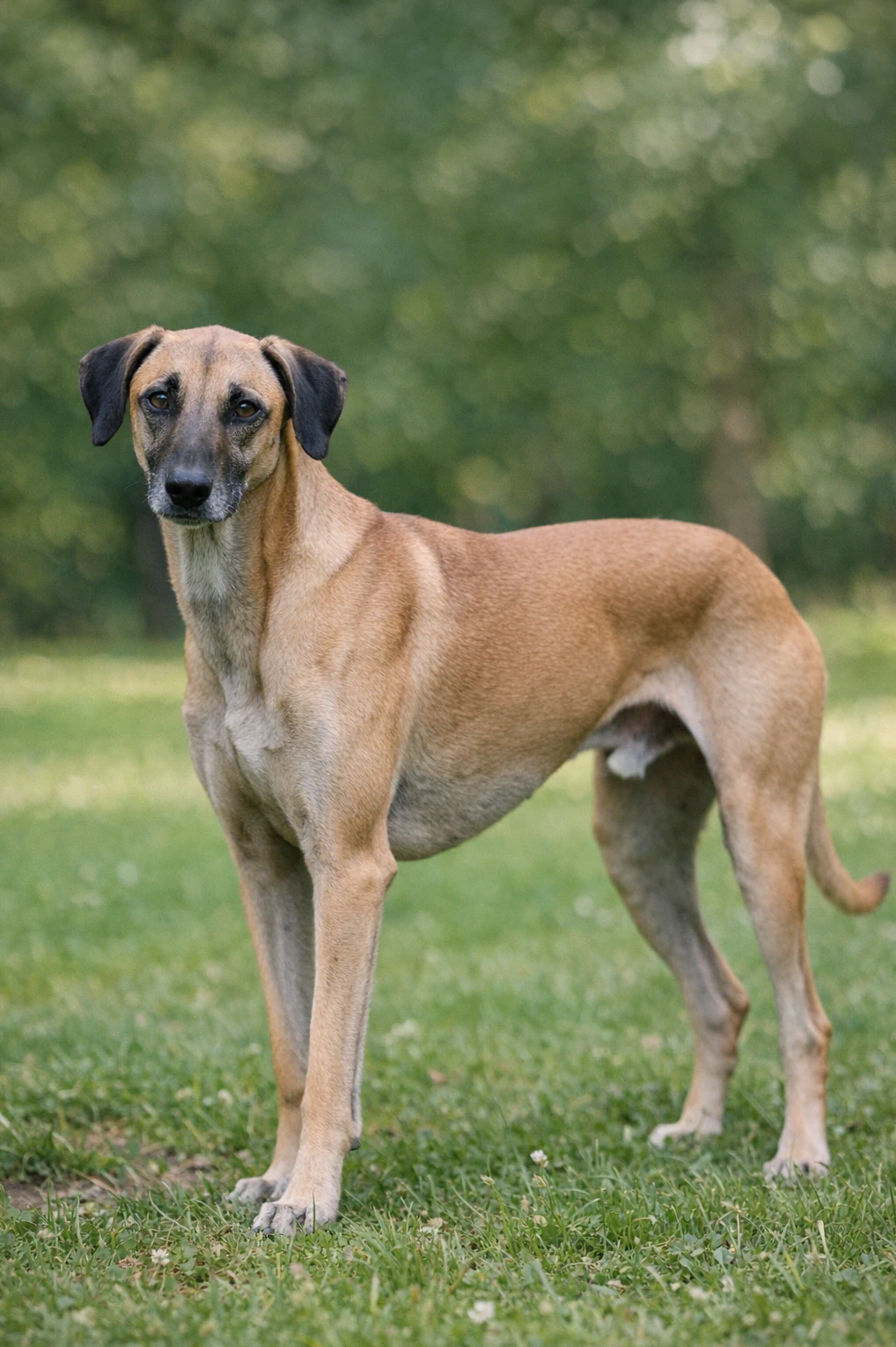
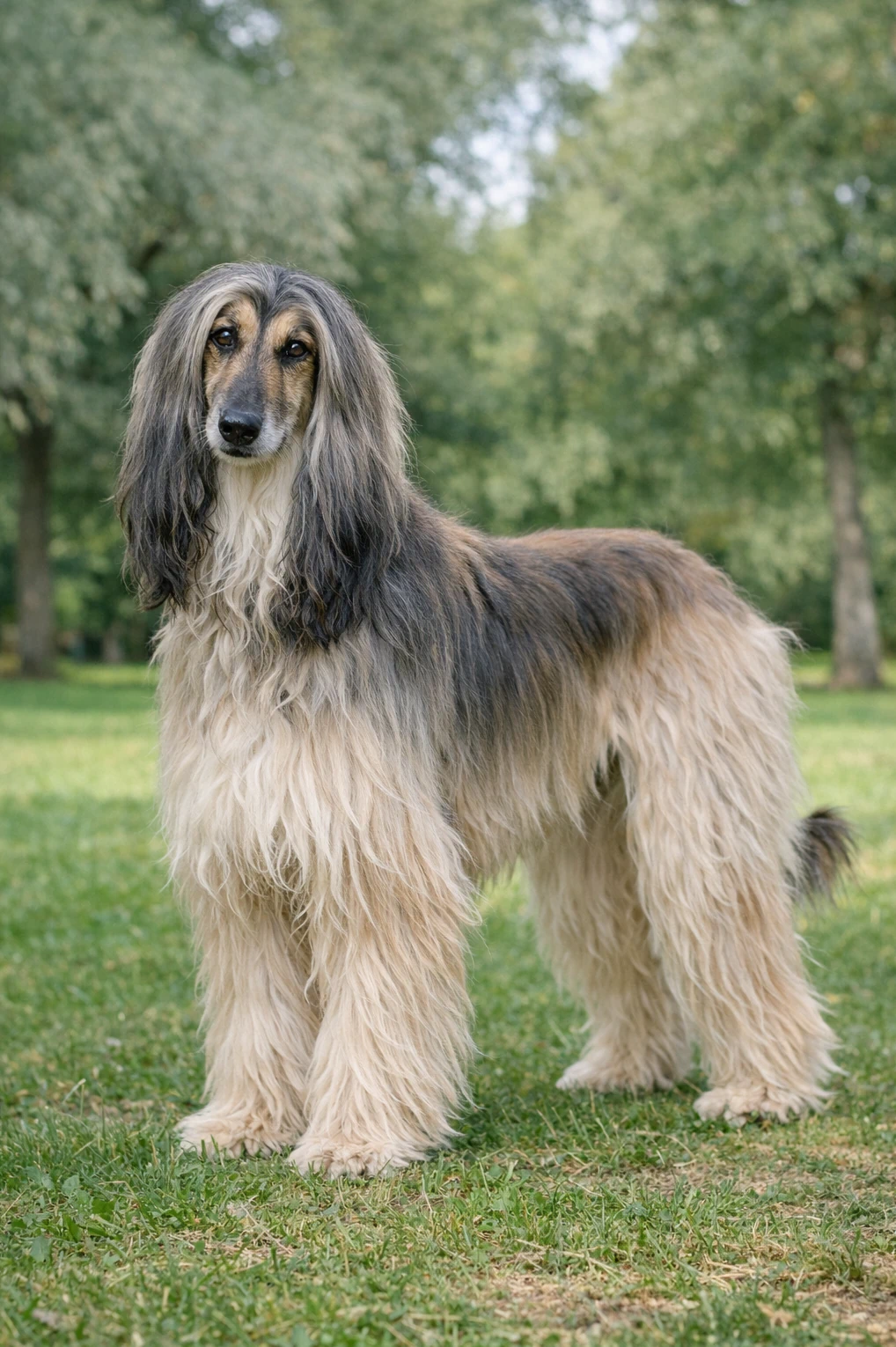
Tall, elegant hound standing 25 to 27 inches and weighing 50 to 60 pounds, graceful yet self-reliant and affectionate. Nutritional Verdict: quality protein, balanced fats, and moderate calories support lean muscle and a glossy coat.
Understanding the Afghan Hound Metabolism and Energy Needs
This elegant, aloof yet affectionate sighthound was shaped for speed and independent decision making while pursuing prey across open terrain, so its fuel needs differ from stockier companions. Lean muscle demands high quality protein to repair tissue after bursts of activity, for example poultry or fish proteins that are easy to digest. Concentrated fats supply calories without excess volume and support the silky coat, with salmon oil or other omega-3 sources easing skin health and inflammation.
Because these dogs often eat selectively, palatability matters, and small, nutrient-dense meals help maintain a trim, muscular frame. Gentle joint support like glucosamine can protect long limbs, while low to moderate complex carbohydrates such as sweet potato provide steady energy between sprints. A simple, protein-forward recipe with healthy fats and targeted supplements matches their athletic build and calm, self-reliant nature.
Managing Afghan Hound Genetic Health Risks Through Nutrition
Sensitivity to anesthesia
Helpful nutrients
Bloat (Gastric Dilatation-Volvulus)
Helpful nutrients
Maintaining healthy weight and energy for an athletic, low-fat breed
Helpful nutrients
Afghan Hound Feeding & Calorie Calculator
Estimated Daily Calories
Tip: Start with this amount and adjust after 2–3 weeks based on your dog's body condition and weight trend.
This estimate provides a starting point for feeding. Individual calorie needs may vary depending on metabolism, body condition, and health status. Always monitor your dog's weight and consult your veterinarian when adjusting diet.
Foods and Ingredients to Avoid for Afghan Hound Dogs
Because Afghan Hounds have a naturally low amount of body fat and a lean frame, rich, greasy foods and fatty table scraps can trigger sudden digestive upset and increase the risk of pancreatitis.
Pancreatitis is painful and can require urgent veterinary care.
Keep treats and meals focused on lean proteins and moderate, healthy fats to support their active lifestyle.
Track body condition and weight so you provide enough calories without overdoing fat, and check with your vet for tailored portion guidance.
Deep-chested breeds like Afghan Hounds are more prone to bloat, a life-threatening enlargement of the stomach, so feeding practices matter as much as ingredients.
Eating very large meals, gulping food quickly, or consuming highly fermentable foods can increase gas and the chance of twisting.
Avoid single oversized meals and limit foods that commonly cause gas in dogs, such as large amounts of beans or raw cruciferous vegetables.
Use smaller, more frequent meals and slow-feeders if your dog eats fast, and consult your vet about safe feeding routines.
Cooked bones and very hard chews can splinter and cause mouth injuries, intestinal perforations, or blockages, which may be especially dangerous for a deep-chested dog if emergency surgery is required.
Broken teeth and obstructions are painful and often need prompt veterinary attention.
Choose vet-approved, size-appropriate chews and supervise chewing sessions closely.
If a chew cracks into sharp pieces or becomes small enough to swallow whole, discard it and offer safer alternatives like durable rubber toys.
Some grain-free diets that rely heavily on peas, lentils, chickpeas, or other legumes have been linked to cases of diet-associated dilated cardiomyopathy in certain dogs.
Afghan Hounds are active and large enough that they need a complete amino acid profile and balanced nutrients, so diets dominated by legumes could risk taurine or other nutrient imbalances.
Avoid feeding an exclusively legume-heavy formula without veterinary guidance and cardiac screening.
Work with your vet to choose a balanced diet from reputable manufacturers and monitor heart health if you feed specialty recipes.
Several common human foods are directly toxic to dogs, including chocolate, grapes and raisins, xylitol, and allium vegetables like onions and garlic, which can cause kidney damage, low blood sugar, vomiting, or red blood cell injury.
Reactions can be severe even with relatively small amounts.
Keep these items well out of reach and educate family members about accidental feeding risks.
If ingestion occurs, contact your veterinarian or an emergency clinic right away, because timely treatment makes a big difference.
Highly processed foods, deli meats, and snacks often contain artificial preservatives, colors, and excessive salt, which can irritate sensitive digestive systems and contribute to longer term health concerns.
Too much sodium can also stress the cardiovascular system, which is important to avoid in active, larger breeds.
Favor minimally processed diets with clear ingredient lists and natural preservation when possible, and avoid salty treats like cured meats.
If your Afghan Hound has known skin, digestive, or heart sensitivities, consult your vet before introducing new foods.
How Nutritional Needs Change Throughout the Afghan Hound Life Stages
Afghan Hounds need different nutrition as they move from puppyhood to adulthood to their senior years. Their large, lanky bodies and silky coat, plus a sighthound metabolism, mean growth rate, activity level and common health tendencies shape what they need from food. Adjusting calories, protein and key nutrients through life helps them grow strong and stay graceful into old age.
| Life Stage | Age Range | Primary Objective | Key Nutrient Focus |
|---|---|---|---|
| Puppy | 0–15 months | controlled skeletal development, immune support, brain development | DHA, balanced calcium/phosphorus, high-quality protein |
| Adult | 1.5–6 years | lean muscle maintenance and sustained energy | high-quality protein, omega-3 fatty acids, fiber |
| Senior | 6+ years | joint mobility, metabolic health, and cognitive support | glucosamine, chondroitin, antioxidants, lower calories |
Afghan Hound puppies grow into long-legged, elegant adults, so their bones and joints need steady, not rushed, development. Because they are in the large size category, controlled calorie intake and a balanced calcium to phosphorus ratio support healthy skeletal growth and lower the risk of joint problems later.
Feed puppies several small meals daily while growth is most active, then move toward two meals a day by adulthood. Avoid heavy exercise right after eating and learn bloat prevention steps early, since deep-chested sighthounds can be vulnerable.
Prioritize high-quality animal protein for developing muscle, moderate fat to supply energy without excess weight, and omega-3 fatty acids for brain development and that silky coat. Include DHA, antioxidants and an appropriate mineral balance, and work with a vet to tailor portions to your pup's activity and body condition.
As adults, Afghan Hounds need to maintain lean muscle while supporting bursts of sprinting and everyday calm. High-quality animal protein helps preserve muscle mass, while moderate, steady fat provides energy without adding unnecessary bulk.
Because Afghans naturally carry low body fat, feed to maintain condition rather than chase a number on the scale, adjusting portions based on activity and seasonal changes. Two modest meals a day suit many dogs, and consistent feeding times can help reduce bloat risk.
Choose nutrient-dense food with complete amino acids, omega-3s for coat health and antioxidants for long-term wellbeing, and weigh your dog regularly to keep a graceful, athletic shape. Work with a sighthound-savvy vet when planning surgeries or special care, since Afghans have particular considerations around anesthesia.
As Afghan Hounds enter their senior years, metabolism often slows and activity may decrease, though some retain lively bursts of energy. Maintain protein to protect muscle while reducing total calories if daily activity drops.
Joint support becomes more important for long-legged seniors, so look for diets or supplements with glucosamine, chondroitin and omega-3 fatty acids to support mobility and comfort. Weight management is crucial because extra pounds stress joints and may worsen breathing and bloat risk.
Seniors may have gentler digestion and dental wear, so consider more digestible proteins, added fiber and probiotics, or softer kibble if needed. Antioxidants and vitamin support help aging cells, and regular vet checks will guide any calorie or supplement changes tailored to your Afghan Hound's health.
Kibble vs Fresh vs Raw for Afghan Hound
Different feeding models suit different lifestyles, activity levels, and health needs.
For Afghan Hounds, their lean build, independent nature, long silky coat, and bloat risk shape which diets work best.
Pros
- Convenient and easy to portion for busy owners.
- Consistent nutrition supports lean muscle and steady weight maintenance.
- Dry texture can help reduce tartar with regular chewing.
- Many formulas include joint and skin support for silky coats.
Cons
- Lower moisture content may not suit dogs needing extra hydration.
- Some brands use fillers or low-quality ingredients that lack nutrients.
- Feeding large meals of kibble in one sitting may increase bloat risk.
- Picky Afghans might refuse some dry formulas without added flavor.
Pros
- Highly palatable, helpful for picky or independent eaters.
- High moisture content supports hydration and gentle digestion.
- You can tailor calories and fats to protect lean sighthound body condition.
- Fresh ingredients often improve coat quality when balanced properly.
Cons
- More expensive and time consuming than dry food over time.
- Requires careful planning or supplements to ensure complete nutrition.
- Needs refrigeration and safe prep to prevent spoilage.
- If not balanced, weight loss or nutrient gaps can occur in lean Afghans.
Pros
- High protein and moisture can support energy and lean muscle.
- Some owners report shinier coats and improved coat condition.
- Easily adjustable fat levels to match this breed's low body fat needs.
- Minimal processing preserves natural flavors, appealing to picky Afghans.
Cons
- Higher risk of bacterial contamination without strict hygiene and handling.
- Raw bones can splinter and pose choking or intestinal dangers.
- Balancing vitamins and minerals requires careful planning or expert guidance.
- Cost and prep time are often higher than kibble options.
- Discussing raw diets with a vet is important given sighthound health sensitivities.
| Diet Type | Pros for Afghan Hound | Potential Downsides |
|---|---|---|
| High-Quality Kibble |
|
|
| Fresh Cooked Food |
|
|
| Raw Diet (BARF) |
|
|
Our Recommendation
For many Afghan owners, high-quality kibble offers convenience and reliable nutrition, while fresh cooked meals shine for picky eaters and coat health.
Raw feeding can work but needs strict hygiene and veterinary guidance, especially because of sighthound sensitivities and bloat risk.
See Also
Breeds with similar group, size, and coat characteristics