Best Dog Food for Irish Wolfhound in 2026Based on Nutritional Science
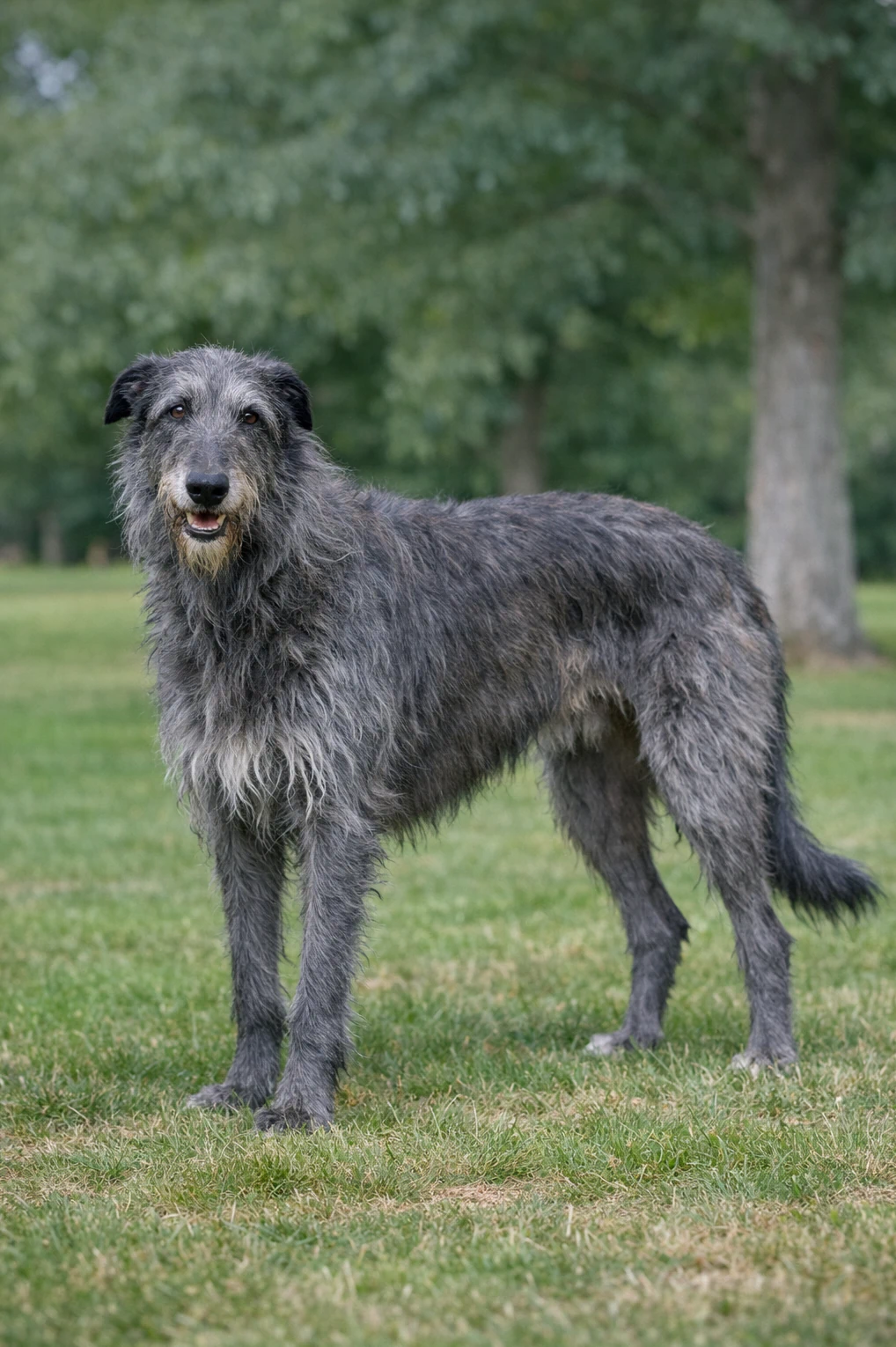
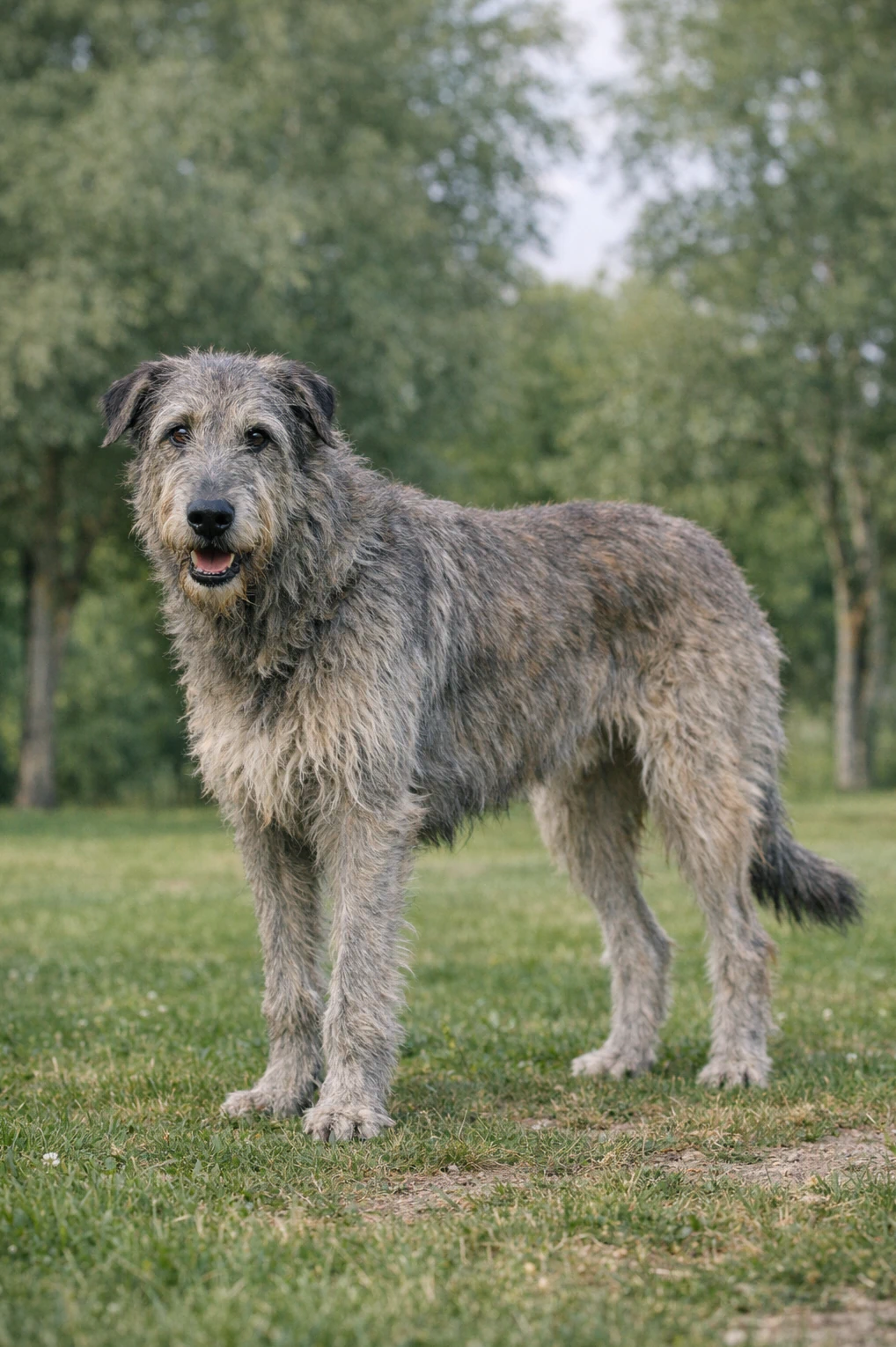
Regal, brave and gentle, the Irish Wolfhound is a giant breed standing at least 32 inches tall and about 120 pounds for males.
Nutritional Verdict: rich, balanced diets support healthy joints and steady energy.
Understanding the Irish Wolfhound Metabolism and Energy Needs
These gentle giants are regal, brave, and steady. Bred to chase and bring down large quarry, they combined powerful muscle with endurance, and their modern life is calmer but their bodies still need targeted support. High-quality protein preserves and builds the large-frame musculature, so lean animal proteins like poultry, fish, or lamb are important for strength and recovery.
Moderate fat delivers concentrated calories and keeps joints and skin supple, making omega-3 rich oils especially helpful. Controlled carbohydrates help manage body condition to protect the hips and elbows, while balanced calcium and phosphorus and supplements such as glucosamine and chondroitin support slow, steady bone and joint development. A diet formulated for large, slow-maturing dogs with measured calories and joint-support nutrients helps them stay comfortable and active for years.
Managing Irish Wolfhound Genetic Health Risks Through Nutrition
Bloat (Gastric Dilatation-Volvulus)
Helpful nutrients
Heart Disease
Helpful nutrients
Liver Shunt (Portosystemic Shunt)
Helpful nutrients
Certain Cancers
Helpful nutrients
Pneumonia and Respiratory Infections
Helpful nutrients
Weight Management / Obesity
Helpful nutrients
Irish Wolfhound Feeding & Calorie Calculator
Estimated Daily Calories
Tip: Start with this amount and adjust after 2–3 weeks based on your dog's body condition and weight trend.
This estimate provides a starting point for feeding. Individual calorie needs may vary depending on metabolism, body condition, and health status. Always monitor your dog's weight and consult your veterinarian when adjusting diet.
Foods and Ingredients to Avoid for Irish Wolfhound Dogs
Irish Wolfhounds are large, deep-chested dogs and extra body fat quickly increases strain on their joints and heart, while high-fat meals raise the risk of pancreatitis.
Rich table scraps, fatty cuts of meat, and fried human foods can contribute to sudden weight gain and digestive upset, both of which are harder for a giant breed to manage.
Stick to lean protein sources and measured portions, offer low-fat treats, and check with your vet before introducing richer foods.
Diets that rely heavily on peas, lentils, chickpeas, or other legumes and starchy pulses have been linked to heart muscle concerns in some dogs.
Because Irish Wolfhounds can be predisposed to heart disease, you should be cautious with grain-free formulas where peas or lentils appear high on the ingredient list as main protein or carbohydrate sources.
Choose vetted, large-breed formulas with clear nutrient profiles, and discuss diet choices with your veterinarian, especially if you monitor heart health with screenings.
Rapid or uneven bone growth is a real concern for giant-breed puppies, and excess calcium or unbalanced mineral supplementation can make orthopedic problems more likely.
Irish Wolfhound puppies need a carefully formulated large-breed puppy diet rather than adult or unregulated homemade recipes that add extra calcium or vitamins.
Avoid over-supplementing unless your vet recommends it, and follow breeder and veterinary guidance to support steady, healthy growth.
High salt intake can worsen blood pressure and put extra strain on the heart, which matters for a breed that may have cardiac predispositions.
Processed human snacks, cured meats, and salty table leftovers are not appropriate for Irish Wolfhounds and can lead to thirst, fluid retention, or cardiac stress over time.
Keep salty foods out of reach, offer fresh water at all times, and choose low-sodium canine diets if your vet recommends heart-conscious feeding.
Ingredients like BHA, BHT, artificial colors, and intense flavorings can trigger food sensitivities or itchy skin reactions in some dogs, and gastrointestinal upset is more difficult to manage in a giant breed.
Since maintenance of coat and skin and steady digestion matter for overall health, limiting synthetic additives helps reduce flare-ups and long-term irritation.
Opt for foods with natural preservation, simple ingredient lists, and check for any ingredient-related reactions with your veterinarian.
Cooked bones can splinter and cause choking, mouth injuries, or intestinal blockages, and very hard chews risk broken teeth.
For a large dog like an Irish Wolfhound, complications from obstructions or dental fractures can be serious and may require emergency surgery.
Avoid giving cooked bones and supervise chew time, choosing vet-approved, appropriately sized chews and toys made for giant breeds instead.
How Nutritional Needs Change Throughout the Irish Wolfhound Life Stages
Dogs need different nutrition across puppyhood, adulthood, and senior years, and Irish Wolfhounds are no exception. As a giant sighthound with rapid early growth and a dignified, calm temperament, their needs are shaped by growth rate, activity level, and breed health tendencies like bloat and heart issues. Tailoring diet by life stage helps support bones, muscle, and long-term health.
| Life Stage | Age Range | Primary Objective | Key Nutrient Focus |
|---|---|---|---|
| Puppy | 0–18 months | controlled skeletal development, immune support, brain development | DHA, balanced calcium/phosphorus, high-quality protein |
| Adult | 1.5–5 years | lean muscle maintenance and sustained energy | high-quality protein, omega-3 fatty acids, fiber |
| Senior | 5+ years | joint mobility, metabolic health, and cognitive support | glucosamine, chondroitin, antioxidants, lower calories |
Irish Wolfhound puppies grow very quickly, as is typical for giant breeds, so their skeletal system needs careful support to avoid orthopedic problems. Controlled caloric intake helps steady growth, while the correct calcium to phosphorus balance is essential, avoid extra calcium supplements unless your veterinarian recommends them. High quality protein supports muscle development, and DHA helps brain and vision growth.
Feed pups several small meals a day, generally three to four until about six months, then transition to two meals, this helps steady digestion and lowers the risk of bloat. Offer a large-breed puppy formula that supports slower, steady growth and includes glucosamine precursors for joints. Keep vigorous exercise limited after meals, monitor weight, and stay in touch with your veterinarian if you notice rapid growth or digestive concerns.
As adults, Irish Wolfhounds need nutrition that maintains lean muscle and steady energy without promoting excess weight. Choose a diet with high quality animal protein and moderate fat, this supports muscle mass while keeping calories appropriate for their dignified, generally calm activity level. Include omega-3 fatty acids to support joint and heart health, and a balanced large-breed adult formula helps manage slower, steady metabolism.
Feed two measured meals daily and avoid long gaps between food and vigorous activity to reduce bloat risk. Regular weight checks and portion control are important, since obesity strains joints in a giant frame. Work with your veterinarian to adjust calories for activity, and consider periodic cardiac screening given breed predispositions.
Senior Irish Wolfhounds often show changes in metabolism, mobility, and digestion earlier than smaller breeds, commonly around six to eight years of age. Energy needs typically decline, so reducing calories slightly while keeping high quality protein helps preserve lean muscle. Increased joint support from omega-3s, glucosamine and chondroitin can help mobility, and antioxidants like vitamin E and selenium support cellular health.
Consider a senior or senior-large formula that is more digestible and lower in calories but nutrient dense, feed smaller, more frequent meals if digestion slows, and monitor both weight loss and unexplained weight gain. Maintain regular veterinary checks including cardiac screening, since weight changes can signal underlying conditions common in the breed.
Kibble vs Fresh vs Raw for Irish Wolfhound
Different feeding models suit different lifestyles, budgets, and health needs. For an Irish Wolfhound, size and bloat risk make some choices more suitable than others.
Pros
- Convenient and easy to portion for a very large daily calorie requirement.
- Large-breed formulas help control growth and support joint health.
- Dry kibble stores well and is generally more economical for giants.
- Consistent nutrient profiles make vet monitoring simpler over time.
Cons
- Lower moisture content may increase hydration needs in calm dogs.
- Poor-quality brands can include fillers that add empty calories.
- Feeding one large meal can increase bloat risk in deep-chested dogs.
- Less flexibility for dogs with specific medical or digestive needs.
Pros
- Highly palatable, which can appeal to a dignified appetite.
- Higher moisture supports hydration and gentler digestion than dry food.
- You control ingredient quality and can tailor portions for a large frame.
- Easier to adjust calories for weight and joint management.
Cons
- Requires careful recipes to ensure complete nutrition for giant breeds.
- More time consuming and often more expensive than kibble.
- Needs refrigeration and reliable meal planning to serve consistently.
- Single large portions without timing precautions can elevate bloat risk.
Pros
- High-quality proteins can support lean muscle in a large dog.
- Some owners see improved coat condition and steady energy levels.
- Can be portioned to encourage slow, steady growth in puppies.
- Minimally processed ingredients may help dogs with certain sensitivities.
Cons
- Higher bacterial risk demands strict hygiene and careful handling.
- Raw bones increase choking and tooth fracture risk in large breeds.
- Balancing vitamins and minerals correctly is challenging for giants.
- Veterinary guidance is essential to avoid deficiencies or excesses.
| Diet Type | Pros for Irish Wolfhound | Potential Downsides |
|---|---|---|
| High-Quality Kibble |
|
|
| Fresh Cooked Food |
|
|
| Raw Diet (BARF) |
|
|
Our Recommendation
For many Irish Wolfhound families, a high-quality large-breed kibble serves as a practical, nutritionally balanced base.
Fresh cooked meals can be excellent when recipes are complete, and raw diets require strict hygiene and veterinary oversight, while all options should include feeding strategies that reduce bloat risk.
See Also
Breeds with similar group, size, and coat characteristics