Best Dog Food for Rottweiler in 2026Based on Nutritional Science
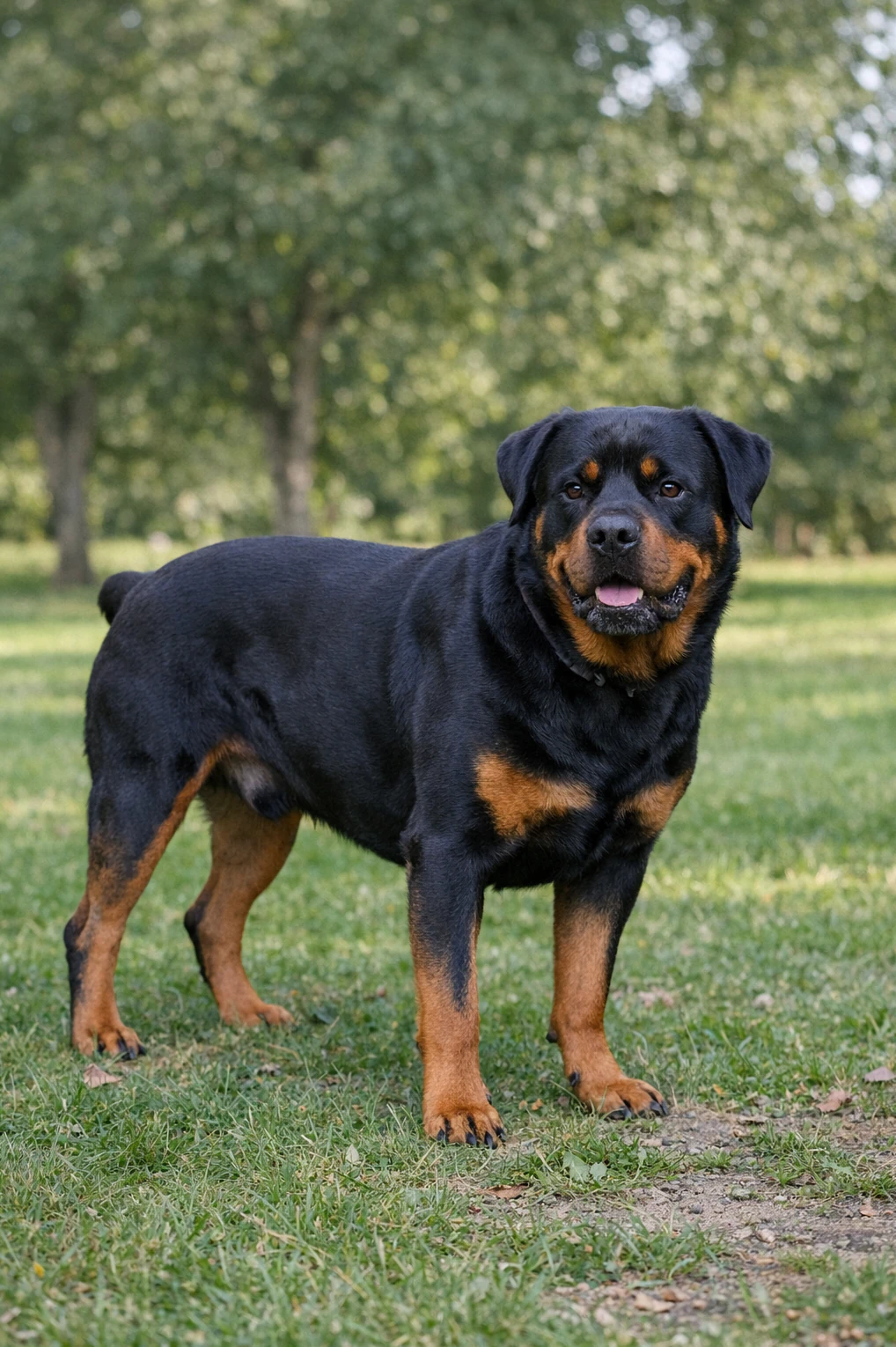
A big, muscular companion about 24 to 27 inches tall and 95 to 135 pounds, devoted, affectionate, and a self-assured protector. Nutritional verdict: high-quality protein, joint support, and calorie balance.
Understanding the Rottweiler Metabolism and Energy Needs
Rottweilers are big, muscular dogs bred for heavy tasks and protecting people, so their bodies need steady support for strong muscles and joint health. That history means higher quality protein is key, helping maintain lean mass during work and play.
Moderate fats give long-lasting energy and keep skin and coat healthy, particularly omega-3 fats which also manage inflammation in aging hips and elbows. Carbohydrates should be limited and focused on fiber-rich sources to prevent excess weight and provide slow-release fuel for calm, focused activity.
Because their frame stresses joints, supplements like glucosamine and chondroitin, plus EPA/DHA, are often helpful to protect cartilage and reduce soreness. Antioxidants and balanced minerals support immune resilience and healthy metabolism so these devoted protectors stay fit and alert.
Managing Rottweiler Genetic Health Risks Through Nutrition
Hip Dysplasia
Helpful nutrients
Eye Diseases
Helpful nutrients
Heart Conditions
Helpful nutrients
Cancer
Helpful nutrients
Obesity
Helpful nutrients
Rottweiler Feeding & Calorie Calculator
Estimated Daily Calories
Tip: Start with this amount and adjust after 2–3 weeks based on your dog's body condition and weight trend.
This estimate provides a starting point for feeding. Individual calorie needs may vary depending on metabolism, body condition, and health status. Always monitor your dog's weight and consult your veterinarian when adjusting diet.
Foods and Ingredients to Avoid for Rottweiler Dogs
Rottweilers are big, powerful dogs that can easily gain weight if their calorie intake is not watched, and excess fat in the diet raises the risk of pancreatitis and obesity that worsen joint stress.
Keeping fats balanced and choosing lean protein sources helps protect hips and knees as they carry around 95 to 135 pounds.
Avoid table scraps, fatty treats, and rich human foods, and work with your vet to set an appropriate daily calorie allowance.
Large breed puppies like Rottweilers are sensitive to excess calcium and overly rich formulas that speed bone growth, increasing the chance of hip dysplasia and other developmental orthopedic issues.
Feeding a diet formulated for large breed puppies helps control growth rate and provides the right balance of calcium, phosphorus, and calories.
Always use vet-approved puppy diets and avoid supplementing calcium unless your veterinarian specifically recommends it.
Diets that replace grains with high amounts of peas, lentils, or potatoes have been linked to heart problems in some dogs, and Rottweilers can be prone to heart conditions.
Overreliance on these ingredients may disrupt nutrient balance important for heart health, especially in an already large and muscular breed.
If you prefer grain-free options, choose formulas with a variety of quality protein and consult your veterinarian about cardiac-safe ingredients.
Raw diets and whole raw bones can carry bacteria like Salmonella and E coli that affect dogs and people in the household, and large chews or cooked bones can splinter, causing dental damage or intestinal blockages.
Rottweilers have strong jaws that can fracture teeth on very hard bones, leading to expensive dental work.
Discuss raw feeding with your veterinarian and consider commercially balanced, safely processed options if you want to avoid those risks.
Because Rottweilers can be affected by heart conditions, keeping sodium intake modest is wise to reduce strain on the cardiovascular system and avoid excessive thirst or fluid retention.
Salty human snacks, cured meats, and fast food can push sodium levels too high for a large dog, especially if they already have a heart or kidney concern.
Stick to low-sodium dog foods and vet-approved treats to protect long term heart health.
Some human foods are directly toxic to dogs, and Rottweilers are no exception, so avoid onions and garlic that can cause red blood cell damage, chocolate that affects the heart and nervous system, and xylitol that can trigger dangerous low blood sugar.
These items can cause severe illness requiring urgent veterinary care.
Keep all toxic foods well out of reach and teach family and guests what not to share with your furry family member.
How Nutritional Needs Change Throughout the Rottweiler Life Stages
Dogs need different nutrition at puppyhood, adulthood, and senior years, and Rottweilers are no exception. Their growth rate, activity level and common health tendencies shape those needs. As a large, confident guardian breed, Rottweilers grow quickly but mature slowly, and they have predispositions like hip and joint concerns plus certain heart and eye issues. Tailoring food across life stages helps keep them strong and healthy.
| Life Stage | Age Range | Primary Objective | Key Nutrient Focus |
|---|---|---|---|
| Puppy | 0–18 months | controlled skeletal development, immune support, brain development | DHA, balanced calcium/phosphorus, high-quality protein |
| Adult | 1.5–5 years | lean muscle maintenance and sustained energy | high-quality protein, omega-3 fatty acids, fiber |
| Senior | 5+ years | joint mobility, metabolic health, and cognitive support | glucosamine, chondroitin, antioxidants, lower calories |
Rottweiler puppies experience rapid weight and muscle gains yet they continue to mature for up to 18 to 24 months, so controlled growth is crucial to protect developing joints and the skeleton. Because they are a powerful, active giant breed with a predisposition to hip dysplasia and other orthopedic issues, calorie intake should promote steady rather than explosive growth and large-breed puppy formulas are a good choice.
Feed younger puppies three to four small meals daily, moving to two meals by about six to twelve months depending on growth and vet advice. Focus on high quality protein to build muscle, balanced calcium and phosphorus for bone development, and nutrients like DHA for brain and vision; include moderate fat for energy and consider early joint-support ingredients like glucosamine under your veterinarian’s guidance.
Adult Rottweilers need nutrition that supports strong muscles, steady energy and joint health without encouraging excess weight. As a large, muscular guardian breed that remains moderately active, they do well on diets with high quality animal protein and moderate fat, adjusted to match whether they work, train, or live a more relaxed family life.
Aim for consistent feeding times and measured portions to maintain a lean body condition, since extra pounds strain hips and hearts and can aggravate genetic joint risks. Include omega-3 fatty acids to help inflammation, antioxidants to support immune health, and consider controlled calories with added joint-support nutrients as recommended by your veterinarian.
Senior Rottweilers often show slower metabolism, reduced activity and early signs of joint stiffness as they age, so calorie needs commonly decline while protein requirements stay important to preserve muscle. Many large breeds also face digestion changes and dental wear, so softer textures or kibble that rehydrates can help, and fiber may aid regularity.
Prioritize high quality, slightly lower calorie diets with ample digestible protein, added omega-3s and joint-support nutrients like glucosamine and chondroitin to protect mobility. Antioxidants such as vitamins C and E and controlled body weight can support immune health and may help lower the risk of chronic disease, so work with your veterinarian to tailor portions and supplements.
Kibble vs Fresh vs Raw for Rottweiler
Different feeding models suit different lifestyles, activity levels, and health tendencies. For a Rottweiler, choices should account for joint support, controlled calories, and immune health.
Pros
- Convenient and easy to portion for busy owners.
- Formulas often include joint support for large-breed needs.
- Consistent nutrient profile helps manage weight in muscular Rottweilers.
- Shelf-stable and simple to store for active households.
Cons
- Lower moisture content may not suit dogs that need extra hydration.
- Some brands use fillers that can contribute to excess weight.
- Quality varies widely, requiring careful label reading.
- May not address all dental concerns despite chewing action.
Pros
- Highly palatable and often welcomed by picky Rottweilers.
- High moisture supports digestion and hydration.
- You control ingredients to focus on joint and heart health.
- Easier to avoid common food sensitivities and additives.
Cons
- Requires careful planning to ensure balanced calcium and nutrients.
- More time and money intensive than kibble.
- Needs refrigeration and consistent meal prep.
- Mistakes in recipes can harm growing large-breed puppies.
Pros
- High protein content supports lean muscle and energy.
- Some owners report improved coat and vitality.
- May appeal to a Rottweiler's natural appetite.
- Can be tailored to specific ingredient sensitivities.
Cons
- Higher bacterial contamination risk requires strict hygiene.
- Can be unbalanced without careful supplementation.
- Raw bones carry choking or fracture risks for any dog.
- Not ideal for households with young children or immunocompromised people.
| Diet Type | Pros for Rottweiler | Potential Downsides |
|---|---|---|
| High-Quality Kibble |
|
|
| Fresh Cooked Food |
|
|
| Raw Diet (BARF) |
|
|
Our Recommendation
For most Rottweilers, a high-quality large-breed kibble or a veterinarian-designed fresh cooked plan is a practical starting point.
Raw diets can work for experienced owners under veterinary guidance, but they carry more risk and require diligent handling.
Regular monitoring of weight, joints, and overall health will keep your Rottweiler thriving.
See Also
Breeds with similar group, size, and coat characteristics