Best Dog Food for Romanian Carpathian Shepherd in 2026Based on Nutritional Science
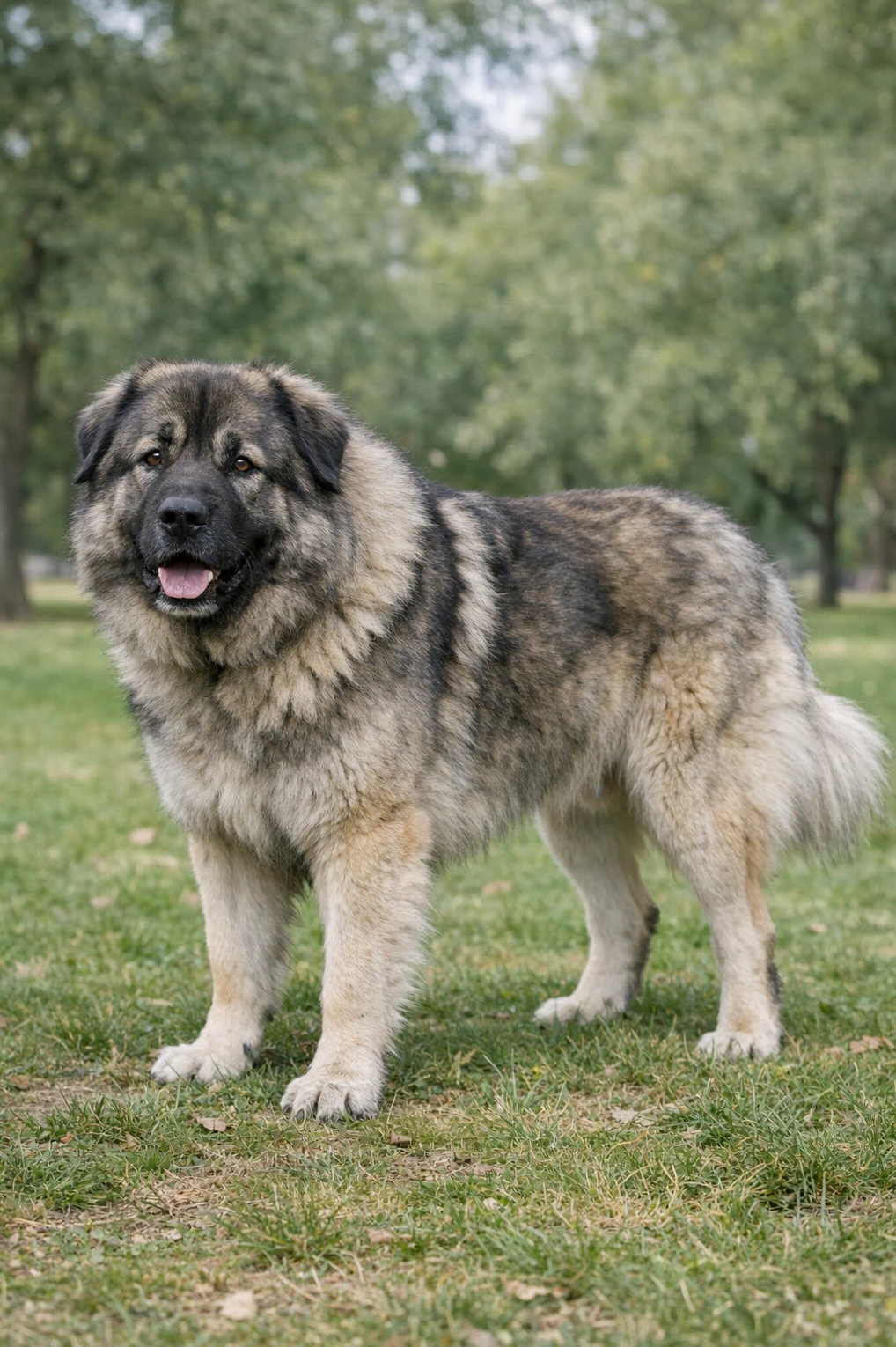
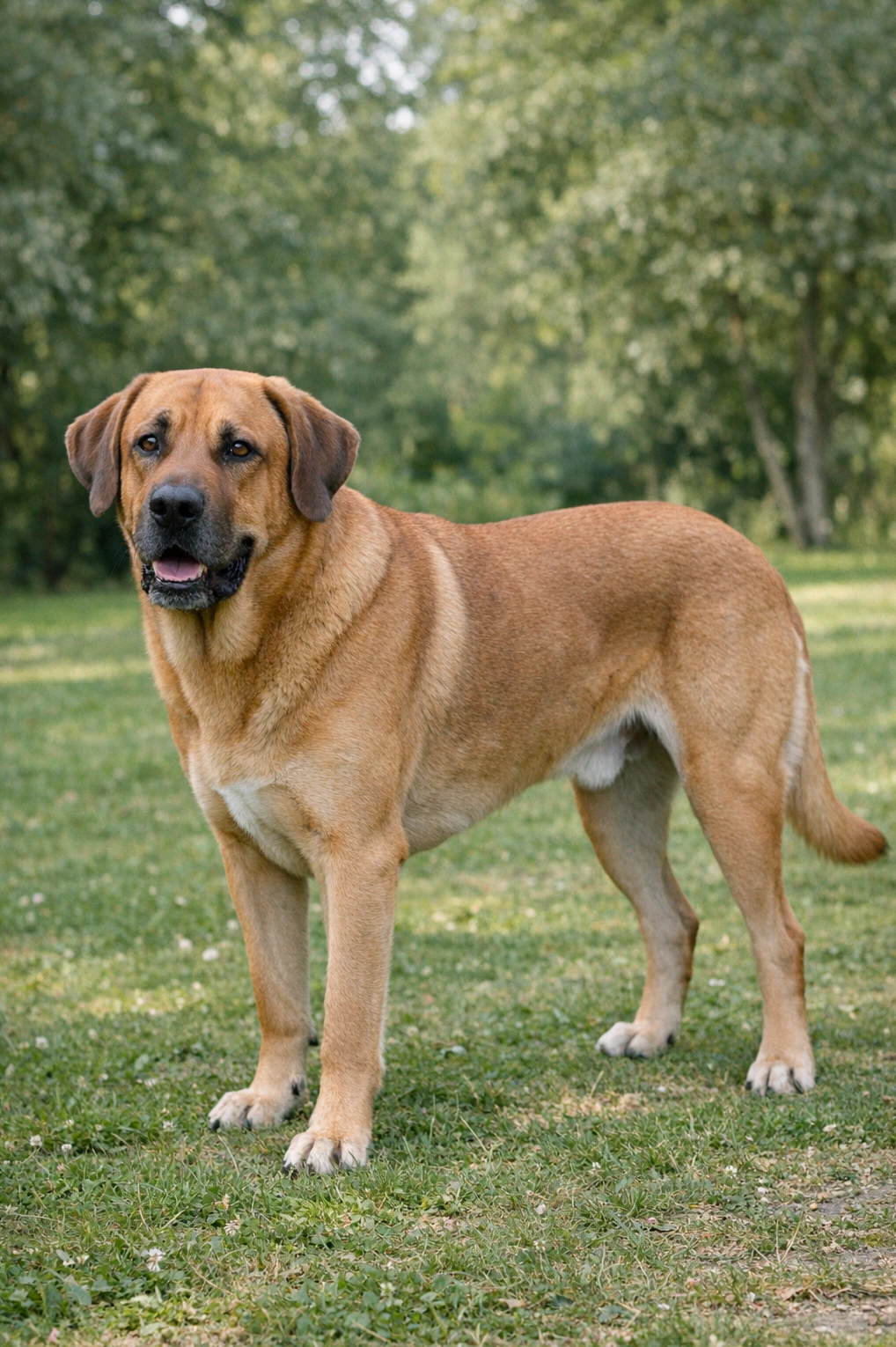
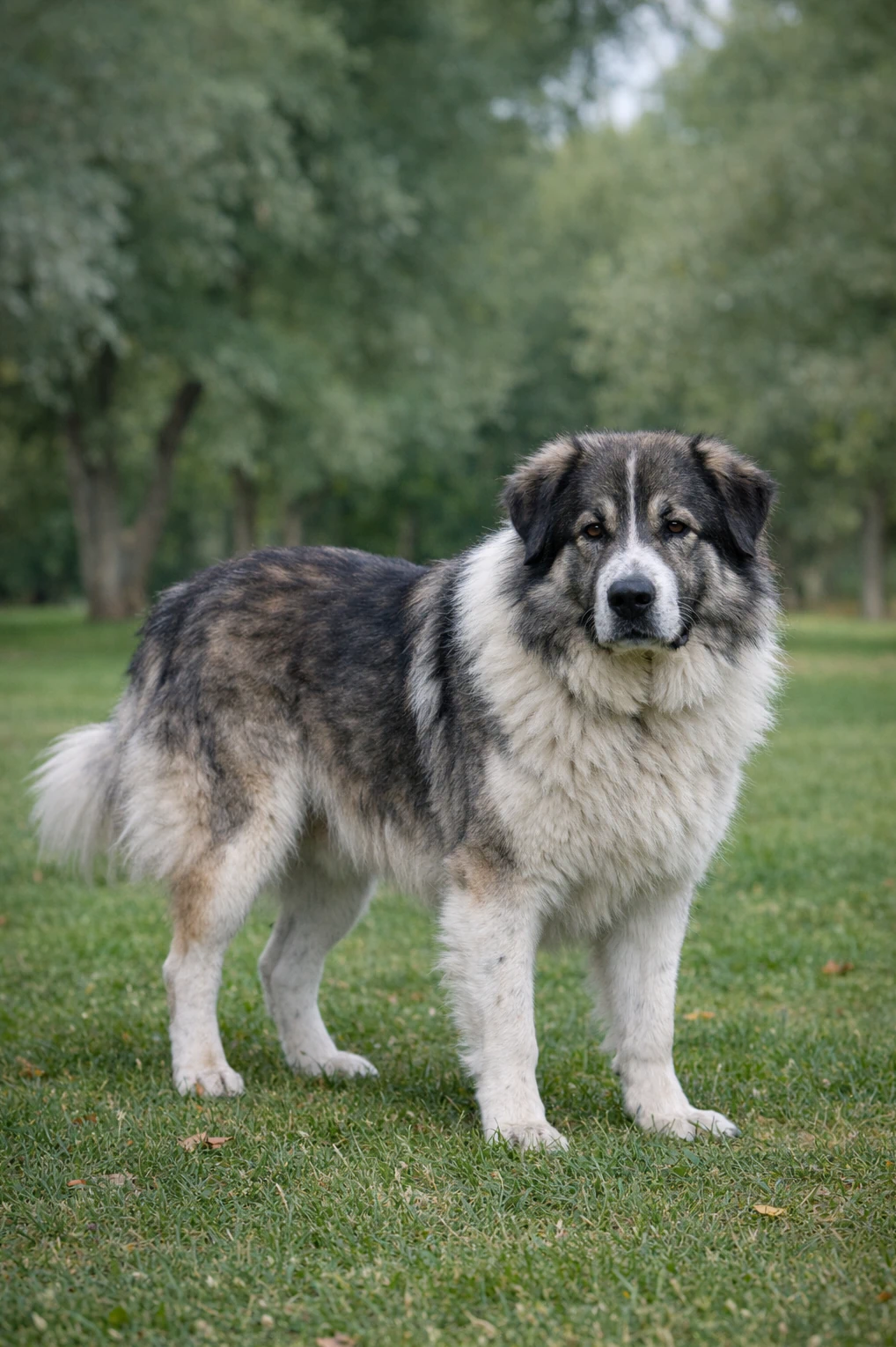
Large Romanian Carpathian Shepherd males stand 26 to 29 inches and weigh 70 to 100 lbs. Steadfast and courageous, they need a balanced, protein-rich diet with joint support. Nutritional verdict: robust fuel.
Understanding the Romanian Carpathian Shepherd Metabolism and Energy Needs
This mountain guardian was bred to watch flocks across rugged terrain, so their bodies need steady power and resilient joints. Their work required long stretches of slow movement with occasional explosive effort, so diets should emphasize high quality protein to maintain lean mass, and richer fats to provide sustained energy and warmth in cold conditions.
Complex carbohydrates from vegetables and whole grains give slow-release fuel and support gut stability, while fiber helps prevent digestive upsets when routines change. Because of a heavy frame and frequent rough footing, joint-focused supplements like glucosamine and chondroitin, plus proper calcium to phosphorus balance, protect long-term mobility.
Omega fatty acids and antioxidants support skin, thick coat, and recovery, and probiotics can steady digestion during diet shifts. Tailoring calories to activity, with somewhat higher protein and moderate fat, reflects their working origins and keeps them fit and satisfied.
Managing Romanian Carpathian Shepherd Genetic Health Risks Through Nutrition
Obesity
Helpful nutrients
Joint stress and age-related stiffness
Helpful nutrients
Growth-related orthopedic problems in puppies
Helpful nutrients
Nutritional imbalance from homemade or traditional diets
Helpful nutrients
Digestive upset from diet changes or rich foods
Helpful nutrients
Romanian Carpathian Shepherd Feeding & Calorie Calculator
Estimated Daily Calories
Tip: Start with this amount and adjust after 2–3 weeks based on your dog's body condition and weight trend.
This estimate provides a starting point for feeding. Individual calorie needs may vary depending on metabolism, body condition, and health status. Always monitor your dog's weight and consult your veterinarian when adjusting diet.
Foods and Ingredients to Avoid for Romanian Carpathian Shepherd Dogs
Although Romanian Carpathian Shepherds naturally eat less than you might expect, feeding them high-fat table scraps or fatty commercial treats can lead to rapid weight gain and stress on their large joints.
Excess fat can also trigger pancreatitis in susceptible dogs, which is a serious and painful condition that requires veterinary care.
Keeping fats moderate, choosing lean proteins, and limiting rich human foods helps protect their musculoskeletal health and keeps their weight in a comfortable range for a working guardian breed.
These dogs tend to stop eating when full, so encouraging them to clean their bowl or routinely offering oversized portions can quickly lead to obesity and extra strain on hips and elbows.
Extra weight increases the risk of joint problems and reduces the endurance they need for guarding tasks and outdoor life.
Feed measured meals based on a vet’s recommendation for a large breed, respect their natural appetite cues, and avoid topping up bowls to prevent slow weight creep.
Cooked bones can splinter into sharp fragments that cause choking, mouth injury, or gastrointestinal perforation, which can be life threatening.
Small hard bones may also break teeth, and large-breed dogs can fracture a tooth with brittle or inappropriate chews.
Offer safe, size-appropriate chews and avoid giving cooked bones under any circumstances to protect their mouth and digestive tract.
While this breed may historically eat raw meat, raw or home-prepared raw diets can carry harmful bacteria and parasites that put both dog and household at risk.
Raw feeding also risks nutritional imbalance unless carefully formulated by a qualified professional, which is especially important for large-breed dogs with specific growth needs.
If you choose a raw diet, work closely with your veterinarian or a veterinary nutritionist to ensure safety and balanced nutrition for adult dogs and growing puppies.
Large-breed puppies like Romanian Carpathian Shepherds need controlled calcium and balanced energy to grow properly, and excess calcium or indiscriminate supplementation can contribute to developmental orthopedic issues.
Over-supplementing vitamins or minerals because of worry can accidentally create imbalances that harm normal bone development.
Use a veterinary-recommended large-breed puppy formula and consult your vet before adding supplements so growth remains steady and joints develop correctly.
Some grain-free commercial diets rely heavily on peas, lentils, or other legumes as main ingredients, and these formulas have been linked to cases of dilated cardiomyopathy in certain dogs.
Large breeds can be particularly vulnerable to heart health problems, so avoiding diets that concentrate those ingredients without veterinary guidance is wise.
Choose balanced diets from reputable manufacturers, and discuss diet histories with your vet if you notice fatigue, coughing, or exercise intolerance that could suggest heart concerns.
How Nutritional Needs Change Throughout the Romanian Carpathian Shepherd Life Stages
Dogs have different nutritional needs at puppyhood, adulthood, and in their senior years, and the Romanian Carpathian Shepherd is no exception. This giant, loyal guardian grows steadily and its diet should reflect growth rate, activity level and common health tendencies. Breed size, natural appetite control and tendency to stop eating when full are key factors when planning food amounts and nutrients.
| Life Stage | Age Range | Primary Objective | Key Nutrient Focus |
|---|---|---|---|
| Puppy | 0–18 months | controlled skeletal development, immune support, brain development | DHA, balanced calcium/phosphorus, high-quality protein |
| Adult | 1.5–5 years | lean muscle maintenance and sustained energy | high-quality protein, omega-3 fatty acids, fiber |
| Senior | 5+ years | joint mobility, metabolic health, and cognitive support | glucosamine, chondroitin, antioxidants, lower calories |
Romanian Carpathian Shepherd puppies grow into a true giant, but their growth should be steady rather than rushed to protect developing joints and bones. Controlled calories and a balanced calcium to phosphorus ratio are important, and high quality protein supports muscle and skeletal development while omega-3 fatty acids help brain and coat health.
Young pups typically do best with three to four small meals daily when very young, moving to two to three meals as they approach adolescence. Keep in mind this breed often self-regulates intake and will stop eating when full, so avoid insisting on extra portions, and monitor weight and body condition to prevent the long term problems that come from overfeeding.
Adult Romanian Carpathian Shepherds need a diet that maintains lean muscle and steady energy without promoting excess weight, since many in the breed naturally eat less than expected. Aim for high quality protein to support muscle mass and moderate fat for energy, with carbohydrates and fiber chosen for digestibility. Two main meals a day generally works well to keep appetite stable and reduce the chance of digestive upset.
Adjust calorie intake and activity to the dog's lifestyle, giving more energy to working or highly active guardians and trimming portions for couch companions. Regular body condition checks are important, and a diet with joint-friendly nutrients such as omega-3 fatty acids can be helpful from adulthood onward, especially for a large, active dog.
As Romanian Carpathian Shepherds enter their senior years their metabolism often slows and mobility can become more of a concern for a giant breed. Keeping adequate, high quality protein helps preserve muscle while reducing overall calories may be necessary to prevent weight gain that stresses joints. Easier to digest diets, moist or softened food and more frequent smaller meals can support aging digestion and appetite.
Focus on joint support through omega-3 fatty acids and, when appropriate, supplements such as glucosamine and chondroitin, along with antioxidants like vitamins E and C to support cellular health. Continue to respect the breed's natural tendency to stop eating when satisfied, and check weight and mobility regularly so portion size and nutrient levels can be adjusted gently as needs change.
Kibble vs Fresh vs Raw for Romanian Carpathian Shepherd
Different feeding models suit different lifestyles and dog needs. For a Romanian Carpathian Shepherd, appetite, large size, and natural hardiness shape the best choice.
Pros
- Convenient and easy to portion for busy guardians.
- Formulated to meet large-breed nutrient needs and maintain healthy weight.
- Dry texture helps reduce tartar with regular feeding.
- Long shelf life works well for owners who store large bags.
Cons
- Because this breed often eats less, high-calorie kibble can cause gradual weight gain.
- Lower moisture content may require adding water for hydration.
- Quality varies, so choose formulas without fillers or unnecessary additives.
- Some dogs may inhale food quickly, needing slower-feeding bowls or supervision.
Pros
- Highly palatable for picky eaters, encouraging regular meals.
- High moisture supports hydration and gentle digestion.
- Full control over ingredient quality and portion sizes.
- Easier to adjust calories to maintain a lean body condition.
Cons
- Requires careful planning to ensure balanced large-breed nutrition.
- More time and cost intensive than kibble for large dogs.
- Needs refrigeration and safe handling to avoid spoilage.
Pros
- High protein and minimal processing can appeal to natural instincts.
- Some owners report shinier coats and robust energy levels.
- Easy to tailor recipes for the breed's size and activity.
Cons
- Strict hygiene is essential to prevent bacterial risks to dog and family.
- Balancing minerals and calcium is tricky without veterinary guidance.
- Raw bones can splinter, posing choking or dental risks.
- Portioning mistakes for this breed may lead to unwanted weight changes.
| Diet Type | Pros for Romanian Carpathian Shepherd | Potential Downsides |
|---|---|---|
| High-Quality Kibble |
|
|
| Fresh Cooked Food |
|
|
| Raw Diet (BARF) |
|
|
Our Recommendation
Many owners find high-quality kibble offers the best balance of convenience and controlled calories for Romanian Carpathian Shepherds.
Fresh cooked diets work well for those who want close portion control, while raw diets can be suitable only with professional guidance and strict hygiene.
See Also
Breeds with similar group, size, and coat characteristics