Best Dog Food for Porcelaine in 2026Based on Nutritional Science
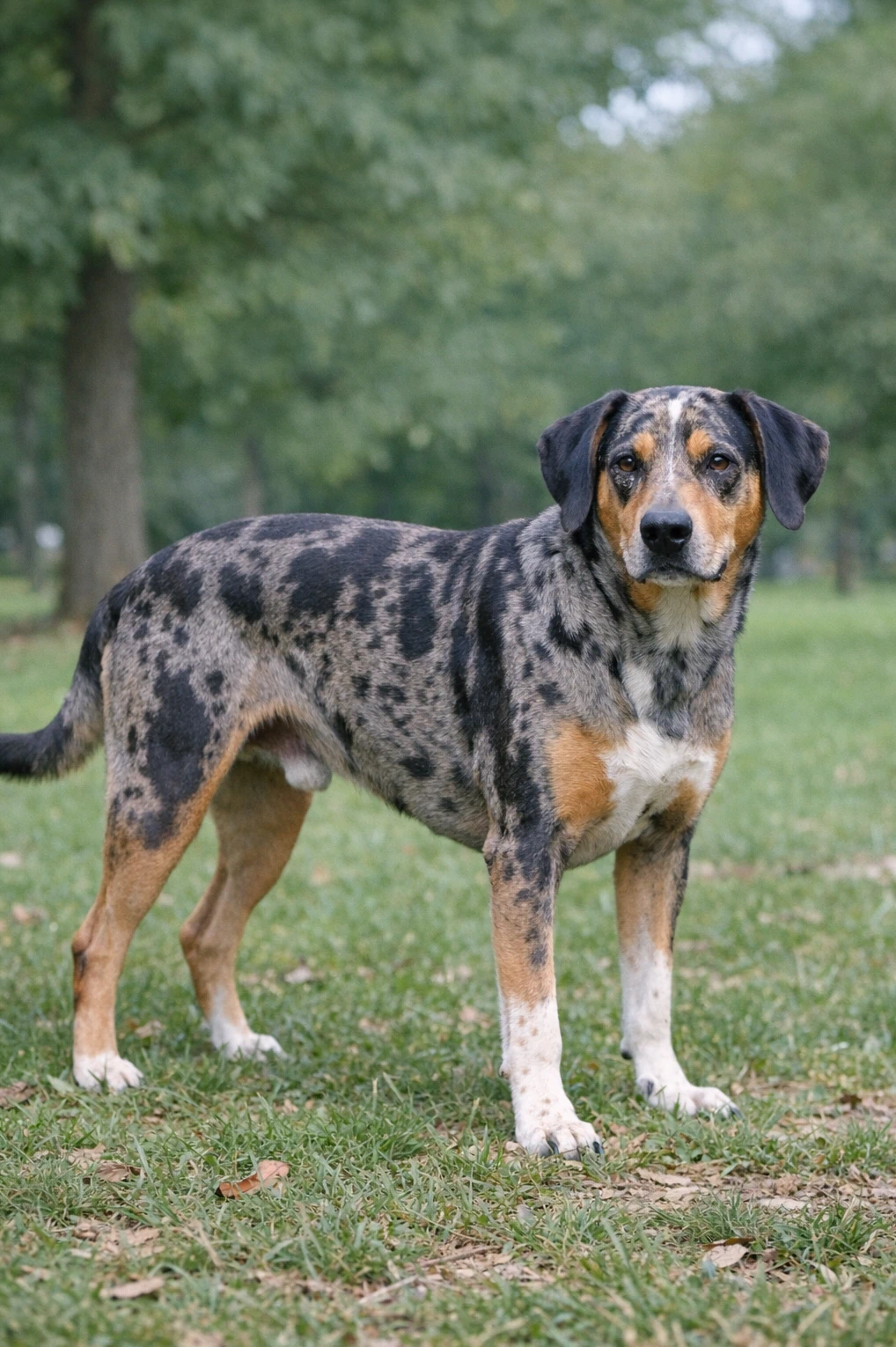
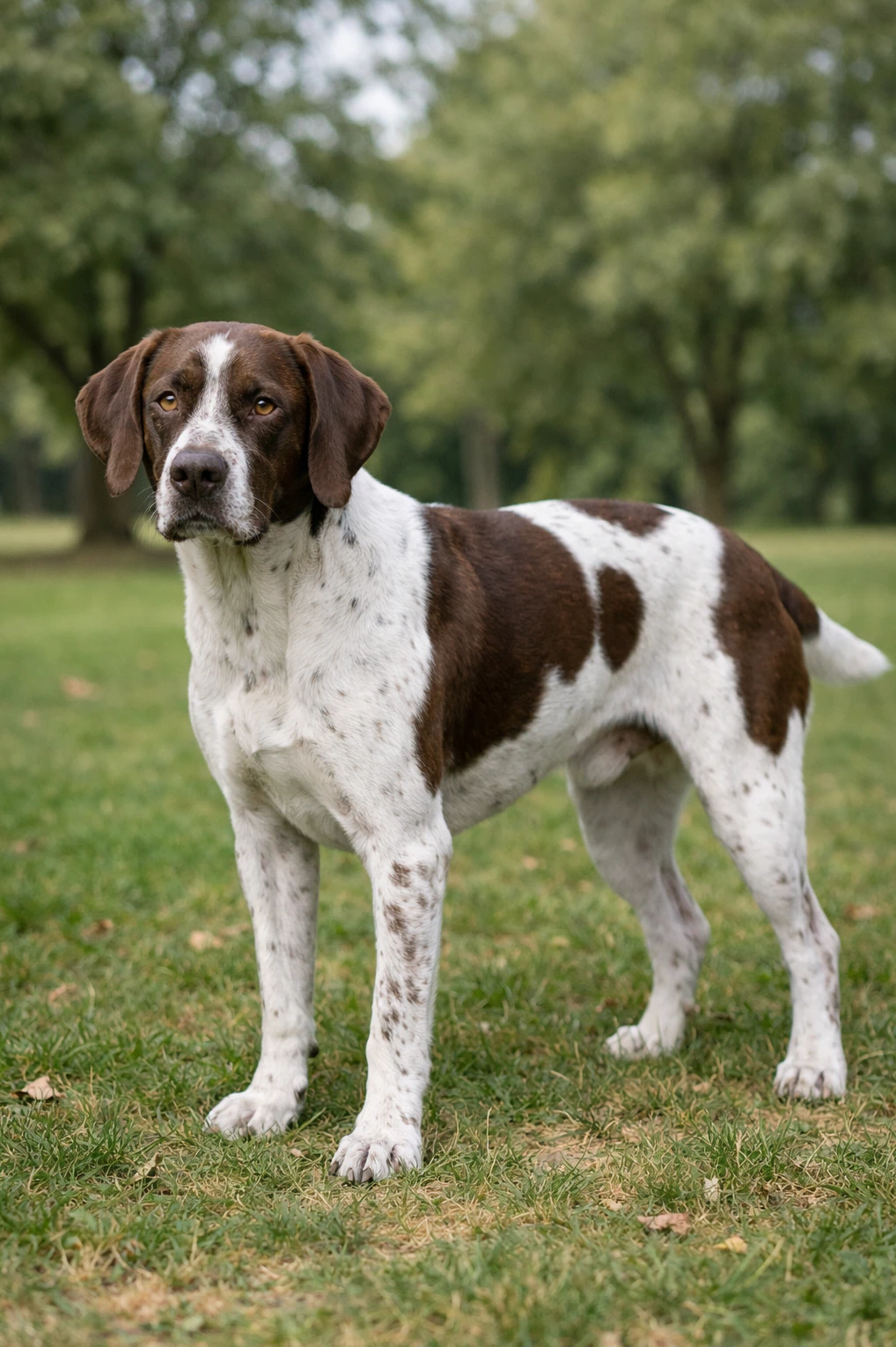
Porcelaine is a medium-sized hound, about 22–23 inches tall and 55–62 pounds. Self-reliant, spirited, and sturdy. Nutritional verdict: high-quality protein and balanced fats support activity and lean muscle with joint-support options.

Understanding the Porcelaine Metabolism and Energy Needs
This dog comes from scenting lines that traveled long distances and often worked on their own, so both mind and body need steady fuel and quick recovery. A higher portion of premium animal protein supports strong muscles and helps rebuild tissue after long outings, while concentrated, easily digested fats offer lasting energy without relying on heavy starches. Adding oily fish or fish oil supplies EPA and DHA to ease joint stress, and B vitamins help sustain a fast metabolism.
Because these companions are driven and active, calorie-dense meals prevent unintended weight loss during busy periods, and gentle fiber supports digestion between runs. Joint supplements like glucosamine with chondroitin, plus occasional electrolytes after intense exertion, align nutrition with their working heritage and everyday needs.
Managing Porcelaine Genetic Health Risks Through Nutrition
Hip Dysplasia
Helpful nutrients
Ear Infections
Helpful nutrients
Skin and Coat Allergies
Helpful nutrients
Dental Disease
Helpful nutrients
Obesity and Weight Management
Helpful nutrients
Digestive Upset
Helpful nutrients
Porcelaine Feeding & Calorie Calculator
Estimated Daily Calories
Tip: Start with this amount and adjust after 2–3 weeks based on your dog's body condition and weight trend.
This estimate provides a starting point for feeding. Individual calorie needs may vary depending on metabolism, body condition, and health status. Always monitor your dog's weight and consult your veterinarian when adjusting diet.
Foods and Ingredients to Avoid for Porcelaine Dogs
This medium-large, athletic breed thrives on lean protein and steady energy, so high-fat foods and rich table scraps can quickly lead to unwanted weight gain.
Excess dietary fat also increases the chance of digestive upset and, in some dogs, pancreatitis, which can be serious.
Keeping fats moderate and coming from quality sources helps preserve the Porcelaine's lean muscle, protects its joints, and supports its endurance on walks and hunts.
With a deep-chested, active build like the Porcelaine's, feeding large meals right before or after vigorous exercise raises the risk of dangerous stomach twisting, known as bloat.
Give a calm window of at least an hour before exercise and allow plenty of quiet time after heavy play before offering a meal.
Smaller, more frequent feedings can help reduce pressure on the stomach and keep digestion comfortable for this energetic hunter.
Many grain-free commercial diets replace grains with high amounts of peas, lentils, or other legumes, which have been associated with heart concerns in some dogs when used excessively.
For a 55 to 62 pound Porcelaine that needs balanced nutrition to support activity, avoid diets that list legumes as primary ingredients over meat.
Choose formulas with named animal proteins up front and a variety of wholesome carbohydrates to support heart health and steady energy.
Cooked bones, especially from poultry, can splinter and cause mouth injuries, intestinal blockages, or perforations, so they are unsafe for any dog this size.
While raw bones are sometimes offered, they carry bacterial risk and can still break teeth or cause choking.
Prefer vet-approved chew alternatives and supervised chews scaled to the Porcelaine's jaw strength, and discard any chew that becomes small enough to swallow whole.
Porcelaines can develop skin or stomach sensitivities like many breeds, so minimizing artificial preservatives such as BHA, BHT, and artificial colors is a sensible approach.
These additives can aggravate itching, digestive upset, or long-term food intolerance in sensitive dogs.
Look for diets preserved with natural tocopherols or vitamin C and simple ingredient lists, which tend to be gentler on coat, skin, and digestion for a breed with a sleek, active lifestyle.
Certain human foods are outright dangerous to dogs and should never be offered, regardless of size.
Chocolate, xylitol, grapes and raisins, onions, garlic, macadamia nuts, and alcohol can cause severe illness in a 55 to 62 pound dog, from low blood sugar and liver failure to gastrointestinal and nervous system problems.
Keep these items well out of reach, and contact your veterinarian immediately if you suspect ingestion.
How Nutritional Needs Change Throughout the Porcelaine Life Stages
Porcelaines have changing nutritional needs across puppyhood, adulthood, and senior years, and their diet should shift as they grow. Growth rate, activity level, and breed tendencies like high energy and strong musculature shape those needs. Matching calories, protein, and key nutrients to each life stage helps support healthy bones, stamina, and long-term well being.
| Life Stage | Age Range | Primary Objective | Key Nutrient Focus |
|---|---|---|---|
| Puppy | 0–15 months | controlled skeletal development, immune support, brain development | DHA, balanced calcium/phosphorus, high-quality protein |
| Adult | 1.5–6 years | lean muscle maintenance and sustained energy | high-quality protein, omega-3 fatty acids, fiber |
| Senior | 6+ years | joint mobility, metabolic health, and cognitive support | glucosamine, chondroitin, antioxidants, lower calories |
Porcelaine puppies grow quickly early on, building strong muscle and bone during their first year, with skeletal maturity often reached by 12 to 18 months. As a large, powerful scent hound, they need steady, measured growth rather than sudden calorie surges, to protect developing joints and avoid undue stress on cartilage and ligaments.
Feed a balanced puppy formula designed for large breeds, with a controlled calcium to phosphorus ratio, ample high quality animal protein, and DHA for brain development. Offer three to four small meals daily until about six months, then transition to two meals as growth slows. Because Porcelaines are energetic, calorie needs can be higher than average, but avoid overfeeding and monitor body condition closely.
As adults, Porcelaines need a diet that preserves lean muscle and supports sustained energy for their active, independent nature. Aim for high quality animal protein and moderate fat to fuel activity without excess calories, along with digestible carbohydrates for endurance and omega-3 fatty acids for skin and coat.
Most adult Porcelaines do well on two balanced meals per day, with portion sizes tailored to activity level, whether they are family companions or weekend hunters. Keep an eye on body condition, trimming or boosting calories gently to avoid weight gain or loss. Regular exercise and routine vet checks help fine tune feeding to maintain muscle tone and joint health.
As Porcelaines enter their senior years, metabolism usually slows and activity levels often drop, which can lead to weight gain and reduced muscle mass if diet is not adjusted. Aging may also affect digestion and dental health, so choose foods that are easy to chew and highly digestible while keeping protein levels adequate to preserve lean tissue.
Prioritize joint support through omega-3 fatty acids and veterinarian recommended glucosamine or chondroitin, and include antioxidants to support cellular health and immune function. Consider modest calorie reductions, higher fiber for gentle digestion, and smaller, more frequent meals if appetite or dental issues arise. Regular weight checks and veterinary reviews help make sure your senior Porcelaine stays comfortable and active as long as possible.
Kibble vs Fresh vs Raw for Porcelaine
Different feeding models suit different lifestyles and activity levels, especially for an energetic, independent Porcelaine. Choose an approach that meets their high energy and joint support needs.
Pros
- Convenient to portion for busy, active owners.
- High-protein formulas support lean muscle and sustained energy.
- Fortified with joint nutrients to help medium-large builds stay mobile.
- Crunchy kibble helps reduce tartar between dental cleanings.
Cons
- Some formulas are calorie-dense, leading to weight gain if unchecked.
- Lower moisture content may not suit dogs that prefer wet food.
- Less palatable for picky, independent eaters during training.
- Processed carbs can aggravate sensitive digestion in some dogs.
Pros
- Highly palatable and good for picky, independent Porcelaines.
- High moisture supports digestion and hydration during activity.
- Lets you control ingredient quality and add joint-support nutrients.
- Gentle on the stomach after strenuous exercise.
Cons
- Requires careful planning to ensure complete nutrition long term.
- More time consuming and often costs more than kibble.
- Needs refrigeration and prep, tricky for active owners on the go.
- Risk of nutritional imbalance without a veterinary-formulated plan.
Pros
- High protein mimics an ancestral diet and supports lean muscle.
- Often highly palatable for independent, scent-driven dogs.
- Less processed food may improve coat and energy in some dogs.
Cons
- Strict hygiene is needed to avoid bacterial contamination.
- Bones can risk choking or tooth damage with powerful chewers.
- Balancing nutrients is tricky without veterinary guidance.
- Not practical for owners with busy lifestyles or frequent travel.
| Diet Type | Pros for Porcelaine | Potential Downsides |
|---|---|---|
| High-Quality Kibble |
|
|
| Fresh Cooked Food |
|
|
| Raw Diet (BARF) |
|
|
Our Recommendation
For most Porcelaines, a high-quality kibble with elevated protein and joint support is a practical, reliable choice.
Fresh cooked meals work very well for owners who can plan carefully, while raw diets can suit experienced owners with veterinary guidance and strict hygiene.
See Also
Breeds with similar group, size, and coat characteristics