Best Dog Food for Plott Hound in 2026Based on Nutritional Science
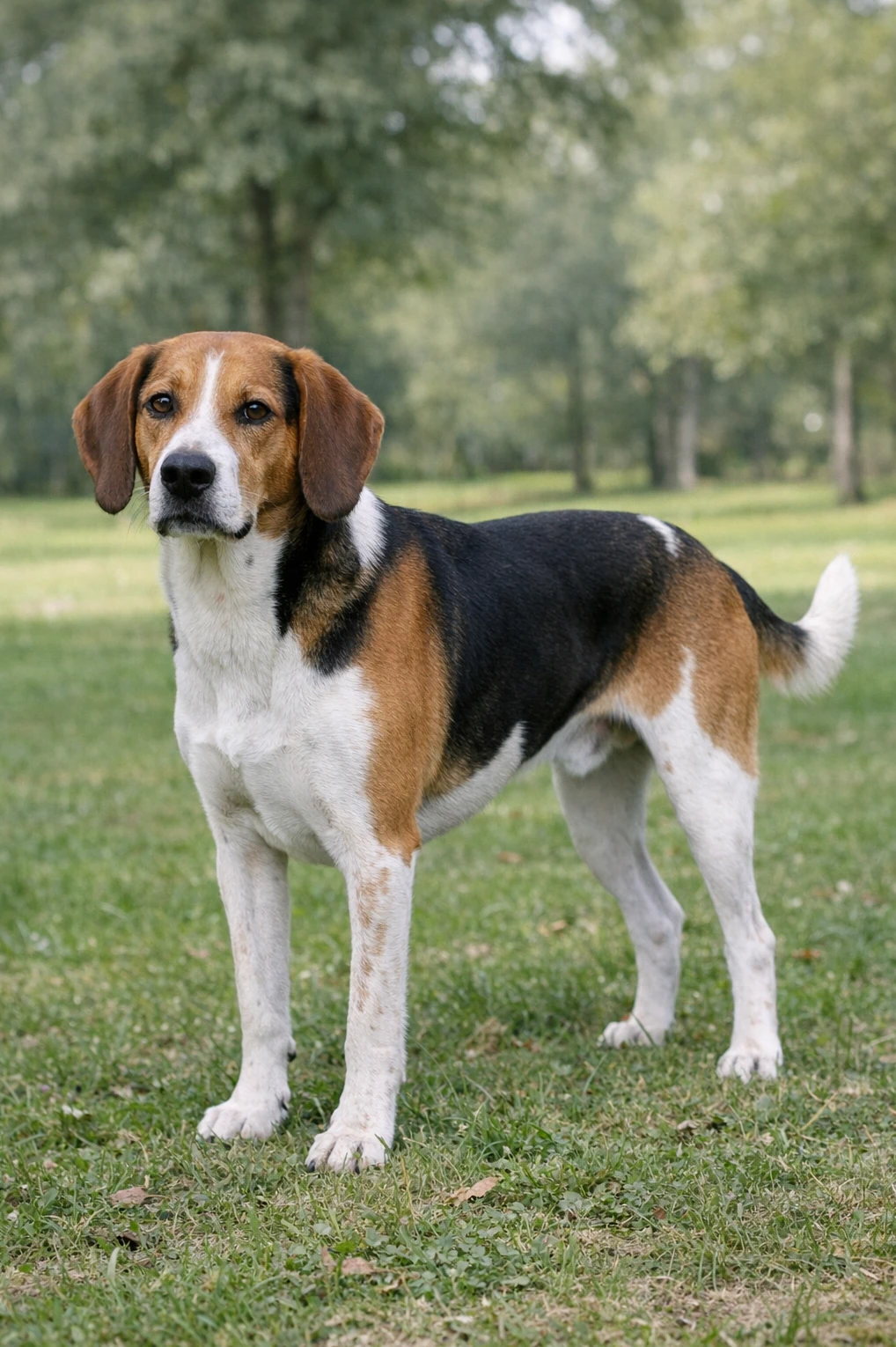
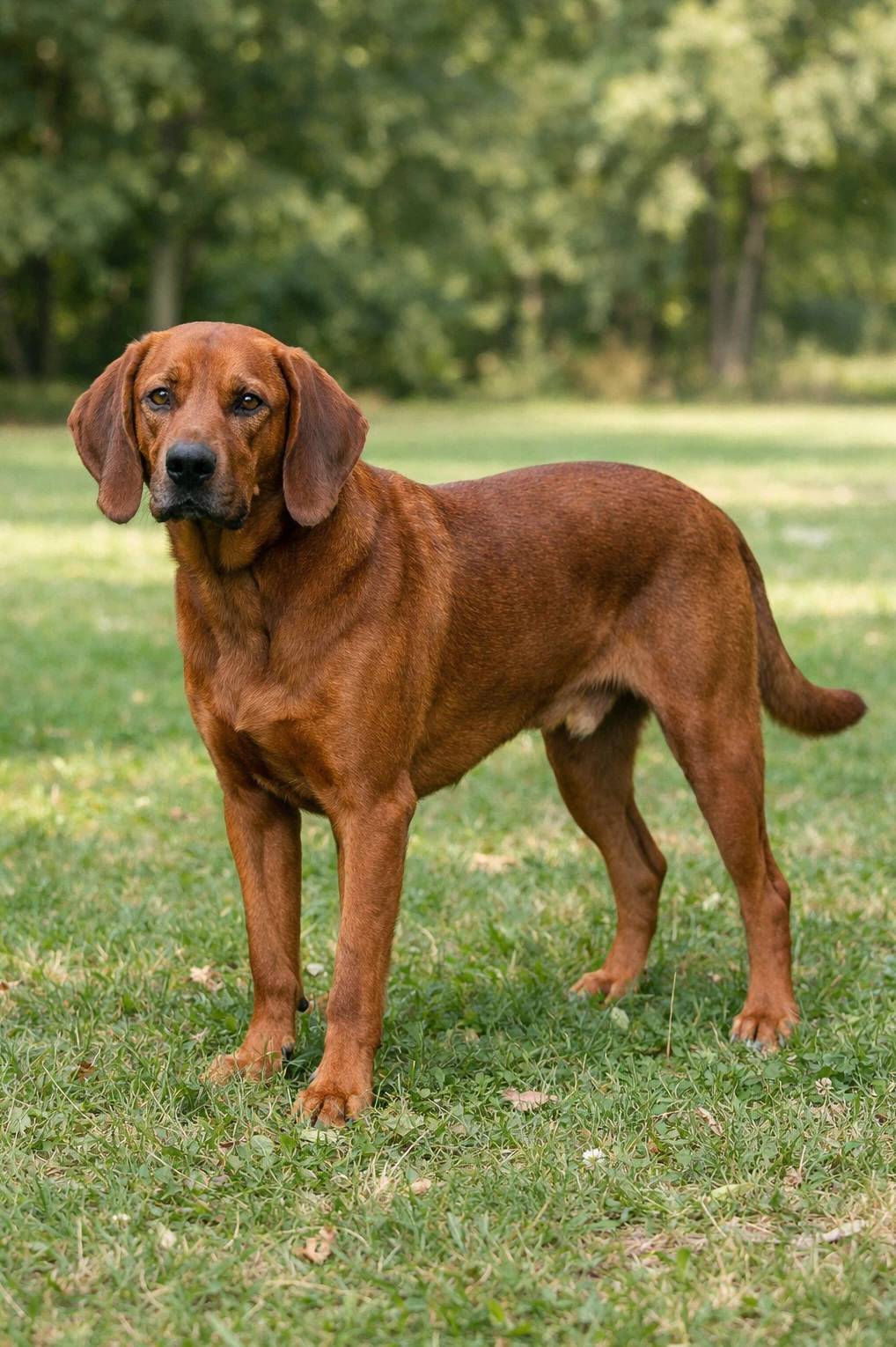
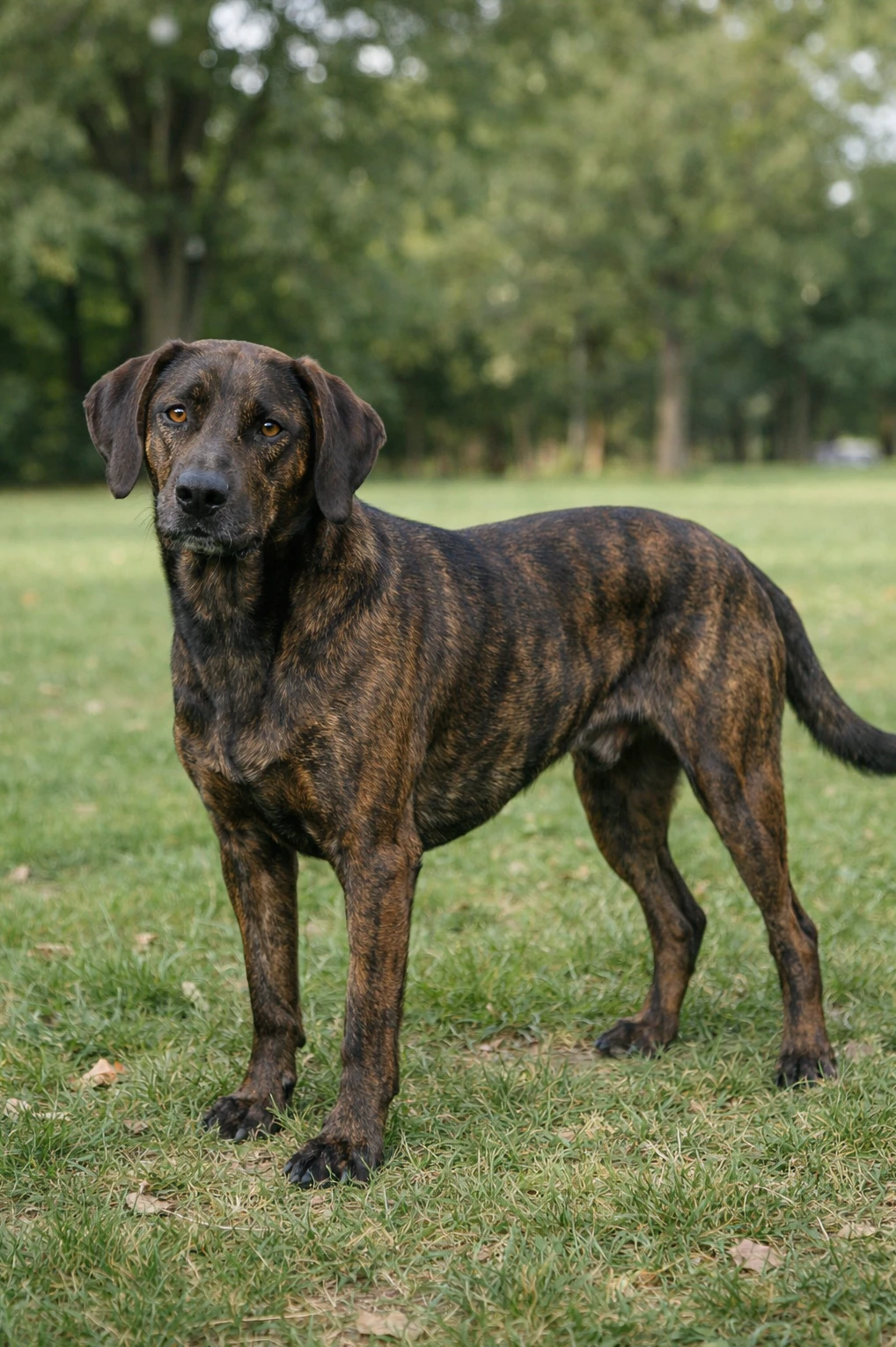
Males stand about 20 to 25 inches and weigh 50 to 60 pounds. Faithful, vigilant and bright, this active hound thrives on protein-rich, balanced feeding to sustain muscle and stamina. Nutritional Verdict: robust, targeted nutrition.
Understanding the Plott Hound Metabolism and Energy Needs
Raised to follow scent and pursue game, this rugged tracking dog relies on stamina and keen senses. Its devoted, watchful, and quick-minded character means it needs both steady mental engagement and sustained physical output.
Higher-quality protein supports the lean muscle required for long chases, so aim for roughly 25 to 30 percent of calories from protein to repair tissues and sustain endurance. Moderate fat supplies concentrated fuel and supports scenting performance, while essential fatty acids promote skin health and a glossy coat, about 12 to 18 percent fat is appropriate. Complex carbohydrates provide slow-release energy and fiber for healthy digestion without excess weight gain.
Omega-3 fatty acids aid alertness and joint comfort, and joint-support supplements like glucosamine can help protect active hips and elbows. Adjust portions and calories to keep a trim, muscular frame that matches the dog’s working temperament.
Managing Plott Hound Genetic Health Risks Through Nutrition
Plott Hound Feeding & Calorie Calculator
Estimated Daily Calories
Tip: Start with this amount and adjust after 2–3 weeks based on your dog's body condition and weight trend.
This estimate provides a starting point for feeding. Individual calorie needs may vary depending on metabolism, body condition, and health status. Always monitor your dog's weight and consult your veterinarian when adjusting diet.
Foods and Ingredients to Avoid for Plott Hound Dogs
Plott Hounds are muscular, active dogs in the 50 to 60 pound range, but excess dietary fat can still be harmful.
High-fat table scraps, fried foods, and rich deli meats raise the risk of pancreatitis and rapid weight gain, which strains joints and reduces endurance.
Keeping fat levels moderate and choosing lean proteins helps this breed stay fit and agile on long walks or in the field, and it lowers the chance of painful metabolic issues.
Deep-chested breeds like the Plott Hound can be more susceptible to gastric bloat, which is a serious, life-threatening condition.
Eating very large meals, gulping food, or exercising vigorously right after a big meal can increase that risk.
Serve smaller, measured meals twice a day, and avoid intense activity around feeding times to keep digestion calm and reduce the chance of emergency stomach twisting.
Ingredients such as BHA, BHT, ethoxyquin, and cheap fillers can irritate sensitive skin and upset digestion for many dogs, including Plott Hounds.
These additives often provide little nutrition and may worsen itchiness, dull coat quality, or loose stools.
Choosing foods with natural preservation and clearer ingredient lists supports healthy skin, a shiny coat, and reliable energy for an active hunting companion.
Common human foods like garlic, onions, chives, chocolate, and products sweetened with xylitol are toxic to dogs and should be strictly avoided.
Even small amounts of these can cause anemia, neurological issues, dangerously low blood sugar, or severe GI distress.
For a curious Plott Hound that loves to investigate snacks, it is safest to keep all such items well out of reach and to offer approved treats instead.
Grapes and raisins can cause kidney failure in some dogs, and macadamia nuts can lead to weakness and tremors, so these should never be offered.
A Plott Hound’s size does not protect it from the toxic effects of these foods, and reactions can be unpredictable.
Stick to dog-safe fruits and nuts approved by your veterinarian to avoid emergency vet visits and keep your companion healthy.
Legumes like peas, lentils, and chickpeas are fine in moderation, but diets extremely high in legumes, especially in grain-free formulas, have been associated with heart concerns in some dogs.
While the link is still being studied, it is sensible to avoid relying on legume-heavy diets as the sole protein source for an active Plott Hound.
Aim for a balanced diet with varied, high-quality proteins and discuss any specialty or grain-free food choices with your veterinarian, particularly if your dog shows fatigue, coughing, or other heart-related signs.
How Nutritional Needs Change Throughout the Plott Hound Life Stages
Dogs need different nutrition at puppyhood, adulthood, and senior years because growth, activity, and health risks change as they age. Plott Hounds are a large, active scent hound, so their nutritional needs are shaped by growth rate, energy output, and breed tendencies such as strong musculature and potential joint stress. Tailoring food and portions helps support healthy development, performance, and longevity.
| Life Stage | Age Range | Primary Objective | Key Nutrient Focus |
|---|---|---|---|
| Puppy | 0–15 months | controlled skeletal development, immune support, brain development | DHA, balanced calcium/phosphorus, high-quality protein |
| Adult | 1.5–6 years | lean muscle maintenance and sustained energy | high-quality protein, omega-3 fatty acids, fiber |
| Senior | 6+ years | joint mobility, metabolic health, and cognitive support | glucosamine, chondroitin, antioxidants, lower calories |
Plott Hound puppies grow quickly into a muscular, athletic adult, so steady, controlled growth is important to protect developing bones and joints. Choose a large-breed puppy formula with balanced calcium and phosphorus levels, moderate calories, and high quality protein to support lean muscle development and proper skeletal formation. DHA supports brain and vision development, while omega-3 fatty acids help keep the short coat healthy.
Feed smaller meals more frequently, starting with three to four feedings daily and gradually moving to two meals by around six to twelve months, guided by body condition and your veterinarian. Avoid overfeeding and high calorie diets that encourage too rapid growth, and consider early joint support nutrients like glucosamine if there is a family history of hip issues. Regular weight checks and adjusting portions for activity levels will help puppies grow at a healthy pace.
Adult Plott Hounds are athletic and energetic, so diets should focus on maintaining lean muscle mass and steady energy for long scenting or tracking sessions. Aim for a protein-forward diet from named animal sources to support muscles, paired with moderate fat for concentrated energy and digestible carbohydrates for endurance. Quality fats, including omega-3s, help skin and coat health and support recovery after exercise.
Portion sizes and calorie intake should match activity level, with working or highly active dogs needing more calories than couch companions. Keep an eye on body condition rather than just weight, and adjust feeding after changes in exercise, environment, or reproductive status. Routine joint care through nutrients like glucosamine, plus regular teeth and ear checks for this floppy-eared breed, will help them stay fit and comfortable.
As Plott Hounds age they often experience a slower metabolism, gradual muscle loss, and increased joint stiffness that can affect mobility and stamina. Digestion can become less efficient and dental wear may make hard kibble harder to eat. Senior diets should focus on preserving lean mass with high quality protein, while adjusting calories to prevent unwanted weight gain if activity drops.
Include joint-supporting nutrients such as glucosamine and omega-3 fatty acids, and offer antioxidants like vitamin E and beta-carotene to support immune health. Increased soluble fiber can aid digestion, and choosing highly palatable, easily digestible formulas helps picky seniors keep eating. Regular body condition checks, mobility assessments, and conversations with your veterinarian will guide portion changes and supplement choices as your Plott Hound enters their golden years.
Kibble vs Fresh vs Raw for Plott Hound
Different feeding models suit different lifestyles and activity levels. For Plott Hounds, who are energetic, lean, and scent-driven, the right diet supports stamina, muscle, and skin health.
Pros
- Convenient and easy to portion for busy owners.
- High-protein formulas support the Plott Hound's muscular, active body.
- Many include joint and skin-supporting nutrients for short, smooth coats.
- Shelf-stable kibble works well for hunting trips and long days outdoors.
Cons
- Some brands use fillers that may not meet this breed's protein needs.
- Lower moisture content may require adding water after heavy exercise.
- Active dogs may need careful portioning to avoid unwanted weight loss.
- Less variety can be an issue for picky or scent-driven eaters.
Pros
- Allows precise control over high-quality protein and calorie levels.
- Easier to tailor ingredients for food sensitivities or skin issues.
- Higher moisture supports hydration and digestion after long runs.
- Often more palatable for picky Plott Hounds.
Cons
- Requires careful balancing of vitamins and minerals to avoid deficiencies.
- Time-consuming meal prep for owners with busy outdoor schedules.
- Higher cost and refrigeration limit convenience during travel.
- Improper recipes can cause nutritional imbalances without veterinary input.
Pros
- Can match high protein, low-carb needs for energetic hunters.
- Some owners report improved coat condition and sustained stamina.
- Less processed ingredients may appeal to natural-feeding preferences.
- Can be portioned to support lean muscle maintenance.
Cons
- Risk of bacterial contamination without strict hygiene and handling.
- Whole bones can pose choking or dental hazards for some dogs.
- Balancing vitamins and minerals is challenging without expert guidance.
- Less practical for owners who travel or manage multiple dogs.
| Diet Type | Pros for Plott Hound | Potential Downsides |
|---|---|---|
| High-Quality Kibble |
|
|
| Fresh Cooked Food |
|
|
| Raw Diet (BARF) |
|
|
Our Recommendation
For many Plott Hounds, a high-quality, high-protein kibble balances convenience with energy needs. Fresh cooked diets suit owners who want ingredient control or manage sensitivities.
Raw feeding can work for experienced owners who commit to strict hygiene and balanced recipes.
See Also
Breeds with similar group, size, and coat characteristics