Best Dog Food for Norwegian Elkhound in 2026Based on Nutritional Science
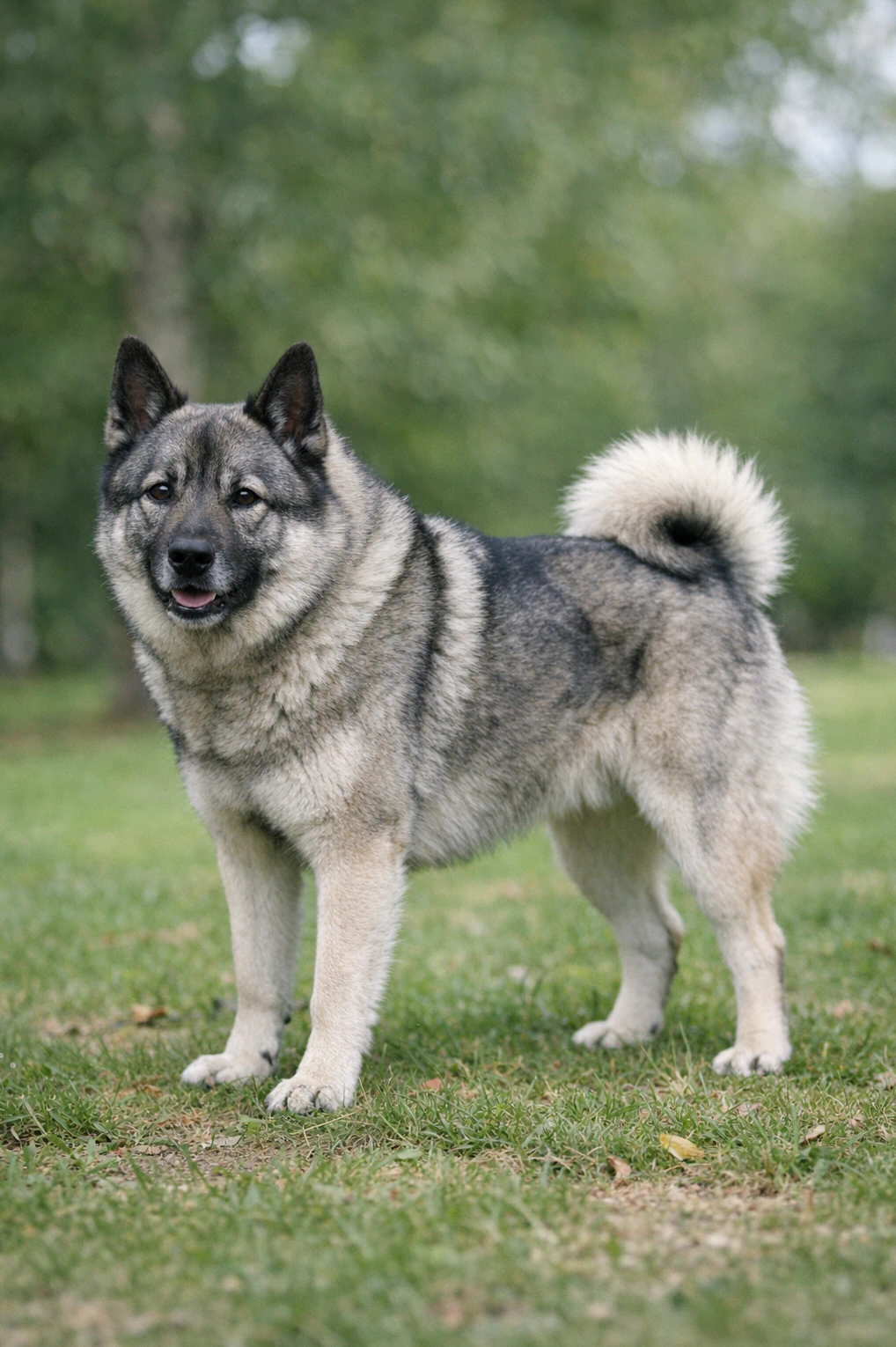
Norwegian Elkhound males stand about 20.5 inches and weigh around 55 pounds, boasting a sociable, self-assured, and reliable nature. Nutritional verdict: balanced, protein-rich diets support energy, coat health, and joint mobility.
Understanding the Norwegian Elkhound Metabolism and Energy Needs
Raised in the cold forests of Scandinavia as hunters of large game, these dogs developed rugged endurance and a bold, steady character. Their work required long tracking, quick sprints and carrying heavy loads, so they need stamina and strong muscles.
That history favors a protein-focused diet to preserve lean muscle and fuel bursts of activity, using quality meat, fish or eggs. Moderately higher fat supplies dense energy and supports a thick coat, especially omega-3s for skin and inflammation. Limited complex carbs like sweet potato or oats provide steady fuel without extra weight.
Joint supplements such as glucosamine help protect hips and knees from workload wear. Antioxidants and B vitamins aid recovery and focus, while careful portioning and regular exercise keep them lean and ready for the next outing.
Managing Norwegian Elkhound Genetic Health Risks Through Nutrition
Cancer
Helpful nutrients
Heart Issues
Helpful nutrients
Hip Dysplasia
Helpful nutrients
Renal (Kidney) Issues
Helpful nutrients
Obesity & Weight Management
Helpful nutrients
Norwegian Elkhound Feeding & Calorie Calculator
Estimated Daily Calories
Tip: Start with this amount and adjust after 2–3 weeks based on your dog's body condition and weight trend.
This estimate provides a starting point for feeding. Individual calorie needs may vary depending on metabolism, body condition, and health status. Always monitor your dog's weight and consult your veterinarian when adjusting diet.
Foods and Ingredients to Avoid for Norwegian Elkhound Dogs
Rich, fatty human foods and greasy table scraps can quickly lead to weight gain in an Elkhound, and excess body fat places extra strain on hips and the spine.
High-fat meals can also increase the risk of pancreatitis, which is painful and can require emergency care.
Keeping your dog on a diet of lean proteins and controlled treats helps protect joint health and keeps their energy steady, especially since this breed tends to beg for extra bites.
Norwegian Elkhounds are notorious food hounds, and too many treats or people food can push them from fit to overweight faster than you might expect.
Extra weight increases the chance of hip problems and adds stress to the heart, which is relevant given the breed's longer-term heart disease risk.
Watch the waistline and use measured, healthy rewards. Observing the ribcage and trot can help you notice subtle weight changes early.
Processed meats, cured foods, and salty snacks are not good choices for a dog with a potential heart disease risk.
Excessive sodium can elevate blood pressure and make managing cardiac conditions more difficult, even in otherwise healthy dogs.
In addition, many processed meats contain preservatives and nitrates that offer no nutritional benefit, so it is better to stick with fresh, minimally processed options and ask your vet about appropriate sodium limits.
Certain common human foods are outright toxic to dogs, and some can be especially dangerous if a dog has any kidney vulnerability.
Grapes and raisins can cause acute kidney failure in dogs, while chocolate is toxic and xylitol, an artificial sweetener, can cause severe hypoglycemia and liver damage.
Because Elkhounds have had occasional renal issues in breed history, avoid these foods entirely and keep them well out of reach during baking, snacking, and parties.
Diets that replace grains with large amounts of peas, lentils, chickpeas, or other legumes have been linked in some studies to heart concerns in certain dogs.
Since Norwegian Elkhounds can be prone to heart issues over their lifespan, it is wise to be cautious about exclusive long-term reliance on legume-heavy, grain-free formulas without veterinary guidance.
If you prefer grain-free or home-prepared meals, discuss balanced recipes and regular heart checks with your veterinarian to keep your dog safe and well nourished.
Foods loaded with artificial preservatives, colors, and low-quality fillers provide little nutritional value and can sometimes trigger digestive upset or skin sensitivity.
Over the long term these ingredients can make it harder to maintain optimal coat and skin condition, which matters for an active, outdoor-loving breed.
Choose high-quality foods with recognizable ingredients and natural preservation when possible, and consult your vet if you notice itching, digestive changes, or a dull coat.
How Nutritional Needs Change Throughout the Norwegian Elkhound Life Stages
Dogs have different nutritional needs at each life stage, and Norwegian Elkhounds are no exception. Puppyhood focuses on growth and skeletal support, adulthood requires steady maintenance of muscle and energy, and senior years need adjustments for metabolism, mobility, and digestion. These needs are shaped by the breed's growth rate, activity level, and common health tendencies such as hip concerns, heart and cancer risks, and occasional kidney issues.
| Life Stage | Age Range | Primary Objective | Key Nutrient Focus |
|---|---|---|---|
| Puppy | 0–15 months | controlled skeletal development, immune support, brain development | DHA, balanced calcium/phosphorus, high-quality protein |
| Adult | 1.5–6 years | lean muscle maintenance and sustained energy | high-quality protein, omega-3 fatty acids, fiber |
| Senior | 6+ years | joint mobility, metabolic health, and cognitive support | glucosamine, chondroitin, antioxidants, lower calories |
Norwegian Elkhound puppies grow relatively quickly for a large breed, reaching much of their adult size by around 12 months while continuing to fill out into the second year. Because of this pattern, controlled but sufficient nutrition supports healthy skeletal development, and avoiding rapid weight gain helps reduce hip stress and the risk of hip dysplasia. Early veterinary checks and growth monitoring will guide appropriate calorie targets and portion sizes.
Feed a high quality puppy formula formulated for large or medium-large breeds that balances protein and calories with careful calcium to phosphorus ratios, and includes essential fats like DHA for brain development. Offer three to four smaller meals daily until roughly six months, then slowly transition to two meals a day to promote steady energy and reduce digestive upsets. Since Elkhounds are active and dependable, watch body condition closely and consult your vet about family histories of kidney or heart concerns before making major dietary changes.
As adults, Norwegian Elkhounds benefit from a steady diet that maintains lean muscle and fuels their dependable, moderately active nature. Prioritize high quality protein to support muscle maintenance and use moderate fat for energy, especially if your dog has a busy lifestyle or enjoys extended activity. Keep treat calories in check to prevent unwanted weight gain, which can strain hips and joints.
Adjust daily calorie intake to match activity level, with working or highly active dogs getting more calories and casual house companions receiving less. Regular exercise and muscle-preserving feeding practices help keep them fit and resilient, and routine veterinary checks can catch early heart or kidney changes that might influence nutritional choices. Feeding twice daily supports digestion and stable energy throughout the day.
In senior years, Norwegian Elkhounds often experience a slower metabolism and reduced activity, which can lead to weight gain if calories are not adjusted. Aging joints may show stiffness or arthritis, and digestion can become less efficient, so a focus on joint support and easily digestible nutrients is important. Maintain lean body condition to ease pressure on hips and heart, and schedule regular blood work to monitor kidney and cardiac health.
Consider diets with enhanced joint-support ingredients like omega-3 fatty acids and clinically appropriate levels of glucosamine and chondroitin, plus antioxidants to support immune health given cancer risks. Moderating calories while keeping protein high-quality helps preserve muscle, and added fiber or digestive enzymes can help older dogs process meals more comfortably. Work with your veterinarian to fine tune sodium, protein, and other elements if heart or kidney issues arise.
Kibble vs Fresh vs Raw for Norwegian Elkhound
Different feeding models suit different lifestyles and health needs. For Norwegian Elkhounds, activity level, double coat, and occasional health tendencies should guide your choice.
Pros
- Convenient and easy to portion for busy owners.
- Formulas with joint support can help hip health.
- Many kibbles include omega fatty acids for coat health.
- Dry texture helps reduce tartar buildup.
Cons
- Calorie-dense kibbles can cause weight gain without careful portioning.
- Lower moisture content may not suit dogs that drink less.
- Some formulas contain fillers or low-quality proteins.
- May need added supplements for optimal joint and coat support.
Pros
- High moisture supports hydration and can aid kidney health.
- Very palatable for picky or older Elkhounds.
- Control over ingredients helps manage allergies and quality.
- Easily adjusted to include joint supplements and omegas.
Cons
- Requires careful planning to ensure balanced calcium and phosphorus.
- More time consuming and often more expensive than kibble.
- Improper recipes can lead to nutrient imbalances long term.
- Needs refrigeration and safe meal prep practices.
Pros
- High protein mirrors ancestral diet and supports muscle mass.
- Owners often report shinier coats and more energy.
- Minimal processing preserves natural nutrients.
- Can be tailored to support weight and activity needs.
Cons
- Requires strict hygiene to prevent bacterial contamination.
- Unbalanced raw diets can strain kidneys, so veterinary guidance is essential.
- Bones can pose choking or splintering risks even for medium breeds.
- More expensive and time intensive than kibble.
| Diet Type | Pros for Norwegian Elkhound | Potential Downsides |
|---|---|---|
| High-Quality Kibble |
|
|
| Fresh Cooked Food |
|
|
| Raw Diet (BARF) |
|
|
Our Recommendation
For most Norwegian Elkhounds, a high-quality kibble with joint support and omega fatty acids is a practical, reliable option.
Fresh cooked meals suit owners who want hands-on control, while raw diets can work but need strict balancing and veterinary oversight.
See Also
Breeds with similar group, size, and coat characteristics