Best Dog Food for Harrier in 2026Based on Nutritional Science
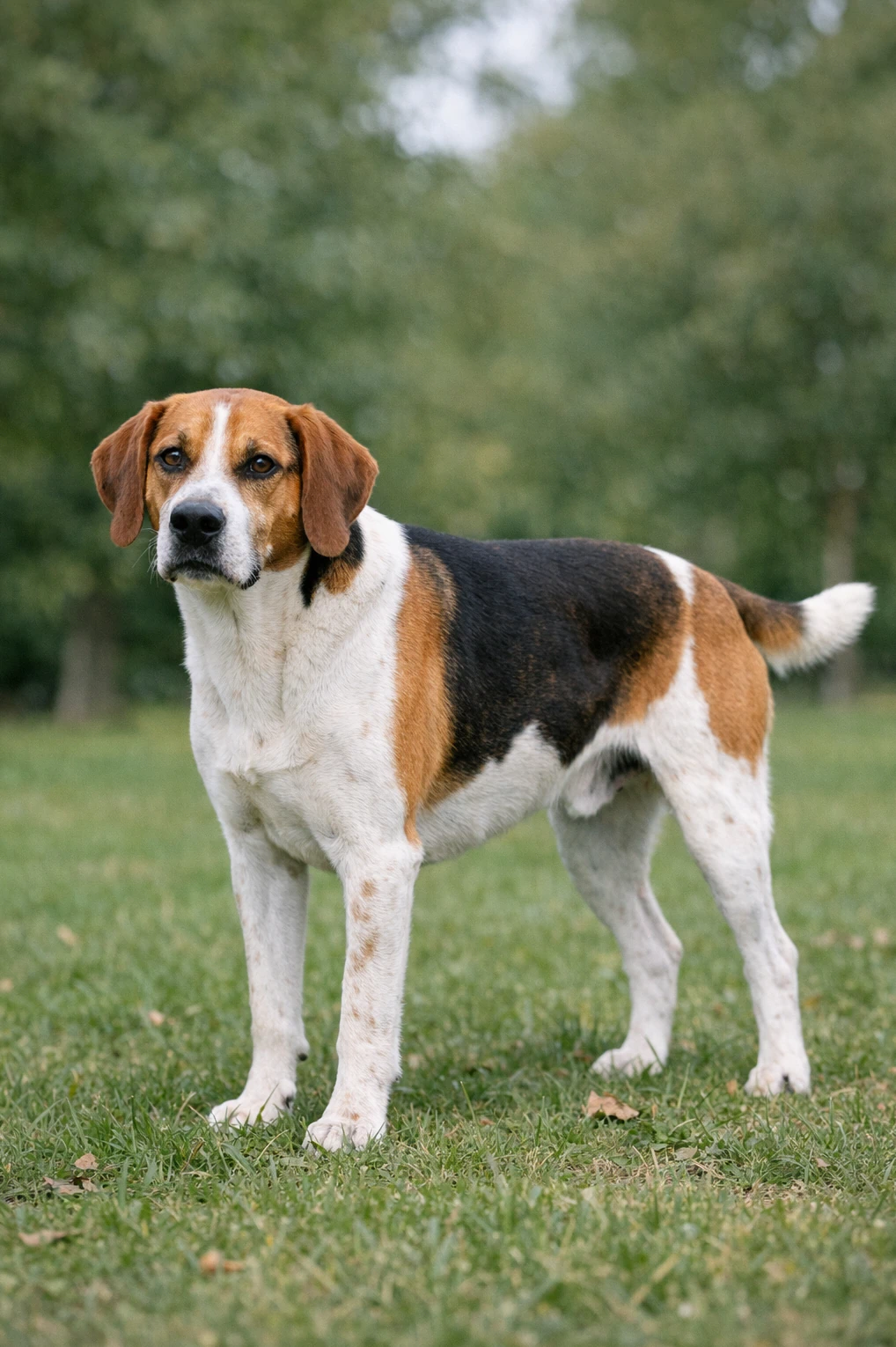
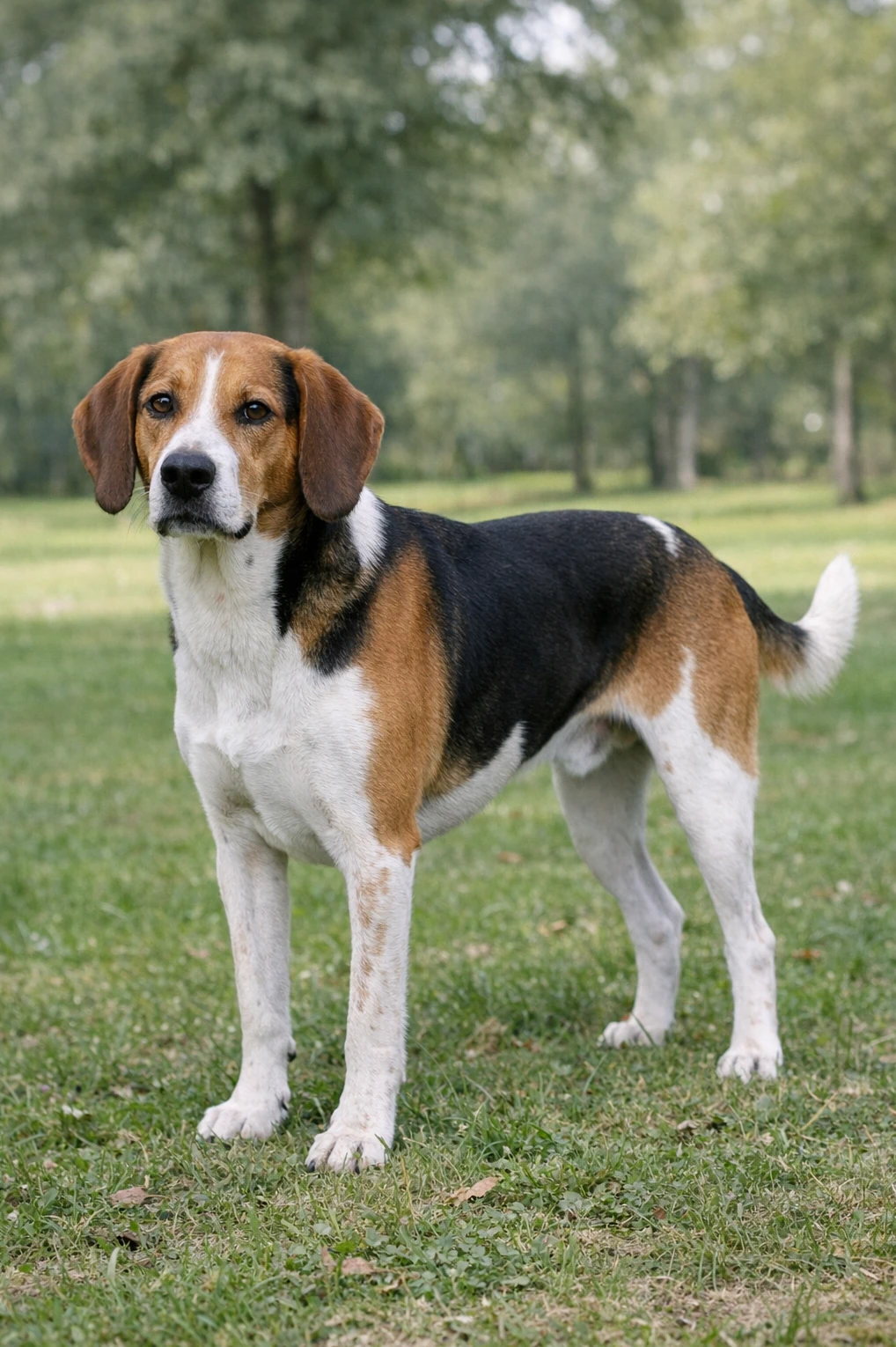
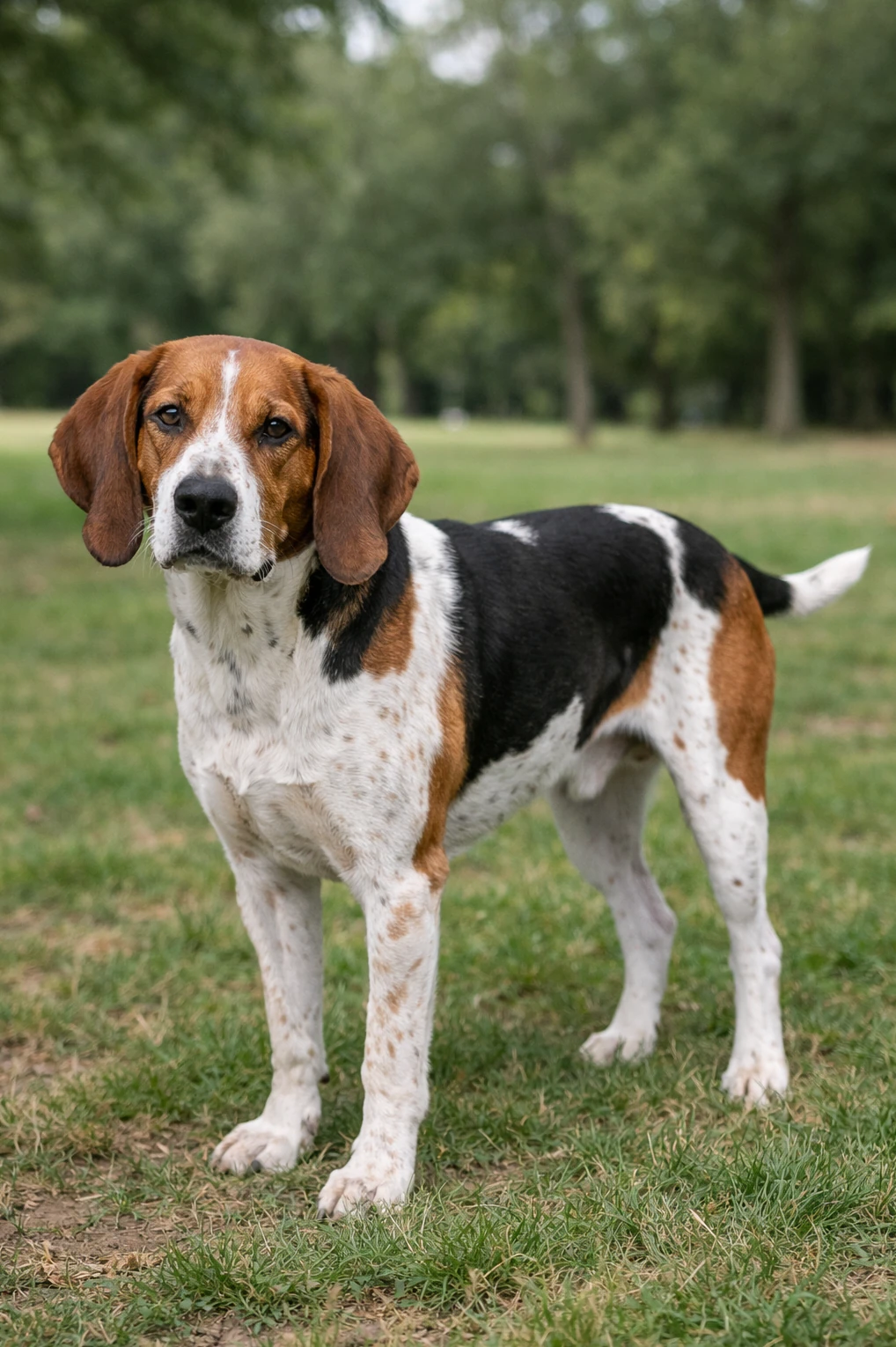
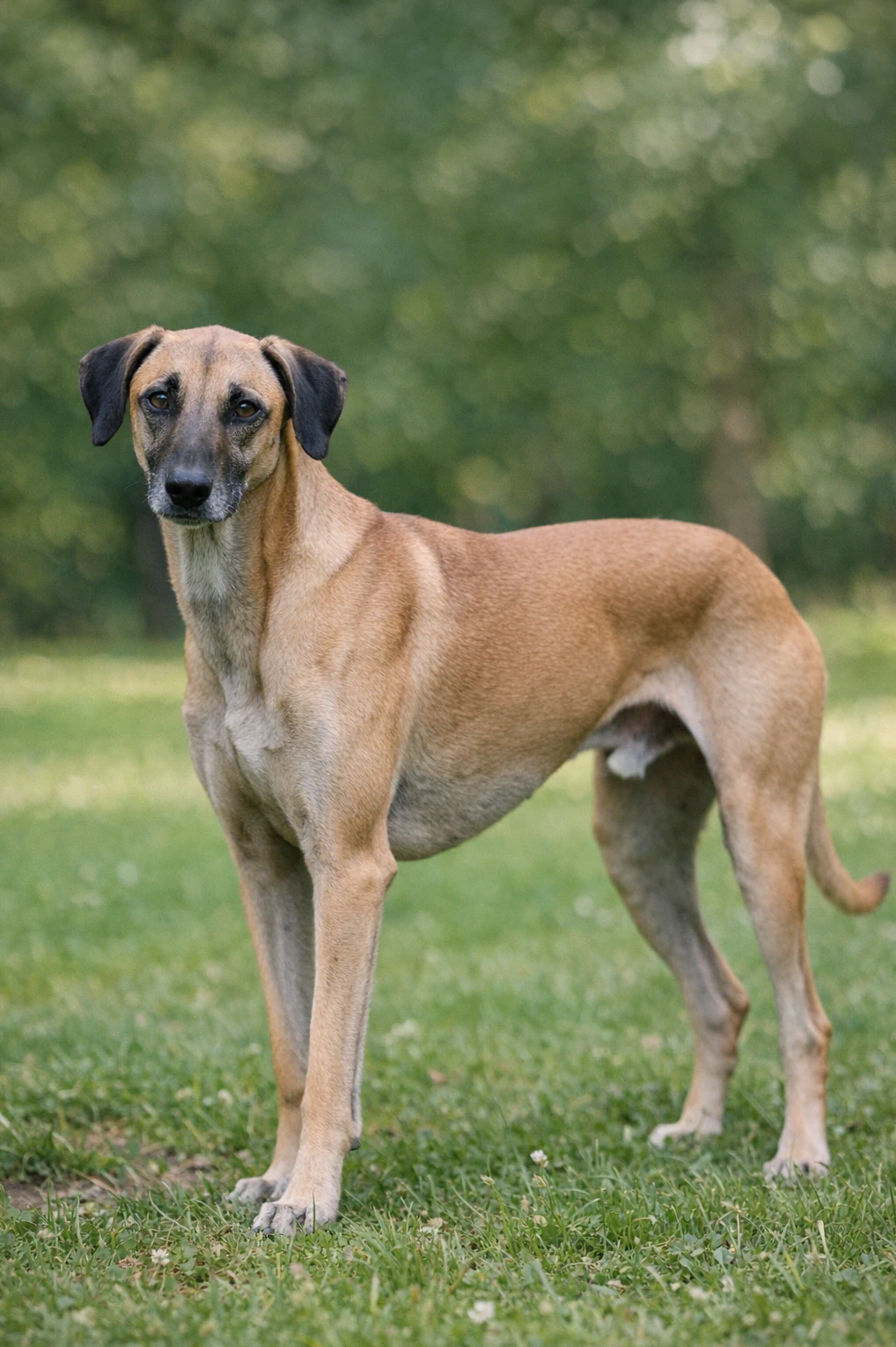
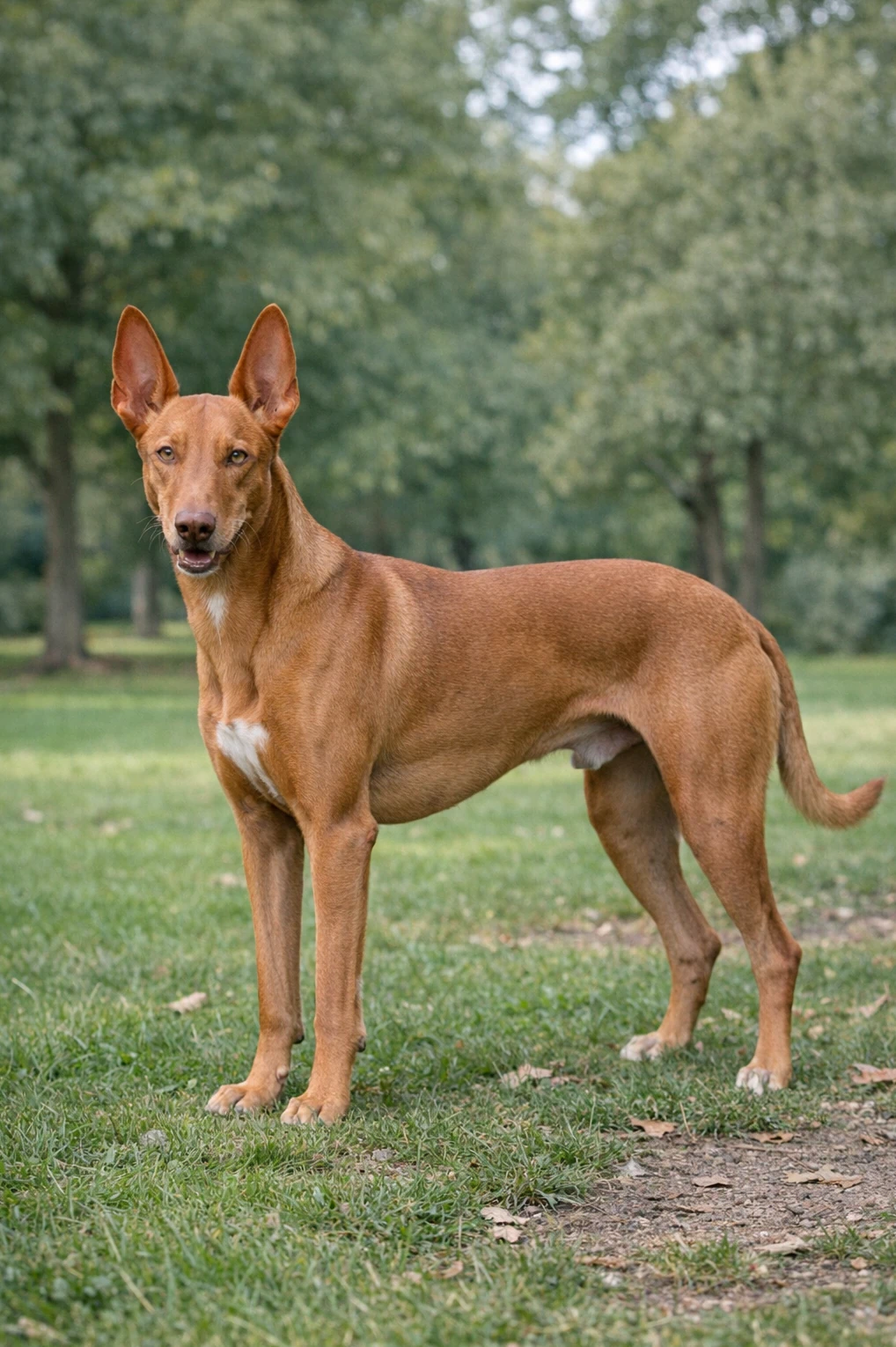
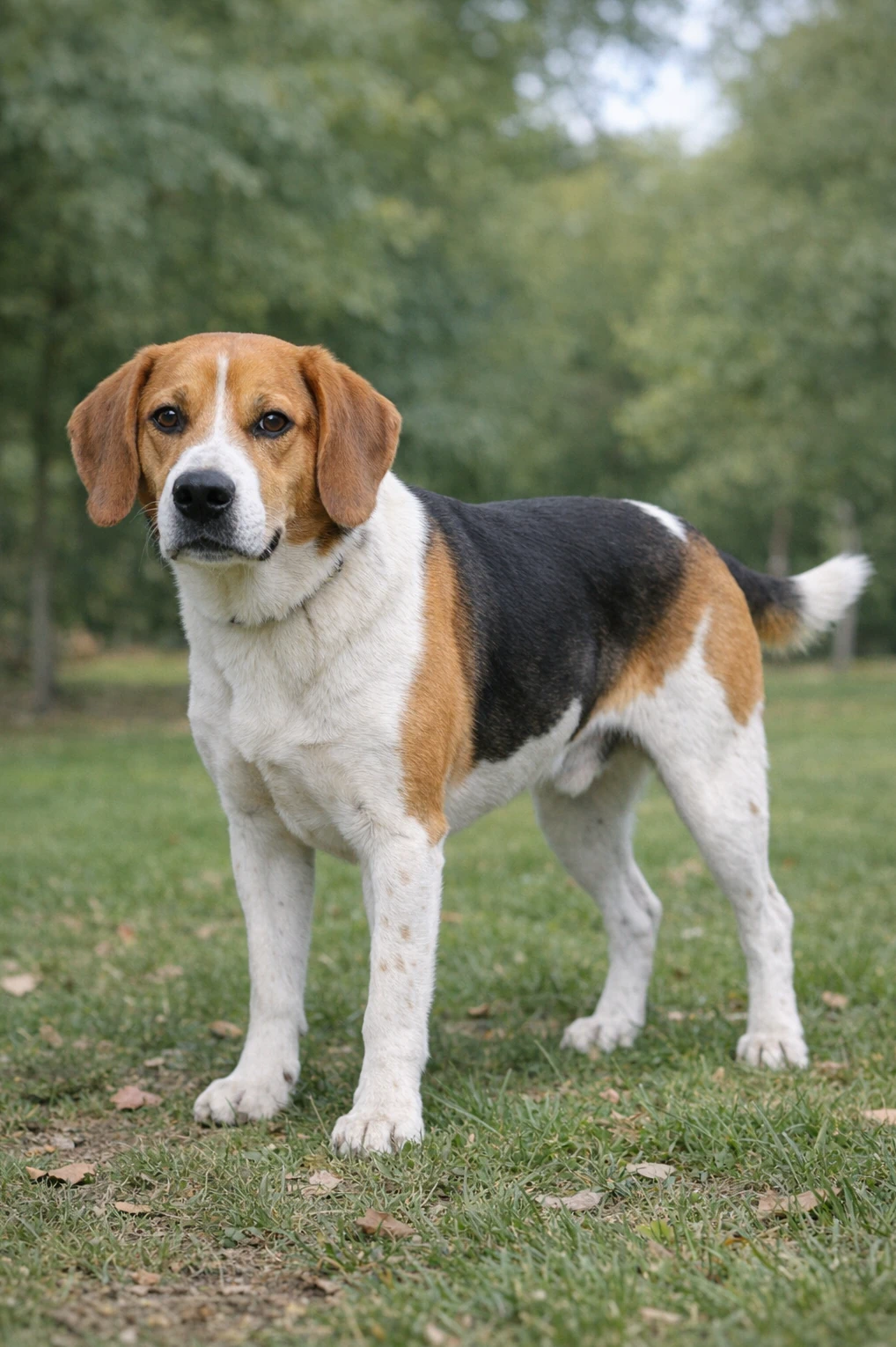
Harrier: a medium-built hound about 19 to 21 inches tall and 45 to 60 pounds. Amiable, sociable and companion-loving. Nutritional verdict: lean, protein-focused meals with moderate calories keep them fit and happy.
Understanding the Harrier Metabolism and Energy Needs
These sociable, pack-minded scent dogs were shaped for long days of tracking, so their bodies need steady, endurance-focused calories. A higher proportion of quality protein helps maintain lean muscle and supports recovery after long walks and energetic play. Healthy fats act as long-lasting fuel, helping them stay sharp on scent work and calm at rest.
Moderate carbohydrates from whole grains, sweet potato, or vegetables provide quick energy during bursts of activity and help maintain stable blood sugar, while avoiding excess that leads to weight gain. Joint support matters for breeds with active outdoor lives, so glucosamine and chondroitin can protect cartilage, and omega-3s reduce inflammation and keep skin and coat healthy.
Because these dogs thrive on interaction, training treats are common, so choose protein-rich, low-calorie options. Portion control and routine exercise are essential to match their energetic history with modern household life.
Managing Harrier Genetic Health Risks Through Nutrition
Ear Infections
Helpful nutrients
Dental Disease (Periodontal Disease)
Helpful nutrients
Parasite-Related Gut Issues
Helpful nutrients
Obesity / Weight Management
Helpful nutrients
Gastrointestinal Upset and Pancreatitis Risk from High-Fat Foods
Helpful nutrients
Harrier Feeding & Calorie Calculator
Estimated Daily Calories
Tip: Start with this amount and adjust after 2–3 weeks based on your dog's body condition and weight trend.
This estimate provides a starting point for feeding. Individual calorie needs may vary depending on metabolism, body condition, and health status. Always monitor your dog's weight and consult your veterinarian when adjusting diet.
Foods and Ingredients to Avoid for Harrier Dogs
Cooked bones may seem like a natural treat, but they splinter easily and can perforate the mouth, throat, or intestines.
For a Harrier in the 45 to 60 pound range, a single sharp fragment can cause serious injury or an intestinal blockage that needs emergency care.
Instead, offer durable, vet-approved chews or raw bones guided by your vet, and supervise any chewing to protect their teeth and digestive tract, while keeping dental health in mind.
Harriers are active dogs, but too much dietary fat can quickly lead to unwanted weight gain and raise the risk of pancreatitis, a painful and potentially life-threatening condition.
Extra body weight also adds stress to joints and the back, which matters for a medium-sized hound that enjoys long walks and scent work.
Keep treats and table scraps low in fat, prefer lean protein sources, and work with your vet to balance calories for a healthy, energetic body condition.
Certain human foods are outright dangerous for dogs, including chocolate, grapes and raisins, xylitol, onions, and garlic.
A Harrier of average size can be poisoned by surprisingly small amounts, and signs can escalate quickly, so these items should never be offered as treats or hidden in table scraps.
If you suspect ingestion of a toxic food, contact your veterinarian or an emergency clinic immediately, and keep tempting foods well out of reach during family meals.
Regularly feeding table scraps teaches counter-surfing and makes calorie control difficult for a 45 to 60 pound dog, increasing the chance of obesity.
Many leftovers are high in salt, sugar, and spices that can upset digestion, exacerbate skin or ear problems, or hide unhealthy fats that promote pancreatitis.
Reserve human food as an occasional, plain treat and use measured, nutritious dog-friendly options to reward good behavior instead of habitual people food.
Some grain-free recipes rely heavily on peas, lentils, or other legumes as main carbohydrate and protein sources, and there has been concern about links to heart muscle issues in some dogs on those diets.
While Harriers are not specifically identified as high-risk, feeding a diet overly dependent on legumes without veterinary guidance may affect heart health or taurine status.
Discuss diet choices with your vet, choose balanced formulas with named proteins, and monitor heart health during routine exams if you use grain-free products.
Artificial colors, flavors, and preservatives like BHA or BHT can aggravate skin sensitivities and may contribute to ear inflammation, which Harriers should be checked for weekly.
Dogs with itchy skin often benefit from cleaner ingredient lists with natural preservatives and limited additives.
Opt for high-quality diets with transparent ingredient sourcing, and if you notice increased scratching, ear odor, or coat changes, speak with your vet about an elimination trial to pinpoint potential triggers.
How Nutritional Needs Change Throughout the Harrier Life Stages
Dogs have different nutritional needs during puppyhood, adulthood, and their senior years, and Harriers are no exception. These changing requirements are shaped by a dog’s growth rate, activity level, and breed-specific health tendencies such as ear care and dental attention. Adjusting food type and portion size over time helps support healthy bones, lean muscle, and comfortable aging in your Harrier.
| Life Stage | Age Range | Primary Objective | Key Nutrient Focus |
|---|---|---|---|
| Puppy | 0–15 months | controlled skeletal development, immune support, brain development | DHA, balanced calcium/phosphorus, high-quality protein |
| Adult | 1.5–6 years | lean muscle maintenance and sustained energy | high-quality protein, omega-3 fatty acids, fiber |
| Senior | 6+ years | joint mobility, metabolic health, and cognitive support | glucosamine, chondroitin, antioxidants, lower calories |
Harrier puppies grow into a large, energetic hound often reaching 45 to 60 pounds, with steady growth through their first year. Their extended growth period means careful attention to skeletal development, since hips and knees can be sensitive to overly rapid growth.
Feed a puppy formula appropriate for large or active breeds, with a balanced calcium to phosphorus ratio, and avoid excess calories or extra calcium supplements that can harm bone formation. In early months offer three to four small meals daily, moving to two to three as they mature to stabilize energy and digestion.
Prioritize high quality animal protein for lean muscle, DHA for brain development, and omega 3 fatty acids for skin and coat health. Because Harriers are active and people-oriented, monitor body condition, maintain regular ear and dental checks, and keep breeder or vet-recommended health screenings in mind.
As adults, Harriers need a diet that maintains lean muscle and fuels steady energy for daily activity and scent work. Aim for consistent, quality protein to support muscles, paired with moderate healthy fats to provide endurance without excess weight gain.
Choose a complete adult formula suited to large, active dogs, and feed measured meals twice daily with portions adjusted for exercise level and body condition. Include sources of omega 3s and a mix of complex carbohydrates or fiber to keep digestion steady and energy sustained.
Lifestyle factors like regular walks, play sessions, and mental stimulation influence calorie needs, so check weight regularly and tweak portions as activity changes. Continue weekly ear checks, regular dental care, and breed-focused health screenings as part of your nutrition and wellness routine.
As Harriers age, metabolism often slows, activity levels commonly decrease, and digestive efficiency can change, so regular weight monitoring becomes important. Older dogs may show joint stiffness or reduced mobility, and diet should help preserve muscle while supporting joint comfort.
Keep protein at a good level to maintain lean mass, while modestly reducing calories if activity drops to prevent excess weight. Add joint-support nutrients such as glucosamine and chondroitin, plus omega 3 fatty acids, and include antioxidants like vitamins E and C to support overall cellular health.
Consider softer or moistened foods if dental wear affects chewing, and add gentle fiber or probiotics if digestion becomes fussy. Work with your veterinarian to adjust calories, check for breed-specific concerns, and keep routine screenings and ear and dental care up to date.
Kibble vs Fresh vs Raw for Harrier
Different feeding approaches suit different routines and dog needs. For Harriers, their medium size, active scenting nature, and routine dental and ear care help determine the best option.
Pros
- Convenient and easy to portion for busy owners.
- Crunch helps reduce tartar, supporting Harrier dental care.
- Formulated options support medium-breed energy and healthy weight.
- Shelf-stable and easy to store for traveling or routines.
Cons
- Some formulas contain fillers or artificial additives.
- Lower moisture content may not suit thirst-prone active Harriers.
- Calorie-dense options risk weight gain without portion control.
- Quality varies, so choose reputable brands and check labels.
Pros
- Highly palatable, great for picky or food-motivated Harriers.
- High moisture supports hydration after long scenting walks.
- You control ingredients to avoid allergens or low-quality fillers.
- Can be tailored for activity level and joint support.
Cons
- More expensive and time-consuming than standard kibble.
- Requires careful planning to ensure complete nutrition and calcium.
- Improper recipes can cause nutrient imbalances over time.
- Needs refrigeration and meal prep, less convenient for travel.
Pros
- High protein and fat can match active Harrier energy needs.
- Many owners report improved coat condition and vitality.
- Minimally processed ingredients preserve natural nutrients.
- Can be customized for individual sensitivities and preferences.
Cons
- Higher risk of bacterial contamination without strict hygiene.
- Balancing calcium and minerals is tricky, requiring guidance.
- Raw bones can cause dental fractures or gastrointestinal blockage.
- May complicate parasite control and household food safety.
| Diet Type | Pros for Harrier | Potential Downsides |
|---|---|---|
| High-Quality Kibble |
|
|
| Fresh Cooked Food |
|
|
| Raw Diet (BARF) |
|
|
Our Recommendation
For many Harriers, a high-quality kibble formulated for active, medium breeds or a balanced fresh-cooked plan tends to work best and is manageable for most owners.
Raw diets can suit some households, but only with veterinary oversight, strict hygiene, and careful balancing.
See Also
Breeds with similar group, size, and coat characteristics