Best Dog Food for English Foxhound in 2026Based on Nutritional Science
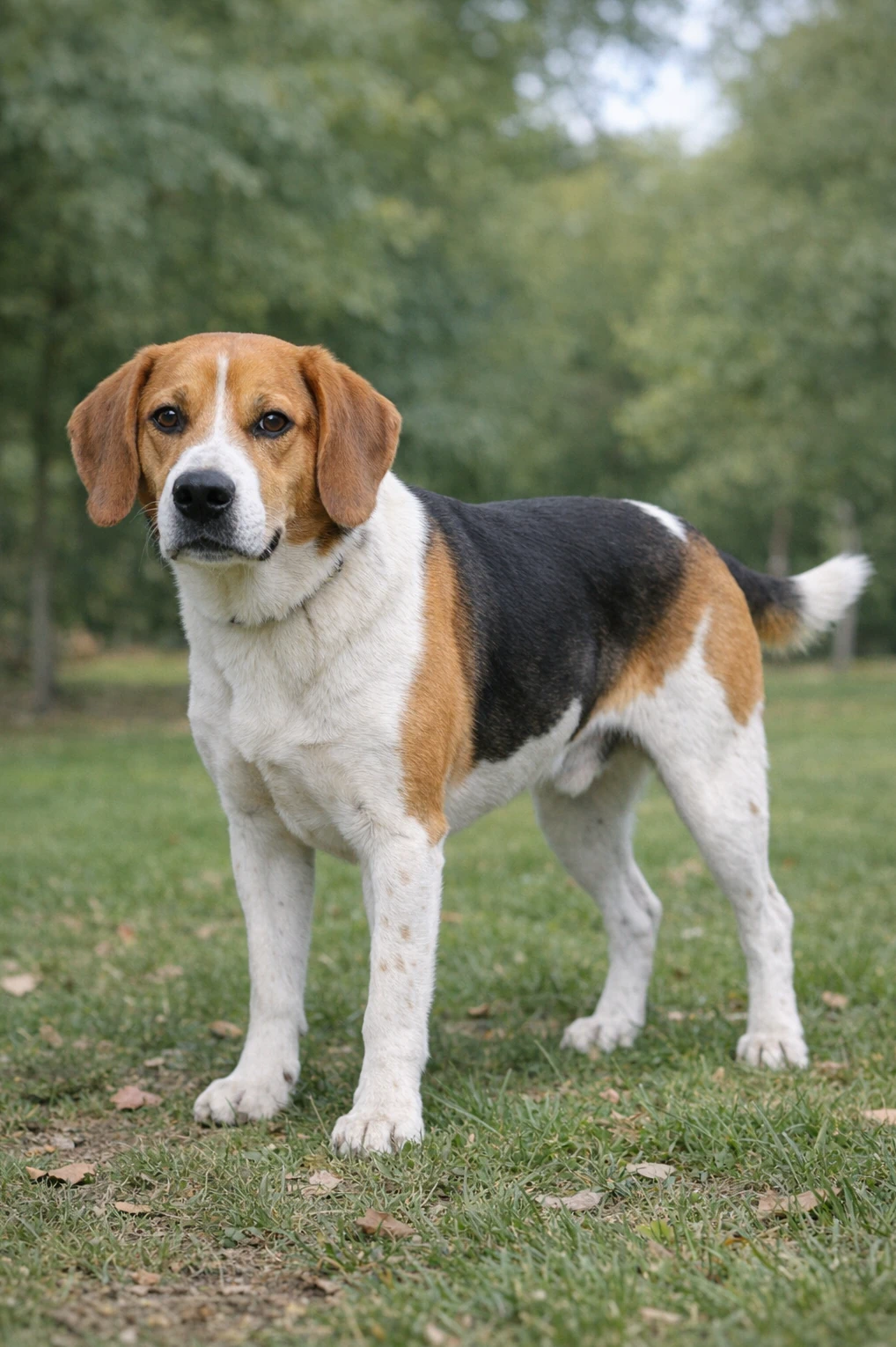
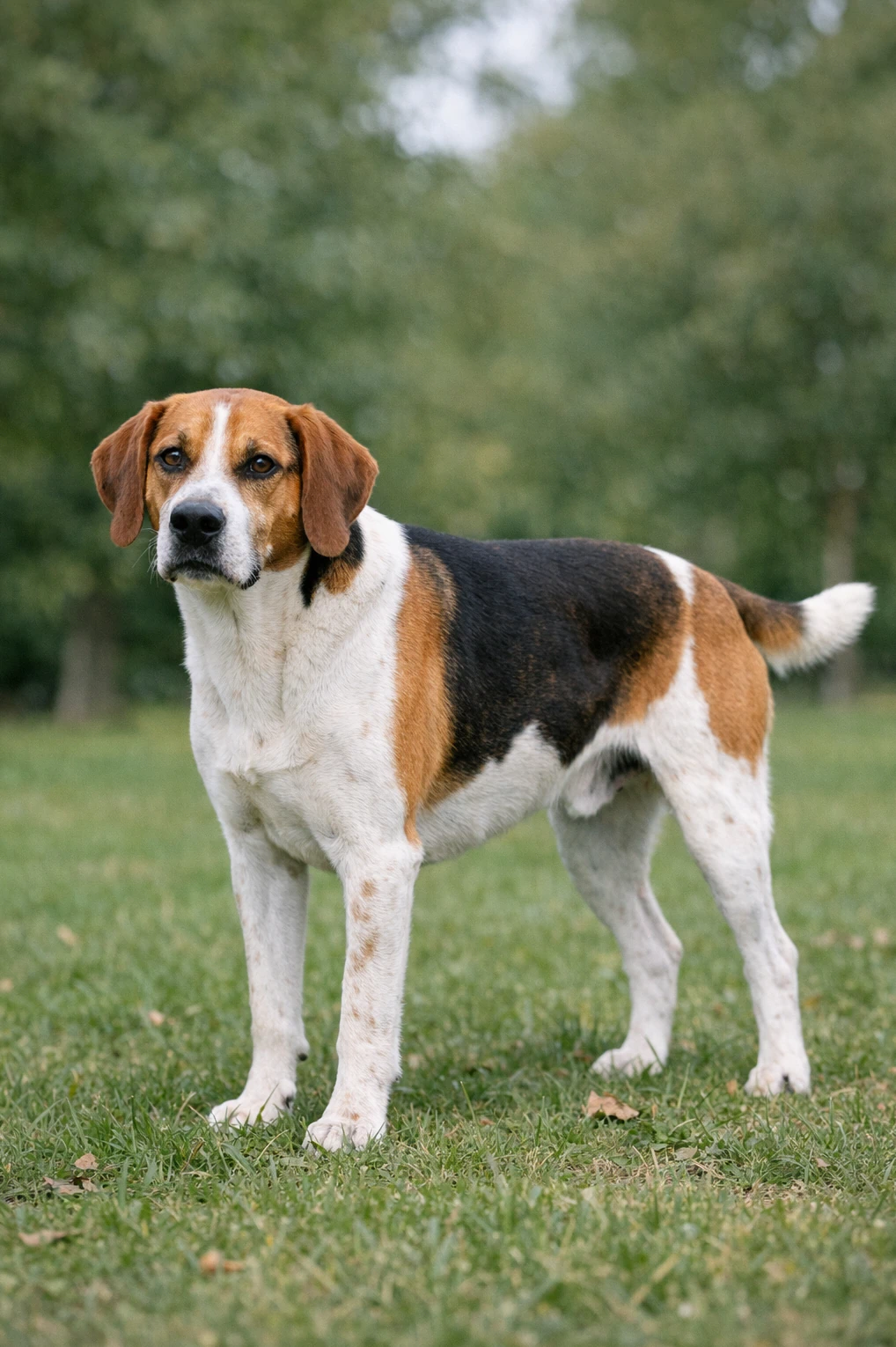
English Foxhound, about 24 inches tall and 60 to 75 pounds, is outgoing, loving, and mild-mannered. Nutritional verdict: active, lean-protein focused diet with balanced fats, joint support, and portion control for steady energy.
Understanding the English Foxhound Metabolism and Energy Needs
As a pack-oriented scent hunter raised for long days following trails, the English Foxhound combines steady stamina with a calm, people-loving temperament. That heritage means daily energy needs are consistent rather than explosive, and muscles must be supported for long trotting instead of short bursts.
High-quality animal protein is important to preserve lean muscle and repair tissue, so meals featuring chicken, lamb, or beef make sense. Moderate to higher fat delivers slow-burning fuel for prolonged activity, and omega-rich sources like fish oil support a glossy coat and healthy skin. Controlled complex carbohydrates such as sweet potato or brown rice provide usable energy without promoting excess weight.
Joint supplements like glucosamine and chondroitin benefit animals that travel long distances, while antioxidants and B vitamins aid recovery and overall metabolism. Keep feeding consistent and adjust portions around activity to maintain a fit, happy companion.
Managing English Foxhound Genetic Health Risks Through Nutrition
Bloat (Gastric Dilatation-Volvulus)
Helpful nutrients
Ear Infections
Helpful nutrients
Dental Disease (Oral Health)
Helpful nutrients
Parasites and Digestive Upset
Helpful nutrients
Weight Management / Obesity
Helpful nutrients
English Foxhound Feeding & Calorie Calculator
Estimated Daily Calories
Tip: Start with this amount and adjust after 2–3 weeks based on your dog's body condition and weight trend.
This estimate provides a starting point for feeding. Individual calorie needs may vary depending on metabolism, body condition, and health status. Always monitor your dog's weight and consult your veterinarian when adjusting diet.
Foods and Ingredients to Avoid for English Foxhound Dogs
English Foxhounds are a large, deep-chested breed and therefore at higher risk for gastric dilatation and bloat, a sudden and serious stomach emergency.
Eating one large meal or bolting food increases that risk, especially after vigorous activity or when stressed.
Offer two to three smaller meals a day and use slow-feeder bowls or puzzle feeders to pace eating, and avoid intense play or exercise for an hour before and two hours after meals.
These simple changes reduce the chance of a life-threatening episode and help your hound stay comfortable.
Raised or elevated food bowls may seem to help a tall dog, but they can increase the risk of bloat in deep-chested breeds like the English Foxhound.
Veterinarians often recommend floor-level feeding for dogs prone to gastric issues to minimize uncomfortable swallowing angles.
Keep food and water at ground level and watch your dog’s posture while eating, especially if they tend to gulp.
Small adjustments in feeding height can lower the risk of serious stomach twists in this size and build of dog.
High-fat human foods and rich table scraps can trigger pancreatitis and rapid weight gain, which places extra strain on a 60 to 75 pound hunting hound.
Even active Foxhounds do best on balanced diets with moderate fat levels tailored to their activity and life stage.
Limit fatty meats, fried foods, and heavy dairy treats, and choose lean protein sources and measured portions for meals and snacks.
If you suspect pancreatitis, such as vomiting or severe abdominal pain, contact your veterinarian promptly.
Cooked bones can splinter and cause choking, mouth injuries, or intestinal blockages, while very hard chews may fracture teeth that you want to protect for regular brushing.
English Foxhounds are powerful chewers and can easily break or swallow dangerous fragments.
Offer only veterinary-approved chews and supervise any bone-like treats, discarding pieces that become sharp or small.
If your dog shows gagging, drooling, vomiting, or mouth pain after chewing, seek veterinary care right away.
Certain everyday foods such as chocolate, grapes, raisins, and anything containing xylitol are toxic to dogs and can cause serious illness even in sturdy breeds.
Xylitol in sugar-free gum, some peanut butters, and baked goods can trigger dangerous drops in blood sugar and liver problems.
Keep these items well out of reach and treat any suspected exposure as an emergency, because the amount needed to harm a dog varies by size and the specific food.
Contact your veterinarian or an emergency clinic immediately if ingestion is suspected.
Some English Foxhounds can be sensitive to artificial preservatives, colors, and flavors, which may contribute to itchy skin, recurring ear problems, or digestive upset when fed long term.
Ingredients like BHA, BHT, and certain dyes can aggravate these issues in dogs predisposed to skin or ear sensitivities.
Choose high-quality foods with recognizable, natural preservatives when possible and monitor your dog’s coat and ear health after diet changes.
Your veterinarian can help identify and manage food-related sensitivities if you notice chronic scratching or recurrent ear infections.
How Nutritional Needs Change Throughout the English Foxhound Life Stages
Dogs need different nutrition as they move from puppyhood to adulthood and into their senior years. Breed, growth rate, activity level and common health tendencies shape those needs, so feeding should shift as your dog matures. For an English Foxhound, size and energy, plus deep chested build and ear and dental care concerns, guide choices for calories, nutrients and feeding routines.
| Life Stage | Age Range | Primary Objective | Key Nutrient Focus |
|---|---|---|---|
| Puppy | 0–15 months | controlled skeletal development, immune support, brain development | DHA, balanced calcium/phosphorus, high-quality protein |
| Adult | 1.5–6 years | lean muscle maintenance and sustained energy | high-quality protein, omega-3 fatty acids, fiber |
| Senior | 6+ years | joint mobility, metabolic health, and cognitive support | glucosamine, chondroitin, antioxidants, lower calories |
As a large, active breed, an English Foxhound puppy follows a steady but substantial growth curve, especially between three and twelve months. Proper skeletal development is vital, so calories and minerals should support gradual growth instead of rapid weight gain, large-breed puppy formulas with controlled calcium and phosphorus help protect developing joints. High quality protein and essential fatty acids like DHA support muscle and brain development.
Feed Foxhound puppies three to four small meals daily until around six months, then transition to two meals, this reduces bloat risk and avoids long gaps that encourage overeating. Keep vigorous play or intense exercise away from mealtimes, check ears regularly, and work with your vet to adjust portions as activity and growth progress.
Adult English Foxhounds are energetic and muscular, they need diets that preserve lean mass while supplying steady energy for daily activity. Choose high quality animal protein and moderate fat to fuel endurance without excess calories, and include digestible carbohydrates and fiber to support gut health. Maintaining a healthy weight is important to reduce strain on joints and to lower the chance of bloat.
Feed adult Foxhounds twice daily to help regulate appetite and reduce gastric stress, match portion sizes to activity level, and adjust for spay or neuter status if activity decreases. Regular dental care and ear checks remain part of overall health, and routine vet visits will help fine tune calorie needs and spot early signs of common conditions.
As English Foxhounds enter their senior years they often experience a slower metabolism, changes in digestion and sometimes reduced mobility. Calorie needs may drop, so portion sizes and fat levels should be adjusted to prevent weight gain that can stress joints. Prioritize high quality, easily digestible protein to preserve muscle, and consider smaller, more frequent meals if appetite or digestion changes.
Support aging joints with appropriate amounts of omega-3 fatty acids and joint supplements such as glucosamine and chondroitin after consulting your vet. Antioxidants like vitamins E and C help cellular health and immune function, while added fiber can aid digestion. Keep monitoring dental health, ear care and overall activity, and work closely with your veterinarian to tailor calories and supplements for comfort and mobility.
Kibble vs Fresh vs Raw for English Foxhound
Different feeding models fit different lifestyles, activity levels, and health needs. Here is a breed-specific look at kibble, fresh cooked, and raw diets for the English Foxhound.
Pros
- Convenient and easy to portion for busy owners.
- Large-breed formulas support joint health and controlled calories.
- Crunchy texture helps reduce tartar on teeth.
- Shelf-stable for travel to meet active exercise or hunt days.
Cons
- Can be calorie-dense, risking weight gain without careful portions.
- Low moisture content may not suit dogs that hydrate poorly.
- Some formulas include fillers or artificial ingredients.
- Requires slow feeding to help lower bloat risk in deep-chested dogs.
Pros
- Highly palatable, great for picky or recovering English Foxhounds.
- High moisture supports digestion and hydration for active hounds.
- Full control over ingredient quality and portion sizes.
- Easier to tailor calories for working versus rest days.
Cons
- More expensive and time-consuming than kibble long term.
- Requires careful recipes and veterinary guidance for full balance.
- Needs refrigeration and meal prep, less convenient for travel.
- Higher fat meals can raise bloat risk if fed too quickly.
Pros
- High protein and natural fats support stamina for active hounds.
- Some owners report improved coat, energy, and stool quality.
- Minimal processing preserves certain heat-sensitive nutrients.
- May satisfy a strong hunting or exercise-driven appetite.
Cons
- Strict hygiene needed to prevent bacterial contamination for family and dog.
- Whole bones can splinter, risking obstruction or dental damage.
- Hard to balance nutrients without expert guidance or formulated plans.
- Preparation and storage increase time and safety demands for owners.
| Diet Type | Pros for English Foxhound | Potential Downsides |
|---|---|---|
| High-Quality Kibble |
|
|
| Fresh Cooked Food |
|
|
| Raw Diet (BARF) |
|
|
Our Recommendation
For most English Foxhounds, a high-quality kibble formulated for large breeds or a well-planned fresh cooked diet works best.
Raw feeding can be suitable for experienced owners with veterinary guidance, strict hygiene, and careful balancing.
See Also
Breeds with similar group, size, and coat characteristics