Best Dog Food for Mountain Cur in 2026Based on Nutritional Science
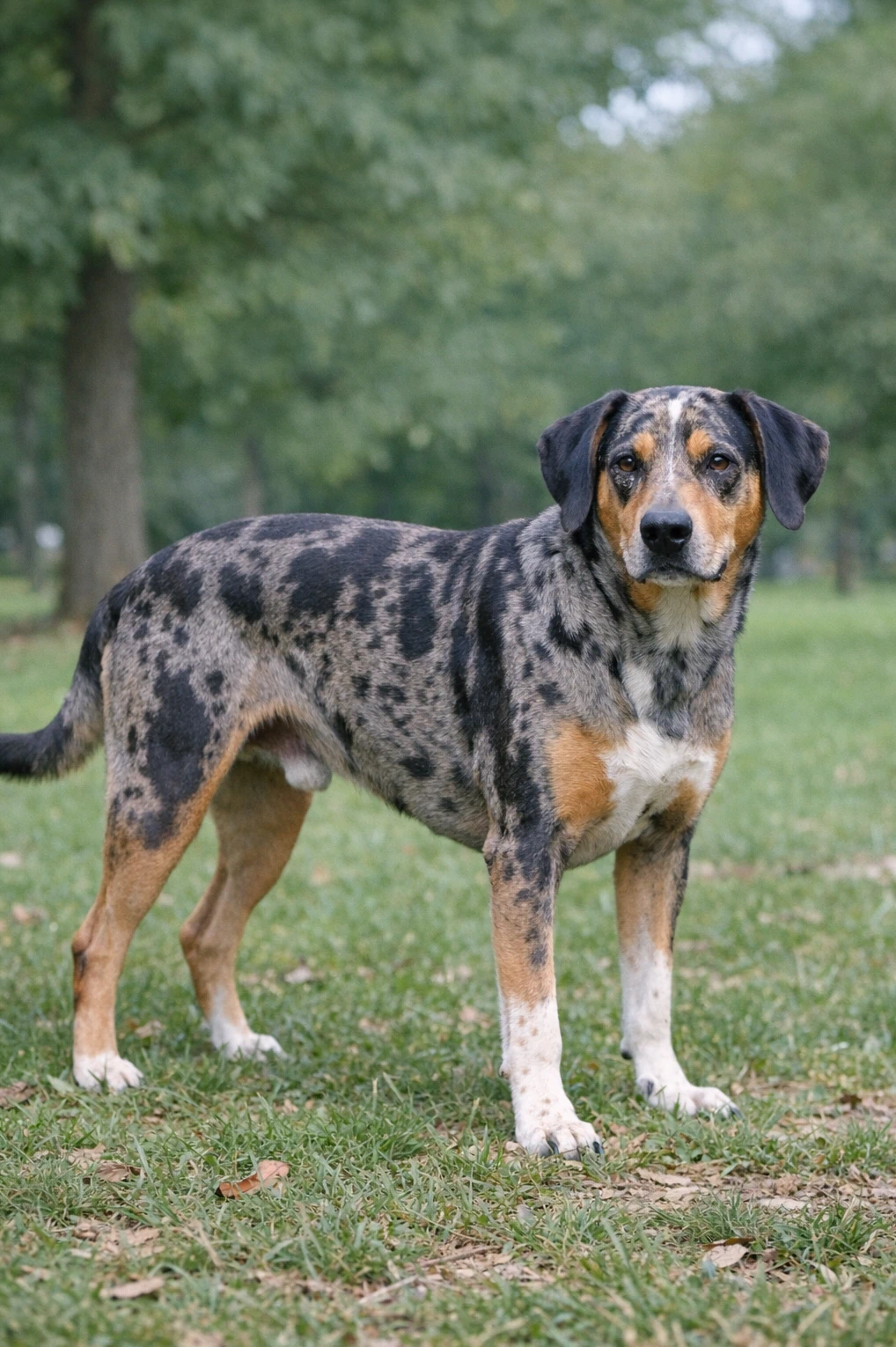
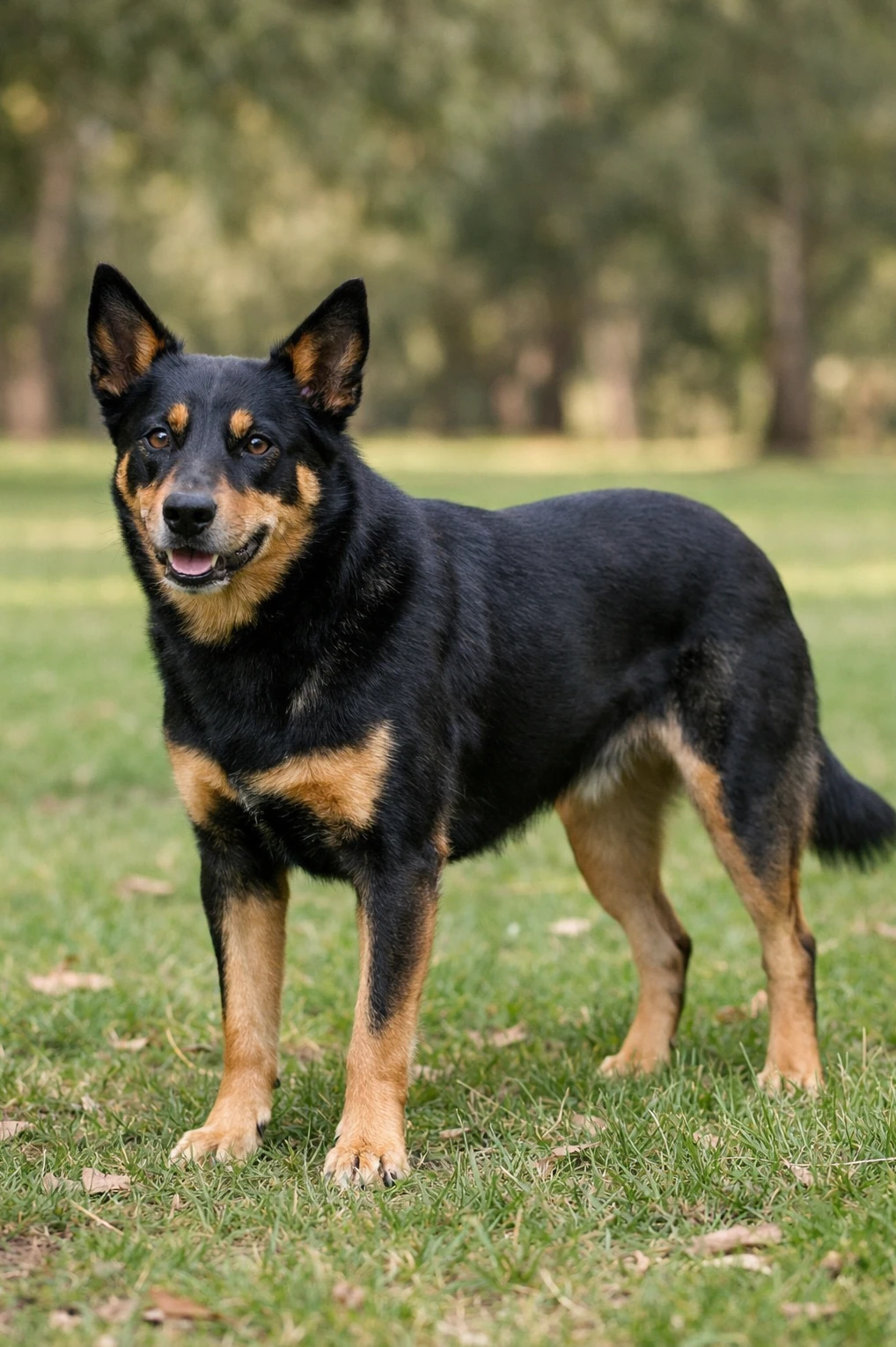
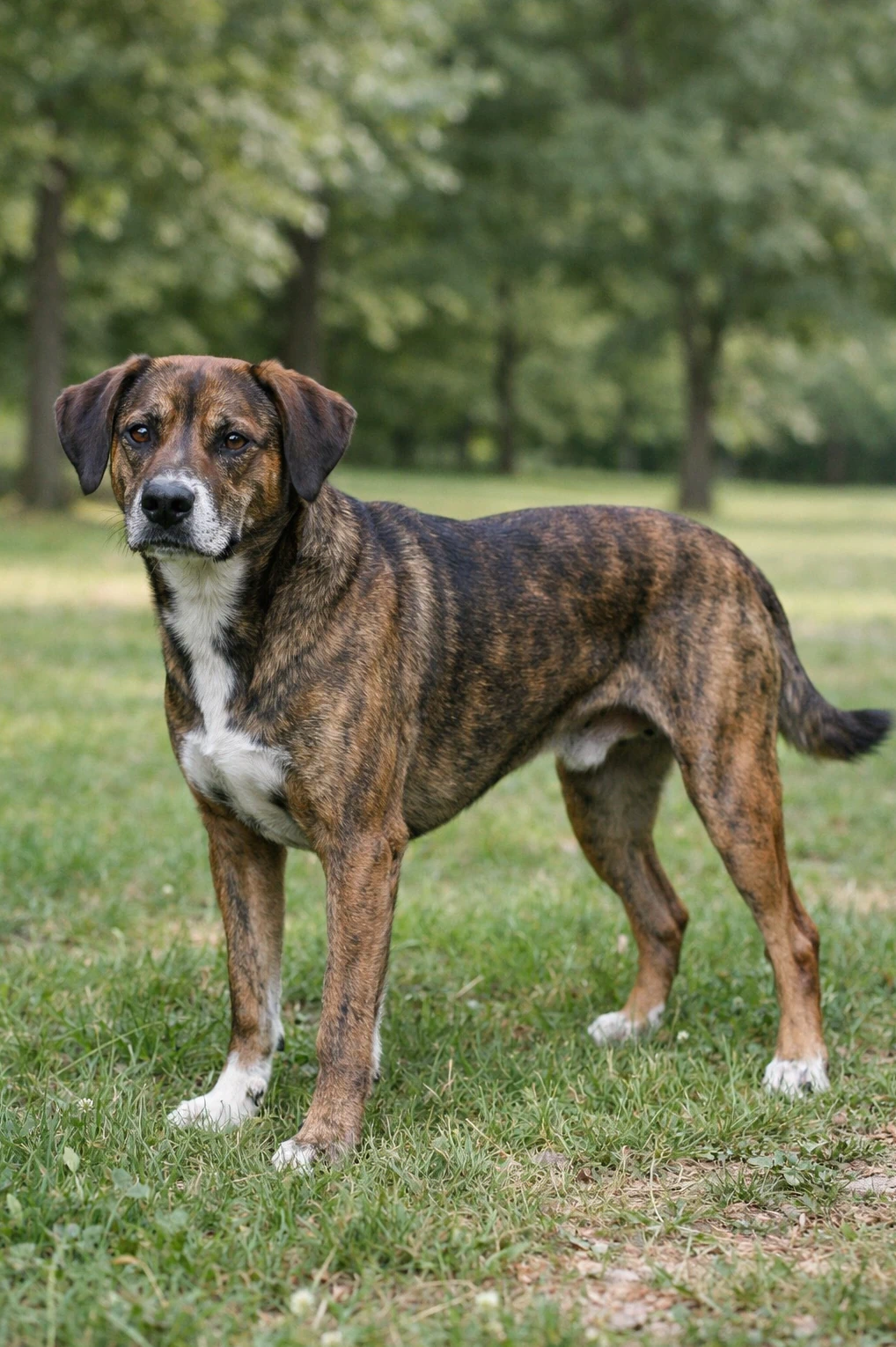
Medium-sized working dog standing about 18 to 26 inches and weighing 30 to 60 pounds, clever, cautious around newcomers, and determined. Nutritional verdict: needs high-quality protein, balanced fats, and steady calories for active bodies.
Understanding the Mountain Cur Metabolism and Energy Needs
Developed by rural families for rugged, all-purpose work, these dogs needed quick thinking, caution around newcomers, and a determined nature. That heritage translates to modern needs, because they require food that keeps their minds sharp and bodies ready for varied tasks.
A protein-forward recipe supports lean muscle and recovery after chasing, treeing, or hauling, while moderate, quality fats provide steady, concentrated energy for long outings. Long-chain omega-3s help maintain cognitive clarity and a healthy coat, and joint support like glucosamine and chondroitin becomes important for dogs that navigate rough terrain. Easily digestible carbohydrates provide short-term fuel during training without promoting excess weight.
Choose formulas with identifiable meat sources, balanced calories matched to daily activity, and consider probiotic support for gut resilience. Consistent feeding and monitoring weight will keep their temperament steady and performance strong.
Managing Mountain Cur Genetic Health Risks Through Nutrition
Weight Management (Obesity)
Helpful nutrients
Joint Health and Mobility
Helpful nutrients
Life Stage Nutrition (Puppy, Adult, Senior)
Helpful nutrients
Digestive Health (Diet Changes & Home-Prepared Meals)
Helpful nutrients
Hydration & Electrolyte Balance
Helpful nutrients
Mountain Cur Feeding & Calorie Calculator
Estimated Daily Calories
Tip: Start with this amount and adjust after 2–3 weeks based on your dog's body condition and weight trend.
This estimate provides a starting point for feeding. Individual calorie needs may vary depending on metabolism, body condition, and health status. Always monitor your dog's weight and consult your veterinarian when adjusting diet.
Foods and Ingredients to Avoid for Mountain Cur Dogs
Mountain Curs are active and lean when managed correctly, but their mid-size build makes them vulnerable to weight gain if fed too many high-fat foods.
Excessive fats from table scraps, fried foods, or rich treats can lead to obesity and increase the risk of pancreatitis, which is painful and can be serious.
Keeping meals balanced with lean proteins and controlled portions helps maintain healthy weight and joint health, especially for working dogs that rely on stamina and agility.
Chocolate and any caffeine-containing foods are toxic to dogs and can cause vomiting, rapid heart rate, tremors, and even seizures, so they should be avoided entirely.
The Mountain Cur's size means even a modest amount of dark chocolate could be dangerous, depending on the dog’s weight.
If accidental ingestion occurs, contact your veterinarian right away, because early treatment can prevent more serious complications.
Grapes and raisins can cause sudden kidney failure in some dogs, and it is not predictable which dog will be affected.
For a breed like the Mountain Cur, which ranges from 30 to 60 pounds, a small handful can still pose a serious risk.
Avoid giving these fruits entirely and keep them out of reach during snack time and baking, and check with your vet immediately if exposure is suspected.
Xylitol, commonly found in sugar-free gum, some peanut butters, baked goods, and dental products, can cause a rapid and dangerous drop in blood sugar and liver damage in dogs.
Mountain Curs are curious and food-motivated, so accidental ingestion is a real concern if these products are accessible.
Always read labels and choose treats and spreads that are xylitol-free, and call your vet or poison control if you suspect your dog consumed any product containing this sweetener.
Onions, garlic, leeks, and chives contain compounds that can damage red blood cells and lead to anemia when eaten in sufficient amounts over time.
Even small, repeated exposures in a medium-sized dog like a Mountain Cur can add up and cause weakness, pale gums, and other signs of illness.
Avoid feeding cooked or raw forms of these vegetables, and be cautious with dishes and leftovers that may include them, since symptoms can be delayed.
Cooked bones from poultry, pork, or other meats can easily splinter and cause choking, mouth injuries, or internal punctures, which can be life threatening.
Mountain Curs are strong chewers, and a bone that splinters can lead to blockages or sharp fragments in the digestive tract.
If you want to offer a chew, choose safe, vet-recommended options and supervise chewing to reduce the risk of broken teeth or dangerous fragments.
How Nutritional Needs Change Throughout the Mountain Cur Life Stages
Across a dog's life, nutritional needs shift from rapid growth to steady maintenance and then to gentler, senior care. Puppyhood demands calories and nutrients to support developing bones and brains, adulthood focuses on maintaining muscle and energy, and senior years often require adjustments for slower metabolism and joint health. Breed growth rate, typical activity level, and common health tendencies influence exactly what and how much to feed.
| Life Stage | Age Range | Primary Objective | Key Nutrient Focus |
|---|---|---|---|
| Puppy | 0–15 months | controlled skeletal development, immune support, brain development | DHA, balanced calcium/phosphorus, high-quality protein |
| Adult | 1.5–6 years | lean muscle maintenance and sustained energy | high-quality protein, omega-3 fatty acids, fiber |
| Senior | 6+ years | joint mobility, metabolic health, and cognitive support | glucosamine, chondroitin, antioxidants, lower calories |
Mountain Cur puppies grow with steady, muscular development rather than extreme length, but as a larger, active breed they need controlled, gradual growth to protect developing joints and bones. Aim for a diet formulated for large-breed puppies and watch calcium and phosphorus levels so growth happens at a steady pace rather than too quickly. Many Mountain Curs reach adult size around 12 to 18 months, so monitor weight and body condition closely.
Feed smaller, frequent meals while they are young, typically three to four times a day until about six months, then transition to two meals daily as they mature. Focus on high-quality animal protein for lean muscle, healthy fats for energy and brain development, and adequate DHA for cognition. Include joint-supporting nutrients like glucosamine and chondroitin, and avoid overfeeding, since excess calories can strain growing bones.
As an adult, the Mountain Cur needs nutrition that supports lean muscle, steady energy and mental focus. Because this breed is intelligent and often used as a working dog, active individuals will require higher calories and sustained fats for energy, while more sedentary pets need portion control to prevent weight gain. Maintain a diet with quality animal protein as the foundation, moderate healthy fats for stamina, and complex carbohydrates or fiber for digestive balance.
Adjust portions based on activity, body condition and life stage events like breeding or increased work. Regular feeding twice a day helps steady energy and make training routines easier. Include omega-3 fatty acids and antioxidants to support skin, coat and overall health, and keep an eye on weight and muscle mass so you can tweak calories and protein as needed.
Senior Mountain Curs often show slower metabolism, reduced activity and sometimes stiffer joints, so nutrition should shift to support mobility, digestion and overall vitality. Reduce calorie density if your dog is less active to avoid weight gain that stresses joints, while keeping protein levels high enough to preserve muscle mass. Easier-to-digest proteins and increased fiber can help with changing digestion, and smaller, more frequent meals may be gentler on appetite.
Prioritize joint-supporting ingredients like glucosamine, chondroitin and omega-3 fatty acids to help maintain comfort and mobility. Antioxidants such as vitamin E, vitamin C and natural polyphenols support healthy aging and immune function. Work with your veterinarian to adjust calories and supplements based on mobility, dental health and any breed-specific concerns so your Mountain Cur stays comfortable and active in their golden years.
Kibble vs Fresh vs Raw for Mountain Cur
Different feeding models suit different lifestyles and energy needs. For the Mountain Cur, choose a plan that supports its working drive, intelligence, and lean build.
Pros
- Convenient and easy to portion for busy owners.
- Formulas with higher protein support the Mountain Cur's working energy.
- Crunchy kibble can help reduce tartar on dogs with short coats.
- Often more affordable and easy to store long term.
Cons
- Lower moisture content may require extra water, especially during heavy work.
- Some formulas include fillers or artificial additives that may irritate sensitive dogs.
- May not meet calorie needs of very active Mountain Curs without performance formulas.
- Less palatable for picky or strong-willed eaters compared to fresh options.
Pros
- Highly palatable, great for picky or driven eaters.
- High moisture supports hydration and healthy digestion after work.
- Easy to adjust calories and protein for active Mountain Curs.
- Allows control over ingredients for dogs with food sensitivities.
Cons
- Requires careful recipe planning to ensure complete nutrition.
- More time consuming and often more expensive than kibble.
- Needs refrigeration and meal prep when feeding a working dog.
- Risk of imbalance if not guided by a veterinary nutritionist.
Pros
- High protein, mimics ancestral diet for active muscle maintenance.
- Many owners report improved coat sheen and energy levels.
- Minimal processing preserves natural nutrients and flavor.
- Can be tailored to individual dog's tolerance and activity.
Cons
- Higher bacterial risk requires strict hygiene and safe sourcing.
- Bone hazards exist, requiring careful selection and supervision.
- Time consuming and often more expensive than processed options.
- Needs veterinary guidance to balance vitamins, minerals, and calcium.
| Diet Type | Pros for Mountain Cur | Potential Downsides |
|---|---|---|
| High-Quality Kibble |
|
|
| Fresh Cooked Food |
|
|
| Raw Diet (BARF) |
|
|
Our Recommendation
For many Mountain Curs, a high-quality, higher-protein kibble offers a reliable balance of convenience and performance.
Active or picky dogs often do best with fresh cooked meals or carefully managed raw diets, under veterinary guidance.
See Also
Breeds with similar group, size, and coat characteristics