Best Dog Food for Large Munsterlander in 2026Based on Nutritional Science
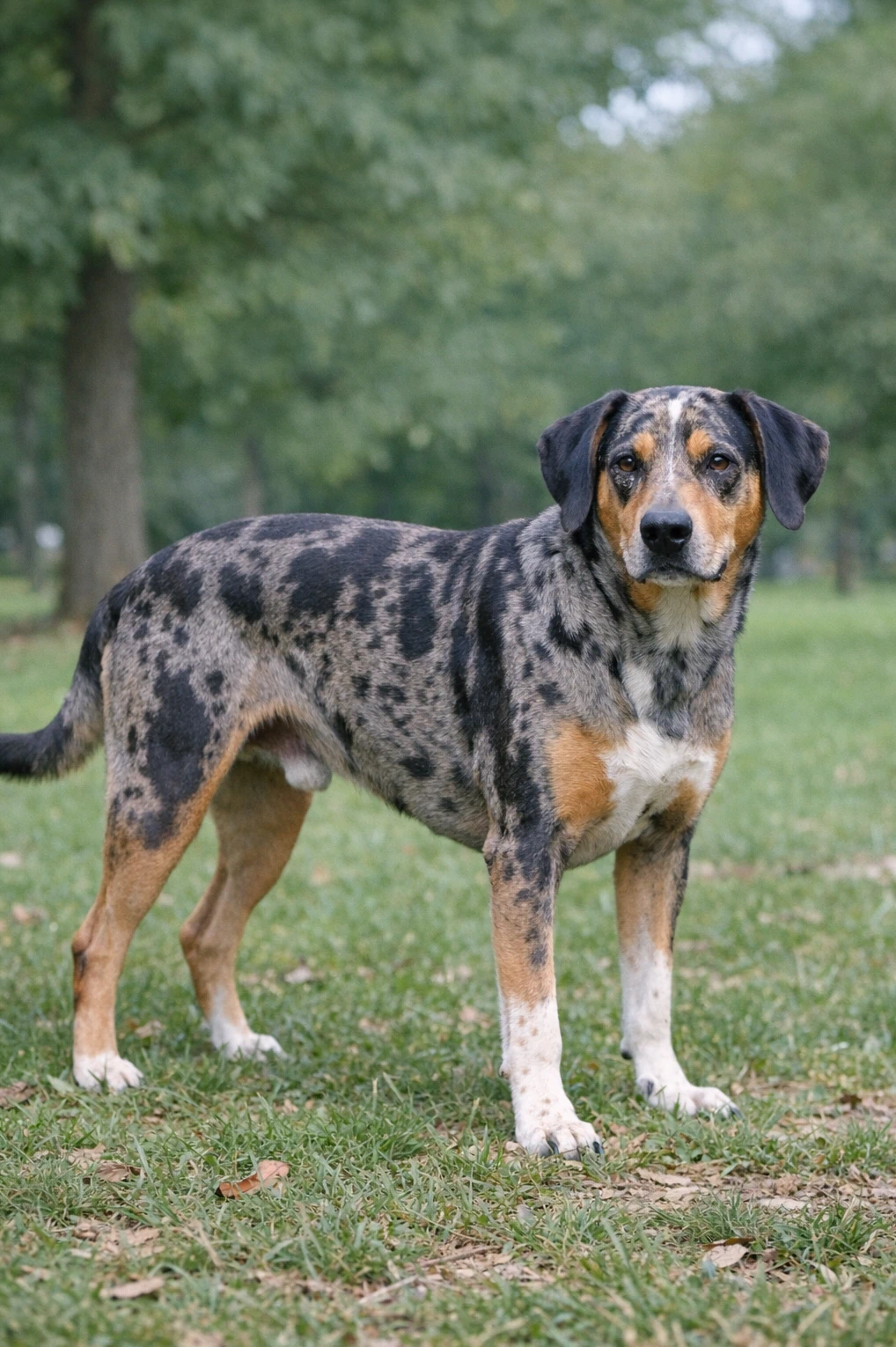
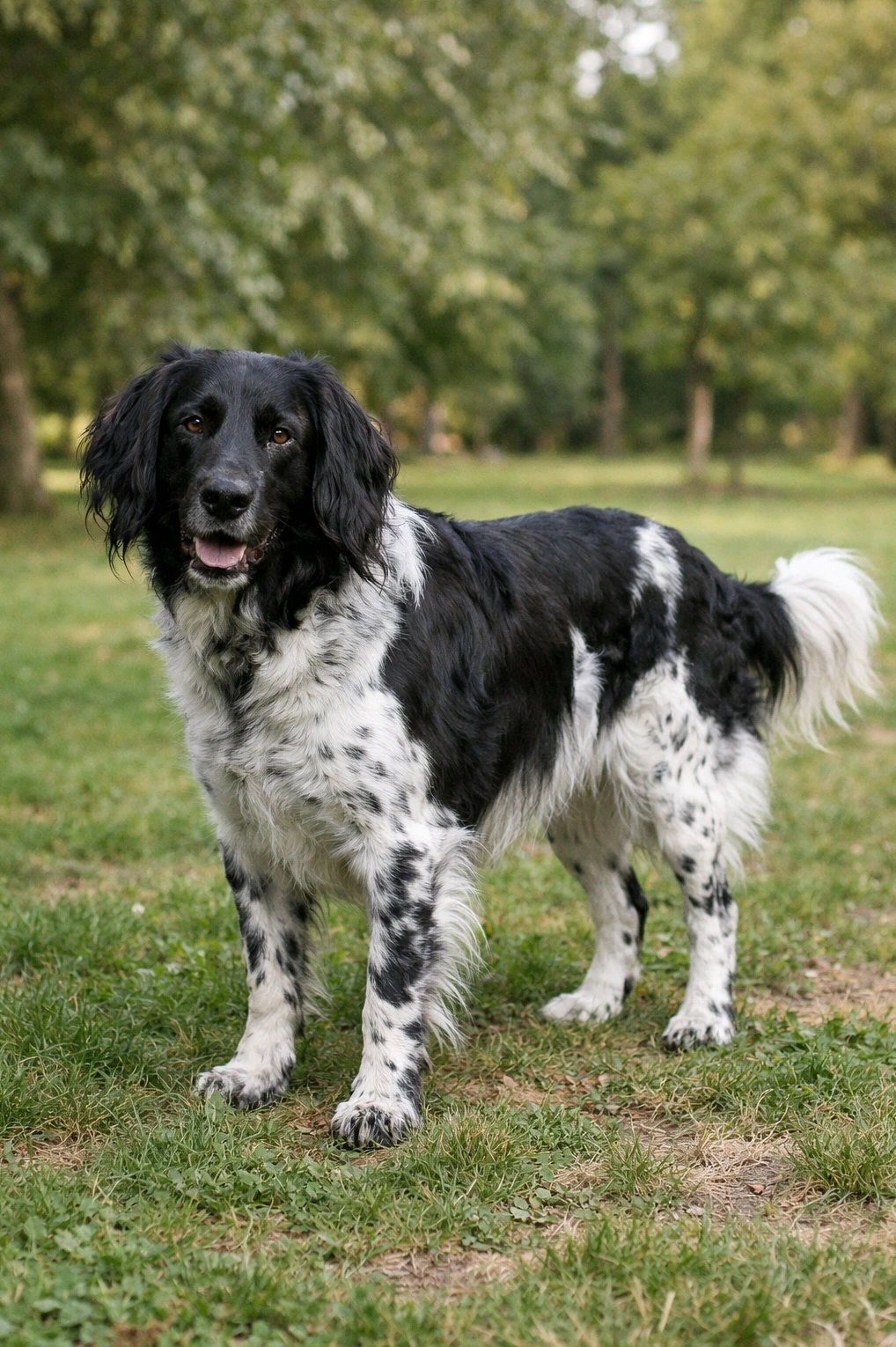
Large Munsterlander stands about 23 to 26.5 inches, weighing 50 to 70 pounds, a bright, loving, and assured gundog. Nutritional Verdict: active, protein-rich, balanced meals support lean muscle and steady energy, with measured portions.
Understanding the Large Munsterlander Metabolism and Energy Needs
This large, versatile hunting companion was shaped by days in the field, so its diet should support both steady endurance and quick bursts of activity. A robust share of high-quality animal protein helps preserve lean mass and fuels a sharp, curious mind, while easily digested complex carbohydrates provide sustained energy without spikes.
Healthy fats, especially long-chain omega-3s, are valuable for a glossy coat, joint comfort, and calming brain chemistry in a bright, people-loving dog. Aim for moderately rich fat levels to supply slow-burning calories during long outings, and consider antioxidants to protect cells after hard work.
Because these dogs are confident and active, joint support and gut health matter, try glucosamine with chondroitin and a probiotic to aid recovery and digestion. Tailoring the balance of protein, fat, and smart supplements keeps this companion strong, steady, and happily engaged.
Managing Large Munsterlander Genetic Health Risks Through Nutrition
Joint Issues (Hip/Elbow Dysplasia, Arthritis)
Helpful nutrients
Weight Management & Obesity
Helpful nutrients
Bloat (Gastric Dilatation-Volvulus) Risk
Helpful nutrients
Inherited Genetic Conditions
Helpful nutrients
Large Munsterlander Feeding & Calorie Calculator
Estimated Daily Calories
Tip: Start with this amount and adjust after 2–3 weeks based on your dog's body condition and weight trend.
This estimate provides a starting point for feeding. Individual calorie needs may vary depending on metabolism, body condition, and health status. Always monitor your dog's weight and consult your veterinarian when adjusting diet.
Foods and Ingredients to Avoid for Large Munsterlander Dogs
Large Munsterlanders are active and muscular, but extra weight puts added stress on their hips and shoulders, so high-fat foods and fatty table scraps are best avoided.
Too much dietary fat can lead to unwanted weight gain and may increase the risk of pancreatitis, which is painful and can be serious.
Choose lean protein and balanced fats to support their working energy without overloading their system, and talk with your veterinarian about appropriate portion sizes for this 50 to 70 pound breed.
Large, deep-chested breeds like the Large Munsterlander are at higher risk for gastric dilatation and volvulus, commonly called bloat, so avoid feeding very large or very rapid meals.
Eating quickly, exercising right before or after meals, and consuming a single giant meal can increase the chance of dangerous stomach twisting.
Feed smaller, measured meals spaced through the day, consider a slow-feeder bowl, and keep vigorous activity at least an hour away from mealtime to help reduce risk.
Because Large Munsterlanders grow into a fairly large adult size, over-supplementing calcium or feeding calorie-dense diets during puppyhood can encourage too-rapid growth and increase the risk of developmental orthopedic issues.
Puppies need a carefully balanced formula designed for large-breed growth to support proper bone and joint development.
Work closely with your breeder and veterinarian to choose the right puppy diet and feeding schedule so your youngster grows at a steady, healthy rate toward that 50 to 70 pound adult size.
This breed can benefit from a clean diet, so try to avoid foods heavy in artificial preservatives, colors, and flavors which can sometimes trigger digestive upset or skin sensitivities.
Ingredients like BHA, BHT, and artificial dyes offer little nutritional value and may irritate dogs with more reactive skin.
Opt for diets preserved with natural antioxidants when possible, and introduce new foods slowly so you can spot any sensitivity early and keep their coat and tummy in good shape.
Processed human foods such as deli meats, salty snacks, and some jerky treats often contain excessive sodium and unhealthy additives that can lead to thirst, bloating, and long-term health problems.
For a breed that may stay active well into adolescence and adulthood, avoiding high-salt items helps maintain cardiovascular and kidney health.
Stick to balanced dog foods and vet-approved treats, and never use salty table scraps as a regular part of their diet.
Certain everyday foods are outright toxic and must be avoided completely, including chocolate, grapes and raisins, onions, garlic, macadamia nuts, and anything containing xylitol.
Even small amounts of some of these can cause severe illness or life-threatening reactions in dogs.
If your Large Munsterlander accidentally eats a suspect food, contact your veterinarian or an emergency clinic right away, because prompt action makes a big difference to the outcome.
How Nutritional Needs Change Throughout the Large Munsterlander Life Stages
Dogs need different nutrition as they move from puppyhood to adulthood to their senior years. A Large Munsterlander's needs are shaped by their rapid early growth, high working energy, and any breed health tendencies. Feeding should account for growth rate, activity level, and common large-breed concerns so each life stage supports healthy bones, a shiny coat, and steady energy.
| Life Stage | Age Range | Primary Objective | Key Nutrient Focus |
|---|---|---|---|
| Puppy | 0–15 months | controlled skeletal development, immune support, brain development | DHA, balanced calcium/phosphorus, high-quality protein |
| Adult | 1.5–6 years | lean muscle maintenance and sustained energy | high-quality protein, omega-3 fatty acids, fiber |
| Senior | 6+ years | joint mobility, metabolic health, and cognitive support | glucosamine, chondroitin, antioxidants, lower calories |
Large Munsterlander puppies grow quickly, with long bones and active frames that need controlled, steady growth to protect developing joints. Focus on moderated calories and a balanced calcium to phosphorus ratio to reduce risk of orthopedic problems while allowing muscular and skeletal development. Choosing a large-breed puppy formula helps meet these needs, and working with a responsible breeder who uses genetic testing can lower inherited risk.
Feed younger puppies several small meals a day, then gradually shift to two meals as they mature, monitoring body condition rather than relying on bowl size. Avoid excessive calories or rapid weight gain, even though these pups are active and playful.
Key nutrients include high quality protein for lean muscle, DHA for brain and eye development, omega-3 fats for inflammation control, and antioxidants and vitamins to support immune health. Supplements should be discussed with your veterinarian.
As an adult, a Large Munsterlander needs nutrition that preserves lean muscle and fuels regular activity without promoting excess weight. Offer a diet with high quality, easily digested protein and balanced fats to support energy and a glossy coat, while keeping calories matched to whether your dog is a weekend companion or an active working partner. Healthy carbohydrates and fiber provide steady energy and aid digestion.
Routine monitoring of body condition is important, adjusting portions for hunting seasons, heavy training, or more sedentary periods. Continued joint-support ingredients and omega-3 fatty acids help maintain mobility and reduce inflammation as activity levels fluctuate. Work with your veterinarian to fine tune feeding plans for neuter status, reproductive needs, and overall lifestyle.
As Large Munsterlanders age their metabolism often slows and they may lose muscle mass while becoming less active, so calories may need to be reduced to prevent weight gain. At the same time higher quality, highly digestible protein helps preserve muscle, and increased fiber can aid digestion and regularity. Watch for dental changes that may make softer or wet food preferable.
Joint health becomes a priority, so look for diets or supplements that include glucosamine, chondroitin, and omega-3 fatty acids to support mobility and comfort. Antioxidants, controlled phosphorus, and nutrients that support cognitive and immune health can be beneficial. Regular weight checks and conversations with your veterinarian will help you adjust calories and supplements, keeping your senior companion comfortable and engaged.
Kibble vs Fresh vs Raw for Large Munsterlander
Different feeding approaches suit different lifestyles, activity levels, and owner schedules. For a Large Munsterlander, prioritize energy needs, joint support, and steady balanced nutrition when choosing a model.
Pros
- Convenient and easy to portion for busy owners.
- Formulas with balanced nutrients suit growing and working Large Munsterlanders.
- Many contain joint support ingredients helpful for large-breed joints.
- Dry kibble aids dental health through chewing action.
Cons
- Lower moisture content may not suit dogs needing extra hydration.
- Some brands use fillers or low-quality protein sources.
- Performance needs may require specialty formulas for active Large Munsterlanders.
- Overfeeding calorie-dense kibble can lead to weight gain.
Pros
- Highly palatable, often enticing even picky eaters.
- High moisture supports digestion and hydration for active dogs.
- Full control over ingredients reduces allergy or sensitivity risks.
- Easier to add supplements for joints and energy in this large breed.
Cons
- Requires careful planning to ensure complete balanced nutrition.
- Meal prep and refrigeration take more time than kibble.
- Higher ongoing cost compared with standard kibble.
- Incorrect recipes can underfeed or lack essential nutrients.
Pros
- High protein focus matches this breed's active energy needs.
- Some owners see shinier coats and improved muscle condition.
- Minimally processed food preserves more natural nutrients.
- Feeding whole foods can support lean body composition.
Cons
- Requires strict hygiene to avoid bacterial and parasitic infections.
- Balancing calcium and phosphorus is crucial for large-breed growth.
- Risk of bone splinters or choking if bones are improperly sized.
- Can be expensive and time-consuming to prepare safely.
| Diet Type | Pros for Large Munsterlander | Potential Downsides |
|---|---|---|
| High-Quality Kibble |
|
|
| Fresh Cooked Food |
|
|
| Raw Diet (BARF) |
|
|
Our Recommendation
For many Large Munsterlanders, high-quality kibble with a performance or joint-support formula provides reliable nutrition and convenience.
Fresh cooked diets are great if you want control and can manage planning, while raw diets suit experienced owners working closely with a veterinarian.
See Also
Breeds with similar group, size, and coat characteristics