Best Dog Food for Komondor in 2026Based on Nutritional Science
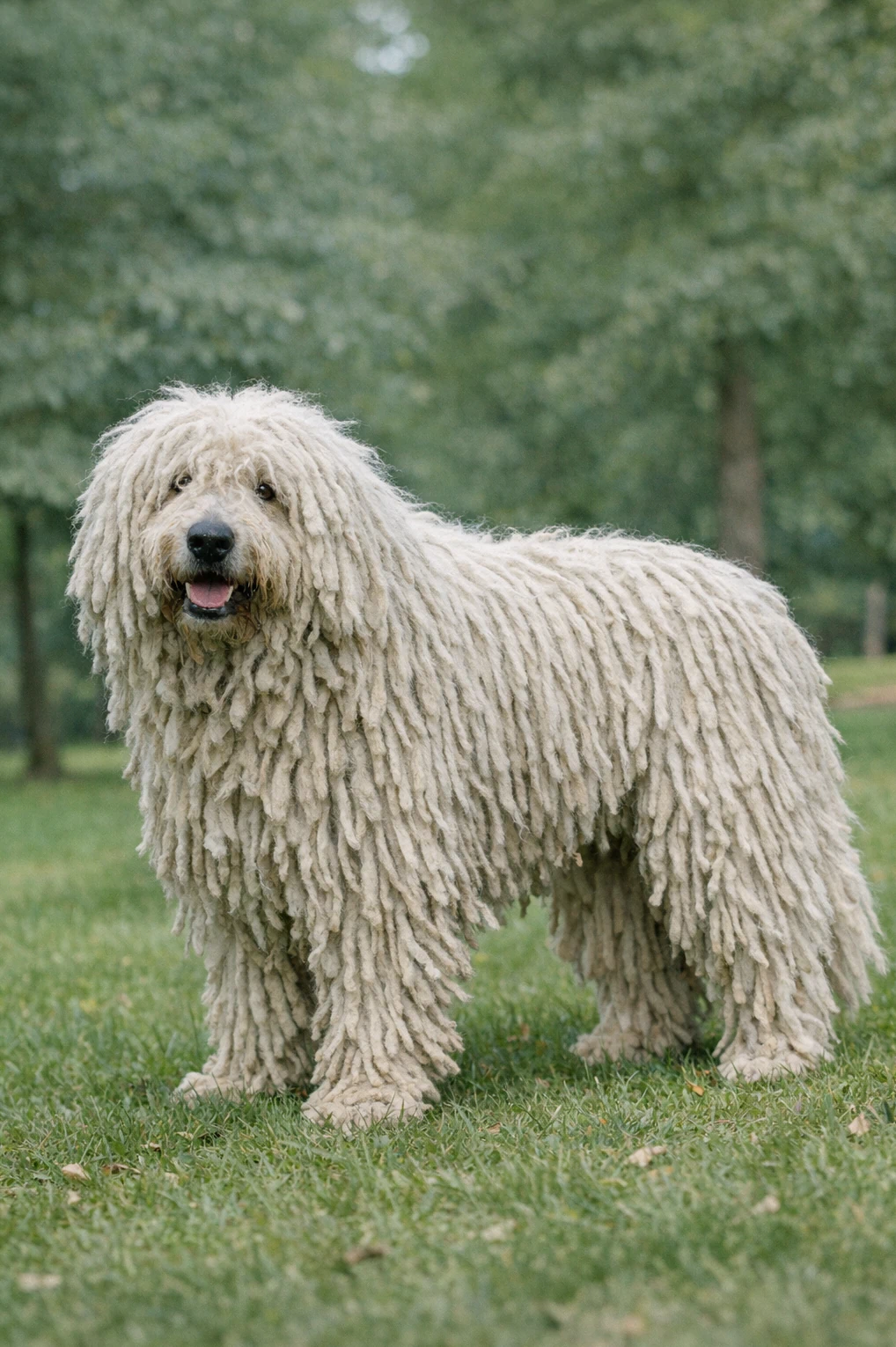
Large, protective livestock guardian, males 27.5+ inches and over 100 pounds, stately, devoted, and courageous. Nutritional verdict: requires a protein-forward, calorie-dense diet to sustain strong muscles and steady daily energy.
Understanding the Komondor Metabolism and Energy Needs
Bred to guard livestock, this large, corded-coated guardian relies on strength, endurance, and calm confidence. Those working instincts mean modern meals should prioritize steady energy and durable muscle support, rather than fuels for short bursts.
That translates to a protein-forward plan using high-quality animal proteins to maintain powerful musculature and speed recovery after long watches. Moderate to higher fats supply sustained calories and help keep a dense, weather-resistant coat, while focused omega-3s soothe skin and reduce inflammation. Complex carbohydrates in modest amounts provide gut-friendly fiber without encouraging excess weight.
Joint-support supplements such as glucosamine and chondroitin make sense for heavier-framed dogs, and controlled calorie density helps delay joint strain and obesity. Match portions to daily activity and review mobility with your veterinarian regularly.
Managing Komondor Genetic Health Risks Through Nutrition
Bloat (Gastric Dilatation-Volvulus)
Helpful nutrients
Hip Dysplasia
Helpful nutrients
Eye Health Concerns
Helpful nutrients
Skin Reactions and Hotspots
Helpful nutrients
Pancreatitis and Digestive Upset from High-Fat Foods
Helpful nutrients
Komondor Feeding & Calorie Calculator
Estimated Daily Calories
Tip: Start with this amount and adjust after 2–3 weeks based on your dog's body condition and weight trend.
This estimate provides a starting point for feeding. Individual calorie needs may vary depending on metabolism, body condition, and health status. Always monitor your dog's weight and consult your veterinarian when adjusting diet.
Foods and Ingredients to Avoid for Komondor Dogs
Komondors are large dogs that do not need a lot of food volume, so rich, fatty table scraps or fried human foods can quickly push them into excess calories and weight gain.
High fat content also increases the risk of pancreatitis, which is painful and can be serious, especially in a heavy, deep-chested breed.
Stick to lean protein sources and measured portions, and avoid sharing fatty meats, gravy, or buttery leftovers to protect their weight, joints, and overall health.
Cooked bones can splinter into sharp pieces that can puncture the mouth, esophagus, or intestines, and even large dogs like Komondors are at risk if they chew quickly or swallow big chunks.
Rich or spicy table scraps can also upset the gut and encourage picky or grazing behavior in a dog that naturally eats conservatively.
Keep bones unserved, avoid feeding from the table, and offer safe chews designed for large breeds instead of risky leftovers.
Some Komondor owners report skin reactions when protein levels are very high, with increased scratching, hotspots, or general irritation.
While protein is important for muscle and maintenance, too much of certain proteins can trigger sensitivities in dogs that are already prone to skin issues or environmental allergies.
Choose a balanced, high-quality diet formulated for large breeds and your dog’s life stage, and consult your veterinarian if you notice skin changes after switching foods.
Foods and kibble formulas that rely heavily on peas, lentils, or other legumes can increase fermentation and gas in some dogs, which could make a Komondor uncomfortable and potentially raise the risk of bloat in susceptible individuals.
Komondors already have deep chests, so anything that increases stomach gas or rapid fermentation deserves caution.
Look for diets with a balanced mix of carbohydrates and fiber, and avoid formulas that list legumes as the main ingredient if your dog tends to get gassy or bloated.
Ingredients like BHA, BHT, and artificial colors can sometimes irritate sensitive dogs and contribute to skin problems or digestive upset, which Komondors can be prone to if they develop sensitivities.
These additives offer little nutritional benefit and may aggravate allergic tendencies or make skin issues harder to manage.
Opt for foods preserved naturally and read labels for whole-food ingredients, especially if your Komondor has a history of itchy skin or digestive sensitivity.
Chocolate, onions, garlic, grapes, raisins, and xylitol are examples of human foods that are toxic to dogs, and a curious Komondor will investigate anything left within reach.
Even though your dog is large, some toxins are dangerous at relatively small doses, and xylitol in particular can cause rapid, life-threatening drops in blood sugar.
Store human treats and medications securely, and learn the list of common toxins so you can prevent accidental exposure and call your veterinarian quickly if something is eaten.
How Nutritional Needs Change Throughout the Komondor Life Stages
Komondors, like all dogs, have changing nutritional needs as they move from puppyhood to adult life and into their senior years. Growth speed, activity level and breed-specific health tendencies shape those needs, so food and feeding schedules should adapt over time. For a giant, dignified guardian like the Komondor, calorie management, joint support and strategies to reduce bloat are especially important at each stage.
| Life Stage | Age Range | Primary Objective | Key Nutrient Focus |
|---|---|---|---|
| Puppy | 0–18 months | controlled skeletal development, immune support, brain development | DHA, balanced calcium/phosphorus, high-quality protein |
| Adult | 1.5–5 years | lean muscle maintenance and sustained energy | high-quality protein, omega-3 fatty acids, fiber |
| Senior | 5+ years | joint mobility, metabolic health, and cognitive support | glucosamine, chondroitin, antioxidants, lower calories |
Komondor puppies grow quickly in height and fill out more slowly, with skeletal maturity often taking 18 to 24 months for a giant breed. That extended growth period means feeding should encourage steady, not rapid, weight gain to protect developing joints. Use a large-breed puppy formula with controlled calcium and phosphorus, and divide daily portions into three to four small meals early on, moving to two meals as they near adulthood.
Prioritize high quality protein for muscle development, balanced fat for energy, and omega-3s to support joint and skin health around their heavy, corded coat. Because Komondors can be calm yet powerful guardians and face a bloat risk common in big, deep-chested dogs, use slow feeders, avoid vigorous play right after meals and follow portion guidance from your veterinarian.
An adult Komondor needs a diet that maintains lean muscle and steady energy without excess calories that can stress joints. Choose a large-breed adult formula with moderate to high quality protein and controlled fat, adjusted to activity level. Feeding twice daily helps steady digestion and can lower bloat risk, while portion control and body condition checks keep weight in a healthy range for a dog that can easily exceed 100 pounds.
Because Komondors are dignified, loyal guardians rather than high-strung athletes, their calorie needs often match moderate daily activity with bursts of work when on duty. Include nutrients that support joint health and a dense, digestible energy source to sustain muscle. Regular exercise, grooming of the heavy coat and veterinary screening for orthopedic health help keep an adult Komondor comfortable and fit.
As Komondors enter their senior years metabolism often slows, activity typically decreases and digestion can become less efficient. Older giants can lose muscle mass while gaining fat if calories are not adjusted, so reduce overall calories modestly while keeping protein high and easily digestible to preserve muscle. Add joint-support nutrients like glucosamine, chondroitin and omega-3 fatty acids, plus antioxidants such as vitamin E to help healthy aging.
Also consider softer or moistened kibble for dental comfort and smaller, more frequent meals to ease digestion and reduce bloat risk in a deep-chested dog. Keep a close eye on body condition and mobility, and talk with your veterinarian about weight management, tailored supplements and regular orthopedic screening to help a senior Komondor stay comfortable and active.
Kibble vs Fresh vs Raw for Komondor
Different feeding models suit different routines and preferences. For a Komondor, size, activity, coat, and bloat risk all influence which diet fits best.
Pros
- Convenient and easy to portion for busy owners of large-breed Komondors.
- Formulas for large breeds help manage calorie density and growth.
- Crunch can support dental health in dogs that chew consistently.
- Long shelf life suits owners who need stable, reliable meals.
Cons
- Lower moisture content may not support optimal hydration for a heavy-coated, large dog.
- Some kibbles contain fillers or additives that add unnecessary calories.
- Large-meal feeding can increase bloat risk if meals are too big or too fast.
- Quality varies, so label reading and breed-appropriate choices matter.
Pros
- Highly palatable, helpful for picky Komondors or dogs with selective appetites.
- High moisture supports digestion and helps maintain hydration.
- You control ingredients to support joint health and coat quality.
- Easier to avoid fillers and unwanted additives found in some kibbles.
Cons
- Requires careful planning to ensure balanced nutrition for giant-breed needs.
- More time-consuming and costly than feeding kibble long-term.
- Improper recipes can worsen joint or growth issues in large dogs.
- Needs refrigeration and meal prep, which can challenge busy households.
Pros
- Mimics a whole-food approach that some owners say improves coat sheen.
- High-quality proteins can support lean muscle mass in this large guardian breed.
- Minimal processing preserves certain nutrients often lost in other diets.
- Customizable to address allergies and individual tolerances.
Cons
- Strict hygiene needed to avoid bacterial contamination at home.
- Imbalanced calcium or calories can harm large-breed joint development.
- Raw bones can present choking or tooth risks if not chosen properly.
- Often more expensive and time-intensive than kibble.
| Diet Type | Pros for Komondor | Potential Downsides |
|---|---|---|
| High-Quality Kibble |
|
|
| Fresh Cooked Food |
|
|
| Raw Diet (BARF) |
|
|
Our Recommendation
For most Komondor owners, a high-quality large-breed kibble provides reliable nutrition with minimal fuss.
Fresh cooked or carefully balanced raw diets can be excellent for coat and energy, but they require planning, hygiene, and veterinary guidance to protect joints and reduce bloat risk.
See Also
Breeds with similar group, size, and coat characteristics